
Reviewed · ABURI BOTANICAL GARDENS TOURS
Accra: Aburi Botanical Garden, Cocoa Farm, and Waterfall …
Three stops, one very good day outdoors. This six-hour private trip from Accra combines Aburi Botanical Garden with Ghana’s cocoa story and a forest waterfall, giving you three very different reasons to leave the city. I love the way the day moves from plants, to farming, to fresh air and water without feeling like a single-theme excursion.
I also like the hands-on cocoa visit, where you can open a pod and taste the fresh beans, and the fact that lunch, water, transport, guides, and entry fees are included. The main consideration is the amount of walking. It is not a strenuous expedition, but you should expect moderate walking at the garden and cocoa farm, plus a short forest path to Asenema Waterfall.
In This Review
- Key points to know before you go
- Leaving Accra for Ghana’s Eastern Region
- Walking beneath the trees at Aburi Botanical Garden
- Following Ghana’s cocoa story at Tetteh Quarshie Farm
- Cooling off at Asenema Waterfall near Adukrom
- What the $194 price includes
- How much walking and heat to expect
- Guide quality and the private format
- Who will enjoy this day most
- Should you book this Accra day trip?
- FAQ
- How long does the tour last?
- Where does the tour go?
- Is transportation included?
- Is lunch included?
- Is this a private tour?
- What language does the guide speak?
- What should I bring?
Key points to know before you go
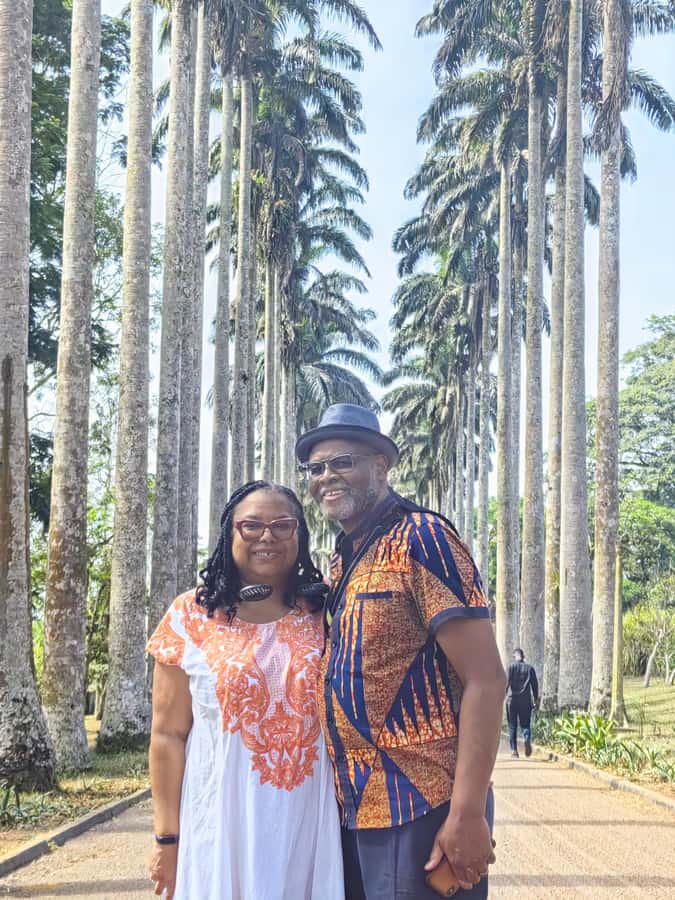
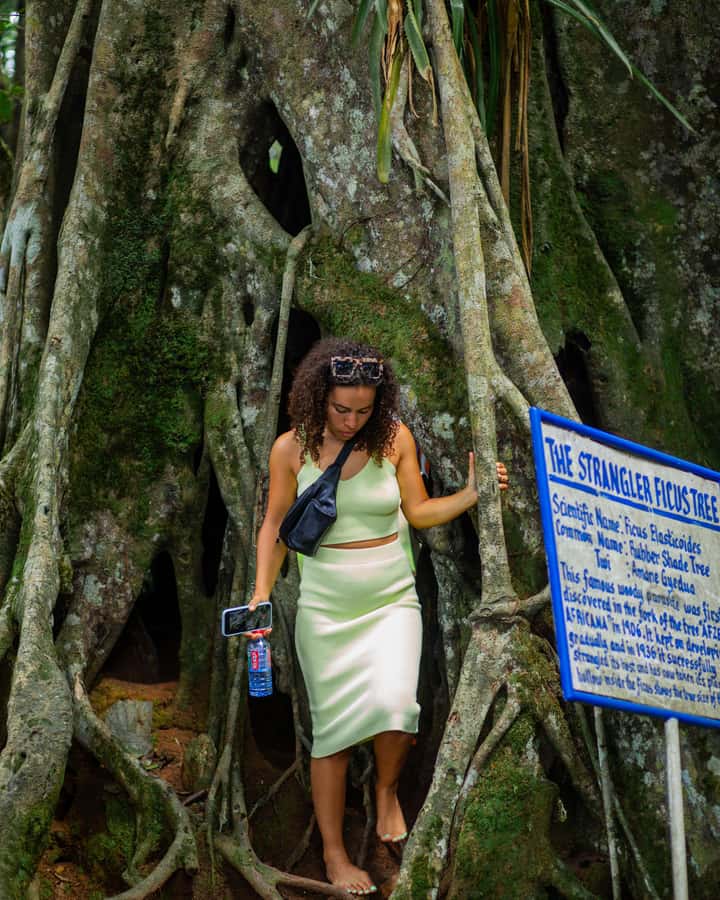
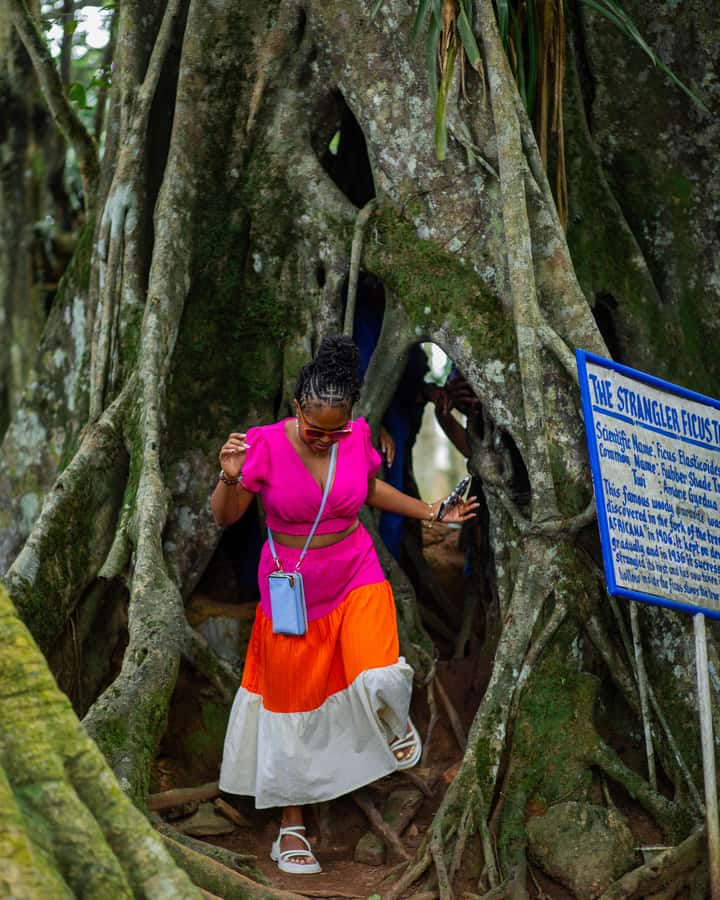
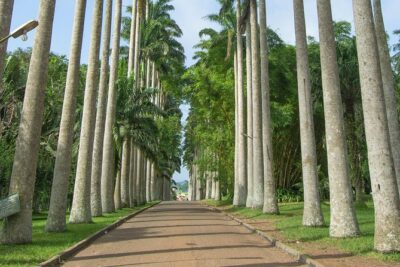
- Aburi Botanical Garden dates from 1890: You will see tropical plants, towering Kapok trees, an old Strangler Fig, and a long avenue of royal palms across the 160-acre grounds.
- Tetteh Quarshie’s farm connects cocoa to Ghana’s economy: The visit explains how cocoa arrived in Ghana and how beans are grown, fermented, and dried.
- Fresh cocoa tasting is part of the experience: You can crack open a cocoa pod and taste the beans before they become chocolate.
- Asenema Waterfall requires a short forest walk: The route leads to a rocky cascade and a clear pool where you can rest or dip your feet.
- This is a private six-hour outing: You travel by car with an English-speaking guide, rather than joining a large group.
- The $194 price covers the practical basics: Transport, meals, water, guiding, and admission are included, which makes the cost easier to assess.
Leaving Accra for Ghana’s Eastern Region
The day begins with a drive from Accra toward Ghana’s Eastern Region. The change is gradual. City streets give way to rolling hills, trees, and wider views, so the drive itself helps shift the mood from urban sightseeing to a day in the countryside.
You travel by car, and the private format matters here. Your group does not have to keep pace with strangers, and the guide can focus on your questions as you move between the three stops. The tour lasts six hours, so the schedule is full but not built around an all-day outing.
I would treat the drive as part of the experience rather than dead time. This is a chance to see the scenery change while heading toward Aburi, the first main stop. Starting early in the day would also make sense if you have a choice of departure times, since the garden and waterfall offer more comfort before the strongest heat.
Other days up at Aburi:
- Boti Falls, Umbrella Rock, Aburi Gardens & Cocoa Farm Tour
★ 4.6 · 72 reviews - Experience Boti Waterfalls, Aburi Botanical Gardens & Tetteh Quarshie Cocoa Farm
★ 5.0 · 38 reviews - Private Aburi Hill Guided Tour
★ 5.0 · 34 reviews
Walking beneath the trees at Aburi Botanical Garden
Aburi Botanical Garden was established in 1890 and covers 160 acres. That gives the first stop a different feel from a small city park. You have room to walk among tropical plants, mature trees, and flowers, with a guide helping you understand what you are seeing.
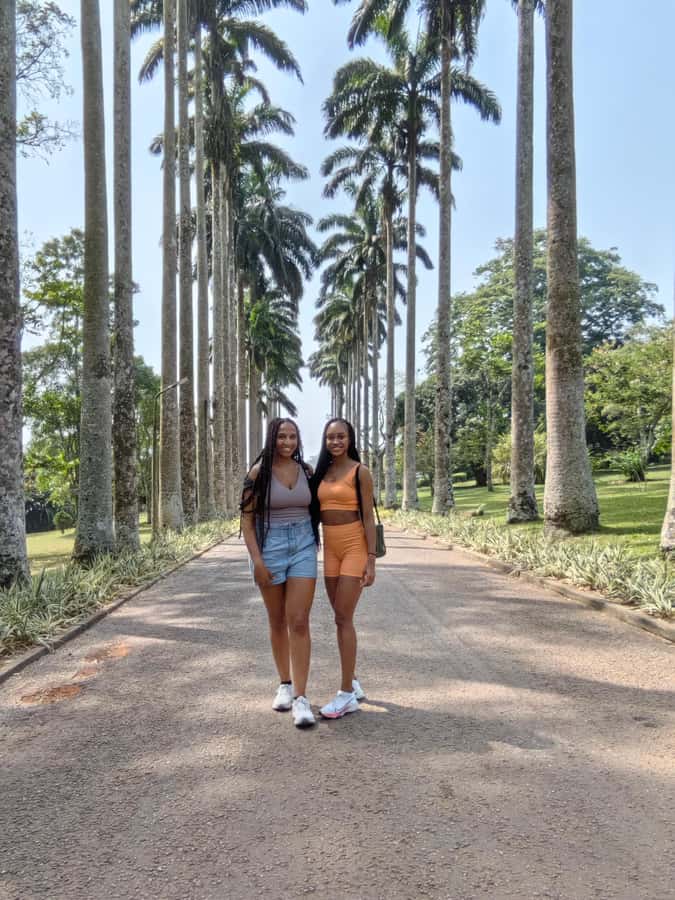
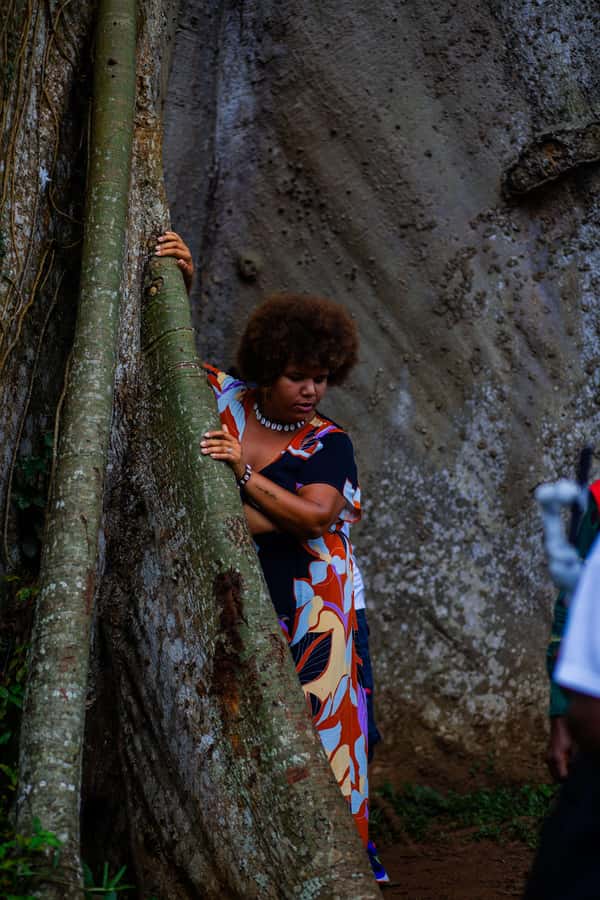
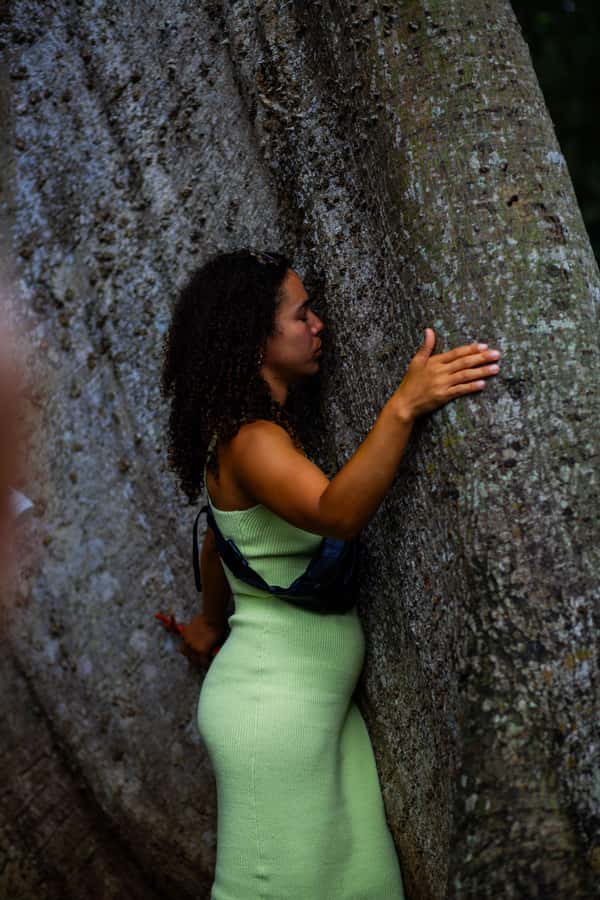
The garden’s most memorable sights include towering Kapok trees, an ancient Strangler Fig, and a formal avenue lined with royal palms. These features give the visit some structure. You are not simply wandering past unnamed greenery. You have clear points of interest and a chance to connect the plants with Ghana’s climate and natural setting.
I like this stop because it slows the day down. The drive from Accra can feel like a transition, while the garden gives you time to walk, look up, and settle into the pace of the outing. If you enjoy plants, trees, and photography, you will probably want to spend time framing the palms and large trees rather than rushing through.
The garden is also a practical reminder to wear shoes you can walk in. The total amount of walking across the day is described as moderate. You should not arrive expecting a short roadside photo stop. Comfortable footwear, a hat, and sunscreen will serve you well.
A guide leads the visit, which adds value if you want more than photographs. You can learn about the different sections and the plant life of Ghana instead of trying to identify everything on your own. The tour information does not promise a specialist botanical lecture, so I would think of this as a guided introduction rather than a formal plant-science course.
Following Ghana’s cocoa story at Tetteh Quarshie Farm
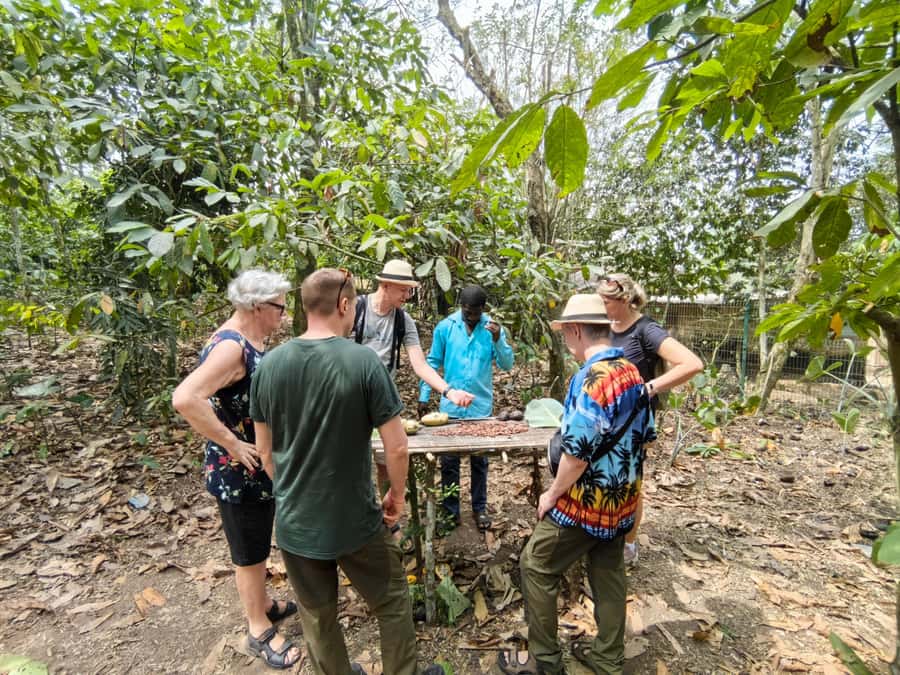
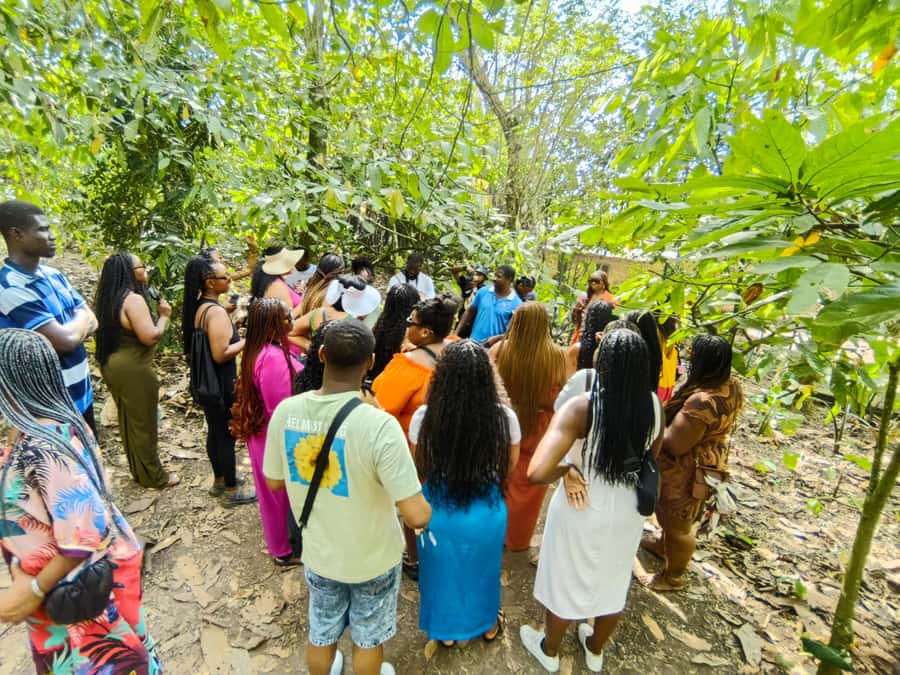
The cocoa farm gives the day its strongest historical and cultural focus. It is linked to Tetteh Quarshie, a Ghanaian blacksmith who brought the first cocoa beans from Fernando Po, now Bioko in Equatorial Guinea, in the late nineteenth century.
That story helps explain why cocoa matters in Ghana. The farm is not only about seeing trees. It connects one crop to the country’s rise as a major cocoa producer and to the economic role cocoa continues to play.
The guided walk explains the process from planting and caring for cocoa trees through harvesting. You also learn what happens after the pods are picked. Fermentation and drying are essential steps, and they have a major effect on the quality of the beans that eventually reach chocolate makers.
This is where the tour becomes especially useful for anyone who eats chocolate but has never thought much about its source. You can see a cocoa pod, crack it open, and taste the fresh beans. The taste is not the same as a chocolate bar, and that contrast is part of the lesson. You get a direct sense of how much work comes between the fruit on the tree and the finished product in a shop.
I like the farm visit because it is hands-on without being complicated. You are not just hearing a farming story from inside a vehicle. You get to handle the pod and see the early stages of cocoa production. That small tasting makes the agricultural process easier to remember.
Allow enough time to listen during this stop. The value comes from the explanation of cultivation, fermentation, and drying, not just from taking a picture beside a cocoa tree. If you are curious about food production, local economies, or Ghana’s past, this may be the most meaningful part of the day.
Cooling off at Asenema Waterfall near Adukrom
The last major stop is Asenema Waterfall, near Adukrom. Reaching it involves a short, easy hike along a forested path. The walk is not presented as a demanding trek, but you should still wear proper walking shoes because the day includes more than paved sightseeing.
At the end of the path, water drops over a rocky cliff into a clear pool. The sound of the cascade and the surrounding greenery provide a welcome change after the drive and walking at the garden and farm. You can take photographs, sit quietly, or dip your feet in the water.
I see the waterfall as the day’s best place to pause. The garden asks you to look closely at plants, and the farm asks you to pay attention to a process. At Asenema, you can simply enjoy the setting for a while. It gives the excursion a calm finish rather than ending with another busy attraction.
The waterfall is also the part most affected by weather and ground conditions. The supplied details describe a short, easy path, but comfortable shoes remain important. Bring a camera, though keep your attention on the walk as well as the final view. A hat and sunscreen help during the open portions of the day, while water is included.
Do not treat the waterfall as a guaranteed swimming session. The experience specifically highlights dipping your feet, taking photos, and relaxing beside the pool. That makes it a refreshing nature stop, not a full water-park outing.
Other cocoa farm days near Accra:
- Boti Falls, Umbrella Rock, Aburi Gardens & Cocoa Farm Day Tour
★ 5.0 · 32 reviews - Escape Accra City to Aburi Gardens and Tetteh Quarshie Cocoa Farms
★ 4.5 · 32 reviews - Boti Falls, Botanic Gardens, Cocoa Fam, Umbrella Rock Experience
★ 5.0 · 20 reviews - Accra Aburi Eco & Cocoa Experience: Gardens Waterfall &Lunch
★ 4.9 · 12 reviews
What the $194 price includes
The price is $194 per person. That is not a bargain-priced local outing, but it includes several costs that can otherwise add up: car transportation, a live English-speaking guide, admission to all destinations, lunch, and water.
The private group format is the biggest factor in judging the price. You are paying for a more personal day rather than a seat on a large shared coach. The value improves if you are traveling with family or friends and want transport, guiding, meals, and entrance fees bundled together.
I would compare the price with what it would cost to arrange these three stops independently. You would need to organize a car, find the sites, pay admission, arrange a guide, and sort out lunch and water. The tour removes that planning work and connects the stops in one six-hour schedule.
Still, price-sensitive visitors should look closely at their priorities. If you mainly want one waterfall or one botanical garden, a shorter outing could be better value. If you want all three stops and prefer a private vehicle with a guide, the package is easier to justify.
Personal expenses are not included. You should keep a little extra money available for anything outside the listed inclusions, but the main costs of the experience are covered.
How much walking and heat to expect
The tour is suitable for people who can manage a moderate amount of walking. The garden is spread across 160 acres, the cocoa farm involves a guided exploration, and Asenema Waterfall requires a forest path. The waterfall walk itself is short and easy, but the day as a whole is active.
Wear comfortable shoes with good support. Sandals may be fine for some parts of the day, but they are not the safest choice for a forested path. A hat and sunscreen are specifically recommended, and the included water is useful in Ghana’s heat.
The program offers a good balance of movement and rest. You walk through the garden, stop to learn about cocoa, and then have time to sit near the waterfall. If you prefer a very relaxed day with little walking, this may feel busier than expected.
Lunch is included, which means you do not need to build a separate meal stop into the schedule. The exact meal details are not provided, so anyone with strict dietary needs should ask before booking rather than assume a particular menu.
Guide quality and the private format
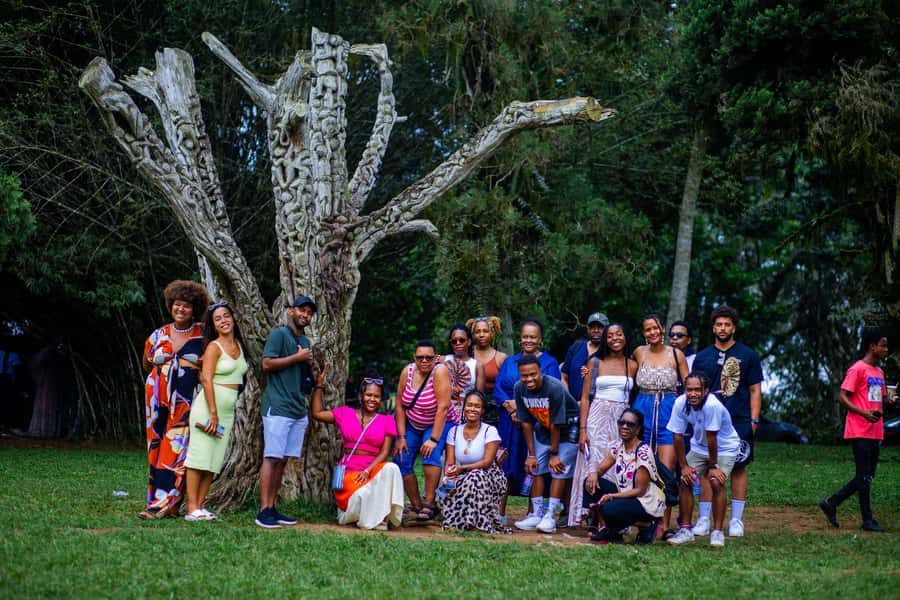
The only written rating supplied for this experience gives it five out of five, with the specific praise that the guide was awesome. No guide’s name is provided, so I cannot point you toward a particular person. The useful takeaway is that guiding is central to the day, especially at the botanical garden and cocoa farm.
An English-speaking live guide accompanies the private group. That gives you someone to explain the plants, place the cocoa farm in context, and lead you along the route to the waterfall. It also means you can ask questions as the day unfolds.
The guide matters most at the cocoa farm. Without an explanation of planting, harvesting, fermentation, and drying, you would miss much of what makes that stop worthwhile. At the garden, the guide can help turn a walk among trees into a clearer introduction to Ghana’s flora.
Because the tour is private, you may have more control over the pace than on a large group excursion. The details do not promise unlimited flexibility, so I would not assume you can redesign the itinerary. But the format should feel more personal than a fixed coach tour.
Who will enjoy this day most
I would recommend this experience to you if you want a mix of nature, food history, and light activity in one outing from Accra. It suits first-time visitors who want to see more than the city but do not want to plan several separate trips.
It is particularly good for:
- People interested in cocoa and how food reaches the market
- Garden lovers and photographers
- Families or friends who prefer a private vehicle
- Visitors who enjoy short walks rather than strenuous hikes
- Anyone looking for a cooler, greener break from Accra
You may want to reconsider it if you dislike walking, have limited time, or want to spend most of the day at one attraction. Three stops in six hours means each place receives a portion of the day. The tour gives you variety, but it does not offer hours of slow exploration at every site.
Bring comfortable shoes, a hat, sunscreen, and a camera. Lunch, water, transportation, guiding, and entry fees are included. Free cancellation is available up to 24 hours before the activity for a full refund, and you can reserve now while paying later, which is useful if your plans are still changing.
Should you book this Accra day trip?

I would book it if you want one organized day that links Ghana’s plant life, cocoa production, and countryside scenery. The cocoa pod tasting is a memorable touch, the Aburi garden adds history and shade, and Asenema Waterfall gives you a peaceful final stop.
The strongest reason to choose it is the combination. You are not spending the entire day on one viewpoint or one museum. You get a garden walk, a working agricultural story, and a short nature hike, all with transport, lunch, water, admission, and a private English-speaking guide included.
At $194 per person, it is best for visitors who value convenience and a private setup. I would skip it only if the price is too high for your budget or if moderate walking and heat would make the schedule uncomfortable. For an active, varied break from Accra, it is a well-rounded choice.
FAQ
How long does the tour last?
The experience lasts six hours.
Where does the tour go?
It travels from Accra to Ghana’s Eastern Region, visiting Aburi Botanical Garden, Tetteh Quarshie Cocoa Farm, and Asenema Waterfall near Adukrom.
Is transportation included?
Yes. Transportation by car is included.
Is lunch included?
Yes. Lunch and water are included in the price.
Is this a private tour?
Yes. It is offered for a private group.
What language does the guide speak?
The live tour guide speaks English.
What should I bring?
Bring comfortable walking shoes, a hat, sunscreen, and a camera. You should expect a moderate amount of walking and a short hike to the waterfall.
More Farms in Accra
- 1 Day cocoa farm tour
★ 4.5 · 11 reviews - Aburi Botanic Gardens, Boti Falls,Umbrella Rock & Cocoa Farm Tour
★ 5.0 · 6 reviews - Visit Aburi Garden, Tetteh Quarshie Cocoa Farm & Waterfall
★ 4.0 · 4 reviews - Ghana Eastern Explorer – Boti Falls, Aburi Gardens & Tetther Quarshie Cocoa Farm
★ 5.0 · 4 reviews
Most recently reviewed around Accra
- Visit Aburi Garden, Tetteh Quarshie Cocoa Farm & Waterfall★ 4.0 · 4 reviews
- Wli Waterfalls, Mount Afadjato & Tafi Atome Monkey Sanctuary★ 5.0 · 2 reviews
- Private 9-Day Tour in Ghana★ 5.0 · 2 reviews
- Cape Coast and Elmina castle Day Trip★ 5.0 · 2 reviews
- Culinary for Social Change-Cooking Class★ 5.0 · 2 reviews
- Time with Nature★ 5.0 · 2 reviews
- Historical Day Tour to Cape Coast, Elmina and Kakum★ 5.0 · 3 reviews
- Private Slave Castles and Dungeons Tour in Cape Coast, Ghana★ 5.0 · 3 reviews
Aburi Botanical Gardens Tours, compared.
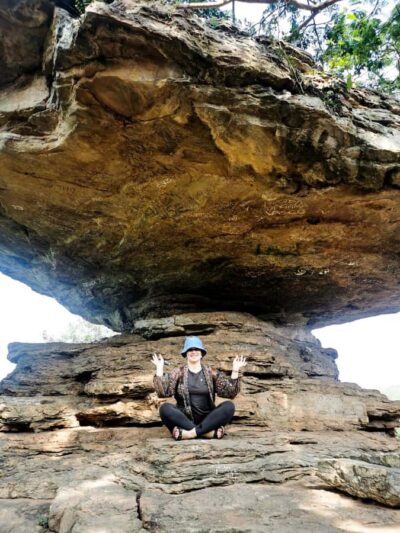
Boti Falls, Umbrella Rock, Aburi Gardens & Cocoa Farm Tour
Read our review →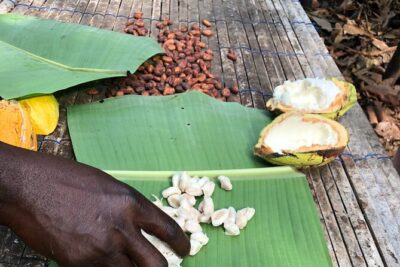
Experience Boti Waterfalls, Aburi Botanical Gardens & Tetteh Quarshie Cocoa Farm
Read our review →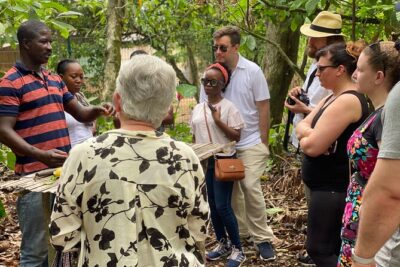
Escape Accra City to Aburi Gardens and Tetteh Quarshie Cocoa Farms
Read our review →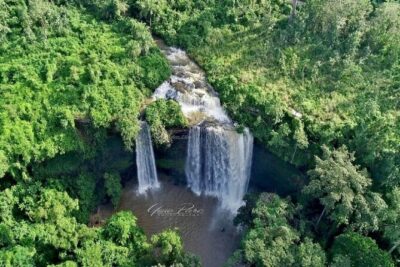
Boti Falls, Umbrella Rock, Aburi Gardens & Cocoa Farm Day Tour
Read our review →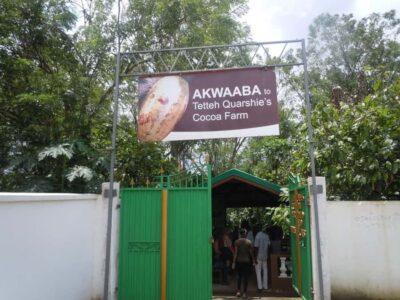
Accra Aburi Eco & Cocoa Experience: Gardens Waterfall &Lunch
Read our review →
Full Day Tour Waterfalls Quad biking and Aburi Botanical Gardens
Read our review →
Aburi, Ghana Private Zipline and Adventure Experience
Read our review →Browse the lists this tour appears in