
Reviewed · MARKET TOURS IN ACCRA
Makola Market Walking Tour
Accra gets real fast at Makola.
This two to three hour walking tour takes you through Ghanaian food stalls, textiles, cosmetics, jewelry, medicines, electronics, and used clothing. I like the way it puts daily life first, and I like having a local guide to find the right market sections, explain unfamiliar goods, and help with prices. The main drawback is simple: Makola can be crowded, noisy, and intense, so this is not a gentle sightseeing stroll.
The tour costs $58 per person and is offered as a private group experience in English. That price makes the most sense if you want context and help shopping, not just a quick look at the stalls. Guides such as Ben, Benjamin, and Prince have been praised for their care, local knowledge, and willingness to spend extra time helping with purchases or finding a replacement item.
In This Review
- Key things to know before you go
- Why Makola Market is worth your time
- Meeting your guide and entering the market
- The food market reveals Ghanaian cooking
- Cosmetics, jewelry, textiles, and everyday shopping
- Artisan and timber areas for a longer walk
- Agblobloshie and Ghana’s vegetable trade
- Broni wawu, the bend-down boutique
- Why a private guide changes the experience
- Is $58 good value?
- Timing, comfort, and practical planning
- Who should book this market walk?
- Final booking advice
- FAQ
- Where does the Makola Market Walking Tour take place?
- How long does the tour last?
- What language is the tour conducted in?
- Is this a private or shared tour?
- What is included in the price?
- Can I shop during the tour?
- Can the tour be canceled for a full refund?
Key things to know before you go
- Food comes first: Learn about gari, palm oils, local spices, giant snails, fish, bush meat, edible cow hide, fruits, and vegetables.
- A guide makes the market easier: Ben and Benjamin have helped guests find specific goods, negotiate prices, and move through sections they would have struggled to locate alone.
- The market keeps changing character: You may move from food to cosmetics, jewelry, textiles, medicine, groceries, electronics, timber, tools, and used clothing within one walk.
- Shopping is part of the experience: You can look for textiles, jewelry, clothing, food, luggage replacements, and other everyday goods, but your guide needs to know what you want.
- The route can extend beyond Makola: With enough time and energy, the walk may reach artisan and timber areas, Agblobloshie vegetable market, and the Broni wawu used-clothing section.
- This is a private English tour: You get a guide for your own group rather than joining a large shared crowd.
Why Makola Market is worth your time
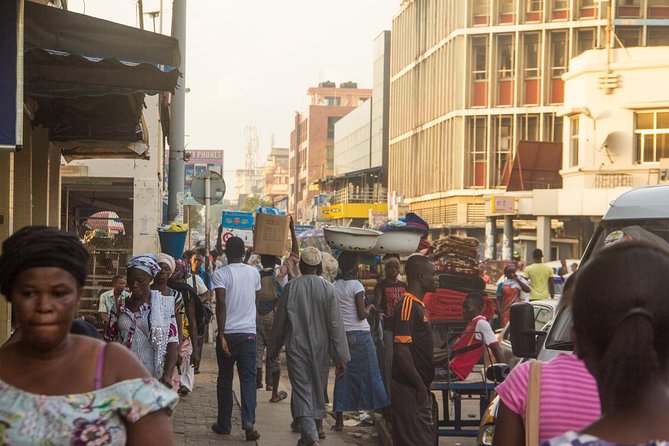
Makola is not a polished attraction with neat displays and signs explaining each room. It is a working market, and that is exactly why it matters. The goods on sale connect directly to Ghanaian cooking, clothing, personal care, construction, medicine, and household life.
I like tours that help you understand how a city functions, rather than simply point at monuments. Here, the sights and sounds do much of the teaching. You see produce being sold beside fabric, cosmetics beside jewelry, and practical building supplies far beyond the first food stalls.
The market also gives you a useful first lesson in Accra. You learn that shopping is often local, social, and highly specific. A guide can save you time by taking you to the section that fits your needs instead of sending you into a maze of stalls.
The tour description places the experience in Ghana’s Central Region, while the meeting and drop-off details point to Accra Metropolitan Assembly and Accra Metropolis. Since the information uses both locations, check your selected pickup point carefully before setting out.
More Market Tours in Accra
- Makola Market Walking Tour
★ 5.0 · 14 reviews - Private Accra Market Tour
★ 5.0 · 10 reviews - Accra Street Food Tour: Makola Market Tour With Full Lunch
★ 4.1 · 9 reviews
Meeting your guide and entering the market
Your tour begins at the pickup or meeting location linked to the option you choose. From there, an experienced local guide leads you on foot into Makola Market and returns you to the meeting area at the end.
The private format matters here. You are not trying to keep up with a large group while vendors call from every side. You can ask why an item is used, where a food comes from, or which market section sells something specific.
The strongest praise has gone to guides who pay attention to comfort as well as information. Flora’s guide, Ben, was described as thoughtful in the busy market, while Lindsay found Prince especially helpful with local facts and navigation. Sofia also described Ben spending extra time helping find a replacement for a broken suitcase.
That kind of practical help is the real value of the tour. You are not only paying for facts. You are paying for someone who knows where to go next.
The food market reveals Ghanaian cooking
The food section is the best place to begin because it gives meaning to much of what you see later. Your guide introduces ingredients used in a typical Ghanaian kitchen and explains products that may be unfamiliar if you usually shop in supermarkets.
You might see:
- Gari made from cassava
- Red and white palm oils
- Local spices
- Fresh fruits and vegetables
- Fish
- Giant snails
- Bush meat
- Edible cow hide
These are not decorative food displays. They are working ingredients, sold for household cooking. The point is not simply to identify each item, but to connect it to the food culture of Ghana.
Sofia particularly enjoyed trying Agneli kaklo and tiger nuts during her market walk. If your guide offers a chance to sample something, ask what it is and how it is normally eaten. Those small moments can tell you more than a long speech about local culture.
The food section may also be the most demanding part of the walk for some people. Strong smells, close stalls, and unfamiliar products are part of the setting. I would choose this tour because of that direct contact, but I would not recommend it to anyone seeking a quiet, carefully controlled food demonstration.
Cosmetics, jewelry, textiles, and everyday shopping
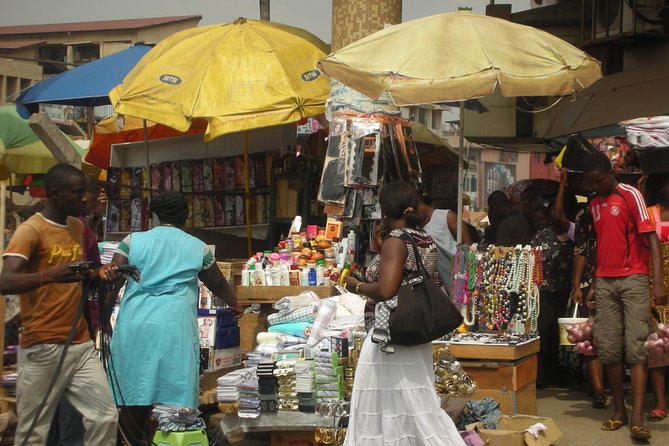
After the food stalls, the market shifts into other forms of daily commerce. You may pass cosmetics, jewelry, textiles, groceries, pharmaceuticals, and electronics. Each section shows a different side of life in Accra.
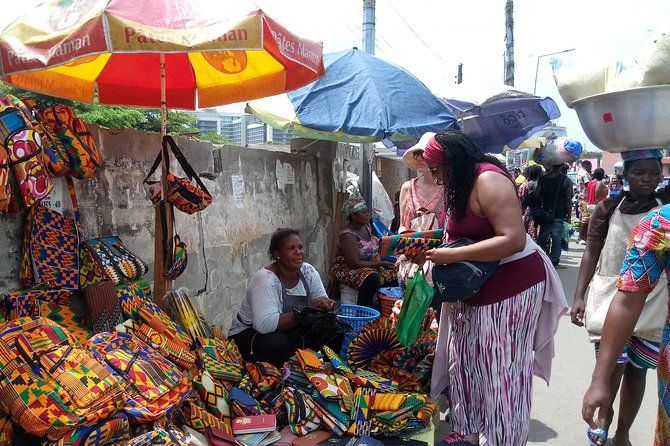
The textile areas are a natural place to slow down. Fabrics bring color and pattern into the market, and you may want to buy something to take home. Your guide can help you locate the right area, though the supplied information does not promise a set shopping list or a fixed number of purchases.
Jewelry offers another chance to browse, while cosmetics and groceries show how broad Makola’s role is. This is not a market built around souvenirs alone. Much of what you see is intended for ordinary use.
The pharmaceutical section deserves a little care and common sense. The tour takes you through the area, but it does not present medical advice or promise a consultation. Treat it as a part of the market’s commercial life, not as a reason to buy medicine without proper guidance.
Electronics and groceries make the same point in a different way. Makola is not one single bazaar with one identity. It is a collection of specialist sections, and the guide helps you understand how those sections fit together.
More Accra outings people pair with this:
- The Cape Coast Day Tour
★ 5.0 · 525 reviews - Experience the Beauty, History and the Culture Of Accra in a Day
★ 5.0 · 323 reviews - The Cape Coast Tour
★ 5.0 · 177 reviews - From Accra: Cape Coast, Elmina Castle & Kakum Park Day Tour
★ 4.6 · 144 reviews
Artisan and timber areas for a longer walk
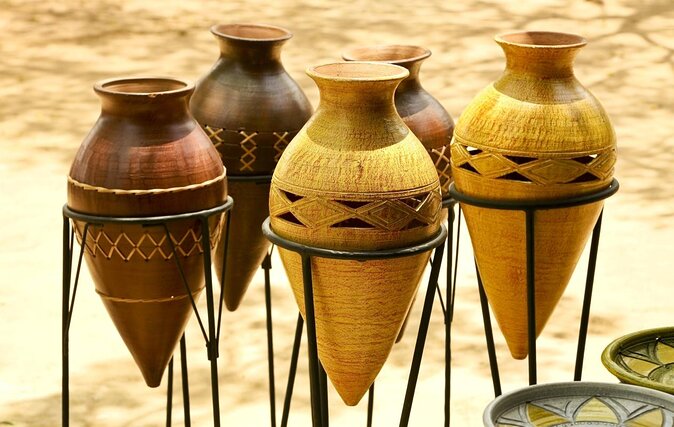
If you still have time and energy, the walk can continue toward artisan and timber areas. These sections are known for skilled workers and building supplies.
This extension may appeal to you if you care about making, construction, tools, or the practical side of the city. The description says these areas are known for anything needed for building, so you might see a very different market from the food and fabric sections.
The tradeoff is time and stamina. The standard market visit is about two hours, while the full experience can run closer to three. If you want to see the farthest sections, tell your guide early. You will get more from the walk if the guide knows whether you prefer food, textiles, shopping, crafts, or building materials.
Agblobloshie and Ghana’s vegetable trade
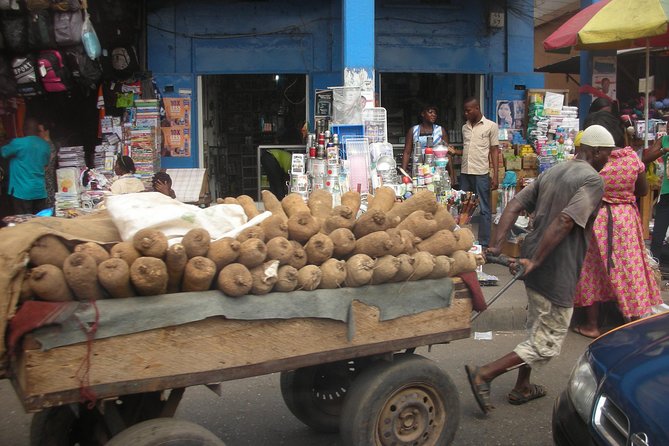
Agblobloshie may also be included when time allows. It is described as Ghana’s largest vegetable market, making it a useful extension for anyone interested in produce and food supply.
This stop broadens the picture. Makola shows many kinds of retail trade, while a large vegetable market puts more attention on fresh food and the movement of produce. It also gives you another reason to avoid treating the tour as a short photo stop.
The exact route depends on your timing and selected option. I would ask the guide at the start how much of the extended route is realistic within your two to three hours.
Broni wawu, the bend-down boutique
The used-clothing section is known as Broni wawu, translated in the tour description as the white man died. It is also called a bend-down boutique because shoppers search through piles or racks of secondhand goods.
You might find used shirts, shoes, underwear, and other clothing. This area gives you a sharp look at the reuse and resale economy, far removed from the tidy displays of a conventional clothing shop.
It can also be a useful place to shop if you are looking for something specific. Still, the description does not promise any particular size, brand, or condition. Go with an open mind, and let your guide direct you to the right line if you have a clear request.
The section is also a good reminder that Makola is a place for local shopping first. You are seeing goods that people buy for real needs, not a stage set arranged for visitors.
Why a private guide changes the experience
A market this large can be difficult to read from the outside. Even if you are comfortable walking in cities, you may not know which lane leads to textiles, electronics, food, or building supplies.
That is where the guide earns the fee. Benjamin helped one person understand the market’s different sections, while Ben helped others find requested items and seek better prices. Prince also combined market navigation with wider Accra context during a full day that included another tour.
Price negotiation is worth discussing carefully. A guide may help you seek a fairer price, but that does not mean every purchase will become a bargain. Your guide can improve your position by explaining where to shop and helping you avoid wandering into the wrong section.
The private format also allows a little flexibility. You can spend more time with food, textiles, or clothing instead of following a fixed group schedule. The tradeoff is that the $58 cost is per person, so the value depends partly on how many people share the private booking.
Is $58 good value?
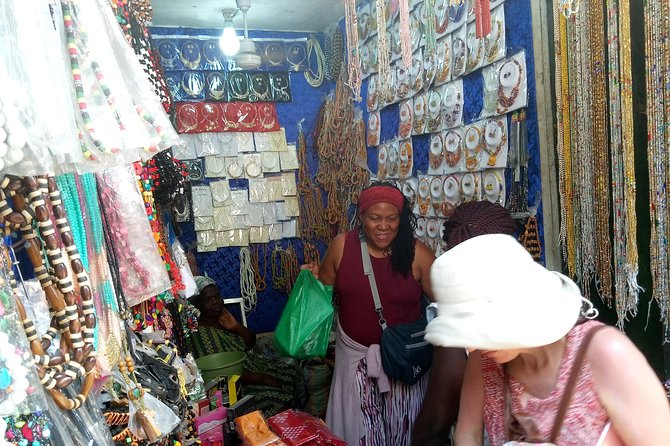
At $58 per person, this is not the cheapest way to look at a market. You are paying more than you would for walking through on your own, but the comparison is not quite fair.
The fee includes water and English guiding by a local expert. More important, you get a private group experience lasting two to three hours, with help navigating a large open market and finding particular goods.
I see good value here if you want to ask questions, shop with guidance, or visit sections beyond the obvious food stalls. It is also useful if you are uneasy about entering a large market without local help.
The value is weaker if you only want a quick photograph or a short look from the edge. You could find the price high if you do not plan to shop, ask questions, or stay for the extended areas.
The best way to improve the value is to arrive with a plan. Tell your guide if you want textiles, food ingredients, jewelry, used clothing, a suitcase replacement, or another item. Sofia’s experience finding a replacement for a broken suitcase shows how useful a clear request can be.
Timing, comfort, and practical planning
The walking portion at Makola is listed as two hours, while the full activity lasts two to three hours. The difference likely depends on the selected option, your pace, and whether you continue to the farther sections.
I would allow the full three hours in your day, especially if you want shopping time. A rushed visit would undercut the best part of the experience, which is the chance to stop and ask about what you are seeing.
Water is included, which is a useful small touch during a walking tour. The activity is conducted in English, so you should be comfortable asking and answering questions in English to get the most from it.
The market can be busy. Flora’s guide was praised for looking after comfort, but the setting itself remains active and crowded. Wear practical clothing and shoes suitable for walking, and keep your shopping list short enough to manage during the tour.
Because pickup depends on the selected option, confirm the starting point. The listed drop-off locations are Accra Metropolis and Accra Metropolitan Assembly.
Who should book this market walk?
I would choose this for a first visit to Accra when I want daily life rather than a formal museum visit. It suits people who enjoy food culture, local shopping, textiles, markets, and conversations with a guide.
It is especially useful for solo visitors or small private groups who want help finding their way. The guide can make the market less confusing and help you direct your limited time.
You will probably enjoy it less if you dislike crowds, strong market smells, bargaining, or walking through working commercial areas. The experience is not arranged as a quiet cultural lecture. It is a moving, practical look at how people buy and sell.
Families and groups should also think about energy levels. The shorter route may be enough for some groups, while others will want the artisan, timber, vegetable, and used-clothing sections.
Final booking advice
Book the Makola Market Walking Tour if you want a real working market, not a polished shopping center. The strongest reasons are the private guide, the broad range of market sections, and the practical help with navigation and purchases.
Ask at the beginning what you most want to see. Ben, Benjamin, and Prince have shown the sort of attentive guiding that can turn a confusing market into a rewarding afternoon.
Skip it if your Accra plans allow only a brief, quiet outing or if you do not want to shop or walk through crowded commercial areas. For the right visitor, though, Makola offers one of the clearest ways to hear, smell, taste, and understand everyday Ghanaian life.
FAQ
Where does the Makola Market Walking Tour take place?
The tour takes place at Makola Market in Accra. The supplied location information also refers to Ghana’s Central Region, while the pickup and drop-off details point to Accra, so check the selected meeting option carefully.
How long does the tour last?
The activity lasts two to three hours. The guided market visit itself is listed as two hours, with extra time possible for farther market sections.
What language is the tour conducted in?
The live tour guide speaks English. English is also the listed tour language.
Is this a private or shared tour?
It is a private group experience. You visit with your own group rather than joining a large shared group.
What is included in the price?
The $58 per person price includes water and guiding services from a local expert.
Can I shop during the tour?
Yes. Shopping is part of the market walk. You may look for food ingredients, textiles, jewelry, clothing, cosmetics, groceries, electronics, and other goods, and your guide can help direct you to the right section.
Can the tour be canceled for a full refund?
Yes. You can cancel up to 24 hours in advance for a full refund. You can also reserve now and pay later, according to the supplied booking terms.
More Shopping Tours in Accra
- Accra Street Food Tour: Osu Night Market Tour Experience
★ 4.7 · 8 reviews - Accra, Ghana Guided Local Market Tour
★ 5.0 · 6 reviews - Cape Coast Tour (Slave market & river site)
★ 5.0 · 4 reviews - Kejetia Market Tour and Traditional Food Cooking Class.
★ 5.0 · 2 reviews
More Walking Tours in Accra
- Walking Tours In Cape Coast And Elmina
★ 5.0 · 9 reviews - Accra Walking Day Tour With Oswald
★ 4.5 · 2 reviews
Most recently reviewed around Accra
- Visit Aburi Garden, Tetteh Quarshie Cocoa Farm & Waterfall★ 4.0 · 4 reviews
- Wli Waterfalls, Mount Afadjato & Tafi Atome Monkey Sanctuary★ 5.0 · 2 reviews
- Private 9-Day Tour in Ghana★ 5.0 · 2 reviews
- Cape Coast and Elmina castle Day Trip★ 5.0 · 2 reviews
- Culinary for Social Change-Cooking Class★ 5.0 · 2 reviews
- Time with Nature★ 5.0 · 2 reviews
- Historical Day Tour to Cape Coast, Elmina and Kakum★ 5.0 · 3 reviews
- Private Slave Castles and Dungeons Tour in Cape Coast, Ghana★ 5.0 · 3 reviews
Market Tours in Accra, compared.

Accra Street Food Tour: Makola Market Tour With Full Lunch
Read our review →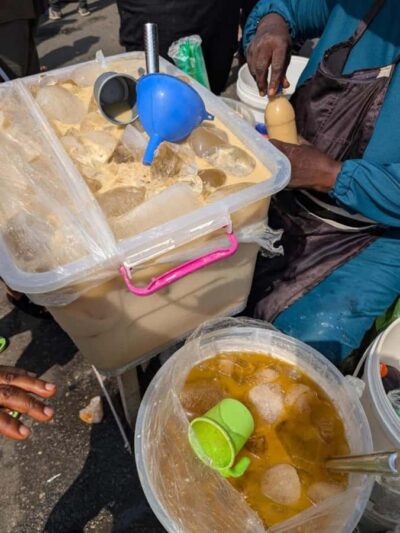
Accra Street Food Tour: Osu Night Market Tour Experience
Read our review →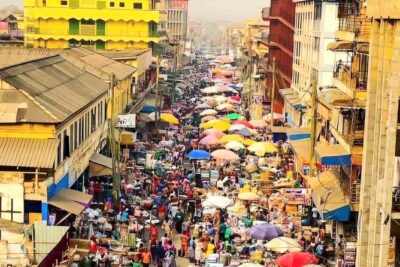
Browse the lists this tour appears in