
Reviewed · CAPE COAST & ELMINA CASTLE TOURS
10 Days Trip to Cape Coast and Elmina Castles from Accra
Ghana’s past is never far away. This 10-day journey brings together Accra’s Ga culture, Ashanti traditions in Kumasi, Elmina’s fishing harbor, the castles of the Central Region, and the forest canopy at Kakum National Park. I like the small group size of no more than 10 people, and I like that a private vehicle and one accompanying cultural guide make the long road journeys easier to manage. The main drawback is the pace: several days combine long drives, formal ceremonies, museums, and evening events, so this is not a restful beach holiday.
The tour also has emotional weight. Visits to Elmina Castle, Assin Manso, and the Slave River Site ask you to face the history of the Atlantic slave trade in a direct and solemn way. At the same time, craft villages, markets, music, food, and traditional ceremonies keep the trip connected to Ghana today.
At $4,695 per person, this is a high-priced organized trip. The cost makes more sense if you value private transport, nine breakfasts and nine dinners, hotel stays, airport transfers, admission tickets, and steady support from a local guide. You will still need to budget for flights, visas, insurance, tips, some meals, and personal purchases.
In This Review
- The five details that shape this Ghana journey
- Arrival in Accra and a gentle first evening
- Accra’s Black Star Square, Jamestown, and Pan-African memory
- Kumasi and the symbols of Ashanti power
- Ahwiaa, Ntonso, Bonwire, and Manhyia Palace
- Elmina’s harbor and the living town around the castle
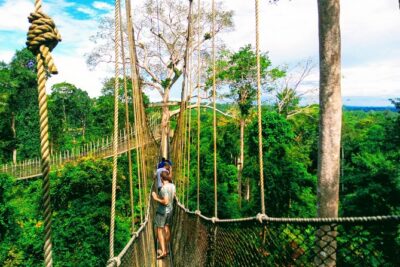
- Kakum National Park and the canopy walkway
- Elmina Castle and a memorial by the sea
- Assin Manso and the Slave River Site
- Emancipation Day, chiefs, drums, and a farewell dinner
- Returning to Accra and making the final hours useful
- What $4,695 buys you
- Guide quality and the small-group advantage
- Who should book this Ghana heritage tour?
- Final verdict
- FAQ
- Where does the tour begin?
- Where does the tour end?
- How long does the tour last?
- What is the tour price?
- How many people can join the tour?
- Is airport transportation included?
- Is transportation private?
- Are meals included?
- Can I choose not to use the Kakum canopy walkway?
- Are PANAFEST and Emancipation Day included?
- What is included at Elmina Castle?
- Can I cancel for a full refund?
The five details that shape this Ghana journey
- Accra begins with Ga culture: Jamestown, its lighthouse, the Brazil House, and the fishing community show a side of the capital that modern office districts cannot explain.
- Kumasi brings Ashanti culture to life: You visit the Prempeh II Jubilee Museum, Manhyia Palace Museum, and craft villages where woodcarving, Adinkra cloth, and Kente weaving remain active traditions.
- Elmina is more than a castle stop: A guided walk through the old township and harbor adds present-day life to the difficult historical visits.
- Kakum offers a choice of effort: You can take the forest-floor walk, look for birds and butterflies, or tackle the 1,000-foot canopy walkway, which reaches more than 150 feet above the ground.
- PANAFEST and Emancipation Day shape the schedule: Festival events, memorials, drums, chiefs, and formal ceremonies can make the trip especially meaningful, but exact programming should be confirmed before you book.
Arrival in Accra and a gentle first evening
Your trip begins at Kotoka International Airport. A representative meets you after immigration, baggage collection, and customs, then takes you to your Accra hotel in a private vehicle.
Dinner is included on the first night. After check-in, your cultural guide gives you a welcome briefing and explains what lies ahead. This is useful because the following days involve several transfers, cultural sites, and emotionally demanding history.
The first evening is deliberately light. Use it to rest, adjust to the climate, and ask practical questions about clothing, health, local customs, and the next morning’s departure. The tour includes bottled water each day, which is a small but helpful touch during road travel.
Other visits to the Cape Coast and Elmina castles:
- The Cape Coast Day Tour
★ 5.0 · 525 reviews - The Cape Coast Tour
★ 5.0 · 177 reviews - From Accra: Cape Coast, Elmina Castle & Kakum Park Day Tour
★ 4.6 · 144 reviews
Accra’s Black Star Square, Jamestown, and Pan-African memory
Day two starts with breakfast and an orientation on Ghanaian history, culture, customs, safety, and health. The first major visit is the W.E.B. Du Bois Centre, honoring the Pan-African thinker who chose to live and work in Ghana.
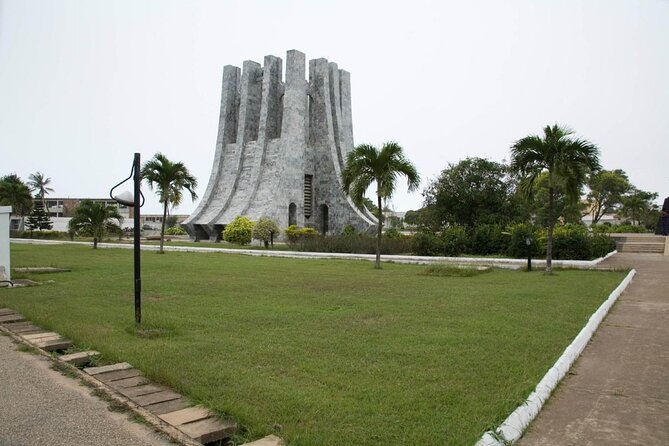
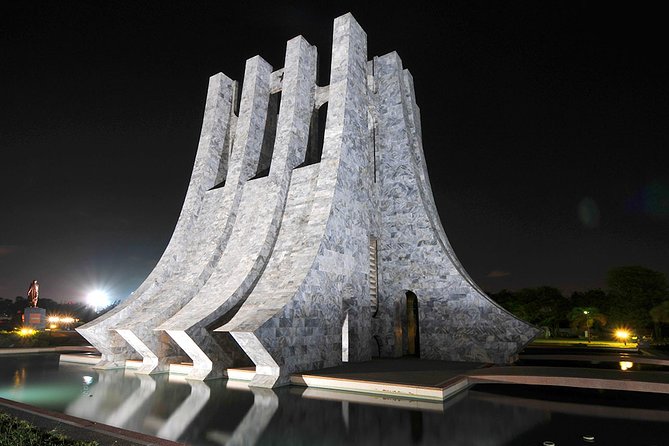
You then visit Independence Square, also called Black Star Square. The enclosed flame of African Liberation, lit by Kwame Nkrumah in 1961, connects the site to Ghana’s role in the African independence movement. The Kwame Nkrumah Memorial Park is another key stop, including the former president’s final resting place.
The day continues into Jamestown, one of Accra’s most interesting communities. Here, the city feels very different from modern Accra. You see a working fishing area, the lighthouse, and the Brazil House, all within a district shaped by coastal trade and changing communities.
I would pay close attention during the guided walk rather than treating Jamestown as a quick photo stop. The value is in the contrast between the old waterfront neighborhood and the newer capital around it. Expect an active, informal environment rather than a polished museum setting.
Kumasi and the symbols of Ashanti power
After breakfast on day three, you check out and drive to Kumasi, the historic center of the Ashanti Empire. The journey takes up much of the day, with arrival expected in the late afternoon.
Your first Kumasi visit is the National Centre for Culture and the Prempeh II Jubilee Museum. The museum is named for a former Asantehene, the title used for the Ashanti ruler. Exhibits help explain royal life and the political structure of the Ashanti people, the largest Akan ethnic group in Ghana.
The cultural center also includes studios for brass makers, potters, and batik artists. This is where the program moves from history in display cases to working craft traditions. You may have time to see objects being made and consider purchases.
A practical note: road days can feel longer than the sightseeing descriptions suggest. You are not simply moving between nearby attractions. The private vehicle helps, but the overall trip still involves substantial time on the road, especially between Accra, Kumasi, and the Central Region.
Ahwiaa, Ntonso, Bonwire, and Manhyia Palace
Day four focuses on Ashanti arts and royal heritage. At Ahwiaa, woodcarvers create royal stools, walking sticks, and fertility dolls. The stop includes time to browse and buy carved objects, so bring patience and a clear idea of what you want to take home.
At Ntonso, artisans hand-stamp patterns onto cotton cloth to produce Adinkra textiles. These symbols carry meanings connected with ideas, values, and social life. The process is hands-on and traditional, which makes this stop more useful than a shop selling finished souvenirs with no explanation.
The itinerary also includes Bonwire, known for handmade Kente cloth. You can watch weavers working on looms and learn how the textile is produced. Kente is one of Ghana’s best-known cultural exports, but seeing its construction gives you a better sense of the time and skill behind each piece.
The day ends with the Manhyia Palace Museum. This adds a royal dimension to the craft visits and helps place Ashanti objects within the wider story of authority, ceremony, and identity.
Shopping is part of the design here, not an accidental add-on. If you buy cloth or carvings, ask your guide about prices, packing, and how to transport your purchases home. The final day includes time for last-minute shopping and collecting custom-made outfits, but it is better not to leave every purchase until the airport transfer day.
More Accra outings people pair with this:
- Experience the Beauty, History and the Culture Of Accra in a Day
★ 5.0 · 323 reviews - Accra Detailed City Tour
★ 4.5 · 118 reviews - Accra Guided City Tour Experience
★ 4.7 · 88 reviews - Accra Guided City Tour Experience
★ 5.0 · 76 reviews
Elmina’s harbor and the living town around the castle
On day five, you complete the Kumasi portion of the trip and travel toward Cape Coast. The drive includes views of colonial buildings, monuments connected with the Ashanti people, and a pass by Kejetia Market, described as one of West Africa’s major marketplaces.
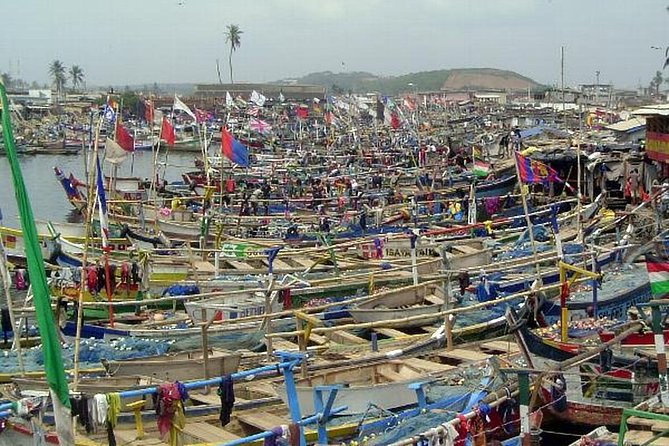
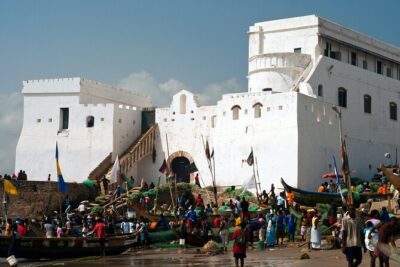
Later, a guided walk takes you through Elmina Township. The harbor is one of the most memorable parts. Colorful fishing canoes prepare for another night at sea, offering a view of Elmina as a working coastal town rather than only a historical site.
This balance matters. The castle visits are powerful, but Elmina is also a place where families work, fish, trade, worship, and go about ordinary life. Seeing both sides gives you a fuller understanding of the town.
The schedule includes PANAFEST activities when they are available. Since festival programs can vary, ask for the confirmed calendar before you pay. The tour is particularly attractive for people who want their visit to coincide with cultural performances and public ceremonies, but the exact event may not be the same on every date.
Kakum National Park and the canopy walkway
Day six gives you a choice. You can stay at the hotel pool or take time near the ocean, or you can visit Kakum National Park.
Kakum is one of Ghana’s most visited parks and one of the country’s remaining tropical forest areas. A forest-floor walk introduces you to birds, butterflies, plant species, and the medicinal uses associated with some of the flora. The park is also home to more than 40 mammal species, including monkeys and the reclusive forest elephant, though sightings are not promised.
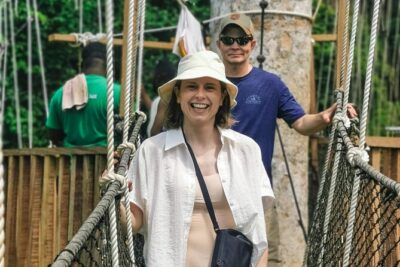
The headline activity is the canopy walkway. It stretches about 1,000 feet across seven bridges, with platforms more than 150 feet above the ground. You get a high view over the forest, but you should be comfortable with height, movement, and a physical challenge before choosing it.
If the walkway does not appeal to you, the 2-kilometer nature walk is the sensible alternative. It lets you focus on plants, birds, butterflies, and forest knowledge without making the day about heights. I like that the itinerary offers both options instead of treating one activity as compulsory.
PANAFEST activities may also take place in the evening. That can make day six long, especially after the forest visit, so use the free hotel option if you need a slower day.
Elmina Castle and a memorial by the sea
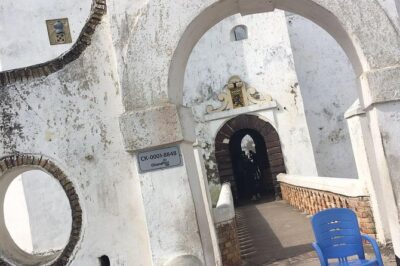
Day seven brings you to Elmina Castle, originally called St. George’s Castle. It was the first European structure built in Sub-Saharan Africa, and its rooms and grounds carry the difficult story of imprisonment, forced transport, and colonial trade.
This is not a light sightseeing stop. You should expect a serious guided visit, with time to process what you are seeing. The castle’s historical importance is precisely why it can be difficult.
After the castle, the group walks toward the beach for a memorial ceremony. Bread is thrown into the water in remembrance of ancestors, and a wreath with a candle is sent out to sea. A moment of silence honors those who died during the Middle Passage.
The ceremony gives the visit a personal and reflective element. It is also a reminder to treat the site with respect. Comfortable shoes, water, and modest clothing are sensible choices for the day.
Assin Manso and the Slave River Site
Day eight takes you to Assin Manso, described as the final transit point for enslaved Africans before they were taken to coastal castles and shipped across the Atlantic.
At the Slave River Site, you learn about the washing of captured Africans before they were confined in the castles. The site also includes the burial place of two formerly enslaved people from the United States and Jamaica, whose remains were re-interred in 1998 during Ghana’s first Emancipation Day celebration.
This visit connects the inland route to the coastal castles. Without it, Elmina can feel like an isolated fortress. Assin Manso helps explain the forced movement of people from inland areas toward the coast.
You should allow yourself quiet time here. The itinerary includes another PANAFEST activity, so the day may shift from solemn remembrance to public cultural programming. That contrast can be striking, but it can also feel emotionally tiring.
Emancipation Day, chiefs, drums, and a farewell dinner
Day nine returns to Assin Manso for the opening of the Emancipation Day celebration. The main event is a Grand Durbar, with traditional chiefs and people from the Central Region.
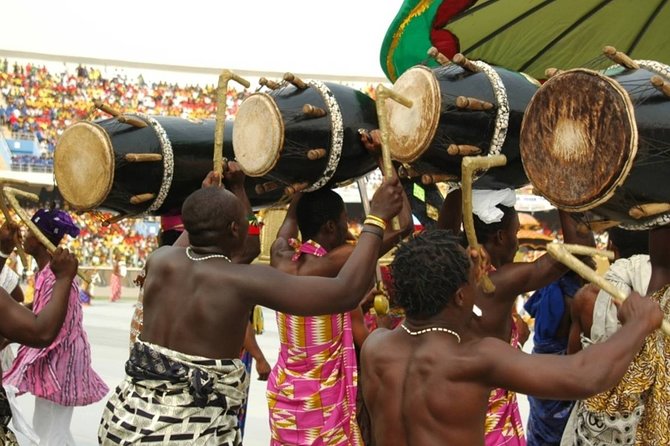
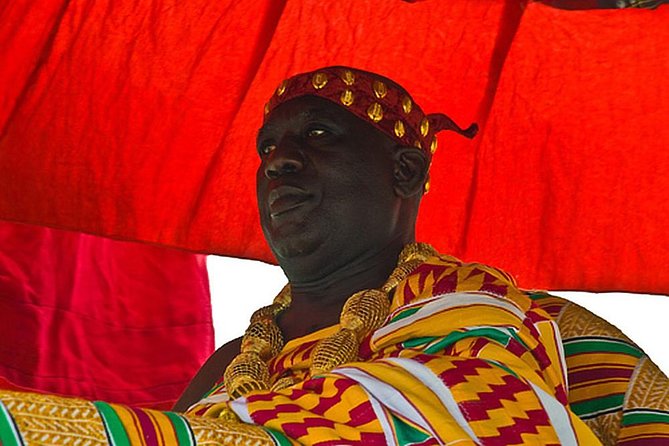
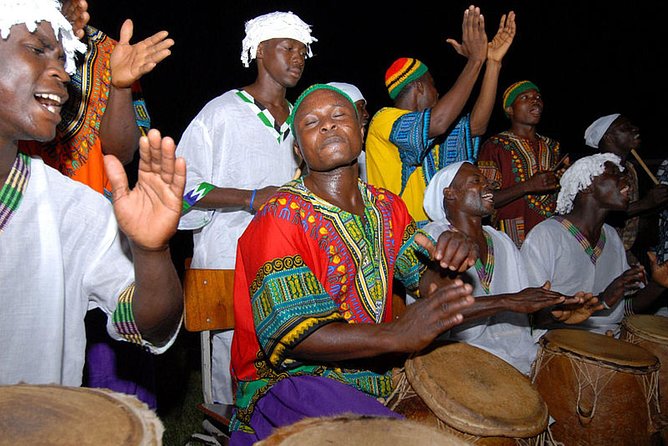
Expect ceremonial clothing, gold jewelry, beads, drumming, dancing, and the sound of fontomfrom drums. This is a public display of traditional authority and culture, not a staged hotel performance. If the date of your trip matches the celebration, it may be one of the most distinctive parts of the program.
The schedule states that the evening ends with a farewell dinner at the hotel. Nine dinners are included in total, along with breakfast each morning. Food is one area where you may want to speak up early. Past tour feedback praised the overall experience but noted that dinners could become repetitive, with spicy dishes and too few cooked vegetables for some preferences.
That does not mean the meals are poor. It means you should tell the guide about dislikes or dietary needs before the first dinner, rather than waiting until the end.
Returning to Accra and making the final hours useful
After breakfast on day ten, you check out and return to Accra, arriving in the early afternoon. Your guide and driver help with last-minute shopping, including the collection of custom-made clothing.
A day-room is provided so you can rest before the airport transfer. This is a valuable feature on an evening flight. Instead of spending the final hours sitting in a lobby with your luggage, you have a place to shower, repack, and recover.
The tour ends back at Kotoka International Airport. Airport assistance is included on arrival and departure, along with round-trip airport and hotel transfers.
What $4,695 buys you
The price is substantial, but it covers more than admission to a few famous sites. You receive hotel accommodation, private transportation, an experienced cultural guide, airport transfers, bottled water, daily breakfast, and nine dinners. Admission tickets listed in the program are included as well.
A group capped at 10 people is another reason the price may work for some readers. You are not joining a large coach group, and a smaller party gives you more room to ask questions or discuss sensitive historical subjects.
Still, the price does not cover international flights, visas, travel insurance, gratuities, unlisted meals, or personal expenses. Craft purchases and custom clothing can also add to the total.
I would compare the cost with arranging a similar route independently. You would need to organize a private car, airport transfers, hotels in more than one city, a guide, entrance fees, and meals. If you want a fixed plan and local support, the package offers real convenience. If you prefer slow travel, independent meals, and fewer scheduled events, it may feel expensive and too tightly arranged.
Guide quality and the small-group advantage
The strongest part of the trip is the human support. Guides named in past itineraries include Kwaku, Elvis, George, Solomon, Joshua, Nee, and Henrietta, with drivers such as Kwame, Joseph, Eric, and Freda also receiving praise for safe and attentive service.
Joshua is especially worth asking about when you book, since several previous groups found him welcoming, flexible, and helpful with unusual requests. Assignments can change, so treat this as a request rather than a guarantee.
A local guide also helps with cultural questions that are difficult to answer from a guidebook. The orientation on customs and health, support during ceremonies, and assistance with shopping all matter more on a long trip than they would on a single city tour.
Who should book this Ghana heritage tour?
I would recommend it if you want a structured introduction to Ghana and have a strong interest in Pan-African history, the Atlantic slave trade, Ashanti culture, traditional craft, and public festivals.
It is also a good match for families and first-time visitors who want private transport and a guide throughout. The group size is small, and the itinerary offers a useful range of museums, towns, forests, markets, ceremonies, and coastlines.
I would hesitate if you want a relaxed holiday with long afternoons at the beach. The driving, early starts, historical sites, and evening PANAFEST events create a demanding schedule. I would also confirm the festival dates, the exact hotel properties, the daily driving times, and meal arrangements before paying the full price.
Final verdict
Book this tour if you want Ghana’s major heritage sites placed in a wider cultural setting. The visit to Elmina Castle is powerful, but the surrounding experiences make the trip stronger: Jamestown shows present-day Accra, Kumasi explains Ashanti identity, the craft villages put tradition in working hands, Kakum adds nature, and Assin Manso connects the inland story to the coast.
Skip it if you prefer to set your own pace or if $4,695 leaves too little room for flights and personal spending. For the right person, this is a serious, well-supported journey with moments of beauty, grief, celebration, and discovery.
FAQ
Where does the tour begin?
The tour begins at Kotoka International Airport in Accra, Ghana.
Where does the tour end?
The tour ends back at Kotoka International Airport in Accra after the return from the Central Region.
How long does the tour last?
The experience lasts approximately 10 days.
What is the tour price?
The listed price is $4,695 per person.
How many people can join the tour?
The group has a maximum of 10 travelers.
Is airport transportation included?
Yes. Meeting and assistance on arrival and departure, plus round-trip airport and hotel transfers, are included.
Is transportation private?
Yes. Transportation is provided in a private vehicle.
Are meals included?
Breakfast is included daily, for a total of nine breakfasts. Nine dinners are also included. Meals not listed are excluded.
Can I choose not to use the Kakum canopy walkway?
Yes. On day six, you can choose the Kakum visit, including a forest walk and canopy walkway, or relax at the hotel pool or near the ocean. The program also describes a 2-kilometer nature walk as an alternative to the canopy walkway.
Are PANAFEST and Emancipation Day included?
The itinerary includes attendance at scheduled PANAFEST activities and the Emancipation Day opening when scheduled. Exact events depend on the program dates.
What is included at Elmina Castle?
The itinerary includes a visit to Elmina Castle, originally known as St. George’s Castle, followed by a beach memorial ceremony.
Can I cancel for a full refund?
Yes. You can cancel at least 24 hours before the experience start time for a full refund. Changes or cancellations made less than 24 hours before the start time are not accepted for a refund.
Most recently reviewed around Accra
- Visit Aburi Garden, Tetteh Quarshie Cocoa Farm & Waterfall★ 4.0 · 4 reviews
- Private 9-Day Tour in Ghana★ 5.0 · 2 reviews
- Wli Waterfalls, Mount Afadjato & Tafi Atome Monkey Sanctuary★ 5.0 · 2 reviews
- Cape Coast and Elmina castle Day Trip★ 5.0 · 2 reviews
- Culinary for Social Change-Cooking Class★ 5.0 · 2 reviews
- Time with Nature★ 5.0 · 2 reviews
- Private Slave Castles and Dungeons Tour in Cape Coast, Ghana★ 5.0 · 3 reviews
- Experience Accra★ 5.0 · 2 reviews
Cape Coast & Elmina Castle Tours, compared.

Cape Coast, Elmina Castle & Kakum Park Day Tour
Read our review →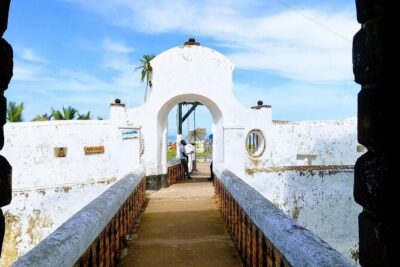
Cape Coast ,Elmina Castle and Kakum Full-Day Tour
Read our review →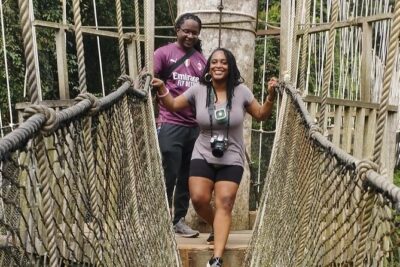
The Homecoming Experience To Cape-coast And Elmina.
Read our review →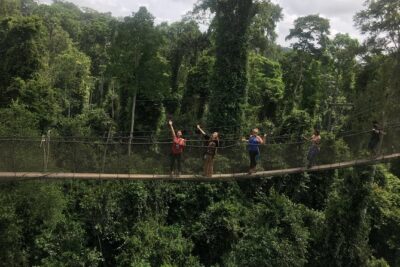
Cape Coast/Elmina Slave Dungeon and Canopy Walkway Private Tour
Read our review →Browse the lists this tour appears in