
Reviewed · CITY TOURS
Accra Guided City Tour Experience
Accra rewards curious eyes. This six-hour city tour links Kwame Nkrumah Memorial Park, Makola Market, Independence Square, the W.E.B. Du Bois Center, the Center for National Culture, and the Ghana National Museum, giving you a clear introduction to Ghana’s past and present. I especially like the mix of formal landmarks and everyday city life, plus the comfort of an air-conditioned vehicle with hotel pickup, bottled water, and WiFi.
The guides are a major strength. Emanuel, Michael, Thompson, Eben, Peter, Fred, and Thomas are among the names praised for clear explanations, good humor, patience, photography, and help at the market. The main drawback is the pace: six stops in six hours can feel packed, and lunch is not included, so you should bring cash and plan for a long morning and afternoon.
In This Review
- Key points before you book
- Why this Accra tour works as an introduction
- Kwame Nkrumah Memorial Park and Ghana’s independence story
- Makola Market, Accra’s practical shopping lesson
- Independence Square and the Black Star Gate
- The W.E.B. Du Bois Center and Pan-African connections
- Center for National Culture and Ghanaian crafts
- Ghana National Museum, the day’s broadest collection
- The guides make the difference
- Transport, timing, and what to bring
- Who should book this Accra city tour?
- Should you book it?
- FAQ
- How long does the Accra Guided City Tour last?
- What time is pickup?
- Is lunch included?
- Which language is the tour offered in?
- Is transportation included?
- Can I cancel or pay later?
Key points before you book
- A useful first look at Accra: You visit major national sites in one organized day instead of piecing them together yourself.
- Makola Market adds real street-level life: Your guide can help with bargaining, purchases, and staying oriented in a crowded shopping district.
- The W.E.B. Du Bois Center adds an international story: It connects Ghana’s independence era with Pan-African thought and African American history.
- Early pickup matters: The stated pickup time is 7:00 AM because Accra traffic can reshape the whole day.
- Comfort is built into the price: Air conditioning, WiFi, bottled water, hotel transfers, and activity costs are included.
- Food planning is your responsibility: Lunch is not included, and the busy schedule may leave little time for an unplanned meal.
Why this Accra tour works as an introduction
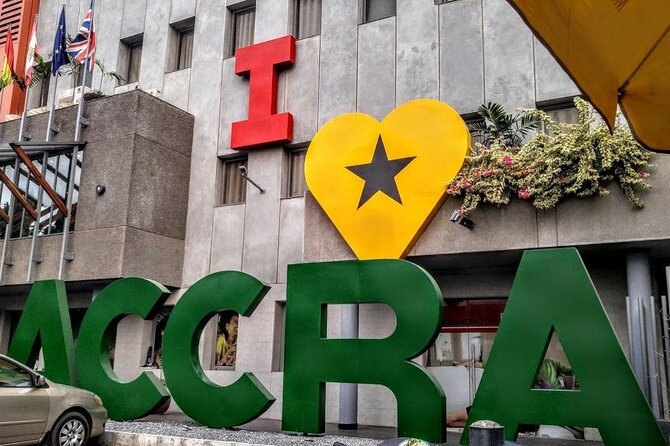
Accra is not a city you understand from one monument or one museum. Its story is spread across memorial grounds, government squares, shopping streets, cultural stalls, and collections that reach back to the pre-colonial period.
This tour puts those pieces together. You begin with Ghana’s independence story, see how national identity is presented in public spaces, visit places linked to Pan-Africanism, and then move into markets and museums. I like that structure because it gives you both the official story and a glimpse of daily commerce.
At $45 per person, the value is strongest if you want transport, admissions, and a guide handled in one package. You would pay less by arranging individual visits yourself, but you would also need to manage Accra’s traffic, directions, timing, entrance fees, and market navigation. The guide’s local connections and practical help can make the difference.
The tour returns to Accra and includes hotel pickup and drop-off. Pickup times may shift because of traffic, road conditions, weather, and the location of your hotel. Treat 7:00 AM as the working target, not a guarantee that every pickup will happen at exactly the same minute.
More Accra outings people pair with this:
- The Cape Coast Day Tour
★ 5.0 · 525 reviews - Experience the Beauty, History and the Culture Of Accra in a Day
★ 5.0 · 323 reviews - The Cape Coast Tour
★ 5.0 · 177 reviews
Kwame Nkrumah Memorial Park and Ghana’s independence story
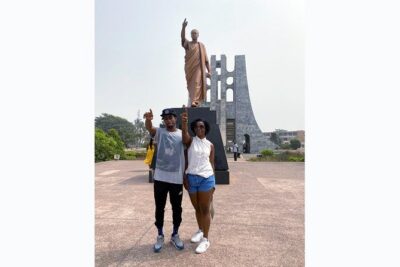
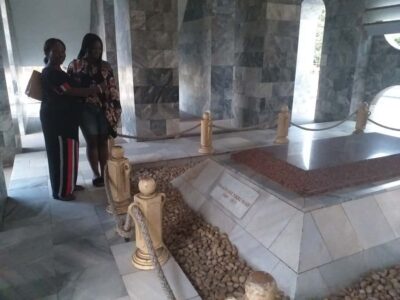
The first major stop is the Kwame Nkrumah Memorial Park, dedicated to Dr. Kwame Nkrumah, Ghana’s first president. You see his mausoleum, museum, gardens, and bronze statue, while your guide explains his role in the independence movement and the country’s early political direction.
This is an important opening stop because it gives the rest of the day a frame. Ghana became independent in 1957, and Nkrumah’s leadership is central to understanding how that moment is remembered. The grounds also offer a calmer setting than the city streets, with space to look around rather than simply snap a photo and move on.
Expect history delivered through both the site itself and spoken explanation. Guides such as Michael, Thompson, and Fred have been praised for making the material accessible, answering questions, and adding smaller details beyond the basic dates.
Allow yourself time to look at the museum material carefully. The full schedule is tight, so you may not get the leisurely museum visit you would have on a stand-alone outing. Still, for a first visit to Accra, this stop earns its place.
Makola Market, Accra’s practical shopping lesson
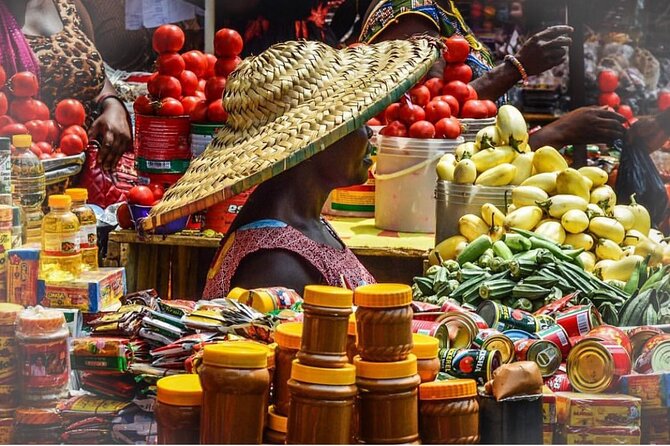
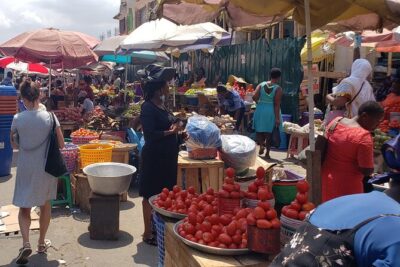
Makola Market changes the tone of the day. Instead of a quiet memorial or formal museum, you enter one of Accra’s main commercial areas, where you can look for textiles, clothes, food, electronics, and other goods.
This is where a guide is especially useful. Michael and Peter are praised for helping with purchases and bargaining, while Eben is noted for taking care of visitors in the busy market. You should still decide your budget before shopping, keep your belongings secure, and ask about prices before agreeing to buy.
Makola is not a polished attraction, and that is its value. It gives you a direct look at how people shop and sell in the capital. You may find the movement, noise, and close quarters tiring, especially after several museum stops, but you will see a side of Accra that a monument-only tour cannot provide.
Bring Ghanaian cedi or other suitable cash for purchases. The tour information specifically advises carrying cash at the attractions. Do not count on the market stop as a simple browsing visit if you want to buy items, since negotiating and choosing goods can use up the available time.
A practical point: wear comfortable shoes and light clothing. You will be moving between the vehicle and a crowded shopping area, and the contrast between the air-conditioned bus and the heat outside can be noticeable.
Independence Square and the Black Star Gate
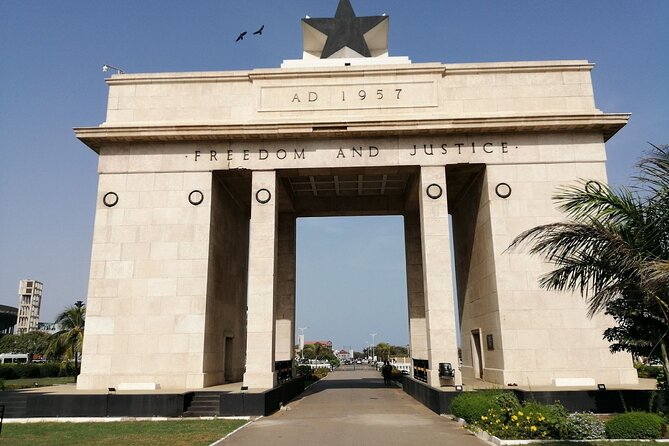
Independence Square, also called Black Star Square, is one of Accra’s defining public spaces. The Black Star Gate and Independence Arch mark Ghana’s freedom, and the site gives you a strong visual reminder of the country’s 1957 independence.
The square also looks toward the Atlantic Ocean, adding a broad coastal setting to the formal architecture. Your guide can connect the symbols and ceremonies here with the story introduced at the Nkrumah memorial.
This stop is more about scale, national symbols, and photography than a long indoor visit. You will want to hear the explanation, take in the monuments, and give yourself a moment to understand why this open space matters to Ghanaian public life.
It can feel brief compared with a museum. That is not necessarily a flaw. After the detailed exhibits at other stops, a large outdoor site gives you a visual pause. Just remember that the heat and sun can be strong, so bottled water, a hat, and sun protection are sensible.
More City Tours in Accra:
- Accra Detailed City Tour
★ 4.5 · 118 reviews - Accra Guided City Tour Experience
★ 5.0 · 76 reviews - Know Ghana in 4 hrs – Accra City Tour
★ 4.5 · 47 reviews - Accra: Guided City Tour with Lunch
★ 4.5 · 40 reviews
The W.E.B. Du Bois Center and Pan-African connections
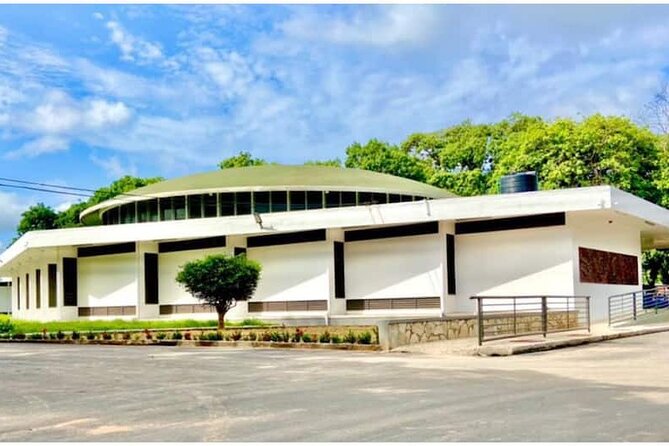
The W.E.B. Du Bois Center is one of the most distinctive stops on the route. It explores the life of W.E.B. Du Bois, the American scholar and Pan-African thinker, and includes his mausoleum and a museum about his work and ideas.
This visit adds a wider African and African American dimension to the tour. You learn about Du Bois’s connection to Ghana, his work for African unity, and the way Nkrumah honored him by giving him Ghanaian nationality. That connection is easy to miss if you only visit the country’s independence monuments.
The center is a good place to ask questions. The subject covers identity, politics, scholarship, and the relationship between Africa and its diaspora. A careful guide can help you connect those themes to the national story you have already heard.
Some stops are guided by staff or site specialists in addition to your main tour guide. That can add useful detail, though it also means the style and length of explanations may vary during the day. If you have a particular interest in Du Bois or Pan-Africanism, say so early and use the visit to ask focused questions.
Center for National Culture and Ghanaian crafts
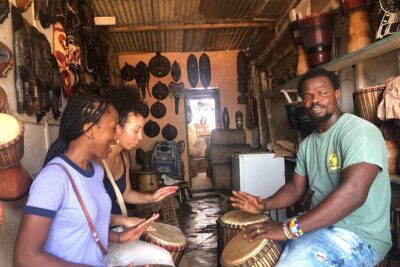
At the Center for National Culture, you can browse Ghanaian arts and crafts, including sculptures and textiles. The site also offers the chance to see cultural performances that present elements of Ghana’s heritage.
This stop works well after the political and historical locations because it shifts attention to creative traditions and objects you can take home. Textiles and handmade pieces can make better souvenirs than generic airport purchases, but you should compare prices and check how items can be packed for your journey.
The cultural marketplace is also another place where having cash matters. Your guide may help you understand prices or communicate with sellers, but shopping remains optional. You do not need to buy anything to benefit from seeing the range of materials and designs.
Performance schedules can affect exactly what you see. The information confirms that performances may be available, but it does not promise one at every departure. Think of them as a possible bonus rather than the main reason to book the tour.
Ghana National Museum, the day’s broadest collection
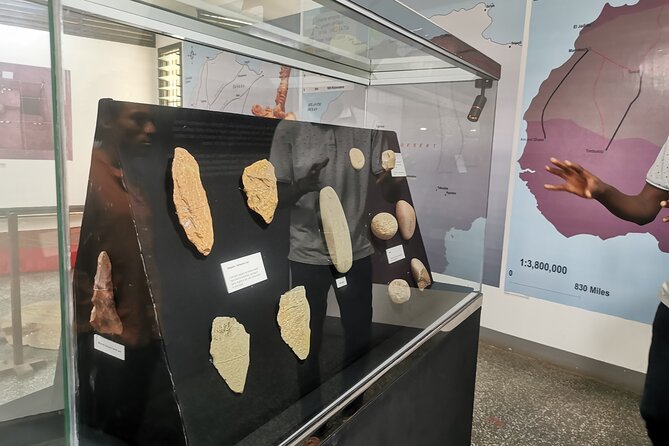
The Ghana National Museum is listed as the final stop and is the country’s largest museum. Its collections cover cultural history, art, and archaeological objects reaching back to pre-colonial times.
Ending here gives you a wider frame after the day’s focus on Nkrumah, independence, Du Bois, and modern Accra. Instead of one person or one political era, you get a broader look at the people, objects, and traditions that shaped Ghana.
The museum is a useful place to consolidate what you have learned. You may recognize themes from the earlier stops, including political change, cultural identity, and the long history behind modern Ghana.
Because this is the last scheduled attraction, fatigue can affect how much you take in. If museums are your priority, pay attention to the time at each earlier stop and save some energy for this one. The tour covers a lot, but it is not designed as a slow, specialist museum day.
The guides make the difference
The strongest feature of this experience is the human side. The guide assigned to you can shape the day more than any individual monument.
Emanuel is praised for being pleasant, organized, and detailed. Michael is repeatedly noted for humor, market assistance, photography, and a friendly manner. Thompson receives praise for punctuality, careful timing, photos, and passionate explanations. Eben is noted for his local connections, professionalism, energy, and attentive support at Makola Market.
Other guide names include Thomas, Fred, Peter, Godfred, Moses, Derrick, George, and Kwaku Nyame Michael. The common qualities are clear explanations, patience, warmth, and a willingness to answer questions. One guide even helped a guest practice Twi during the return journey, which shows how the experience can go beyond a standard list of facts.
You cannot usually guarantee a particular guide, so book for the overall service rather than one individual. If you have special interests, such as Ghanaian politics, Pan-Africanism, shopping, photography, or language, mention them when arranging the tour.
Photography is another recurring strength. Several guides have taken photos for guests, allowing them to focus on the visit rather than managing a phone at every stop. This is a pleasant extra, but bring your own device and do not assume professional photography is included.
Transport, timing, and what to bring
The air-conditioned vehicle is more than a comfort detail. Accra can be hot, and traffic can make the time between stops long. WiFi is available on board, so you can share parts of the day in real time, though you should not let your phone distract you from the places you came to see.
The tour lasts six hours and starts and ends in Accra. Hotel pickup and drop-off are included, along with bottled water, the guide, transport, WiFi, and activity costs listed in the schedule.
Lunch is not included. This is the main practical weakness in an otherwise tidy package. Some departures may leave you wanting a food stop around midday, but you should not assume one is built into the program. Eat before pickup if you can, carry water, and ask about the day’s rhythm at the start.
Pack:
- Cash for Makola Market and cultural purchases
- Comfortable shoes
- Sun protection
- A phone or camera
- Space in your bag for textiles or crafts
- Questions about the places that interest you most
Alcohol, drugs, and explosive substances are not allowed. You must not touch museum exhibits. The activity is not suitable for pregnant women, people with back problems, or people over 95.
Free cancellation is available up to 24 hours before departure, and you can reserve now and pay later. Those terms are useful if your Accra schedule is still changing, but check the departure details before you commit.
Who should book this Accra city tour?
I would choose this tour for a first visit, a short stay, or a final full day before leaving Ghana. It covers the essential national landmarks and adds two stops, Makola Market and the Center for National Culture, where you see daily commerce and local creative work.
It is also a good match for solo visitors. The organized transport makes the day easier, and the shared setting can be a friendly way to meet other people. The tour suits history-minded visitors, shoppers who want help at the market, and anyone who prefers a guide to explain the meaning behind each place.
I would be more cautious if you dislike schedules or want long, quiet visits at museums. Six attractions in six hours is ambitious. You will gain range, context, and convenience, but you will not examine every exhibit at length.
At $45, the package is good value when you factor in transfers, air conditioning, entry costs, WiFi, and a dedicated English-speaking guide. The strongest value comes from the guide’s help with traffic, timing, museum context, and Makola Market. The price feels less attractive if you plan to skip the museums or prefer to explore at your own slow pace.
Should you book it?
Book this tour if you want Accra’s main historical and cultural stops explained in one well-managed day. The combination of Nkrumah’s memorial, Independence Square, Du Bois’s center, Makola Market, the national arts center, and the National Museum gives you a useful foundation.
Prepare for an early start, traffic, heat outside the vehicle, and a full schedule. Bring cash, do not rely on lunch being provided, and tell your guide what interests you most. If you want an efficient introduction with strong personal guiding, this is an easy choice. If you want a relaxed museum crawl, plan separate visits instead.
FAQ
How long does the Accra Guided City Tour last?
The tour duration is six hours. It begins and ends in Accra, with hotel pickup and drop-off included.
What time is pickup?
The stated pickup time is 7:00 AM. The exact time may change because of traffic, road conditions, weather, and your pickup location.
Is lunch included?
No. Lunch is not included in the price, so you should eat before pickup and carry cash in case food is available during the day.
Which language is the tour offered in?
The live tour guide speaks English.
Is transportation included?
Yes. The experience includes hotel pickup and drop-off in an air-conditioned vehicle, bottled water, and WiFi on board.
Can I cancel or pay later?
You can cancel up to 24 hours in advance for a full refund. You can also reserve your place and pay later.
Most recently reviewed around Accra
- Visit Aburi Garden, Tetteh Quarshie Cocoa Farm & Waterfall★ 4.0 · 4 reviews
- Private 9-Day Tour in Ghana★ 5.0 · 2 reviews
- Wli Waterfalls, Mount Afadjato & Tafi Atome Monkey Sanctuary★ 5.0 · 2 reviews
- Cape Coast and Elmina castle Day Trip★ 5.0 · 2 reviews
- Culinary for Social Change-Cooking Class★ 5.0 · 2 reviews
- Time with Nature★ 5.0 · 2 reviews
- Private Slave Castles and Dungeons Tour in Cape Coast, Ghana★ 5.0 · 3 reviews
- Experience Accra★ 5.0 · 2 reviews
City Tours, compared.
Escape Accra City to Aburi Gardens and Tetteh Quarshie Cocoa Farms
Read our review →
Browse the lists this tour appears in