
Reviewed · MOLE NATIONAL PARK TOURS
3 Days Grassroots Safari To Mole
Northern Ghana rewards patience. This private three-day trip from Tamale combines wildlife, village life, and old architecture in a way that feels more complete than a quick park visit. I especially like the mix of walking, Jeep, and canoe safaris, plus the chance to meet people in Sognaayilli and Mognori rather than spending every hour in a vehicle.
I also like the practical setup: airport pickup, an air-conditioned vehicle, local guides, park fees, accommodation, and return transport are included. The main consideration is the long road time and the basic nature of Mole Motel. Food and drinks are listed as extra, even though meals appear in the daily schedule, so I would confirm exactly what is covered before paying.
In This Review
- The best parts of the experience
- Why this three-day Mole trip works
- Day 1: Sognaayilli culture before the park
- Mole Motel: basic rooms and a superb view
- Day 2: the main safari day
- Mognori adds more than a quick photo stop
- Day 3: Larabanga Mosque and the road back
- Guides and the value of a private vehicle
- Wildlife expectations at Mole National Park
- Who should book this experience?
- Is the three-day Mole safari worth it?
- FAQ
- Where does the tour begin?
- How long does the experience last?
- How much does the tour cost?
- Is this a private tour?
- What wildlife might I see?
- Are meals included?
- Is accommodation included?
- What is the cancellation policy?
The best parts of the experience
- Elephants in their natural setting: Mole offers close wildlife encounters, with elephants, baboons, warthogs, buffaloes, antelopes, and many bird species possible.
- Three ways to explore the park: Early walks, Jeep safaris, and a canoe trip give you very different views of the area.
- Sognaayilli and Mognori culture: Village visits add real human context to the wildlife portion of the trip.
- Flexible private guiding: Guides such as Isaac, Emmanuel, and David have been praised for adjusting the pace and activities to suit each group.
- Mole Motel’s famous view: The accommodation is basic, but its outlook over the park is one of the trip’s memorable features.
- Larabanga Mosque on the return: The 1421 mosque gives the journey back to Tamale a worthwhile final stop.
Why this three-day Mole trip works
Mole National Park is one of Ghana’s best places for a first safari, especially if you are already in Tamale or planning to visit northern Ghana. This tour does not treat the park as a single drive-through attraction. You get several chances to look for animals, along with time for cultural visits and a quiet afternoon at the motel.
That variety matters. A walking safari feels alert and personal. A Jeep ride covers more ground and gives you a better chance of finding larger animals. The canoe trip near Mognori changes the pace again, letting you observe the surroundings from the water.
The private format is another major advantage. The price is $750.36 for a group of up to two people, rather than per person. For two people, that works out to about $375 each before any food or drinks not included in the package. That is not a budget excursion, but it covers a private guide, driver, air-conditioned transport, accommodation, park charges, and several activities across three days.
For a solo visitor, the value is less favorable because the group price is not divided between two people. Still, solo guests have found the arrangement safe and easy to adjust, particularly with guides who help coordinate airport transfers and daily plans.
Other Mole National Park trips:
- 4 Days Safari to Mole park and Wechiau Hippos
★ 5.0 · 19 reviews - Day Tour To Mole
★ 5.0 · 8 reviews - 3 Days Sunrise Elephant Safari-Mole Park with -Round Trip Flight
★ 5.0 · 6 reviews
Day 1: Sognaayilli culture before the park
The trip begins with airport pickup in Tamale. That is useful if you are arriving for a short stay and do not want to sort out a separate transfer to Mole. You then travel to Sognaayilli, where the focus shifts from transport to northern Ghanaian life.
The village visit is intended to show how local people live and work. You can meet residents, learn about everyday customs, and see traditional activities. This gives the safari a wider purpose. You are not simply arriving in a park to collect animal sightings. You are also getting an introduction to the region and its people.
After the morning visit, lunch is scheduled at the Wooden restaurant. You then have time for the leather and local markets before leaving for Mole National Park. These stops are a good fit for anyone who wants to bring home something connected to the area, though souvenir photos and purchases are not included.
The road from Sognaayilli to Mole takes about two and a half hours. In practical terms, Day 1 is a travel day with cultural stops, so you should not expect a full day of wildlife viewing. The air-conditioned vehicle helps, especially after airport arrival and market visits, but the distance still takes time.
Once you reach the park, you have time to freshen up at Mole Motel before dinner at 7 p.m. The evening then continues at Mognori eco-village, where local music and dance form the main event. This is a pleasant change from the daytime drive, and it gives you a chance to see culture presented in a community setting rather than only through a museum display.
You return to Mole Motel afterward. The schedule is active, but the evening program is not a safari, so it gives your first day a useful balance.
Mole Motel: basic rooms and a superb view
Accommodation is included, but the property should be approached as practical park lodging rather than a luxury hotel. The strongest feature is the view over Mole National Park. From the motel grounds, you may see animals moving through the area, and the setting can feel calm, especially at night.
A swimming pool is available, which is a welcome bonus after a hot drive or walking safari. Several people have also enjoyed the peaceful atmosphere and the sight of animals around the grounds.
The tradeoff is that the motel is basic and food can be expensive. The package lists food and drinks as not included, while the schedule describes lunch and dinner stops. That wording deserves clarification before departure. Ask whether the listed meals are part of the tour price, paid directly, or simply planned stops where you choose what to order.
This is also a place where expectations matter. Mole is a wildlife park, not a zoo. You may see elephants close to the motel, but sightings cannot be guaranteed every time. The thrill comes partly from being in a natural setting, where the animals decide the schedule.
Day 2: the main safari day
Day 2 carries most of the wildlife action. You begin early with walks and drives through Mole National Park. Early hours are important because animals are often more active before the heat of the day, and the cooler conditions make walking more comfortable.
Possible sightings include baboons, buffaloes, elephants, warthogs, antelopes, monkeys, and many bird species. One especially memorable account describes seeing 11 elephants in a single day. Another recalls elephants only a few meters away, along with a cobra. These moments explain why the trip uses both foot and vehicle safaris.
A walking safari asks more of you than a Jeep ride. You need to pay attention to tracks, sounds, movement, and the guide’s instructions. The reward is a closer sense of the bush, even when the animals are not immediately visible. The Jeep safari is easier on the legs and better for covering distance, but it can feel less intimate.
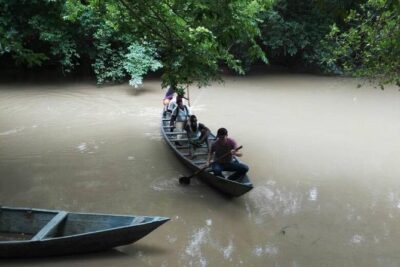
Breakfast follows the early outing. Later, you return to Mognori for a guided village walk and canoe safari. The village walk gives you more time with the community than the first evening performance, while the canoe trip offers a quieter way to see the area.
The canoe activity lasts about two hours and has no separate admission charge. It is not a substitute for the park drive, but that is exactly its value. You are seeing a different environment and changing the rhythm of the day.
You return to the motel around 1 p.m. for lunch and time at the pool. This pause is well placed. Without it, the early walk, village visit, canoe ride, and afternoon drive would make for a tiring day.
At about 3:15 p.m., you set out for the Jeep safari. The late afternoon is a good time to look again because you have another chance to find elephants and other animals missed earlier. The trip ends with sunset from the Mole Motel viewpoint, followed by dinner at 7 p.m.
This is the fullest day, but it is also the day when flexibility matters most. Emmanuel has been praised for adjusting the schedule, including allowing extra safari time when a group wanted more. Isaac has also been singled out for answering questions and keeping the trip relaxed. If you want more time in the park and less downtime, say so early.
Other trips running out of Tamale:
- 5 Days Adventurous Wildlife Safari
★ 4.5 · 49 reviews - 3 Days Elephants Safari at Mole Park with Round – trip flights
★ 5.0 · 3 reviews - 3 Days Elephant Safari at Mole Park with round trip flights
★ 4.5 · 3 reviews
Mognori adds more than a quick photo stop
Mognori is important because it gives the trip a community-based element. The planned activities include music and dance, a guided village walk, and a canoe safari. Together, they make the visit more than a brief stop for photographs.
The cultural side also helps you understand the region around Mole. You see how the park connects with nearby communities and how local activities form part of the visitor experience. The approach is simple and direct, which many people prefer to polished entertainment aimed only at tourists.
The two visits are also paced differently. On the first evening, you mainly watch the dance and music. On Day 2, you walk through the village and spend time on the water. That repetition is useful rather than wasteful because you experience Mognori at different times and through different activities.
Day 3: Larabanga Mosque and the road back
The final morning is slower. Breakfast comes later while you pack for departure. That is a sensible finish after an early start on Day 2, though it means there is not a final morning safari listed.
On the way back to Tamale, you stop at Larabanga Mosque. Built in 1421, it is described as the oldest mosque in West Africa. The visit lasts about 30 minutes, so it is a short but meaningful addition to the return journey.
The mosque gives the final day some historical weight. After two days focused on animals and community life, the stop points toward the long religious and architectural story of northern Ghana. You then continue to Tamale for lunch at the Wooden restaurant before airport drop-off.
If your departure flight is early, confirm the timing carefully. The schedule includes lunch in Tamale before the airport, but the exact transfer time depends on your flight. The company includes hotel drop-off and airport transport, which makes the final day easier to manage.
Guides and the value of a private vehicle
The guides are one of the strongest reasons to consider this tour. Isaac has been praised for handling everything from airport pickup to arranging water and helping with an extra overnight hostel stay when needed. Emmanuel is noted for being informative, helpful, and flexible. David has also received praise for local insight and for creating a good balance between safari, culture, and rest.
Those names matter because a safari guide affects the whole experience. A good guide helps you understand animal behavior, keeps the day moving, and notices when you need a slower pace. The company also uses park guides for walking and Jeep activities, along with a professional driver.
The private arrangement means only your group participates. You can ask questions without competing with a busload of people, and you have a better chance of adjusting the schedule. Families have used the service successfully, and one group of eight arranged an extra stop in advance.
The air-conditioned vehicle is another practical plus. Northern Ghana can make road travel tiring, so a comfortable vehicle matters on the Tamale to Mole route and on the return journey.
Wildlife expectations at Mole National Park
Mole offers a genuine chance to see large animals in open surroundings. Elephants are the main attraction, but baboons, buffaloes, warthogs, antelopes, monkeys, and birds add variety. You might also see less predictable wildlife, such as a cobra.
Do not book this trip expecting a guaranteed checklist. One day may bring several elephants, while another may offer better bird sightings or smaller animals. The natural setting is the point, and the guides can improve your odds by choosing the best time and route.
The combination of walking and vehicle safaris is especially useful. On foot, you experience the sounds and signs of the park more directly. In the Jeep, you can travel farther and observe from a safer distance when needed. The canoe safari gives you one more way to see the area without repeating the same activity.
For wildlife lovers, the three-day length is sensible. A single drive could feel rushed and unlucky if sightings are limited. Three days provide multiple attempts, while the cultural visits prevent the trip from depending entirely on animal encounters.
Who should book this experience?
I would recommend this tour to anyone who wants a first safari in Ghana without planning every transfer and activity independently. It works particularly well for visitors arriving in Tamale, people with limited time, families, couples, and solo guests who prefer private support.
You should also like variety. This is not a pure wildlife trip. You will visit cultural sites, markets, a village, a mosque, and a pool, as well as take part in three types of safari activity.
The tour may be less suitable if you want luxury accommodation, a slow schedule, or complete control over meals. Mole Motel is basic, and the route includes several hours on the road. The price also makes more sense for two people sharing the group rate than for one person traveling alone.
Book as far ahead as possible if your dates are fixed. The experience is commonly reserved about 80 days before departure, which suggests that last-minute availability may be limited.
Cancellation is free up to 24 hours before the start time for a full refund. Cancellations or changes within 24 hours are not refundable, and poor weather can lead to a new date or full refund.
Is the three-day Mole safari worth it?
I would book it if I wanted a well-organized introduction to northern Ghana, especially with a companion to share the $750.36 group price. The strongest value comes from the private transport, local guiding, park access, several safari formats, and cultural stops packed into three days.
I would not choose it for high-end lodging or a guaranteed parade of elephants. Instead, choose it for the chance to see wildlife in its own setting, meet people around Mole, and let guides such as Isaac, Emmanuel, or David handle the practical details.
Before booking, confirm the meal arrangements, room standard, airport timing, and whether your preferred activities can be adjusted. If those points suit you, this is a lively and well-rounded way to experience Mole National Park.
FAQ
Where does the tour begin?
The tour begins in Tamale, Ghana, with pickup at the airport or your accommodation.
How long does the experience last?
The experience lasts approximately three days.
How much does the tour cost?
The listed price is $750.36 per group of up to two people.
Is this a private tour?
Yes. Only your group participates in the activity.
What wildlife might I see?
Possible sightings include elephants, baboons, buffaloes, warthogs, antelopes, monkeys, and many bird species. Wildlife sightings are not guaranteed.
Are meals included?
Food and drinks are listed as not included, although the schedule includes planned lunches and dinners. Confirm the exact meal arrangements before booking.
Is accommodation included?
Yes. Accommodation is included, with the stay planned at Mole Motel.
What is the cancellation policy?
You can cancel up to 24 hours before the experience for a full refund. Cancellations or changes made less than 24 hours before the start time are not accepted for a refund. If poor weather causes cancellation, you will be offered another date or a full refund.
More 3-Day Experiences in Tamale
- Volta Region 3 Days 2 nights Nature Private Tour
★ 5.0 · 11 reviews - 3 Days Private Wanderlust Eco Tour in Volta, Ghana.
★ 4.5 · 9 reviews - 3 Days Accra City Tour & Cape Coast Tour
★ 4.5 · 3 reviews - 3 Days Accra Historical ,Cape Coast Black Roots ,& Kumasi Culture
★ 5.0 · 2 reviews
More Safaris in Tamale
- Full-Day Accra Safari and Boat Cruise Private Tour
★ 5.0 · 32 reviews - Shai Hills Safari – Hike & See Animals
★ 5.0 · 24 reviews - Accra Safari at Shai Hills and Boat Cruise + Cedis Beads
★ 5.0 · 14 reviews - Half-day Accra Safari Tour
★ 4.5 · 6 reviews
Most recently reviewed around Tamale
- 3 Days Elephants Safari at Mole Park with Round – trip flights★ 5.0 · 3 reviews
- 3 Days Elephant Safari at Mole Park with round trip flights★ 4.5 · 3 reviews
- 4 Days Safari to Mole park and Wechiau Hippos★ 5.0 · 19 reviews
- 3 Days Sunrise Elephant Safari-Mole Park with -Round Trip Flight★ 5.0 · 6 reviews
- Day Tour To Mole★ 5.0 · 8 reviews
- 5 Days Adventurous Wildlife Safari★ 4.5 · 49 reviews
Mole National Park Tours, compared.
4 Days Safari to Mole park and Wechiau Hippos
Read our review →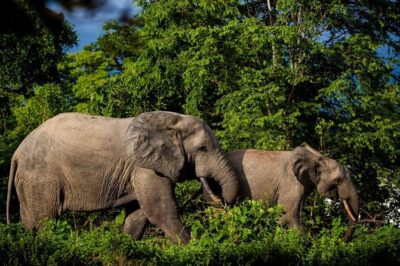
3 Days Sunrise Elephant Safari-Mole Park with -Round Trip Flight
Read our review →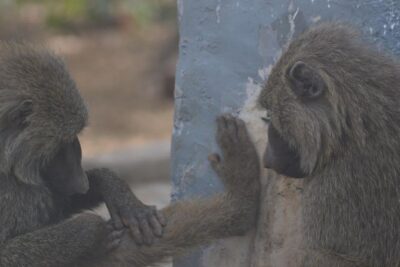
2 Days (1 night) Elephants Safari at Mole Park with Round – trip flights
Read our review →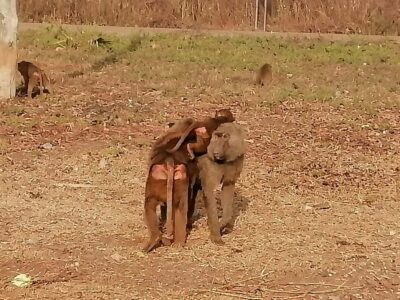
3 Days Elephant Safari at Mole Park with round trip flights
Read our review →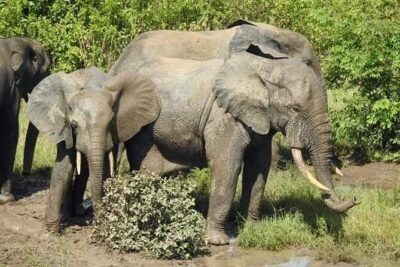
3 Days Elephants Safari at Mole Park with Round – trip flights
Read our review →Browse the lists this tour appears in