Reviewed · ACCRA TOURS
Accra Architectural Tour
Accra’s old walls still have stories to tell. This six-hour tour makes the city’s layered past easier to read, from Danish, Dutch, and English quarters to the Ga-Mashie neighborhood of Jamestown. I like the mix of guided walking and private-vehicle transport, and I like that the route ends with time at the Accra International Art Centre. The main consideration is the price: at $130 per person, you’ll want a guide who brings the buildings fully to life.
The strongest part is the human touch. Kormi’s team has earned praise for its friendly care, with Abena and Princess helping one solo visitor feel at ease and driver Kwame adding thoughtful conversation along the way. The tour is also wheelchair accessible, but because much of the experience involves walking through historic streets, ask about the exact route and surfaces before booking.
In This Review
- Key details at a glance
- Why Accra’s architecture rewards a closer look
- Reading the Danish, Dutch, and English quarters
- Jamestown and the Ga-Mashie neighborhood
- The Accra International Art Centre finale
- What the guides add to the day
- Is $130 per person fair?
- Comfort, timing, and preparation
- Who will enjoy this Accra architecture tour?
- Should you book the Accra Architectural Tour?
- FAQ
- Where does the Accra Architectural Tour take place?
- How long does the tour last?
- What is included in the price?
- How much does the tour cost?
- What languages are available?
- Is the tour wheelchair accessible?
- What should I bring?
- Can I cancel for a full refund?
Key details at a glance
- Six hours in and around central Accra: The day combines vehicle transport, a three to four-hour walking portion, entrance fees, and a final shopping stop.
- Three European influences in one city: You’ll look at Danish, Dutch, and English buildings and hear how their presence shaped Accra.
- Jamestown and Ga-Mashie add local context: The tour moves beyond grand colonial homes to one of Accra’s best-known historic neighborhoods.
- A useful final stop for gifts: The Accra International Art Centre gives you a chance to shop for Ghanaian art and souvenirs.
- Languages are flexible: Live guiding is listed in English and French, with audio support also available in German.
- Best for curious first-time visitors: I’d choose this for anyone who wants history, architecture, and local stories rather than a quick city drive.
Why Accra’s architecture rewards a closer look
Accra is not a city you understand from one grand monument. Its story is spread across streets, homes, trading areas, coastal districts, and buildings shaped by several foreign powers. That is what makes an architecture tour useful here. You are not simply checking off landmarks. You are learning to notice how different periods sit beside one another.
The route focuses on buildings from before and after the colonial period. Some have survived for hundreds of years, while others reflect the later growth of the capital. Your guide explains the stories behind elegant homes, imposing mansions, and local landmarks, helping you connect a wall or doorway with the people and events that shaped the city.
I like this approach because architecture gives you a firm way into Accra’s past. You can see European influence, but you also move through districts where local life remains central. That balance matters. A tour focused only on colonial façades could leave you with a narrow picture of Ghana. The inclusion of Ga-Mashie and Jamestown gives the day a broader frame.
The tour is described as a three to four-hour walking experience within a six-hour outing. The remaining time likely allows for pickup, driving between areas, stops, and the art centre, though the exact timetable is not specified. Check the starting time and meeting details before you pay.
More Accra outings people pair with this:
- The Cape Coast Day Tour
★ 5.0 · 525 reviews - Experience the Beauty, History and the Culture Of Accra in a Day
★ 5.0 · 323 reviews - The Cape Coast Tour
★ 5.0 · 177 reviews
Reading the Danish, Dutch, and English quarters
The middle portion of the tour is built around Accra’s Danish, Dutch, and English neighborhoods. These names are more than labels on a map. They point to different chapters in the city’s coastal past and to the European powers that established a presence here.
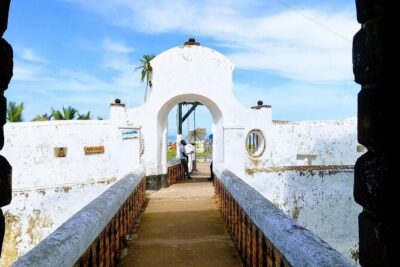
You’ll walk through streets where older residences and large homes still show traces of that era. The buildings themselves may be the main attraction, but the guide’s explanation is what turns them into useful history. Look for details in the façades, layout, scale, and placement of the houses. Those features can tell you who built them, how they wanted to live, and how they related to the surrounding city.
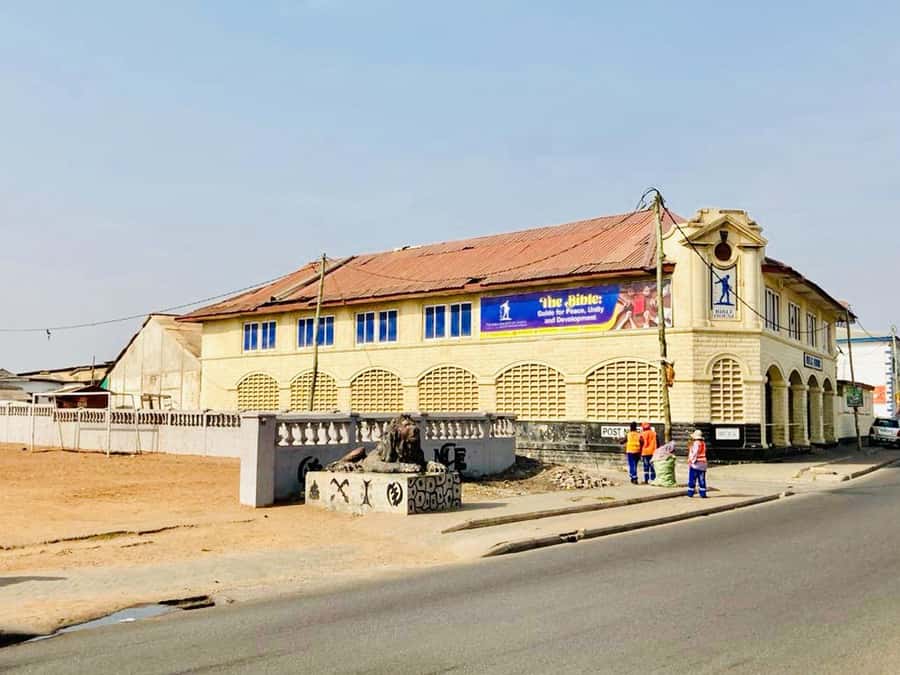
I would not expect a polished open-air museum. Accra’s historic districts are working parts of the capital, not frozen displays. That makes the walk more interesting, but it also means the experience may feel uneven. You may see a well-preserved structure one moment and a weathered or altered building the next.
That contrast is part of the point. Old buildings in active neighborhoods show how a city carries its past forward. You’ll get more from the walk if you remain open to ordinary street scenes as well as formal architecture. Bring a camera, but remember that the guide’s stories are likely to be as important as the photographs.
The walking portion should suit people who enjoy moving at a steady pace and stopping often for explanation. Sports shoes and comfortable clothing are sensible choices. Accra can be sunny, so sunglasses, a hat, water, and sunscreen belong in your day bag.
Jamestown and the Ga-Mashie neighborhood
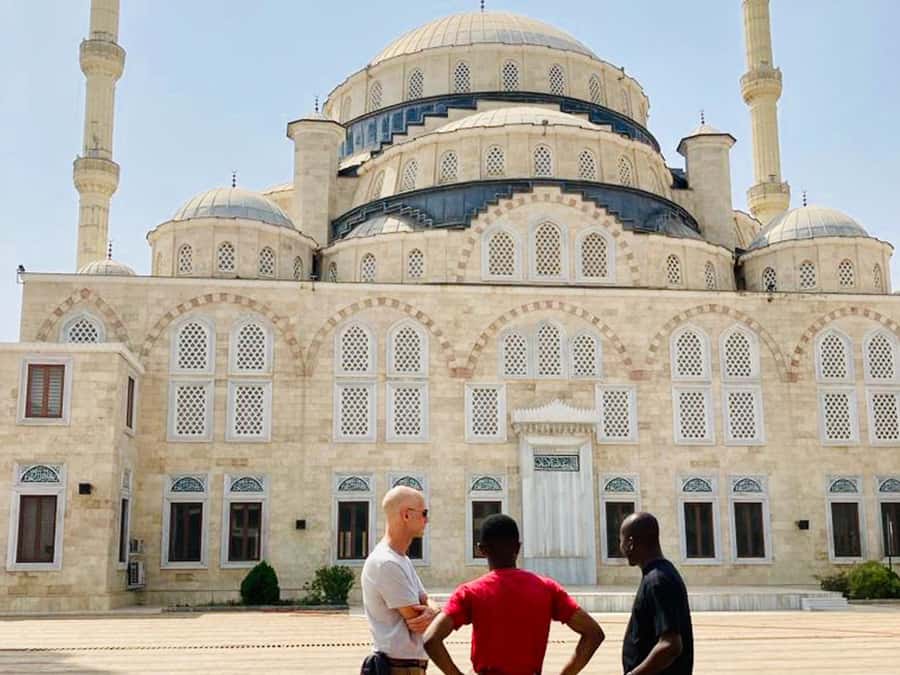
The tour then proceeds to Ga-Mashie, in the Jamestown area. This is an important change of focus. Earlier stops center on European-influenced quarters and notable buildings. Jamestown brings you into a neighborhood with strong local identity and a long connection to Accra’s coastal story.
The value here is not just visual. Your guide can help you understand how the neighborhood fits into the city’s wider heritage and why it matters alongside the Danish, Dutch, and English districts. You’ll be better placed to see Accra as a city shaped by interaction, rather than as a collection of foreign outposts.
Keep your expectations practical. The information provided does not promise a specific monument, interior visit, market activity, or performance in Jamestown. The focus is the neighborhood, its architecture, and its place in Accra’s story. That can be rewarding if you prefer a guided look at the city rather than a tightly scripted attraction.
I also appreciate that this stop prevents the tour from becoming too formal. Grand mansions can tell one part of the story, but local districts show how history continues in lived-in spaces. Listen closely to the guide here, especially if you want to understand the connection between built heritage and present-day Accra.
The Accra International Art Centre finale
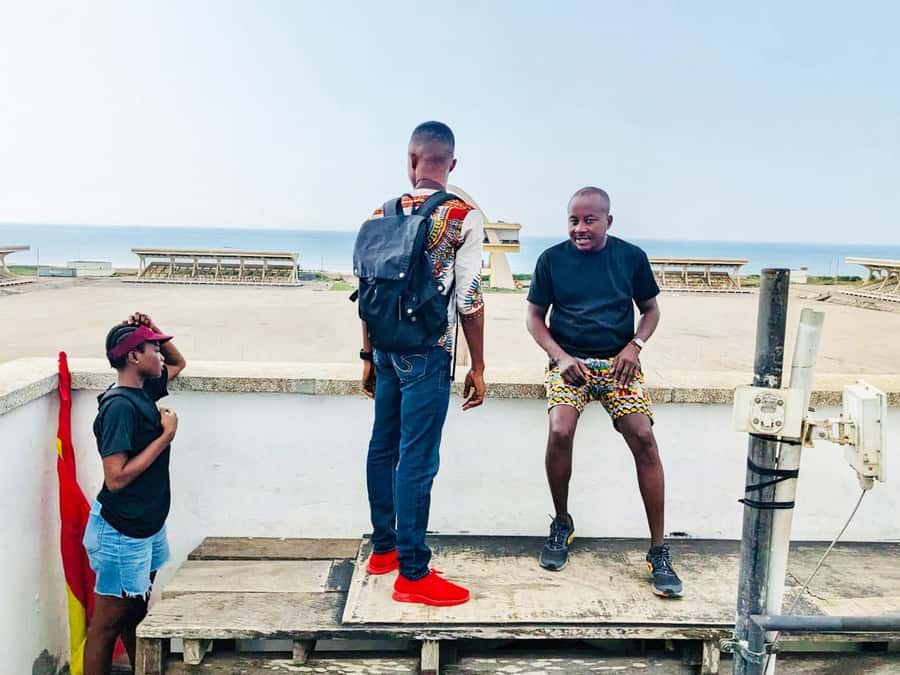
The last planned stop is the Accra International Art Centre, where you can shop for souvenirs. This gives the tour a practical ending. After several hours of looking at buildings and hearing historical background, you have time to choose something tangible to take home.
The centre is useful for visitors who want Ghanaian art or gifts but would rather not spend their final days searching without guidance. You can ask your guide for help with the stop, though the precise range of goods, prices, and shopping time is not stated. The visit is included in the route, but purchases are your own expense.
I would treat this as a chance to browse, not a guarantee of a long shopping session. If art buying is a major goal, tell the operator in advance so you can understand how much time is available. If it is simply a pleasant final stop, it should fit well.
This ending also gives the day a nice rhythm: historic districts first, local context in the middle, and a chance to shop at the end. You return to your pickup point afterward.
Further from Accra, and a different kind of day:
- From Accra: Cape Coast, Elmina Castle & Kakum Park Day Tour
★ 4.6 · 144 reviews - Accra Detailed City Tour
★ 4.5 · 118 reviews - Accra Guided City Tour Experience
★ 4.7 · 88 reviews - Accra Guided City Tour Experience
★ 5.0 · 76 reviews
What the guides add to the day
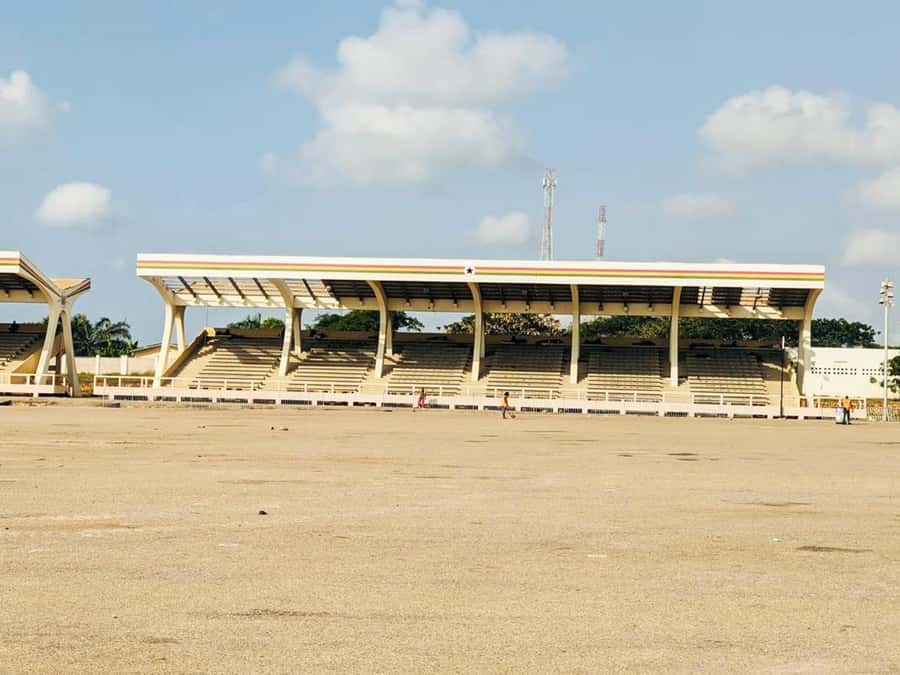
The best reason to book a guided architecture tour is the explanation. Buildings can be easy to pass without a second thought, especially in a large city where you are still working out transport, directions, and street names. A guide gives you a thread to follow.
Kormi’s team is repeatedly described as friendly and welcoming. Abena and Princess were praised for making the experience comfortable for a solo female visitor, while Kwame, the driver, was noted for his easy conversation and useful perspective. Those details matter because a six-hour tour depends on more than information. You are spending much of a day with the team, including time in the vehicle.
The provider is TourGuideKormi. Live guiding is listed in English and French. An audio guide is also listed in English, French, and German. The activity information separately describes an experienced English-speaking guide, so if you need French or German support, confirm exactly whether you will have a live French guide or use the audio option.
The guide quality is especially important at $130. The transport and entrance fees add value, but the historical interpretation is the heart of the experience. A strong guide should explain what you are seeing, not just name it. The positive comments about the team’s historical and cultural explanations suggest that this is one of the tour’s stronger features.
There is one caution. A separate experience connected with the same guide received a poor personal assessment, involving a food tour that did not meet expectations. That was not this architecture tour, so I would not treat it as a direct judgment of the walking route. Still, it is sensible to keep your expectations tied to the advertised architecture, history, neighborhoods, transport, and art centre, rather than assuming every activity offered by the provider will have the same format.
Is $130 per person fair?

The price is not budget-level. At $130 per person, I would compare it with what you would pay for separate transport, a private vehicle, entrance fees, and several hours of guiding in Accra.
The value improves if you are short on time, new to the city, or uncomfortable arranging transport between historic areas yourself. You get a planned route, an English or French guide, private-vehicle transport, and entrance fees. You also avoid spending part of your day trying to identify buildings without context.
The value is less clear if you mainly want a short walk or prefer exploring at your own pace. The walking segment is described as three to four hours, but the whole activity lasts six hours. You should be ready to devote most of a day to the experience.
The price can also feel high if your main goal is shopping. The art centre is only the final stop, not the purpose of the tour. Book this for the architecture and history, with shopping as a useful extra.
Because the group size is not provided, I would ask before booking. A small group may make it easier to hear stories and ask questions. A larger group may feel less personal, though the included vehicle and guide still provide structure.
Comfort, timing, and preparation
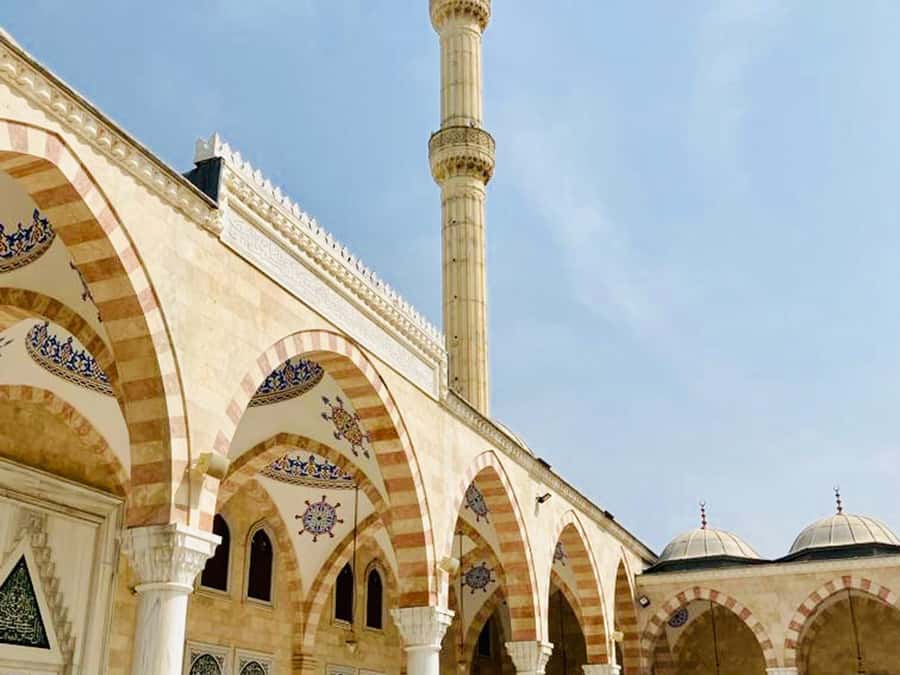
The tour includes transportation in a private vehicle, which is helpful in Accra. You are not walking the entire six hours, and the vehicle should make it easier to link districts. Pickup and return are included in the described plan, but confirm the exact pickup point and start time.
Wear sports shoes and loose, comfortable clothing. Bring water, sunglasses, a hat, sunscreen, a camera, and any personal medication. You are also advised to carry a passport or identification card.
The activity is listed as wheelchair accessible. That is an important benefit, but accessibility can vary on older streets and around historic buildings. Since the tour includes walking through several neighborhoods, contact the provider before booking to ask how the route handles uneven surfaces, steps, and building access.
You can cancel up to 24 hours before the activity for a full refund. The reserve-now-and-pay-later option also lets you hold a place without paying immediately, which is useful when your Accra plans are still shifting.
Who will enjoy this Accra architecture tour?
I would recommend it to you if you:
- Want a first introduction to Accra’s built heritage
- Like history explained through streets and buildings
- Prefer having transport arranged between neighborhoods
- Are interested in both European influence and Ga-Mashie
- Enjoy asking questions and learning from a local guide
- Want to combine sightseeing with a little souvenir shopping
I would think twice if you want a relaxed, unstructured day with long breaks. The route covers several themes and includes a substantial walking period. It is also not the right choice if you are looking primarily for food, nightlife, or a full shopping excursion.
Solo visitors may find the guided format reassuring. A positive experience with Abena, Princess, and the rest of Kormi’s team suggests the atmosphere can be warm and supportive, though staff assignments can change. Families and older visitors should ask about walking conditions and the exact schedule before committing.
Should you book the Accra Architectural Tour?
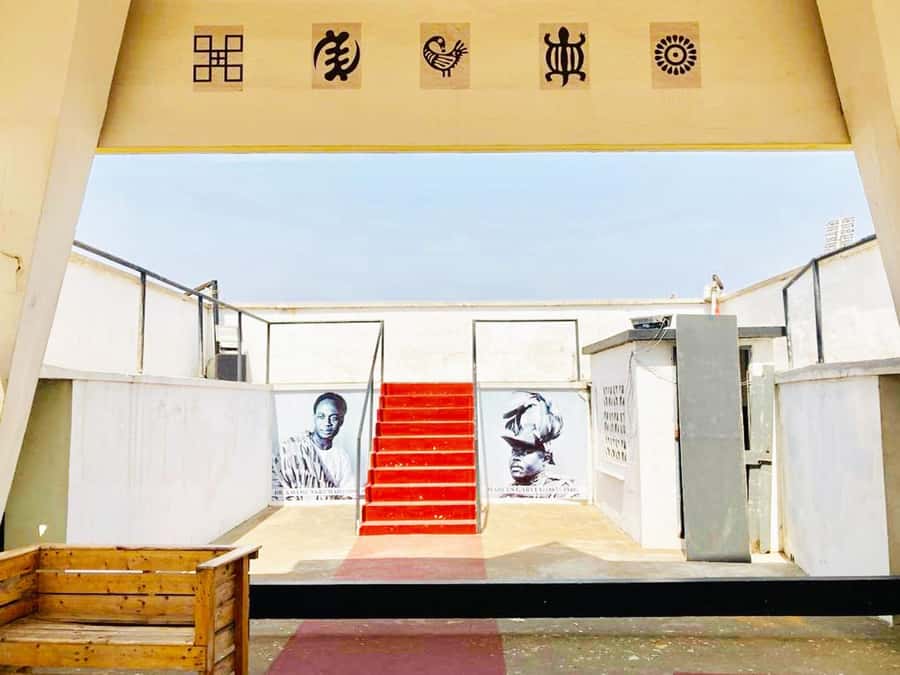
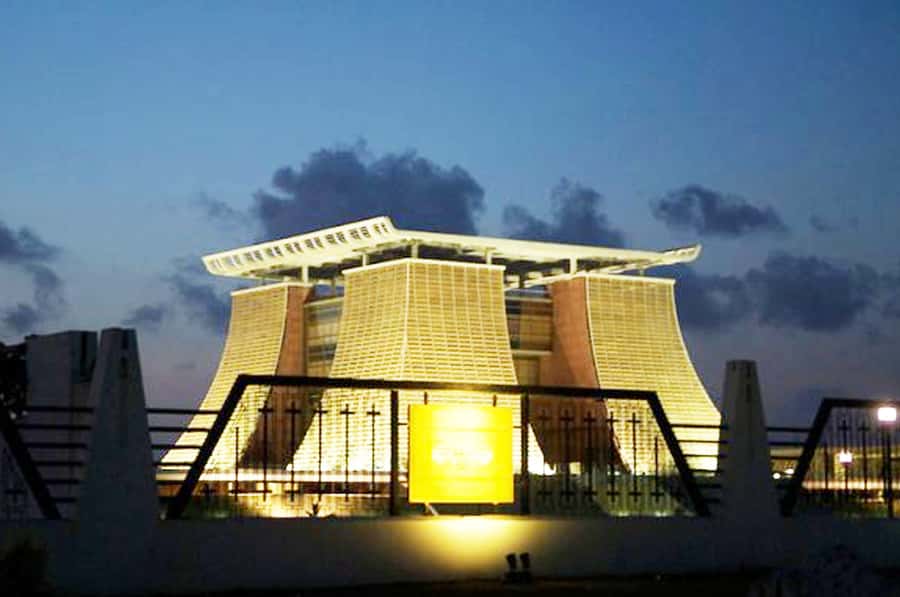
Book it if you want Accra’s past explained as you move through the city, not just pointed out from a vehicle window. The combination of Danish, Dutch, and English quarters, Ga-Mashie in Jamestown, and the Accra International Art Centre gives the day a clear shape and a useful range.
At $130 per person, I would book only if you value the guide, transport, and organized route. Ask about group size, the live language available, walking conditions, and the time planned at the art centre. If those details suit you, this is a strong choice for a history-minded first visit to Accra, with enough local texture to keep the day from feeling like a simple colonial architecture checklist.
FAQ
Where does the Accra Architectural Tour take place?
The tour takes place in Accra in Ghana’s Central Region. It includes Danish, Dutch, and English neighborhoods, the Ga-Mashie neighborhood of Jamestown, and the Accra International Art Centre.
How long does the tour last?
The full activity lasts six hours. The walking portion is described as lasting approximately three to four hours.
What is included in the price?
The price includes transportation in a private vehicle, an experienced English-speaking tour guide, and entrance fees.
How much does the tour cost?
The listed price is $130 per person.
What languages are available?
Live guiding is listed in English and French. Audio guide support is listed in English, French, and German.
Is the tour wheelchair accessible?
Yes, the activity is listed as wheelchair accessible. Because the route includes walking through historic neighborhoods, you should confirm the specific street and building conditions before booking.
What should I bring?
Bring sports shoes, comfortable clothing, sunglasses, personal medication, a camera, water, a passport or identification card, a hat, and sunscreen.
Can I cancel for a full refund?
Yes. You can cancel up to 24 hours in advance for a full refund. A reserve-now-and-pay-later option is also available.
Most recently reviewed around Accra
- Visit Aburi Garden, Tetteh Quarshie Cocoa Farm & Waterfall★ 4.0 · 4 reviews
- Private 9-Day Tour in Ghana★ 5.0 · 2 reviews
- Wli Waterfalls, Mount Afadjato & Tafi Atome Monkey Sanctuary★ 5.0 · 2 reviews
- Cape Coast and Elmina castle Day Trip★ 5.0 · 2 reviews
- Culinary for Social Change-Cooking Class★ 5.0 · 2 reviews
- Time with Nature★ 5.0 · 2 reviews
- Private Slave Castles and Dungeons Tour in Cape Coast, Ghana★ 5.0 · 3 reviews
- Experience Accra★ 5.0 · 2 reviews
Accra Tours, compared.

Experience the Beauty, History and the Culture Of Accra in a Day
Read our review →

Cape Coast, Elmina Castle & Kakum Park Day Tour
Read our review →