Reviewed · ACCRA TOURS
Accra: E – waste private tour (agbogloshie)
Your old phone has a second life. This private Accra tour takes you into the Agbogbloshie community, where imported electronic waste is sorted, reused, and transformed by local workers. I like the direct look at a global waste problem, and I like that the experience puts local youth and their practical recycling skills at the center. The main consideration is that this is not a light sightseeing stop. It can be intense, hot, and emotionally difficult.
I also appreciate the tour’s educational purpose. You do not simply pass a dumping site, take a few photos, and leave. You learn how waste reaches Ghana, how people make a living from it, and how recycling can become a path out of poverty. Just confirm exactly what is included before paying, since the description calls it a private tour but also lists private guiding and transport as excluded.
In This Review
- Key points to know before you book
- Why Agbogbloshie makes such a powerful stop in Accra
- Meeting the community and starting the tour
- Seeing how electronic waste becomes useful material
- The human story behind the recycling work
- What the environmental lesson means for you
- How the three-hour timing affects the experience
- Is $110 per person fair value?
- Practical preparation for heat, walking, and photography
- Who should book this Agbogbloshie experience
- Should you book this private Accra tour?
- FAQ
- How long does the Agbogbloshie tour last?
- Is the tour private?
- Is transportation included?
- What should I bring?
- What language is the tour offered in?
- Can I arrange the tour for a documentary?
Key points to know before you book
- Agbogbloshie is the focus: You visit one of the world’s best-known electronic-waste sites and learn how imported equipment affects the local community.
- Local work takes center stage: The tour shows how young workers sort, recycle, and turn discarded materials into useful products.
- Expect about three hours: The stated duration includes the car ride and accompaniment at the end, so time inside the community may be shorter.
- The experience is educational and confronting: It can change how you think about your own job, possessions, and household waste.
- The tour is private: Private arrangements may be possible for documentary work, but confirm the exact guiding setup and meeting details.
- Bring basic sun protection: Comfortable walking shoes, water, a hat, sunscreen, and a camera are all useful.
Why Agbogbloshie makes such a powerful stop in Accra
Many city tours show you monuments, markets, and restaurants. This one asks a harder question: where does electronic waste go after you no longer want it?
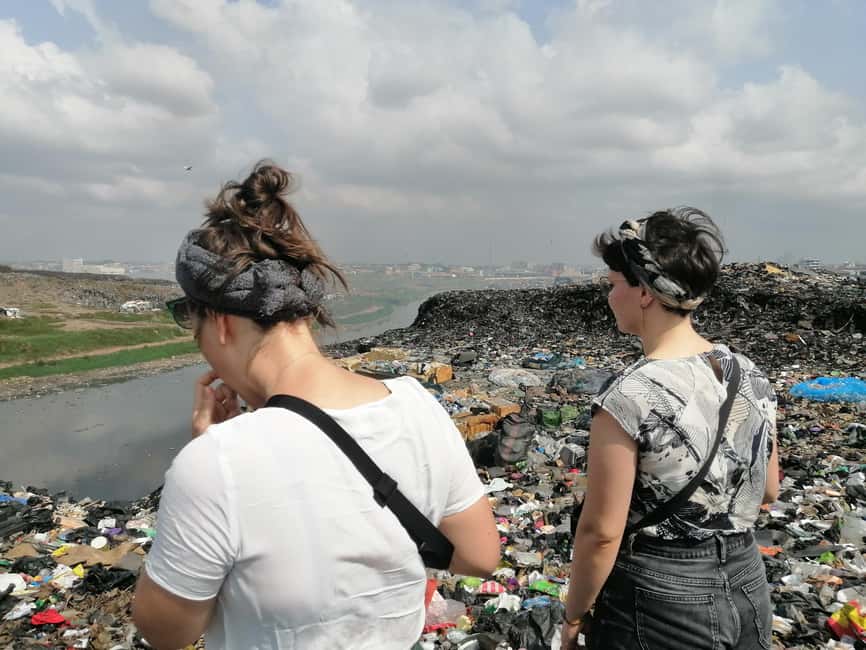
Agbogbloshie has become known around the world for its electronic-waste trade. The tour presents the site as one of the largest e-waste areas on earth, with discarded electronics imported into Ghana from many countries. You see the issue from the human side, not just through statistics or environmental warnings.
That matters because waste is usually invisible to the person who throws it away. You replace a phone, computer, television, or appliance, and the old item leaves your home. Here, you get a clearer idea of what can happen next. Electronics may be sorted, broken down, reused, or changed into other products. Some materials have value, and the work of recovering them supports local livelihoods.
I find the strongest part of this experience is the connection between environmental damage and economic need. People are not working with electronic waste as a sightseeing display. They are trying to earn a living and improve their circumstances. Seeing that reality can make the subject more human and less abstract.
More Accra outings people pair with this:
- The Cape Coast Day Tour
★ 5.0 · 525 reviews - Experience the Beauty, History and the Culture Of Accra in a Day
★ 5.0 · 323 reviews - The Cape Coast Tour
★ 5.0 · 177 reviews
Meeting the community and starting the tour
The experience begins with a meeting with your guide in Accra. Transport to the meeting point is not included, and hotel or residence pickup and drop-off are also excluded. You should plan this part carefully and confirm the meeting location before the day of the tour.
Because this is described as a private experience, you can expect a more personal format than a large group outing. That should give you room to ask questions, pause when something needs explanation, and discuss the environmental issues with your guide. English is the listed tour language.
The exact route and order of stops are not specified, so I would not expect a fixed museum-style itinerary. The main subject is the community and its electronic-waste work. Your guide should help you understand what you are seeing rather than leave you to walk through unfamiliar areas without context.
The opening part may also include a car ride. One account puts the total experience at about three hours, including the ride and the accompaniment at the end. Keep that in mind when comparing it with a three-hour walking tour. Your time on foot at the e-waste site may be less than the total booking length.
Seeing how electronic waste becomes useful material
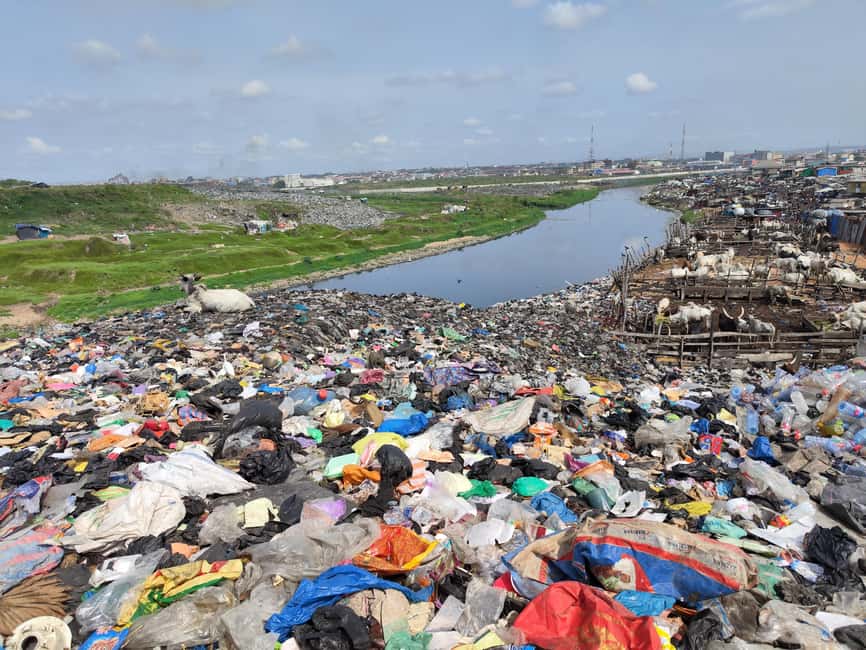
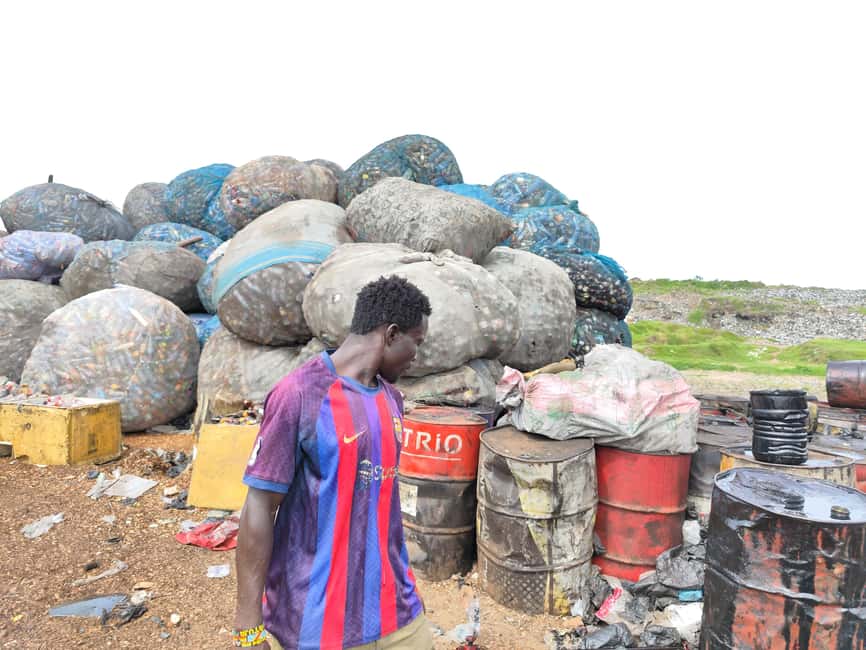
The central part of the tour looks at the sorting and recycling of electronic waste. You learn how equipment brought into Ghana from other parts of the world can be separated and handled by local workers.
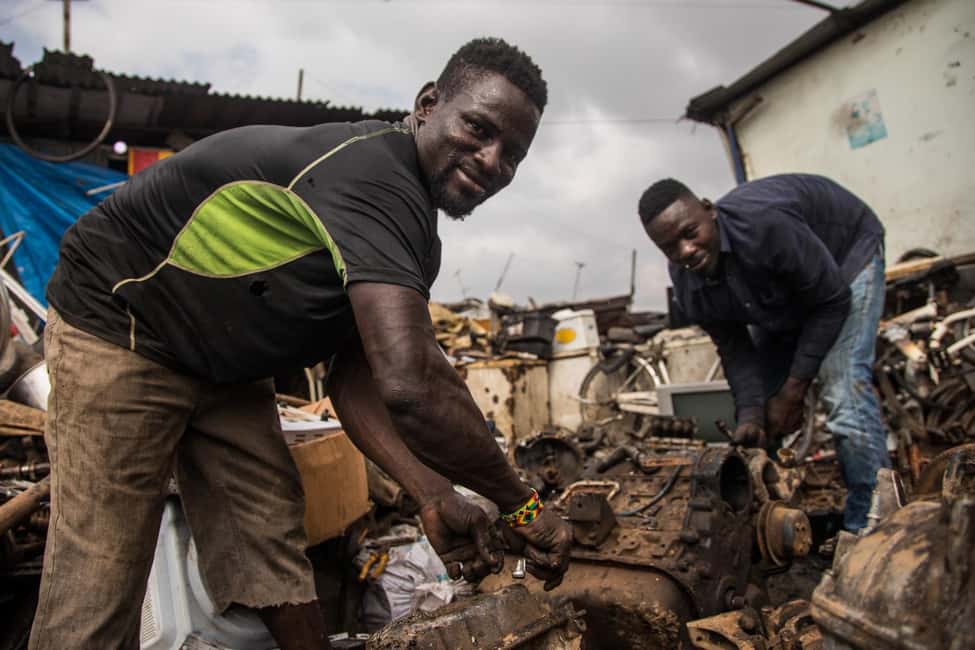
The description specifically points to young people who transform some e-waste into useful items. That is an important detail. The tour is not only about pollution or discarded objects. It also shows skill, enterprise, and problem-solving.
You might see materials being selected for reuse or recovery, along with products that have been given a second purpose. The supplied information does not promise a specific demonstration, named workshop, or particular finished product, so it is best to keep expectations open. The value comes from seeing the process and hearing how the work supports the community.
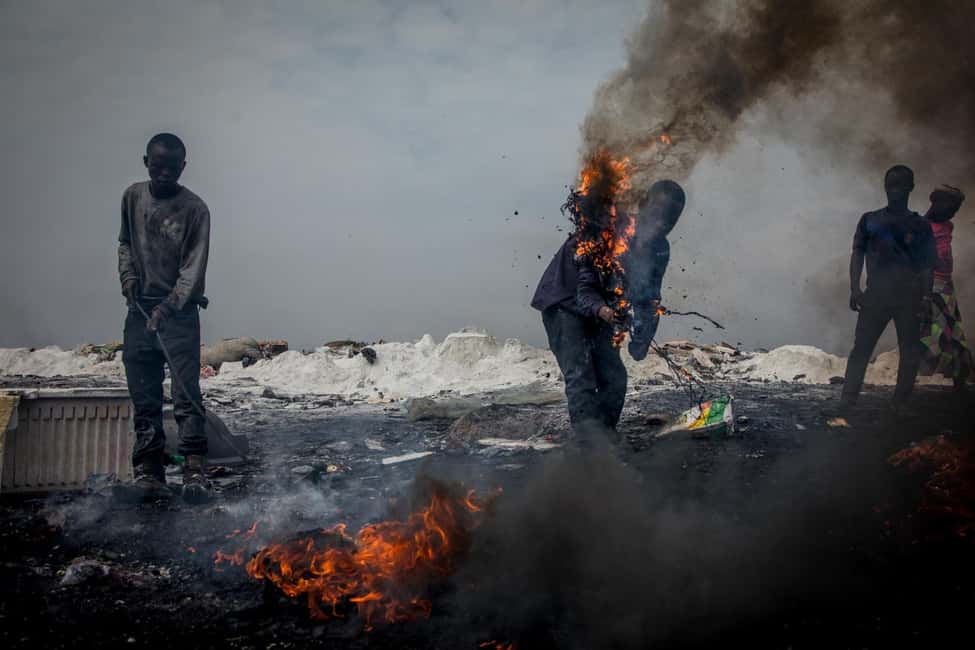
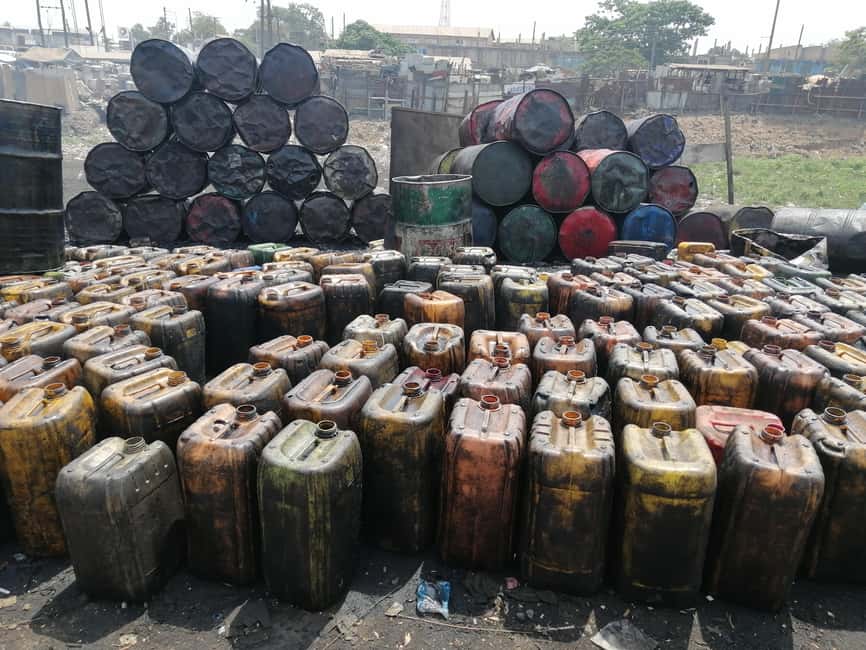
This part can also be uncomfortable. Electronic waste is not a tidy subject. You may encounter damaged equipment, piles of unwanted material, and working conditions that are difficult to look at. The tour is not suitable for someone who wants a polished attraction with controlled displays and easy photo opportunities.
I would approach the site with respect. Ask before photographing people, especially workers and young people. A camera is recommended, but that does not mean every person or activity should become a picture. The community is the subject of the tour, not a backdrop.
The human story behind the recycling work
The most praised part of this experience is the chance to meet and understand the local community. The tour highlights resilience, unity, and hard work among people trying to grow and move out of poverty through recycling.
That human story gives the visit its force. You are not simply looking at waste and feeling sorry for people. You are seeing workers who have developed practical expertise in a difficult trade. They understand materials, value, and reuse in ways that many people with comfortable jobs never need to consider.
The tour can also make you examine your own assumptions. If you think your work is tiring or your daily problems are overwhelming, this experience may shift your perspective. That is one of the stated aims, though I would treat it as a prompt for reflection rather than a reason to compare your life with someone else’s hardship.
A respectful guide should help you understand the community without reducing it to poverty. Ask about the work, the recycling process, and the ways people use recovered materials. Those questions will lead to a better experience than simply asking where the worst conditions are.
A few other Accra trips we have written up
- Private Car Service
★ 5.0 · 59 reviews - Private Aburi Hill Guided Tour
★ 5.0 · 34 reviews - Full-Day Accra Safari and Boat Cruise Private Tour
★ 5.0 · 32 reviews - The Agbogbloshie (Accra E-waste and Recycling experience) Private Tour
★ 5.0 · 31 reviews
What the environmental lesson means for you
The environmental value of the tour is practical. You learn that waste does not disappear when a truck takes it away or when an old device is handed to a collection point.
Electronic equipment contains parts and materials that can be reused, but it can also create serious problems when handled poorly. The experience connects your own consumption with the people who deal with discarded items later. That connection is useful for anyone who buys electronics, replaces devices often, or wants to understand the real cost of convenience.
The tour does not appear to be a technical class on recycling policy, and no formal lecture or printed educational material is promised. Instead, you learn through direct observation and conversation. That makes the experience easier to remember, though the quality of the explanation will depend heavily on your guide.
I would bring questions. You could ask how electronic waste arrives in Ghana, what materials have resale value, which items can be reused, and how workers learn the trade. You could also ask what visitors can do at home to reduce waste. The supplied details do not promise that every question will be answered, but asking them should help you get more from the visit.
How the three-hour timing affects the experience
The stated duration is about three hours, including the car ride and the accompaniment at the end. This is long enough for a meaningful introduction, but it is not an entire day devoted to Agbogbloshie.
That shorter format suits you if you want a focused educational outing during a stay in Accra. You can fit it into a larger trip without giving up a full day. It may also be a good choice if you prefer a private conversation over a long scheduled program.
The timing has one possible drawback. If the car ride takes a notable part of the three hours, you may have limited time to walk through the community and talk with workers. Before booking, ask how much time is normally spent at the site and how much is used for transport.
The private format may help here. You can ask the guide to focus on the parts that matter most to you, such as environmental effects, recycling methods, or documentary research. Still, do not assume that every request is included. The operator should confirm the route, timing, and guiding arrangements in advance.
Is $110 per person fair value?
The listed price is $110 per person. That is a substantial amount for a roughly three-hour experience, especially since transport to the meeting point, entry fees and taxes, and hotel pickup and drop-off are not included.
The value depends on what you want from the day. If you are looking for a standard Accra sightseeing tour, this may feel expensive. You are not paying for a long list of landmarks or entertainment. You are paying for access to a difficult subject, private attention, local interpretation, and a chance to learn about a working community that most visitors would not encounter on their own.
The price is easier to justify if the private format is important to you. It may suit photographers, researchers, students, environmental professionals, and documentary makers who want time to ask focused questions. Special arrangements can be made for a documentary, so contact Ghana Must Go Tours before booking if filming is your main purpose.
There is also a useful community contribution mentioned in the tour information. One account understood that about 1,000 to 1,680 Ghana cedis would go toward the guide inside the community. The wording is not fully clear, so you should ask the operator how the fee is divided and what portion supports local guiding. That question is especially important if community benefit is part of your reason for booking.
Because several costs are excluded, add your own transport and any stated entry charges to the budget. Most importantly, confirm the apparent contradiction about private guiding. The experience is marketed as private, but private guided tour is also listed under what is not included. Get the details in writing before you commit.
Practical preparation for heat, walking, and photography
Wear comfortable walking shoes. You may spend part of the tour on foot, and this is not the place for delicate footwear or a rushed outfit.
Bring a hat, sunscreen, and water. Sun protection is specifically recommended, and carrying your own bottle will help you stay comfortable. The tour does not list refreshments, so do not count on drinks being provided.
A camera is recommended, but use it thoughtfully. The subject may be visually striking, yet the people working there deserve courtesy and privacy. Ask for permission before taking close photographs, and listen if someone does not want to be photographed.
Dress for a practical walking experience rather than a formal city excursion. The supplied information does not provide safety equipment, protective clothing, or a medical plan, so ask the operator if you have concerns about the site conditions. You should also tell the operator in advance if you have special documentary or research needs.
This is an English-language experience. If you need another language, the provided details do not confirm that it is available.
Who should book this Agbogbloshie experience
I would recommend this tour to you if you want to understand Accra beyond its usual visitor stops. It suits people interested in environmental issues, responsible consumption, recycling, global trade, poverty, and local enterprise.
It also makes sense for anyone asking where old electronics go. Parents, university students, photographers, filmmakers, and sustainability professionals may find the subject especially useful. The private setup should make it easier to shape the conversation around your own interests.
I would be more cautious if you want a relaxed outing. The experience can be emotionally heavy, and the conditions may be uncomfortable. It is not designed as a family attraction, entertainment program, or polished cultural show. The information provided does not give a minimum age, so families should ask the operator before booking for children.
You should also avoid treating the community as a place for shock photos. Go to learn, listen, and support responsible local guiding. That approach will give you a better experience and show more respect to the people whose daily work makes the tour possible.
Should you book this private Accra tour?
Book it if you want a serious, eye-opening look at electronic waste and the people who handle it. The strongest reasons are the direct community contact, the focus on youth recycling work, and the chance to rethink your own relationship with discarded electronics.
Skip it if you want easy sightseeing, a predictable route, or a low-cost activity with transport included. At $110 per person, you need to value the subject and the private format. Before booking, confirm the meeting point, transport costs, exact guiding arrangements, time spent inside the community, and how the community fee is handled.
For documentary work, contact Ghana Must Go Tours before reserving. Special arrangements may be possible, but they should be agreed in advance. For a standard visitor with an open mind, this can be one of the most memorable and thought-provoking ways to spend part of a stay in Accra.
FAQ
How long does the Agbogbloshie tour last?
The experience lasts about three hours, including the car ride and the accompaniment at the end.
Is the tour private?
It is described as a private tour, but private guided tour is also listed among the exclusions. Confirm the exact private guiding arrangement with Ghana Must Go Tours before booking.
Is transportation included?
Transportation to the meeting point is not included. Hotel or residence pickup and drop-off are also excluded.
What should I bring?
Bring comfortable walking shoes, a hat, sunscreen, water, and a camera if you want to take photographs.
What language is the tour offered in?
The listed tour language is English.
Can I arrange the tour for a documentary?
Yes. Special arrangements can be made for documentary projects, so contact the tour operator before booking to discuss your needs.
Most recently reviewed around Accra
- Visit Aburi Garden, Tetteh Quarshie Cocoa Farm & Waterfall★ 4.0 · 4 reviews
- Private 9-Day Tour in Ghana★ 5.0 · 2 reviews
- Wli Waterfalls, Mount Afadjato & Tafi Atome Monkey Sanctuary★ 5.0 · 2 reviews
- Cape Coast and Elmina castle Day Trip★ 5.0 · 2 reviews
- Culinary for Social Change-Cooking Class★ 5.0 · 2 reviews
- Time with Nature★ 5.0 · 2 reviews
- Private Slave Castles and Dungeons Tour in Cape Coast, Ghana★ 5.0 · 3 reviews
- Experience Accra★ 5.0 · 2 reviews
Accra Tours, compared.
Experience the Beauty, History and the Culture Of Accra in a Day
Read our review →

Cape Coast, Elmina Castle & Kakum Park Day Tour
Read our review →