
Reviewed · ASSIN MANSO & SLAVE ROUTE TOURS
Accra Slave Tour
Accra keeps its hardest stories close. I like that this private three-hour tour places the Trans-Atlantic Slave Trade in Accra, rather than treating Cape Coast as the only place to learn about it. I also like the chance to visit James Fort, Ussher Fort, Brazilian Lane, the Lighthouse, and other sites tied to the city’s past.
The tour includes pickup, drop-off, transport, fuel, water, and an English-speaking guide. The main consideration is price: at $140 per person, it is not a cheap quick outing, especially for one person. You are paying for a private experience and local guiding, not just a ride between monuments.
The strongest part is the guiding. Prince received high praise for managing the visit, while Ritchie, a Jamestown local, brought local insight and enthusiasm to the walking portion. That personal connection can make a major difference when the subject is painful, complex, and closely tied to the streets around you.
In This Review
- Key Points About the Accra Slave Tour
- Why Accra Adds an Important Chapter
- James Fort Street and the Two-Hour Walking Visit
- James Fort, Ussher Fort, and the Meaning of Place
- The Lighthouse, Brazilian Lane, Houses, and Tunnels
- A Private Group With Local Guidance
- Transport, Timing, and What the Price Covers
- Shopping After the History
- Who Will Get the Most From This Tour?
- My Verdict on the Accra Slave Tour
- FAQ
- Where does the Accra Slave Tour begin?
- How long does the tour last?
- What sites are included?
- Is transportation included?
- Is the tour private?
- What language is the tour conducted in?
- Is lunch included?
- Can I cancel the booking?
Key Points About the Accra Slave Tour
- James Fort and Ussher Fort put Accra’s role in view: You visit former British and Dutch sites connected with the slave trade.
- Jamestown gives the tour a local voice: Ritchie, a Jamestown local, has been praised for sharing his knowledge and perspective.
- The walking portion takes about two hours: Expect sightseeing around James Fort Street and nearby places associated with Accra’s early development.
- The tour covers more than forts: The Lighthouse, Brazilian Lane, houses, tunnels, and other reminders of the trade are part of the experience.
- Private transport keeps the day simple: Pickup and drop-off in Accra are included, along with fuel and water.
- Shopping comes at the end: You have time to buy something before returning to your preferred location in Accra.
Why Accra Adds an Important Chapter
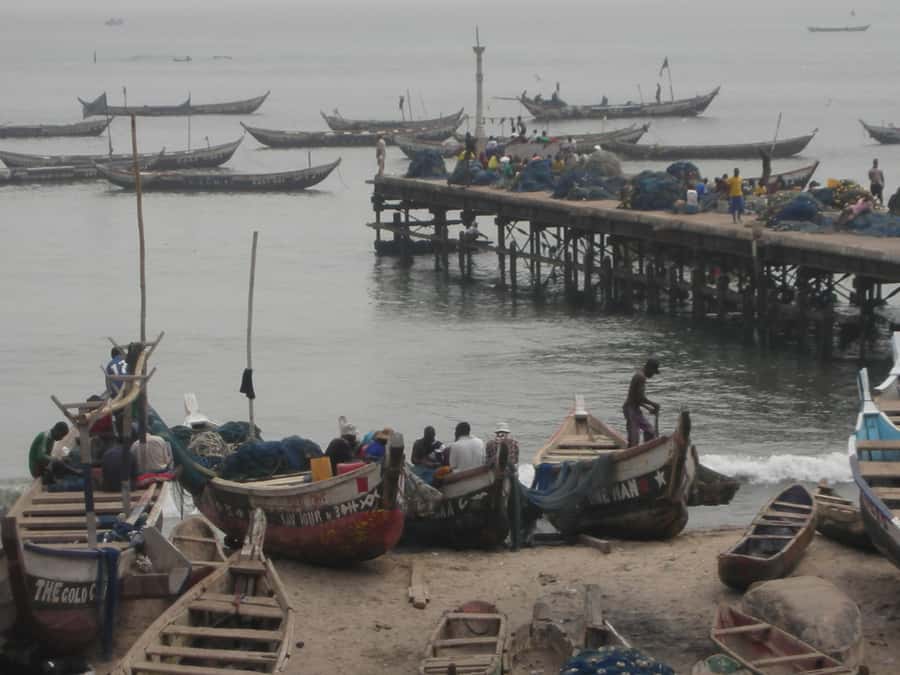
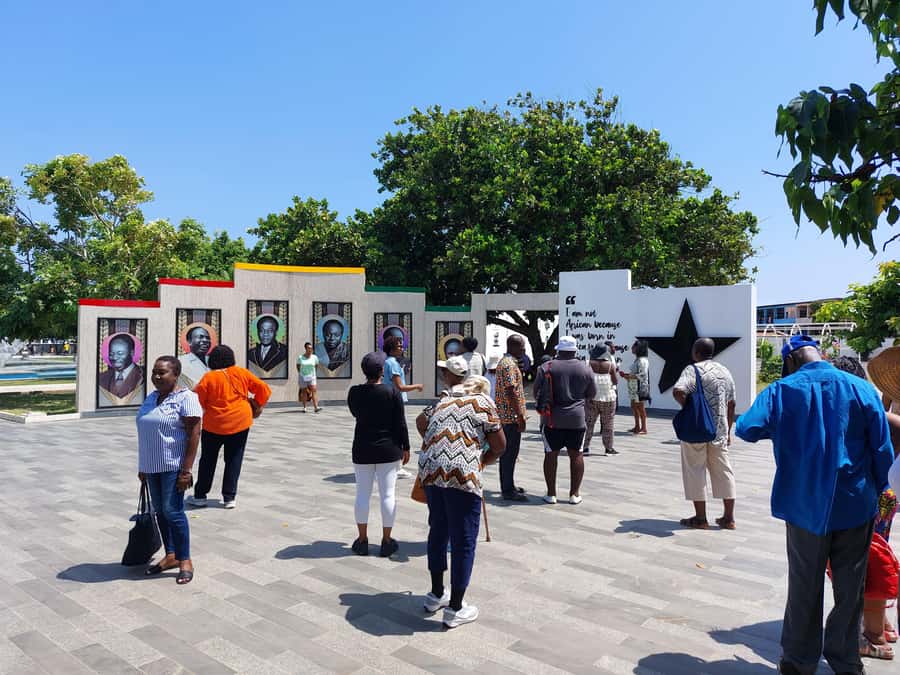
Many people first hear about Ghana’s slave-trade history through Cape Coast. That is understandable, but Accra has its own part to tell. This tour helps you see the city as a place where European forts, coastal commerce, local communities, and the beginnings of modern Accra came together.
I like the way the tour connects history to ordinary streets. You are not only entering a single dramatic building. You are walking through areas that include forts, lanes, homes, tunnels, and coastal landmarks. The result is a wider view of how the trade affected the city and how traces of it remain in the built environment.
The subject is serious, and the tour is not designed as light sightseeing. You should arrive ready to listen and think. Some of the places may look modest from the outside, but their importance comes from what happened there and how those events shaped communities across the world.
The tour also presents the genesis of Accra, giving the experience a wider purpose. You are learning about more than one period of history. You are also seeing places connected with the city’s formation and development.
Other stops on the slave route from Accra:
- Cape Coast/Elmina Slave Dungeon and Canopy Walkway Private Tour
★ 5.0 · 24 reviews - Assin Manso Slaves River and Cape Coast Castle Tour
★ 5.0 · 24 reviews - Assin Manso Slave River, Cape Coast and Elmina Castle Day Tour
★ 5.0 · 19 reviews
James Fort Street and the Two-Hour Walking Visit
The main sightseeing and walking portion takes place around James Fort Street and lasts about two hours. This is where the tour slows down and gives the guide time to explain what you are seeing.
James Fort was built by the British. Ussher Fort was built by the Dutch. Their presence points to the competing European powers that operated along the Ghanaian coast. The tour uses these sites to explain how Accra participated in the Trans-Atlantic Slave Trade.
I find the contrast between the two forts especially useful. Seeing both helps you understand that the trade was not controlled by one country or one building. It involved a network of European interests, local connections, coastal posts, and routes across the Atlantic.
Do not expect the visit to be only about architecture. The forts matter because of their purpose and the activities connected with them. Your guide is there to explain those links and place the structures in Accra’s wider story.
The exact order of stops may vary, but the walking segment is long enough to make comfortable footwear sensible. The supplied details do not specify the condition of every path or how much indoor access is available, so you should be prepared for a mix of outdoor sightseeing and visits around historic structures.
James Fort, Ussher Fort, and the Meaning of Place
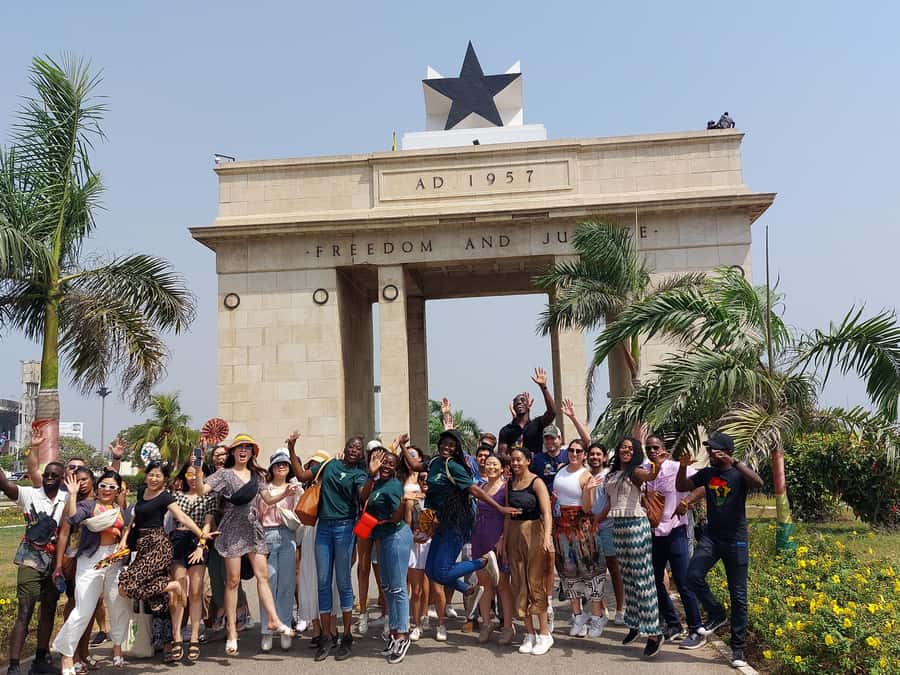
James Fort gives the British side of the story a physical address. Ussher Fort adds the Dutch presence. Together, these places help you understand why Accra was involved in a trade that reached far beyond Ghana.
A good guide matters here. Facts alone can leave you with a list of dates and names. A local perspective can help connect those facts with the surrounding neighborhood. Ritchie, who is from Jamestown, has been praised for his enthusiasm and insight during the tour. That is a valuable quality when the setting is a living community rather than a detached museum complex.
Prince also received praise as an excellent overall guide. His role appears to include helping the day run smoothly, from pickup through the sightseeing and return. For a private tour, this kind of coordination is part of what you are paying for.
The experience is best approached with patience. You may want time to look at walls, streets, and small details that are easy to pass when you are moving quickly. The tour is only three hours, so it cannot cover every part of Accra’s history. Its strength is focus: you spend the time on sites linked to the slave trade and the city’s early story.
The Lighthouse, Brazilian Lane, Houses, and Tunnels
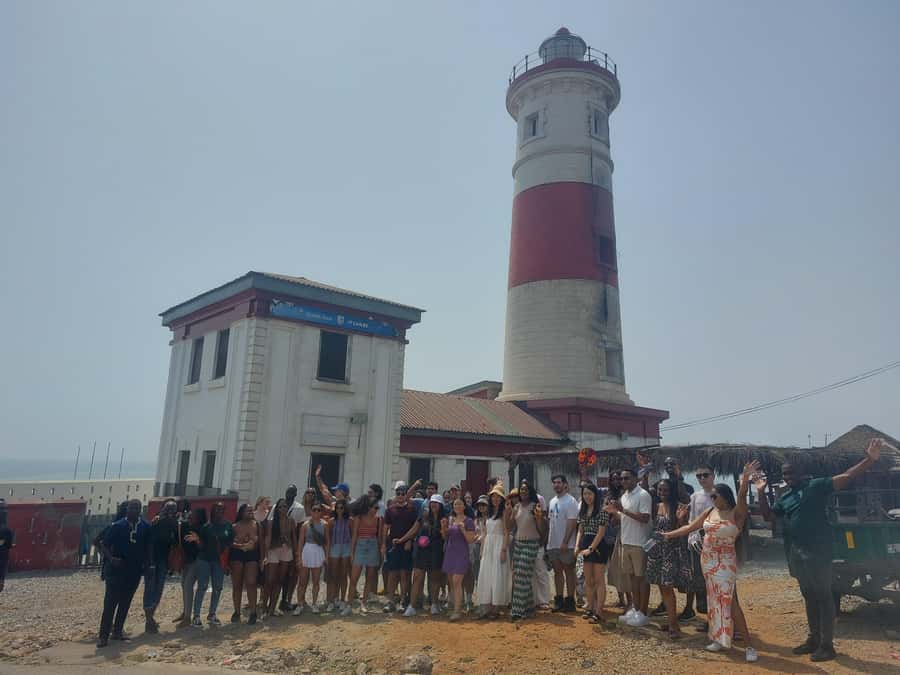
The tour goes beyond the main forts. You also visit the Lighthouse, Brazilian Lane, and other houses and tunnels associated with the trade.
These stops add texture to the day. A fort can feel like a single, enclosed monument. Lanes, homes, and tunnels show how the history spread through the surrounding area. They give you more ways to think about the people and systems connected with the trade.
Brazilian Lane is a particularly distinctive name on the route. The supplied tour details identify it as one of the places connected with the experience, but they do not give a full explanation of every building or feature there. Your guide will be the person to ask for the local context at the stop.
The same applies to the houses and tunnels. Their inclusion suggests that the visit is not limited to formal forts. You should listen closely and ask questions, since the meaning of each place may depend on its particular history and use.
The Lighthouse adds another recognizable coastal landmark. It also helps break up the fort visits with a different type of site. Do not expect every stop to be equally elaborate. Some may be important because of their connection to the story rather than their size or condition.
More Accra outings people pair with this:
- The Cape Coast Day Tour
★ 5.0 · 525 reviews - Experience the Beauty, History and the Culture Of Accra in a Day
★ 5.0 · 323 reviews - The Cape Coast Tour
★ 5.0 · 177 reviews - From Accra: Cape Coast, Elmina Castle & Kakum Park Day Tour
★ 4.6 · 144 reviews
A Private Group With Local Guidance
The tour is for a private group and includes a live guide in English. That setup suits you if you want to ask questions without keeping up with a large party.
A private tour can also make a difficult subject easier to discuss. You can pause for clarification, ask about a particular building, or spend more time on a place that interests you. The available details do not promise a fully customized route, so you should not assume that every stop can be changed. Still, a private format usually gives the visit a more personal feel than a fixed group outing.
The guiding team is a major reason to consider this experience. Prince was praised for his overall work, and Ritchie’s connection to Jamestown adds a useful local voice. The strongest compliment was not about a vehicle, a souvenir stop, or a fancy facility. It was about the quality and perspective of the guides.
English is the listed tour language. If you need another language, this experience may not suit you, since no other language is provided in the details.
Transport, Timing, and What the Price Covers
The tour costs $140 per person and lasts three hours. That price includes pickup and drop-off in Accra, transportation, fuel surcharges, an English-speaking guide, and water. Lunch is not included.
The value depends heavily on your group size. For one person, $140 is a substantial amount for a three-hour activity. For a private group, the cost may feel more reasonable because you are paying for dedicated transportation and guiding rather than joining an open group.
Pickup and drop-off are practical advantages. You do not need to arrange separate transport to James Fort Street, work out a return ride, or handle fuel costs yourself. At the end, you can be dropped at your preferred location in Accra, which is useful if you want to continue sightseeing or return to your accommodation.
The tour does not include lunch, but the duration is short enough that this is not a major problem. Plan to eat before or after the visit, or ask the operator for practical timing advice when you book. Water is included, which is helpful during the walking portion.
Starting times are subject to availability. Since the tour begins with pickup in Accra and includes a two-hour walking segment, check the start time carefully before committing to another activity on the same day.
Shopping After the History
Shopping comes at the end of the tour. This is a small but useful addition, especially if you want to browse for a souvenir without giving up a separate afternoon.
The details do not specify the exact shopping location, the type of goods available, or how much time is set aside. Treat it as an opportunity rather than the main reason to book. The historic visit is the core of the experience.
I like the timing. Shopping after the serious part of the tour gives you a chance to change pace before drop-off. You can ask your guide where to look, what is locally made, and how much you should expect to pay, though the tour details do not promise a guided shopping lesson.
Who Will Get the Most From This Tour?
You should consider booking this tour if you want to understand Accra’s connection to the Trans-Atlantic Slave Trade without traveling to Cape Coast. It is a good fit for visitors interested in difficult history, coastal forts, local neighborhoods, and the way a city’s past remains visible in its streets.
It also suits you if you value a private guide and door-to-door transport. The inclusion of Prince and Ritchie’s guiding strengths makes the experience more personal than a self-guided walk, particularly around Jamestown and the fort sites.
This may be less suitable if you want a relaxed sightseeing trip with little walking or if you prefer a large museum with extensive exhibits and written displays. The tour focuses on places around Accra and the explanations provided by your guide. It is also not the best value for a solo visitor on a tight budget.
Because the subject is serious, think about your own interests before booking. You will see places linked to exploitation and forced migration. The tour offers an important chance to learn, but it is not designed as casual entertainment.
My Verdict on the Accra Slave Tour
I would recommend this tour if Accra is your base and you want a focused, guided look at the city’s role in the slave trade. The combination of James Fort, Ussher Fort, the Lighthouse, Brazilian Lane, houses, and tunnels gives you more context than visiting one fort alone.
The best reason to book is the guiding. Prince’s overall care and Ritchie’s Jamestown perspective are the qualities that can turn a short historic outing into a meaningful one. The main reservation is the $140 price per person for three hours, particularly if you are traveling alone.
Book it when private transport, local insight, and a focused history tour matter more to you than keeping costs low. If you do, wear comfortable shoes, bring questions, and leave room in your schedule for the final shopping stop and drop-off in Accra.
FAQ
Where does the Accra Slave Tour begin?
Pickup is provided in Accra.
How long does the tour last?
The tour lasts three hours. The guided sightseeing and walking portion around James Fort Street takes about two hours.
What sites are included?
The experience includes James Fort, Ussher Fort, the Lighthouse, Brazilian Lane, and other houses and tunnels associated with the Trans-Atlantic Slave Trade.
Is transportation included?
Yes. Pickup and drop-off, transportation, and fuel surcharges are included.
Is the tour private?
Yes. It is offered for a private group.
What language is the tour conducted in?
The live tour guide speaks English, and English is the listed tour language.
Is lunch included?
No. Lunch is not included, but water is provided.
Can I cancel the booking?
Yes. You can cancel up to 24 hours in advance for a full refund. You can also reserve now and pay later.
Most recently reviewed around Accra
- Visit Aburi Garden, Tetteh Quarshie Cocoa Farm & Waterfall★ 4.0 · 4 reviews
- Private 9-Day Tour in Ghana★ 5.0 · 2 reviews
- Wli Waterfalls, Mount Afadjato & Tafi Atome Monkey Sanctuary★ 5.0 · 2 reviews
- Cape Coast and Elmina castle Day Trip★ 5.0 · 2 reviews
- Culinary for Social Change-Cooking Class★ 5.0 · 2 reviews
- Time with Nature★ 5.0 · 2 reviews
- Private Slave Castles and Dungeons Tour in Cape Coast, Ghana★ 5.0 · 3 reviews
- Experience Accra★ 5.0 · 2 reviews
Assin Manso & Slave Route Tours, compared.
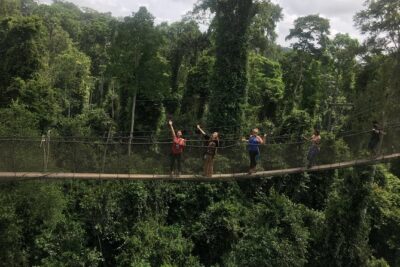
Cape Coast/Elmina Slave Dungeon and Canopy Walkway Private Tour
Read our review →
Assin Manso Slaves River and Cape Coast Castle Tour
Read our review →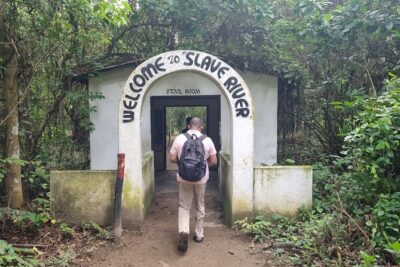
Assin Manso Slave River, Cape Coast and Elmina Castle Day Tour
Read our review →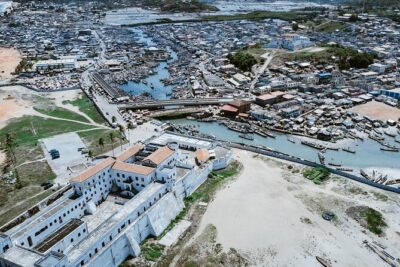
Cape Coast Castle, Assin Manso Slave River & Kakum Day Tour.
Read our review →
Assin Manso Slave River and Cape Coast Castle Private Day Tour
Read our review →
Cape Coast Slave Dungeons Heritage Tour & Lunch
Read our review →
Cape Coast Castle, Assin Manso Slave River and Door of No Return
Read our review →
Accra Slave Castle and City Private Tour with Pick up
Read our review →Browse the lists this tour appears in