
Reviewed · CAPE COAST & ELMINA CASTLE TOURS
Assin Manso Slaves River and Cape Coast Castle Tour
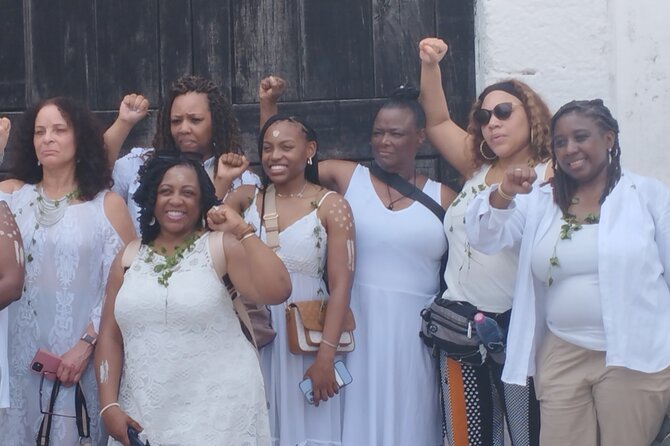
The past is close to the surface here. This long day from Accra links the Assin Manso Slave Ancestral River, Cape Coast Castle, and Kakum National Park into one powerful journey through Ghana’s history and forest. I like the private vehicle and pickup service, which make a 10 to 15-hour day easier to manage, and I like the way the tour connects remembrance, colonial history, and outdoor adventure. The main drawback is the early 5:30 am start and the rougher roads outside central Accra.
This is a serious history tour, not a light sightseeing outing with a little culture added on. Guides such as Freedom and Foster have earned strong praise for their care, safety, and patience, though one past booking raised concerns about vehicle cleanliness and guide flexibility. You should also know that lunch is not included, and the Kakum hike adds real physical effort.
In This Review
- Key points to know before booking
- Why this day from Accra carries so much weight
- Assin Manso and the last bath before the coast
- Cape Coast Castle and the Door of No Return
- Kakum National Park and the canopy walk
- The route, roads, and very early start
- Guides, safety, and the human side of the day
- Is the $220 price a fair deal?
- Who should book this experience?
- Should you book the Assin Manso and Cape Coast tour?
- FAQ
- Where does this tour begin?
- How long does the experience last?
- Is this a private tour?
- What sites are included?
- Can I visit Elmina Castle instead of Kakum?
- Is the Kakum admission fee included?
- Is lunch included?
- What should I wear for Kakum?
- Is pickup and drop-off included?
- Can I cancel for a full refund?
Key points to know before booking
- Three major Ghana stops in one day: Visit Assin Manso, Cape Coast Castle, and Kakum National Park, with the option to replace Kakum with Elmina Castle.
- A private tour for your own group: You do not share the activity with unrelated people, and pickup and drop-off are offered within Accra.
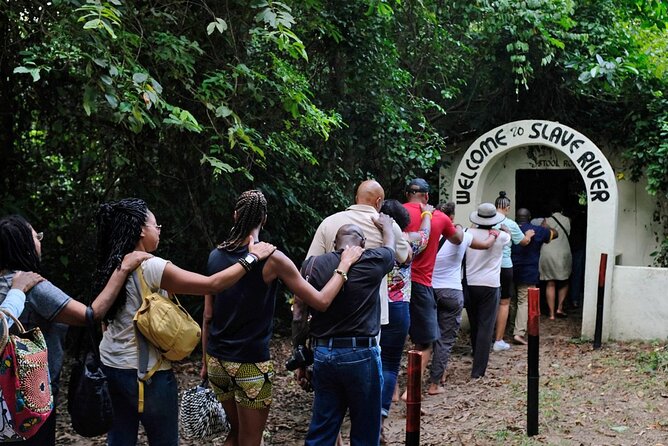
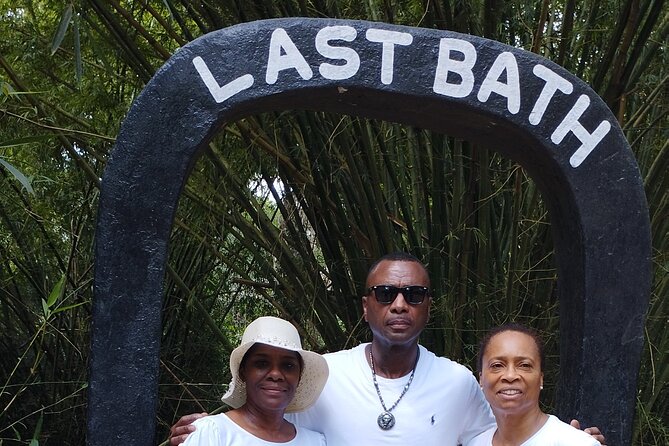
- The Assin Manso river carries deep meaning: This was the final bathing place for enslaved Africans before they were taken toward the coastal castles.
- Cape Coast Castle includes the Door of No Return: You see the museum, dungeons, and rooms tied to the trans-Atlantic slave trade.
- Kakum requires a 15 to 20-minute uphill hike: Wear sneakers or sporty shoes, carry a face towel, and be ready for heat and forest humidity.
- The day begins before sunrise: The 5:30 am start helps fit distant sites into one day, but you should expect a tiring schedule.
Why this day from Accra carries so much weight
The strength of this experience is the way the stops fit together. Assin Manso helps you understand the journey inland and the treatment of captives before their forced march toward the coast. Cape Coast Castle then shows the prison system and final point of departure. Kakum changes the mood with trees, height, and movement, giving the day an outdoor finish.
I like that the tour does not reduce Ghana’s connection to the trans-Atlantic slave trade to one museum visit. You move through places connected to different stages of the process. That physical sequence can make the subject feel less abstract, even though the day also asks a lot from you emotionally and physically.
The tour is private, so your guide can focus on your group’s questions and pace. That matters at sites where you may want a quiet moment, a longer explanation, or time to reflect. It also helps if you are traveling alone, with family, or with a group organized through a company or travel agent.
At the same time, you should set realistic expectations. This is not a relaxed coastal day with long breaks. The drive from Accra is substantial, the start is early, and road conditions outside the city can slow the journey. One past booking specifically noted difficult roads and concerns about the vehicle. That experience appears to be an exception among the otherwise high ratings, but it is still useful information when deciding how much comfort and polish you require.
Other visits to the Cape Coast and Elmina castles:
- The Cape Coast Day Tour
★ 5.0 · 525 reviews - The Cape Coast Tour
★ 5.0 · 177 reviews - From Accra: Cape Coast, Elmina Castle & Kakum Park Day Tour
★ 4.6 · 144 reviews
Assin Manso and the last bath before the coast
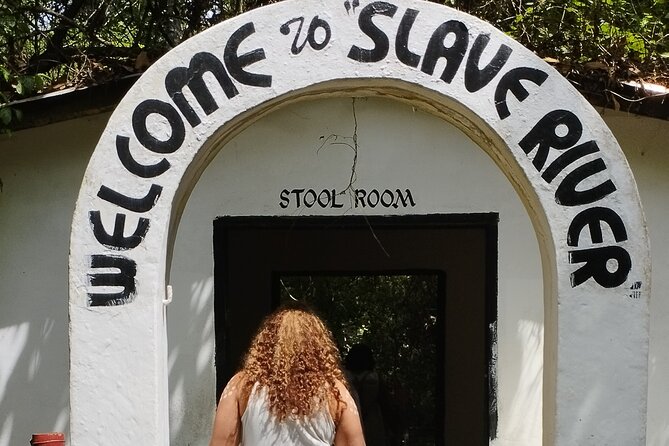
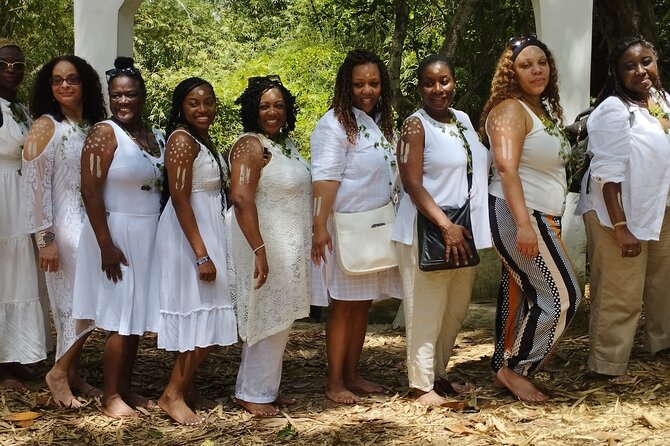
Assin Manso Slave Ancestral River Site is the emotional starting point described for this journey. Enslaved Africans were brought to the river for what became their last bath on African soil before they were taken to the coastal castles and eventually shipped across the Atlantic.
The site also reflects the cruel commercial logic of slavery. Captives were fed and washed so they could appear healthy and attractive to buyers. Branding irons were used to burn marks onto the shoulder, breast, or upper arm. These marks could identify ownership or show that a duty had been paid.
That detail makes Assin Manso more than a scenic stop beside water. It shows how human beings were treated as property and prepared for sale. You should expect the visit to be quiet and reflective rather than entertaining. Give yourself time to listen and take in the meaning of the place.
The site is now a sacred place of remembrance. It is also associated with the remains of two people from the African diaspora, Lady Crystal from Jamaica and Samuel Carson from New York, who were brought back to Ghana. Their presence gives the stop a modern connection to descendants seeking a relationship with the continent and with those who came before them.
I find this part especially valuable for anyone visiting Ghana as part of a family, cultural, or ancestral journey. The site links the forced movement of the past with the return and remembrance of people from the diaspora today. It is a place where the historical subject becomes personal very quickly.
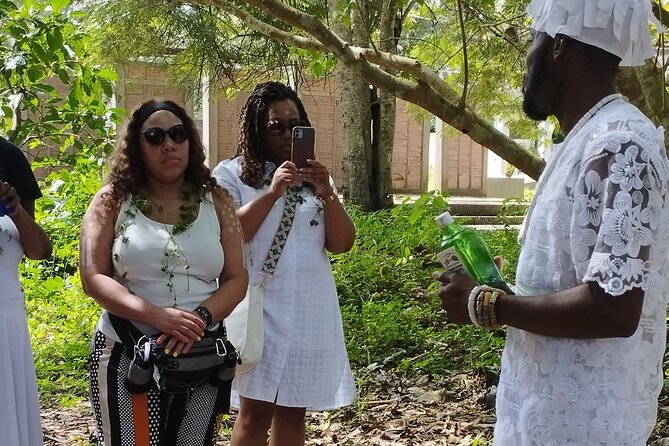
Your guide’s quality matters a great deal here. A good explanation can provide context without rushing you or turning the visit into a performance. The tour has received strong praise for guides who answer questions carefully and treat the subject with respect. Still, guide quality can vary, so if your guide moves too quickly, ask for more time at the river and memorial areas.
Cape Coast Castle and the Door of No Return
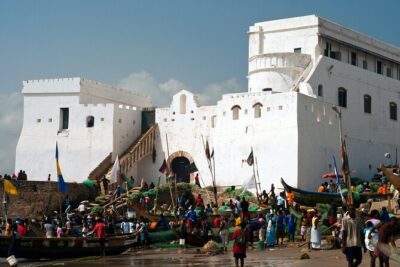
Cape Coast Castle is the central historical stop. Built on Ghana’s coast, it served as a slave castle and later as an administrative center for British rule in West Africa. The tour includes the museum and the dungeons where enslaved people were held while awaiting shipment to the New World.
The castle’s most famous feature is the Door of No Return. The name refers to the final passage toward the ships, and it has become one of the most significant symbols connected to the forced departure of Africans from the continent.
You will likely find this visit more demanding than a standard fort tour because the spaces are tied to confinement, violence, and separation. The dungeons are essential to understanding the system, but they can also be difficult to experience. I recommend listening closely to the guide and taking your time rather than trying to hurry through for photographs.
The museum adds useful context to the rooms and architecture. The castle was not only a military or trading site. It was also part of a wider system in which European powers, local authorities, merchants, and shipping networks were connected to the trafficking of enslaved people. The tour description specifically places the castle within the trans-Atlantic slave trade and British administration, giving you a broader frame than the dungeons alone.
One hour is listed for the castle. That is enough for a focused visit, but it is not an unlimited amount of time for every room, exhibit, and question. If Cape Coast Castle is your main reason for booking, ask your guide at the start how the available time will be divided.
This is also where the tour’s emotional arc reaches its hardest point. Assin Manso shows an inland stage of the journey. Cape Coast Castle shows imprisonment and departure. For many people, the combination makes the day feel like a pilgrimage rather than a standard excursion.
Kakum National Park and the canopy walk
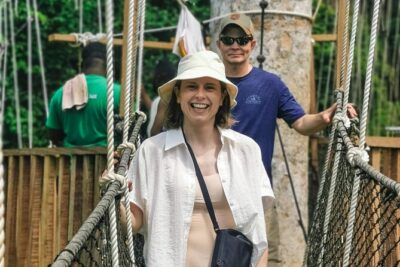
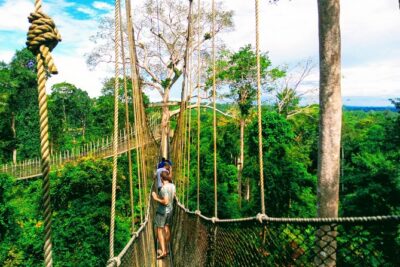
Kakum National Park supplies a sharp change of pace. After the memorial and castle visits, you enter a rain forest and take a 15 to 20-minute hike uphill before reaching the canopy walkway.
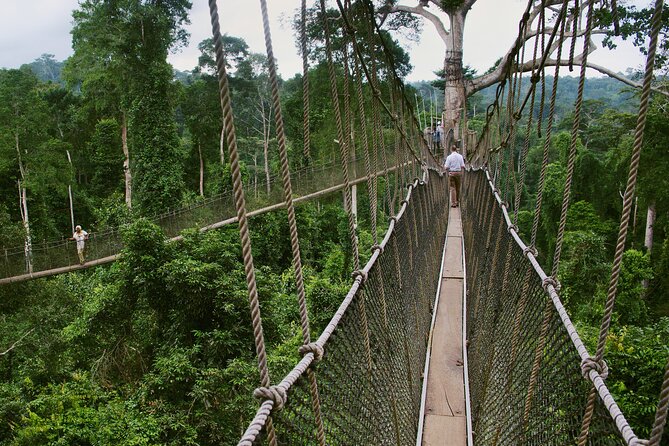
Do not treat the walk to the canopy as a flat stroll. You are climbing a hill, and the forest can make the effort feel stronger. Sporty shoes or sneakers are the sensible choice. A face towel is also recommended because heat and humidity can make the hike uncomfortable.
The canopy walkway gives you a view from above the forest floor. The tour lists about one hour for the national park, including the hike and canopy experience. That creates a compact visit, but it can be a welcome physical release after the morning’s heavy subject matter.
The physical challenge is a useful part of the planning decision. Most people can take part, but the hike may not suit everyone. If you have limited stamina or simply do not want an uphill walk at the end of a long day, the experience allows you to skip Kakum and visit Elmina Castle instead.
That alternative is important because it gives the private group some choice. You can keep the day focused on coastal history by choosing Elmina, or add forest scenery and a physical activity at Kakum. Confirm the preferred option when booking or before departure, since the route description presents both possibilities.
Other stops on the slave route from Accra:
- Cape Coast/Elmina Slave Dungeon and Canopy Walkway Private Tour
★ 5.0 · 24 reviews - Assin Manso Slave River, Cape Coast and Elmina Castle Day Tour
★ 5.0 · 19 reviews - Cape Coast Castle, Assin Manso Slave River & Kakum Day Tour.
★ 5.0 · 19 reviews - Assin Manso Slave River and Cape Coast Castle Private Day Tour
★ 5.0 · 16 reviews
The route, roads, and very early start
Pickup begins at 5:30 am, with service offered within Accra city. That early departure is necessary for a day that includes distant sites, multiple admissions, and the return drive. It also means you should arrange your morning carefully and expect to be sleepy at the beginning.
The route description presents the stops in slightly different orders. One version places Assin Manso first, followed by Cape Coast Castle and Kakum, while the stop list presents Kakum, Cape Coast Castle, and Assin Manso. The exact order may depend on the day’s road conditions and the guide’s plan, so ask for confirmation before setting out.
The vehicle is air-conditioned, and fuel and rental costs are included. Bottled water is also provided. Those details matter on a full-day outing, especially in Ghana’s heat, but you still need to bring food because lunch is excluded.
The drive outside central Accra can be rough in places. One booking specifically raised concerns about road construction, vehicle cleanliness, and the guide’s flexibility. The company responded that road construction had been explained before departure and accepted the criticism as something to address. I would not cancel solely because of this isolated complaint, but I would keep expectations practical: the road portions may be tiring, and the vehicle may not feel luxurious.
The private format helps here. You can ask for a brief pause, discuss the pace, and decide between Kakum and Elmina with your own group. It does not remove the distance or road conditions, but it gives you more control than a large scheduled coach tour.
Guides, safety, and the human side of the day
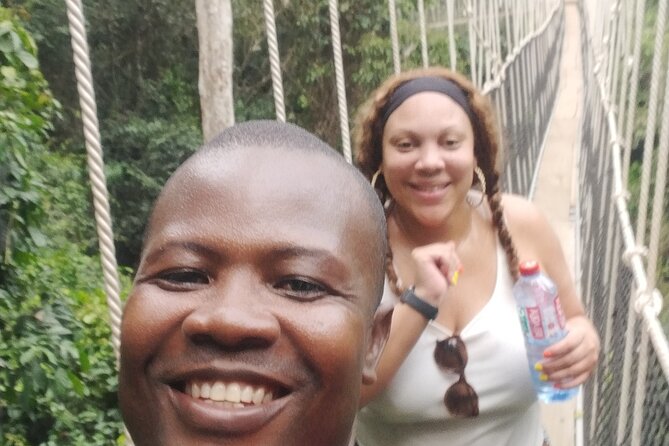
The strongest praise is aimed at the guides. Freedom is described as professional, accommodating, and especially helpful during a long day with difficult driving. Foster received strong praise from a solo woman who valued feeling safe and appreciated his willingness to answer questions and introduce new experiences, including local food tasting.
Other bookings mention Freedom and Foster together, as well as Kwame and Foster. The comments point to guides who can make the day feel personal, particularly for solo visitors and couples seeking a meaningful ancestral or spiritual journey.
Safety is a clear priority for the operator, and the private format adds reassurance for people who prefer not to join a large group. Service animals are allowed, the tour is near public transportation, and the information says most people can participate. Those points do not replace personal judgment, especially with the early start and uphill hike, but they make the tour workable for a broad range of participants.
The guide is also important for tone. This subject needs care. You want clear explanations, room for questions, and respect for the people connected to these sites. If you are visiting for family or ancestral reasons, tell the guide early. That may help shape the conversation and allow more time for the parts that matter most to you.
Is the $220 price a fair deal?
At $220 per person, this is not a cheap day trip. The value depends on what you want from the experience and how many people share the private vehicle.
The price includes all fees and taxes, an air-conditioned vehicle, car rental and fuel, pickup and drop-off within Accra, bottled water, and a professional guide. Admission to Kakum, Cape Coast Castle, and Assin Manso is included as well. Since the day covers considerable distance and three major stops, the package can be reasonable for someone who wants transport, guiding, and entry costs handled together.
Lunch is not included, so you need to budget for that separately. The company has also indicated that breakfast may be offered because of the early pickup, but it is complimentary rather than a paid part of the package, and you should not rely on it as a full meal.
The private arrangement gives the price more value for couples, families, corporate groups, or friends traveling together. A solo visitor pays the full per-person rate but receives the benefit of a private experience and direct attention from the guide. Group discounts are available, so larger parties should ask for the current rate before booking.
Free cancellation is available if you cancel at least 24 hours before the local start time. Cancellations within 24 hours are not refunded, and late changes are not accepted. That policy is fairly simple, but the 5:30 am start makes it wise to decide early if the schedule suits you.
Who should book this experience?
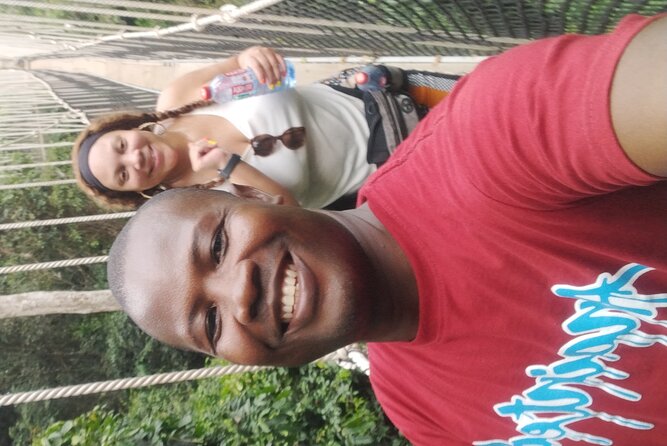
I would choose this tour if you want one demanding day that combines Ghana’s slavery history, ancestral remembrance, and a forest adventure. It suits first-time visitors who want to cover important sites from Accra without arranging separate transport.
It is also a strong choice for diaspora visitors, families, solo people, and couples who want a private setting. The emotional focus may be especially meaningful if you are tracing family connections or looking for a place of remembrance.
I would think twice if you dislike long drives, early mornings, rough roads, or tightly packed schedules. The hike at Kakum may also be a concern. You can choose Elmina Castle instead, but you should make that decision clearly before the day begins.
Should you book the Assin Manso and Cape Coast tour?
Book it if the history and meaning of Assin Manso and Cape Coast Castle are central to your Ghana trip. The combination of the river site, castle dungeons, Door of No Return, and a private guide creates a serious and memorable day.
Go in prepared for the early start, the long drive, lunch costs, and possible road discomfort. Wear proper shoes if you choose Kakum, ask about the route order, and tell the guide what you want from the day. With those expectations in place, the $220 price can offer good value, especially for a private group that wants transport, admissions, and guiding in one package.
FAQ
Where does this tour begin?
The tour begins with pickup in Accra city at 5:30 am.
How long does the experience last?
The full experience lasts approximately 10 to 15 hours.
Is this a private tour?
Yes. Only your own group participates in the private tour or activity.
What sites are included?
The tour includes Assin Manso Ancestral Slave River Park, Cape Coast Castle, and Kakum National Park with the canopy walkway.
Can I visit Elmina Castle instead of Kakum?
Yes. The tour information says you can skip Kakum National Park and visit Elmina Castle instead.
Is the Kakum admission fee included?
Yes. Admission to Kakum National Park is included.
Is lunch included?
No. Lunch is not included in the tour price.
What should I wear for Kakum?
Wear sporty shoes or sneakers for the 15 to 20-minute forest hike and uphill walk. A face towel is also recommended.
Is pickup and drop-off included?
Yes. Pickup and drop-off within Accra city are included.
Can I cancel for a full refund?
Yes, if you cancel at least 24 hours before the experience start time. Cancellations or changes made within 24 hours are not refunded.
Most recently reviewed around Accra
- Visit Aburi Garden, Tetteh Quarshie Cocoa Farm & Waterfall★ 4.0 · 4 reviews
- Private 9-Day Tour in Ghana★ 5.0 · 2 reviews
- Wli Waterfalls, Mount Afadjato & Tafi Atome Monkey Sanctuary★ 5.0 · 2 reviews
- Cape Coast and Elmina castle Day Trip★ 5.0 · 2 reviews
- Time with Nature★ 5.0 · 2 reviews
- Culinary for Social Change-Cooking Class★ 5.0 · 2 reviews
- Private Slave Castles and Dungeons Tour in Cape Coast, Ghana★ 5.0 · 3 reviews
- Experience Accra★ 5.0 · 2 reviews
Cape Coast & Elmina Castle Tours, compared.

Cape Coast, Elmina Castle & Kakum Park Day Tour
Read our review →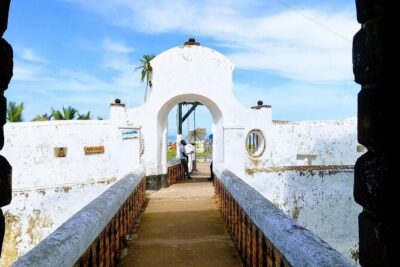
Cape Coast ,Elmina Castle and Kakum Full-Day Tour
Read our review →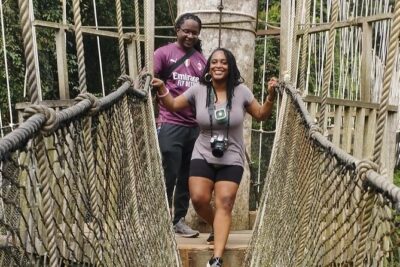
10 Days Trip to Cape Coast and Elmina Castles from Accra
Read our review →
The Homecoming Experience To Cape-coast And Elmina.
Read our review →Browse the lists this tour appears in