Reviewed · ACCRA TOURS
Discover Ghana in 8 days
Ghana rewards curious visitors with variety. This eight-day private trip links Accra’s old quarters, Ashanti royal sites, cocoa country, craft villages, slave forts, and rainforest in one well-planned route. I like the way it combines major sights with everyday places such as Nima, James Town, Kejetia Market, and local weaving villages.
I also like the private format, since your group can travel with its own driver and guide rather than follow a large bus. The inclusion of hotels, breakfast, park fees, bottled water, activities, and transport makes the $2,000 price easier to judge. The main concern is the pace: long drives, early starts, market visits, and several emotionally heavy historical sites make this a full week rather than a relaxed holiday.
Two past guests had especially positive experiences with the company’s staff. One praised driver Paul and guide Patrick for making a family trip memorable, while another highlighted driver Michael’s punctuality and professional manner after working with Mimi to customize the route. I would still confirm your assigned team before departure, but those details suggest that personal service is a major strength.
In This Review
- Key Points to Know Before Booking
- Day One: A Simple Arrival in Accra
- Day Two: Nima, James Town, and Old Accra
- Day Three: Cocoa and the Ashanti Kingdom
- Day Four: Manhyia Palace and Ashanti Craft Villages
- Day Five: A Second Look at Kejetia and Assin Manso
- Day Six: Elmina Castle and Cape Coast Castle
- Day Seven: Kakum’s Canopy Walkway and Local Industry
- Day Eight: Makola Market and Airport Departure
- What the $2,000 Price Covers
- Pace, Comfort, and Who Should Book
- Should You Book This Ghana Tour?
- FAQ
- How long is the Ghana tour?
- Where does the tour begin?
- What time does the tour start?
- Is this a private tour?
- Are meals included?
- Does the price include accommodation and park fees?
- What level of fitness is needed?
Key Points to Know Before Booking
- Accra begins with real city life: Nima, James Town, the lighthouse, old forts, and the Arts Centre provide more than a quick capital-city introduction.
- Ashanti culture gets several days: Manhyia Palace, traditional buildings, adinkra, kente, carving, Kejetia Market, and Lake Bosumtwi form the cultural center of the trip.
- The cocoa stop is educational: The Cocoa Research Institute of Ghana offers a guided look at one of the country’s best-known products.
- The coast brings difficult history: Assin Manso, Elmina Castle, Cape Coast Castle, and the museum require attention and emotional space.
- Kakum adds an active day: The canopy walkway gives you a different view of Ghana’s rainforest, but a moderate fitness level is expected.
- The trip is private and flexible: Only your group participates, and the route can apparently be adjusted with help from the company.
Day One: A Simple Arrival in Accra
Your first day is deliberately easy. On arrival, a representative meets you in an air-conditioned vehicle and takes you to a boutique hotel. Seven nights of accommodation are included, so you do not need to arrange a new hotel in each destination.
The practical point is that the trip starts with a transfer rather than a scheduled sightseeing program. That matters after an international flight. You can settle in, meet the team, and prepare for an 8:30 a.m. start the following morning.
Hotel pickup is included, but the stated meeting point is Accra Mall at Plot C11, Tetteh Quarshie Interchange, Spintex Road. I would confirm the exact pickup arrangement before arrival, especially if your hotel is not near the mall. The official end point is back at the meeting point, with airport drop-off included on the final day.
More Accra outings people pair with this:
- The Cape Coast Day Tour
★ 5.0 · 525 reviews - Experience the Beauty, History and the Culture Of Accra in a Day
★ 5.0 · 323 reviews - The Cape Coast Tour
★ 5.0 · 177 reviews
Day Two: Nima, James Town, and Old Accra
The Accra city tour begins in Nima, a suburb that gives you a look at daily life beyond the capital’s formal center. You meet local families and see how people live and work in this part of the city.
This is one of the tour’s most useful choices. A capital can feel flat if you only see monuments and shopping streets. Nima adds human scale, though you should approach the visit with respect and follow your guide’s advice about photography and personal space.
The route continues to James Town, described as the original Accra. Its old streets lead to a 19th-century lighthouse, Dutch-built Ussher Fort, and Portuguese James Fort. These sites show how European trading powers shaped the coast and the city long before modern Accra took form.
Climbing the old lighthouse offers a broad view of the city. I like that this is not just a photo stop. The height helps you understand how the historic quarter relates to the newer parts of Accra.
You also visit the Arts Centre for National Culture. It is a practical place to begin seeing Ghanaian crafts, but shopping can take patience. If you are interested in buying art or souvenirs, ask your guide about fair prices and take time before committing to a purchase.
Day Three: Cocoa and the Ashanti Kingdom
The journey to the Ashanti Region includes a stop at the Cocoa Research Institute of Ghana, known as CRIG. A guided visit gives context to cocoa production, so chocolate lovers get more than a passing mention of the crop.
This stop is valuable because it connects a familiar product to the place where it is researched and grown. You may find the visit more technical than the craft villages later in the trip, but it adds substance to the route.
After reaching the Ashanti area, you visit Asante traditional buildings, including the Asemaso Traditional Shrine. These sites introduce the architecture and beliefs of the Ashanti people. Your local guide is especially important here, since the meaning of a shrine or building may not be obvious from its appearance alone.
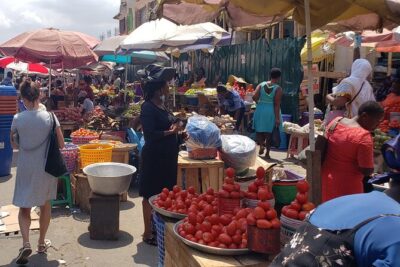
After lunch, the itinerary includes Kejetia Market, one of West Africa’s largest open-air markets. It is a major shopping and trading center, with a scale that can feel overwhelming if you are expecting a quiet cultural stop.
Keep your belongings secure and stay close to your guide. The market is included again on Day Five, which may feel repetitive, but the repeat visit can work well if you want time to shop, observe, or return to an area you saw too quickly.
Day Four: Manhyia Palace and Ashanti Craft Villages
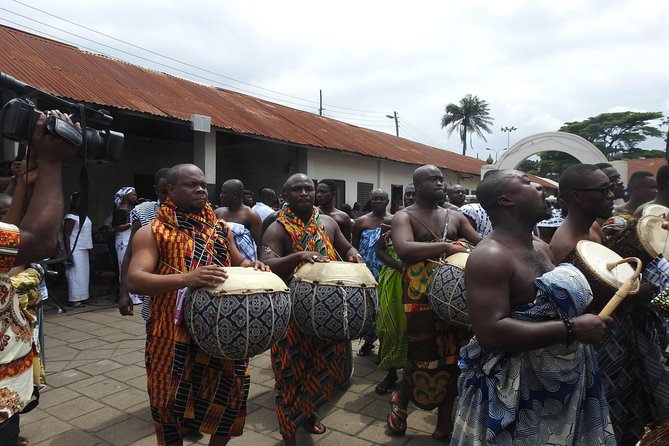
Day Four brings the strongest concentration of Ashanti culture. You begin at Manhyia Palace, the seat of the Ashanti Kingdom. This visit gives political and royal context to the customs introduced at the traditional buildings.
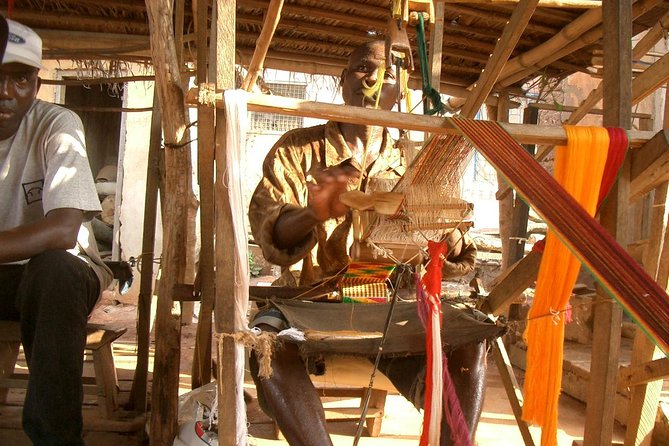
The craft villages make the day more hands-on. Ntonso is known for adinkra design, a visual tradition associated with symbols and stamped cloth. Ahwiaa is associated with carving, while Adanwomase is known for kente weaving.
At Adanwomase, you can interact with local people and learn about traditional skills such as weaving, palm-wine tapping, and farming. The word learn matters here. This is not simply a gallery visit where you look at finished objects. You get a chance to understand how materials, skills, and local work fit together.
I would set aside room in your luggage for textiles or small crafts, but do not feel pressured to buy at every stop. Shopping is part of the experience, yet the real value is seeing how a design is made and hearing the story behind it.
The day ends beside Lake Bosumtwi, a crater lake believed to have been created by a fallen meteorite. After several cultural visits, the lake provides a change of pace. The itinerary does not promise a boat ride or a long lakeside activity, so treat it as a scenic stop rather than a full resort day.
Further from Accra, and a different kind of day:
- From Accra: Cape Coast, Elmina Castle & Kakum Park Day Tour
★ 4.6 · 144 reviews - Accra Detailed City Tour
★ 4.5 · 118 reviews - Accra Guided City Tour Experience
★ 4.7 · 88 reviews - Accra Guided City Tour Experience
★ 5.0 · 76 reviews
Day Five: A Second Look at Kejetia and Assin Manso
The morning returns to Kejetia Market before the journey continues toward the Central Region. A second visit makes sense if the first day was crowded or rushed. You might use this time for final shopping, a closer look at market life, or a purchase you wanted to consider overnight.
The next stop is Assin Manso, the location of a slave river. This is an important site in understanding the forced movement of Africans before they were taken to coastal forts and castles.
The subject is difficult, and the route does not treat it as casual sightseeing. I recommend giving yourself time to listen carefully and ask questions. Comfortable transport and bottled water are included, but emotional preparation matters just as much as physical comfort on this part of the trip.
Because the tour covers both inland sites and the coast, you see the wider chain of places connected to the slave trade rather than only one famous castle. That broader view is one of the strongest reasons to choose the full eight-day route.
Day Six: Elmina Castle and Cape Coast Castle
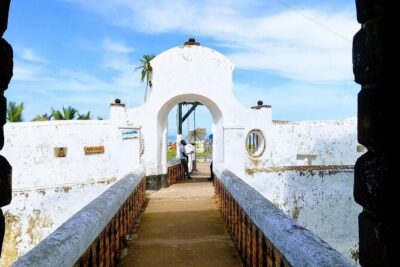
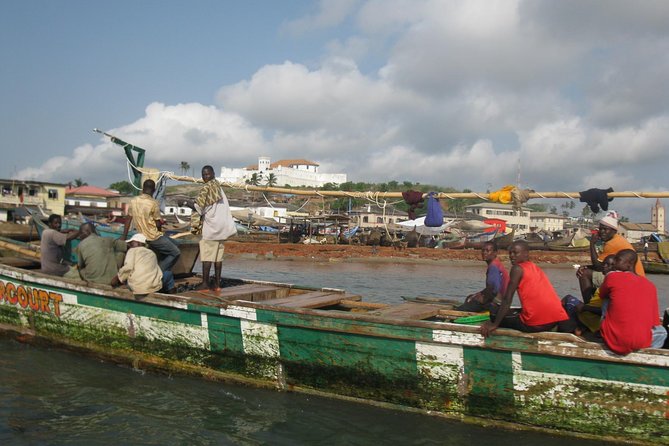
Day Six focuses on two of Ghana’s best-known coastal forts. You begin at Elmina Castle, described as well preserved, and continue to the nearby Elmina fish market.
The contrast is striking. The castle represents European power and imprisonment, while the fish market shows a working coastal community in the present. I like the pairing because it prevents the day from becoming a visit to a silent monument with no connection to modern life.
Cape Coast Castle follows. It is a UNESCO World Heritage site and houses the West African Historical Museum. The museum adds context to the buildings, trade networks, and people affected by the coastal fort system.
You should expect guided visits, enclosed spaces, and serious subject matter. This is not the sort of day where you rush from room to room for photographs. Wear comfortable clothing, listen closely, and keep your schedule open enough to process what you have seen.
The tour description does not include lunch, drinks, or food costs, so plan for those expenses throughout the week. Alcoholic drinks are also excluded, though they are available to purchase.
Day Seven: Kakum’s Canopy Walkway and Local Industry
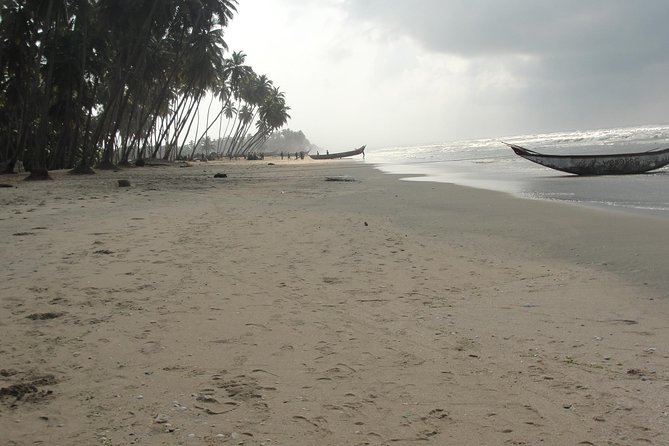
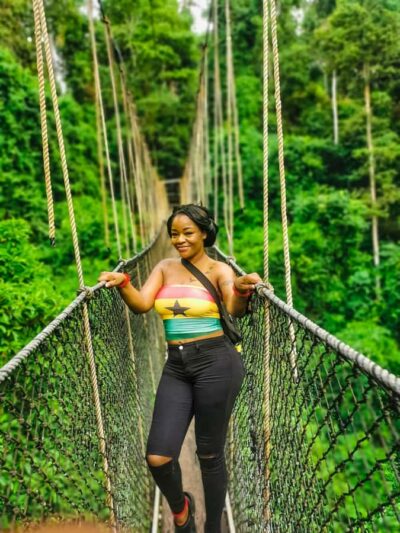
Kakum National Park brings a different side of Ghana. The park contains undisturbed rainforest, and the main activity is a walking route on its canopy walkway, described as the longest and highest in West Africa.
This is the most active day of the itinerary. The tour asks for a moderate level of physical fitness, so you should be comfortable walking through a natural park and using the elevated walkway. If heights make you uneasy, ask the guide what alternatives are available before you arrive, since no specific alternative is listed.
The walkway changes your view of the forest. Instead of seeing trees only from ground level, you look across the upper sections of the rainforest. The route is a memorable counterpoint to the castles and markets, but it is not a passive sightseeing stop.
The day also includes a brief stop at Hans Botel, home to crocodiles and many birds. You then visit a rubber and oil palm plantation and a local factory to see work in progress.
These visits help you connect the scenery to local production. They also make the day varied, though some parts may be more interesting to you than others depending on your interest in agriculture and manufacturing. The included national park fees remove one common extra cost.
Day Eight: Makola Market and Airport Departure
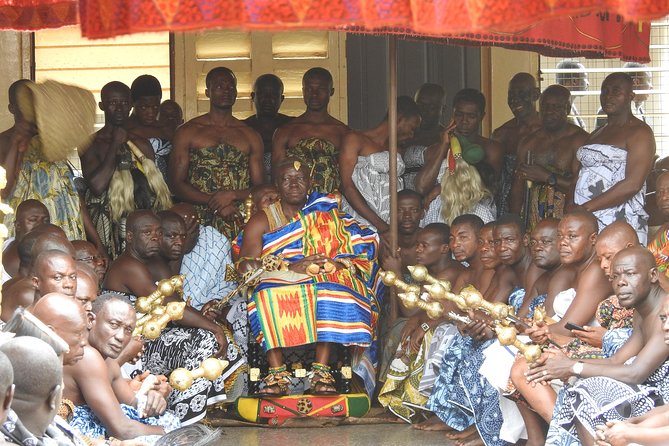
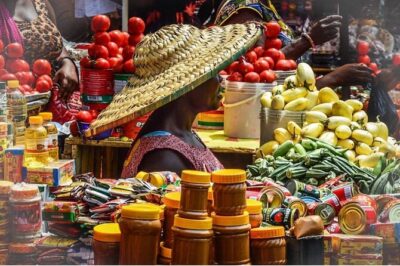
The final day is set aside for last-minute shopping. Makola Market is colorful and practical, while Accra’s Oxford Street offers another type of urban shopping experience.
This is a smart ending for anyone who wants to buy crafts, cloth, or gifts after seeing where many traditions come from. You will have a better idea of what you want than you did on Day Two, and the final shopping stop gives you one last chance to spend local currency before departure.
The itinerary then takes you to the airport for your flight. Since departure times vary, confirm how much time you will have for Makola Market and Oxford Street. The schedule may be comfortable for some flights and tight for others.
What the $2,000 Price Covers
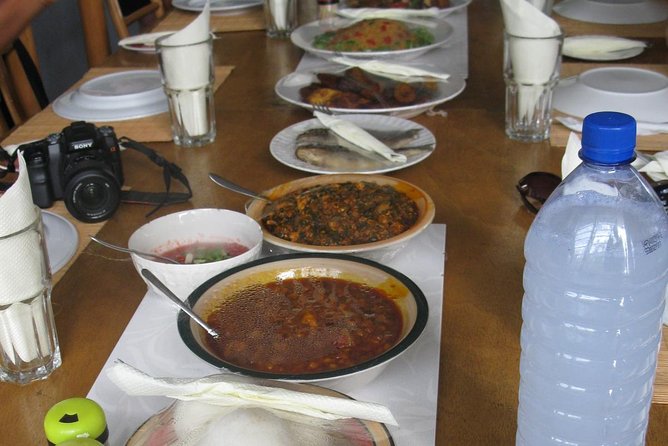
At $2,000 per person, this is not a budget independent trip, but the price includes seven nights of accommodation, fuel surcharge, breakfast, bottled water, national park fees, all listed activities, a driver and guide, a local guide, hotel pickup, and hotel drop-off.
The private vehicle is a major part of the value. Ghana’s route covers Accra, the Ashanti Region, the Central Region, and several rural or coastal stops. Having transport arranged means you are not piecing together long-distance transfers, hotel changes, and site visits on your own.
The private format also matters for families and small groups. You can ask questions without competing with a large crowd, and the pace may be easier to adjust. The two strong comments about Paul, Patrick, Michael, and Mimi point to the importance of the people running the trip. Good timing and clear communication can make a long road journey much easier.
The price does not include lunch, dinner, general drinks, alcoholic drinks, or other food and beverage purchases. Add a realistic meal budget, especially on days when you are away from the hotel for many hours.
Group discounts are available, but the amount is not stated. Ask for the current group rate before booking. Since the tour is private, the final cost may make more sense for families or friends traveling together than for one person booking alone.
Pace, Comfort, and Who Should Book
You should expect a busy schedule. The tour combines walking in city neighborhoods, market visits, cultural sites, long road transfers, a rainforest walkway, and several historical locations. It is best for someone who wants to see a broad part of Ghana in one trip, not someone looking for several days beside a pool.
Families can benefit from the private arrangement, especially because the driver and guide can provide direct help. The positive family experience involving a mother, daughter, and niece also suggests that the format can work across generations, though the full schedule may be tiring for anyone with limited mobility.
A moderate fitness level is required. You should be ready for walking at Nima, James Town, markets, castles, craft villages, and Kakum. Smart-casual clothing is requested, so pack light clothing that still suits visits to cultural and religious sites.
The tour’s pickup information deserves a quick check. Hotel pickup is included, but Accra Mall is listed as the meeting point with an 8:30 a.m. start. Confirm the exact pickup time and location with Blastours Ghana after booking.
Free cancellation is available if you cancel at least 24 hours before the start time. Inside that window, the amount paid is not refunded, and changes are not accepted.
Should You Book This Ghana Tour?
I would choose this tour if you want Ghana’s major cultural and historical themes in one private itinerary. The best parts are the access to Nima and James Town, the Ashanti craft villages, the cocoa stop, the serious coastal history, and the change of pace at Kakum.
I would hesitate only if you dislike long days, repeated market visits, or difficult historical subjects. You should also price in lunches and drinks, confirm the hotel pickup details, and ask about the current driver and guide team.
For families, friends, and first-time visitors who value organized transport, $2,000 can be fair for the amount covered. If you prefer slow travel, independent food stops, or extended time in one place, a customized version may suit you better. The company has already helped one guest adjust the standard route with Mimi, so ask about tailoring the schedule before you commit.
FAQ
How long is the Ghana tour?
The planned experience lasts eight days and includes seven nights of accommodation.
Where does the tour begin?
The stated meeting point is Accra Mall, Plot C11 at the Tetteh Quarshie Interchange on Spintex Road in Accra. Hotel pickup is also included, so confirm the exact arrangement before the first morning.
What time does the tour start?
The stated start time is 8:30 a.m.
Is this a private tour?
Yes. Only your group participates in the activity.
Are meals included?
Breakfast is included. Lunch, dinner, food, drinks, and alcoholic drinks are not included.
Does the price include accommodation and park fees?
Yes. The price includes seven nights of accommodation and national park fees, along with fuel surcharge, bottled water, activities, guides, and transport services listed in the package.
What level of fitness is needed?
A moderate level of physical fitness is recommended. The itinerary includes city and market walks, castle visits, and a walk on Kakum National Park’s canopy walkway.
Most recently reviewed around Accra
- Visit Aburi Garden, Tetteh Quarshie Cocoa Farm & Waterfall★ 4.0 · 4 reviews
- Private 9-Day Tour in Ghana★ 5.0 · 2 reviews
- Wli Waterfalls, Mount Afadjato & Tafi Atome Monkey Sanctuary★ 5.0 · 2 reviews
- Cape Coast and Elmina castle Day Trip★ 5.0 · 2 reviews
- Time with Nature★ 5.0 · 2 reviews
- Culinary for Social Change-Cooking Class★ 5.0 · 2 reviews
- Private Slave Castles and Dungeons Tour in Cape Coast, Ghana★ 5.0 · 3 reviews
- Experience Accra★ 5.0 · 2 reviews
Accra Tours, compared.
Experience the Beauty, History and the Culture Of Accra in a Day
Read our review →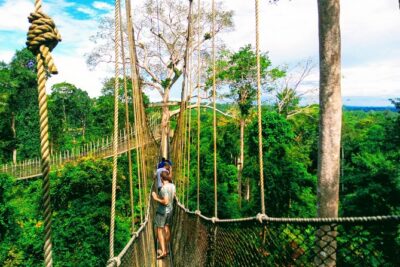
Cape Coast, Elmina Castle & Kakum Park Day Tour
Read our review →