Reviewed · ACCRA TOURS
Explore Ghana Multi Day Tour
Ghana rewards the curious. This seven-day private journey links Accra, Kumasi, Elmina, Cape Coast, and Kakum National Park through history, food, music, and local culture. I especially like the mix of major landmarks and smaller encounters, such as the Mesomagor Bamboo Orchestra and the cooking lesson. I also like that airport transfers, private transport, six breakfasts, bottled water, entrance fees, and accommodation are included.
The main tradeoff is the pace. You cover a good stretch of southern Ghana in one week, with long road journeys between Accra, Kumasi, and the coast. That makes this a strong first look at the country, but not a slow, stay-put holiday. At $2,705 per person, the price is easiest to justify if you value private service, organized transport, and a guide who handles the details.
In This Review
- Key points to know before booking
- What the $2,705 price covers
- Day 1: A gentle arrival in Accra
- Day 2: Accra’s memorials, museums, and creative trades
- Day 3: From Accra to Kumasi through Ashanti country
- Day 4: Kumasi’s royal past and the bamboo orchestra
- Day 5: Elmina Castle, Cape Coast Castle, and a Ghanaian cooking class
- Day 6: Kakum’s forest trails and the road back to Accra
- Day 7: A simple finish and airport transfer
- The guide makes the difference
- Who should book this Ghana tour?
- Should you book Explore Ghana Multi Day Tour?
- FAQ
- How long is the Explore Ghana Multi Day Tour?
- What destinations are included?
- Is transportation included?
- Are meals included?
- What level of fitness is required?
- Is this a private tour?
Key points to know before booking
- Two UNESCO-listed castles: Elmina Castle and Cape Coast Castle provide the tour’s most serious and moving historical experiences.
- Private travel: Only your group takes part, which allows more flexibility than a large coach tour.
- Ashanti culture in Kumasi: You visit Manhyia Palace Museum, the Prempeh II Jubilee Museum, the Okomfo Anokye Sword, and an ancestral shrine.
- Hands-on Ghanaian food: The cooking workshop includes fufu, ground nut soup, red-red, and palava sauce.
- Rainforest adventure: Kakum National Park offers the Kuntan Trail and a canopy walkway about 100 feet above the forest floor.
- Strong personal service: Guides named in past tours include Fuseini, Regina, and Patrick. Extra support has included a photographer named Mike and a tailor named Bryt.
What the $2,705 price covers
This is not a bare-bones sightseeing package. The fee includes an air-conditioned vehicle, private transportation, all listed fees and taxes, bottled water, an experienced guide, accommodation in the specified properties, six breakfasts, and airport transfers at the beginning and end.
That package matters in Ghana, where distances can take longer than they look on a map. You are not arranging separate rides between cities, negotiating entrance fees at each stop, or finding your own driver for the return to Accra. The private vehicle also gives your group a more comfortable base during the road sections.
Still, $2,705 is a serious price for seven days. You should check exactly which hotels are assigned, what room category is included, and whether lunches, dinners, and personal purchases are extra. The cooking session includes food, but the package does not list other meals beyond breakfast. Souvenirs, optional purchases, and items not specifically listed are also outside the price.
The value improves for couples, families, or friends who want a private trip without having to manage every moving part. Group discounts are offered, so a larger private party may find the per-person cost more attractive. The tour is also a good fit if you want a guide who can explain cultural details and help with communication along the way.
More Accra outings people pair with this:
- The Cape Coast Day Tour
★ 5.0 · 525 reviews - Experience the Beauty, History and the Culture Of Accra in a Day
★ 5.0 · 323 reviews - The Cape Coast Tour
★ 5.0 · 177 reviews
Day 1: A gentle arrival in Accra
Your trip begins at Accra airport, where you are met, assisted, and driven to your hotel. Hotel check-in is at 3 p.m., so an early arrival may leave you with some waiting time before your room is ready.
That is a small but useful detail to plan around. Keep a change of clothes and basic essentials in your carry-on, and ask in advance whether luggage can be stored if you arrive before check-in. The first day is otherwise simple, which is welcome after an international flight.
Airport pickup is included, and that first transfer can remove a fair amount of airport stress. The tour lists a 6 a.m. start time, but you should confirm how that applies to your arrival day and the later departures. The schedule as written begins with airport reception rather than a morning sightseeing stop.
Day 2: Accra’s memorials, museums, and creative trades
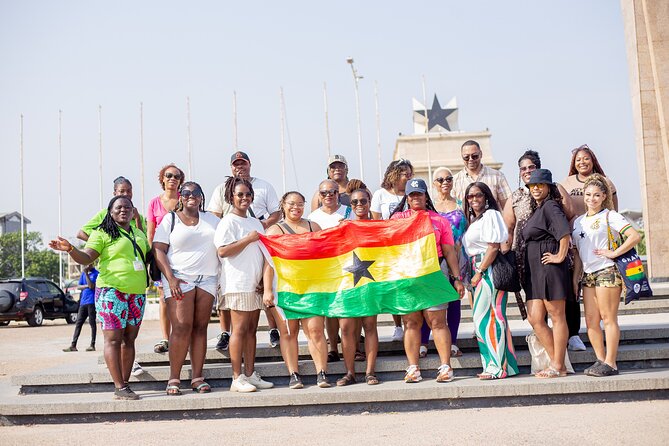
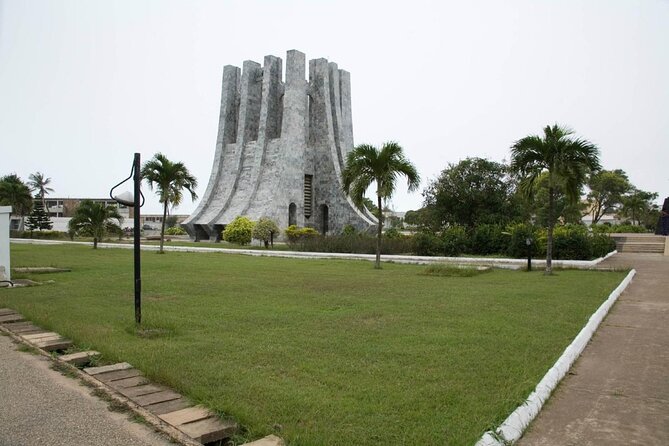
The Accra city tour gives you a useful introduction to Ghana’s capital. The Kwame Nkrumah Memorial Park is the natural starting point for understanding modern Ghana and the country’s first president. It gives the rest of the trip a political frame before you move into older Ashanti traditions and the coastal slave-trade sites.
The National Museum adds another layer. You can expect collections and displays tied to Ghanaian culture, history, and art, though the exact exhibits may vary. A guide is particularly useful here because a museum visit can otherwise become a quick walk past objects without much context.
The casket shops are one of the day’s most unusual stops. Ghana is known for fantasy coffins shaped around a person’s work, interests, or personality. The tour description calls attention to uniquely designed caskets, making this a chance to see a living art form rather than a standard souvenir display.
You also visit an arts and crafts market. This is a practical place to look for handmade gifts, but take your time before buying. The following days include craft villages and other shopping opportunities, so you do not need to purchase everything in Accra. Ask your guide which items are locally made and which prices are reasonable.
Day 3: From Accra to Kumasi through Ashanti country
After breakfast, the route heads toward Kumasi, with a stop at Ejisu Besease. The ancestral shrine there dates from around 1850 and is one of the remaining examples of traditional Ashanti architecture. This is more than a quick photo stop. It introduces beliefs, history, and the bravery associated with the Ashanti people.
The shrine also helps explain why Kumasi is such an important destination. You are moving from Ghana’s modern capital into the historic heart of Ashanti culture. Dress respectfully and listen closely to local explanations, since sacred sites call for a quieter, more attentive approach than a market visit.
The drive includes scenic villages and examples of traditional Ghanaian buildings. These road sections are part of the experience, but they also take time. If you prefer a relaxed holiday with long afternoons at one hotel, this itinerary may feel busy. If you enjoy watching daily life pass by from a private vehicle, the route gives you a broader view of the country.
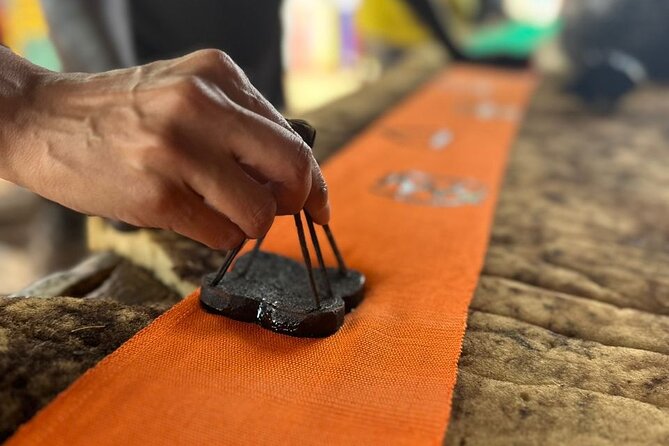
Craft villages provide another highlight. You can watch artisans work and shop for handicrafts directly along the way. This is one of the better places to spend souvenir money because you are seeing the production process and supporting local makers. Keep purchases compact, since you still have several hotel changes ahead.
You arrive in Kumasi by late afternoon, with the rest of the day free. Use it to rest, sort your luggage, or simply recover from the road. The downtime is well placed after a full travel day.
Further from Accra, and a different kind of day:
- From Accra: Cape Coast, Elmina Castle & Kakum Park Day Tour
★ 4.6 · 144 reviews - Accra Detailed City Tour
★ 4.5 · 118 reviews - Accra Guided City Tour Experience
★ 4.7 · 88 reviews - Accra Guided City Tour Experience
★ 5.0 · 76 reviews
Day 4: Kumasi’s royal past and the bamboo orchestra
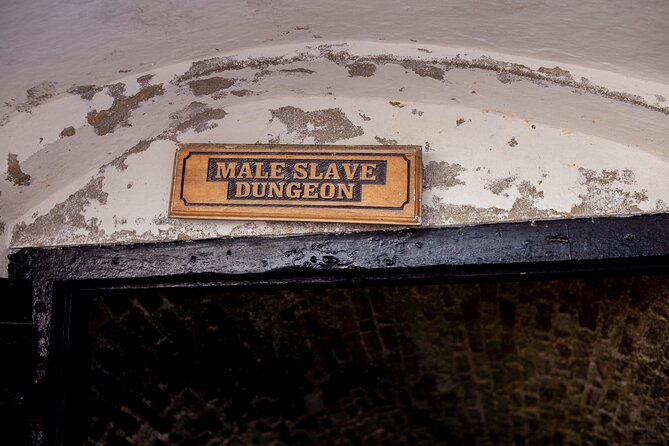
Kumasi’s morning city tour focuses on the Asante kingdom. Manhyia Palace Museum was built by the British in 1925 for Prempeh I after his return from exile in the Seychelles. It now functions as a museum and offers a direct way to explore royal life and the political history of the Ashanti people.
The Prempeh II Jubilee Museum continues that story. You also see the Okomfo Anokye Sword, an important cultural object linked to Ashanti tradition. These visits carry more weight when your guide explains the people, symbols, and events behind them. The strongest praise for this operator centers on guides who do more than point out buildings, especially Fuseini, who has been singled out for his warmth, humor, and grasp of Ghanaian culture.
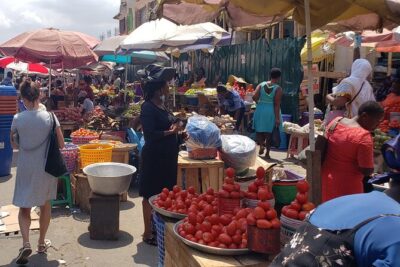
The drive past Kumasi Central Market gives you a sense of the city’s commercial scale. It is one of the largest open-air markets in West Africa, but this is a drive-by rather than a dedicated shopping visit. If you want time inside the market, ask whether the schedule allows a short walk.
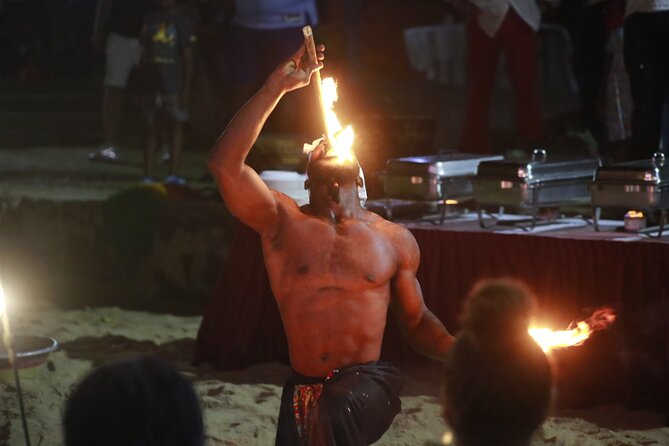
The afternoon route continues toward Elmina, with a stop in Mesomagor for the Bamboo Orchestra. Traditional bamboo percussion, music, and dance make this one of the tour’s most distinctive cultural moments. The performance is participatory in spirit and energetic, so it breaks up the long drive nicely.
You arrive in Elmina after the performance. This is another full day, and the next morning begins with major castle visits, so a quiet evening is probably the best use of your time.
Day 5: Elmina Castle, Cape Coast Castle, and a Ghanaian cooking class
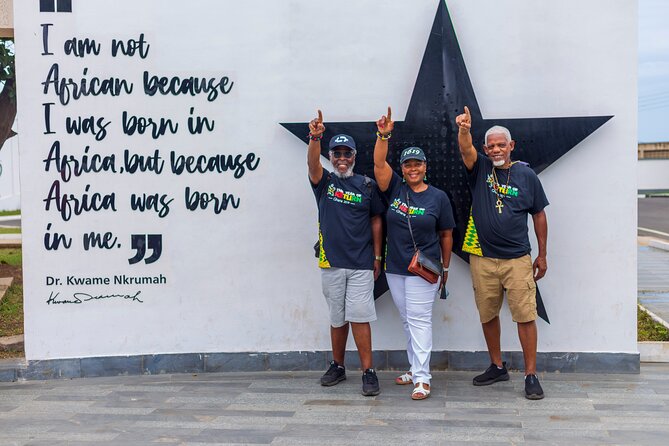
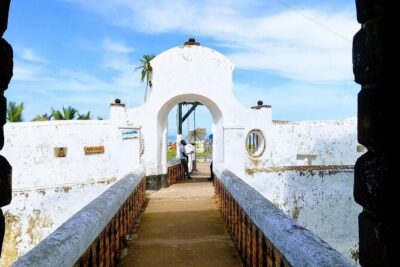
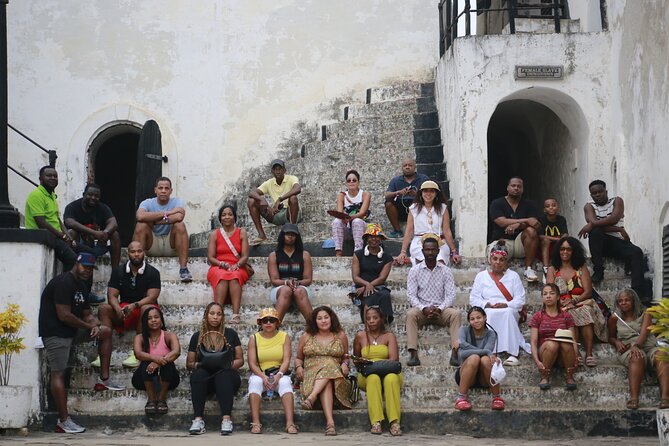
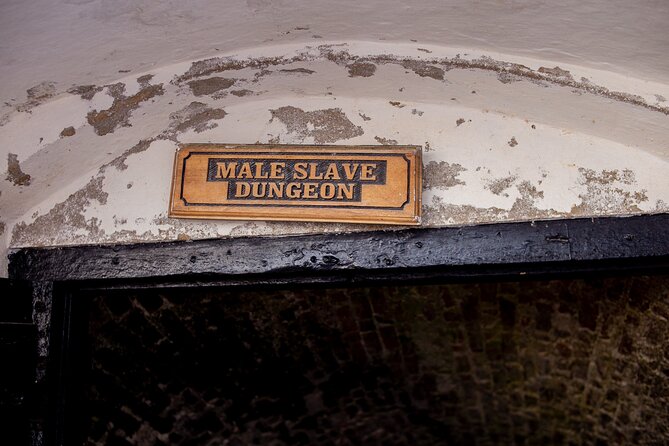
Elmina Castle is one of the tour’s essential stops. Built by the Portuguese in 1482, it was the first European structure built in sub-Saharan Africa. Its walls, rooms, and position on the coast connect European trade, colonial power, and the forced removal of Africans across the Atlantic.
Cape Coast Castle follows, with a guided tour and the West Africa Historical Museum. Built by the Swedes in 1652, it is another UNESCO World Heritage Site. The castle includes the Door of No Return, a place that carries enormous emotional weight, especially for visitors tracing family or ancestral connections to West Africa.
These sites are not light sightseeing. You should expect difficult stories and stark spaces. Give yourself room to process what you hear, and do not reduce the experience to photographs alone. The guide’s role matters greatly here, and past groups have praised the company’s staff for making the historical material clear, respectful, and personal.
The afternoon cooking workshop changes the mood without abandoning cultural learning. You learn to prepare fufu, ground nut soup, red-red, and palava sauce, then sample the dishes. Fufu is a staple made by pounding cooked ingredients into a smooth, stretchy dough, while red-red is a bean-based dish. Ground nut soup brings peanuts into the meal, and palava sauce adds leafy greens and seasoning.
This is a useful experience because food often explains daily life better than a museum label. You get practical recipes to take home, and the workshop gives you a chance to participate rather than only watch. The dishes are made with purified water, an important reassurance for anyone cautious about food and water while abroad.
The package does not promise every meal during the day, so confirm whether the cooking class replaces lunch or functions as a later meal. Breakfast is included, but other meals are not listed.
Day 6: Kakum’s forest trails and the road back to Accra
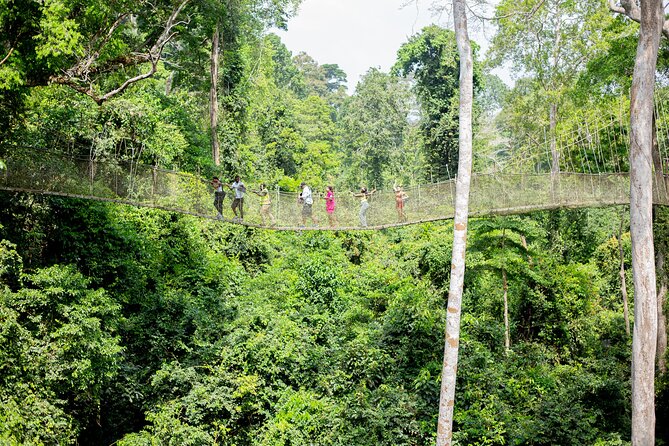
After breakfast, you leave Elmina for Kakum National Park. The morning walk follows the Kuntan Trail, where the focus is on trees with medicinal properties. This is a good counterpoint to the castles and museums because it shifts attention from human history to Ghana’s remaining rainforest.
The canopy walkway is the park’s headline attraction. Suspended about 100 feet above the forest floor, it provides a high view over the trees and surrounding plant life. You should have a moderate level of fitness for the walk, and anyone uneasy with heights should think carefully before booking. The itinerary calls it an experience for the young at heart, but the practical issue is simple: you need to be comfortable walking and crossing elevated rope bridges.
The route then returns to Accra by scenic drive. A brief stop at Abandze connects the journey to Louis Armstrong, the famous American jazz musician, whose ancestral home is associated with the village. It is a short, specific cultural link rather than a full museum visit, so keep expectations in proportion.
You reach Accra by afternoon, leaving time for last-minute shopping. This is useful because earlier markets and craft villages may tempt you to buy more than you can carry. Use this final shopping window for anything you decided to postpone, and keep receipts and packing space in mind.
Day 7: A simple finish and airport transfer
The final morning is free for packing and last-minute shopping. You are then transferred to the airport for your onward flight.
There is no scheduled sightseeing on this day, which keeps the departure less rushed. Still, check your flight time carefully and confirm the transfer arrangement, particularly if your departure is early. The tour includes the airport drop-off, but the precise pickup time is not stated.
The guide makes the difference
The strongest feature of this trip is the human service. Past groups have repeatedly praised Fuseini for being accommodating, engaging, and attentive to group wellbeing. Regina and Patrick have also been named as part of the support team on previous Ghana journeys.
That personal care matters on a trip with several long drives and emotionally serious sites. A good guide can translate when needed, explain local customs, help you support Ghana-owned businesses, and adjust the rhythm for children or older members of your group.
There have also been thoughtful extras on some trips, including photography by Mike and last-minute tailoring help from Bryt. Those services are not listed as standard inclusions for this seven-day package, so ask before assuming they are part of your booking. The wider point is that Hausa Tours appears comfortable handling the practical needs of private groups, including larger parties and family groups.
Who should book this Ghana tour?
I would choose this trip if you want a broad first visit to Ghana with the major cultural and historical stops arranged for you. It suits people interested in the Ashanti kingdom, African diaspora connections, Ghanaian food, crafts, music, and the history of the Atlantic slave trade.
It also fits families, couples, and organized groups who prefer a private vehicle and a dedicated guide. The moderate fitness requirement is manageable for many people, but the long drives, walking tours, and canopy walkway deserve honest consideration.
I would hesitate if you want beach time, nightlife, wildlife viewing over several days, or a very slow schedule. The itinerary is packed with meaningful stops, but it does not leave much room for independent exploration or spontaneous detours.
Cancellation is free up to 24 hours before the experience begins. Late cancellations are not refunded, and weather or minimum-participant issues can lead to a rescheduled date, another experience, or a full refund.
Should you book Explore Ghana Multi Day Tour?
Book it if you want Ghana’s main cultural and historical chapters in one organized week. The private format, included transport, airport assistance, and strong guide support make the $2,705 cost easier to defend than a simple hotel-and-driver package.
Before paying, confirm the hotel names, room arrangements, meal expectations, departure times, and whether any photography or tailoring help is included. If those details suit you, this is a thoughtful choice for a first Ghana visit, especially if you want the trip to feel personal rather than merely programmed.
FAQ
How long is the Explore Ghana Multi Day Tour?
The tour lasts approximately seven days, beginning with arrival at Accra airport and ending with an airport transfer on the seventh day.
What destinations are included?
The route includes Accra, Ejisu Besease, Kumasi, Mesomagor, Elmina, Cape Coast, Kakum National Park, and Abandze.
Is transportation included?
Yes. The package includes an air-conditioned vehicle, private transportation, airport pickup, and the final transfer to the airport.
Are meals included?
Six breakfasts are included. The cooking workshop includes preparation and sampling of Ghanaian dishes, including fufu, ground nut soup, red-red, and palava sauce. Other meals are not listed as included.
What level of fitness is required?
A moderate level of physical fitness is recommended. The itinerary includes walking tours, the Kuntan Trail, and a canopy walkway suspended about 100 feet above the forest floor.
Is this a private tour?
Yes. Only your group participates. Group discounts are available, and pickup is offered.
Most recently reviewed around Accra
- Visit Aburi Garden, Tetteh Quarshie Cocoa Farm & Waterfall★ 4.0 · 4 reviews
- Private 9-Day Tour in Ghana★ 5.0 · 2 reviews
- Wli Waterfalls, Mount Afadjato & Tafi Atome Monkey Sanctuary★ 5.0 · 2 reviews
- Cape Coast and Elmina castle Day Trip★ 5.0 · 2 reviews
- Culinary for Social Change-Cooking Class★ 5.0 · 2 reviews
- Time with Nature★ 5.0 · 2 reviews
- Experience Accra★ 5.0 · 2 reviews
- Historical Day Tour to Cape Coast, Elmina and Kakum★ 5.0 · 3 reviews
Accra Tours, compared.
Experience the Beauty, History and the Culture Of Accra in a Day
Read our review →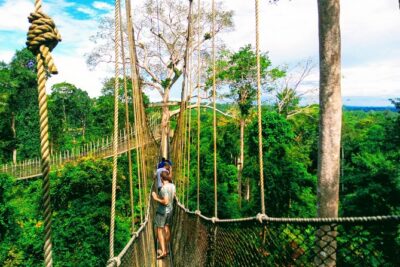

Cape Coast, Elmina Castle & Kakum Park Day Tour
Read our review →