Reviewed · ACCRA TOURS
Nature Thrills
Trade Accra’s traffic for mountain air. Nature Thrills takes you into Ghana’s Central Region for three very different stops: the Aburi Botanical Gardens, Tetteh Quarshie’s historic cocoa farm, and Adom Waterfalls. I like the mix of plant science, farming history, and time beside running water. I also like that transport, entrance fees, guides, and hotel pickup are included. The main consideration is the 20-minute hike to the waterfall, plus some walking on uneven paths and farm roads.
You’ll spend about seven hours away from the city, with an English-speaking host and driver handling the day. The tour feels especially useful if you want more than city sightseeing, but you should wear proper shoes and light clothes. A swimsuit is a smart extra if you want to use the natural pools.
In This Review
- Key things to know before you go
- Leaving Accra for the Aburi Mountains
- Aburi Botanical Gardens, a living lesson in plants
- Tetteh Quarshie Cocoa Farm and Ghana’s farming story
- Hiking to Adom Waterfalls
- What the $150 price really covers
- The guides and the human side of the day
- Who will enjoy Nature Thrills most
- Practical tips for a better day
- Should you book this nature tour?
- FAQ
- Where does the Nature Thrills tour begin and end?
- How long does the tour last?
- What places does the tour visit?
- How much does the tour cost?
- What is included in the price?
- Are meals included?
- Is the tour conducted in English?
- How long is the hike to Adom Waterfalls?
- Can you swim at Adom Waterfalls?
- What should you bring?
Key things to know before you go
- The Aburi Botanical Gardens opened in 1890: You’ll see plants from different parts of the world, including trees planted by figures such as Queen Elizabeth II, Prince Charles, and Ghanaian leaders.
- Tetteh Quarshie’s farm dates to 1870: Two original cocoa trees planted by Tetteh Quarshie still bear fruit.
- Adom Waterfalls has two sections: The upper and lower falls include naturally formed pools where you may cool off.
- The day includes real walking: Expect a garden walk, time on a cocoa farm, and a forest hike over roughly 20 minutes to the falls.
- The guide support is a major strength: Guides named Suwaiba, also written as Suwauba, and Gian have been praised for being warm, helpful, and good at showing photo spots.
- The $150 price covers the practical basics: Transport from Accra, fuel surcharges, entrance fees, guide support, and activities are included, but meals are not.
Leaving Accra for the Aburi Mountains
The day begins with pickup in Accra and heads toward the Aburi Mountains. You are not booking a quick city-side stop. This is a full day away from Accra’s traffic and concrete, with enough time for three separate experiences.
The schedule lists one hour at Aburi Botanical Gardens, 35 minutes at Tetteh Quarshie Cocoa Farm, and 1.5 hours at Adom Waterfalls. The remaining time is taken up by transport, pickup, drop-off, and movement between sites. That matters because the tour is best understood as a seven-hour outing, not seven hours of continuous activity.
The drive also helps explain the appeal. You leave urban Accra behind and move into a cooler, greener mountain setting. A previous tour member specifically praised the driver’s safe handling on bumpy dirt roads, so you should expect some rougher stretches rather than perfectly smooth roads throughout.
Because pickup and drop-off at your hotel are included, this works well for anyone who does not want to arrange separate taxis or negotiate several local transfers. It also keeps the day simple: you can focus on the places rather than the mechanics of getting between them.
More Accra outings people pair with this:
- The Cape Coast Day Tour
★ 5.0 · 525 reviews - Experience the Beauty, History and the Culture Of Accra in a Day
★ 5.0 · 323 reviews - The Cape Coast Tour
★ 5.0 · 177 reviews
Aburi Botanical Gardens, a living lesson in plants
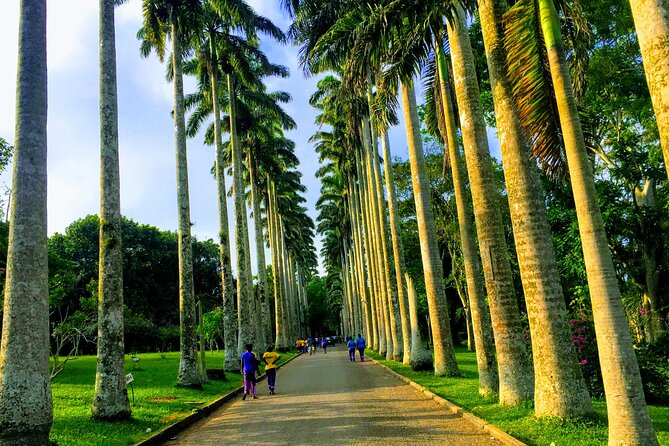
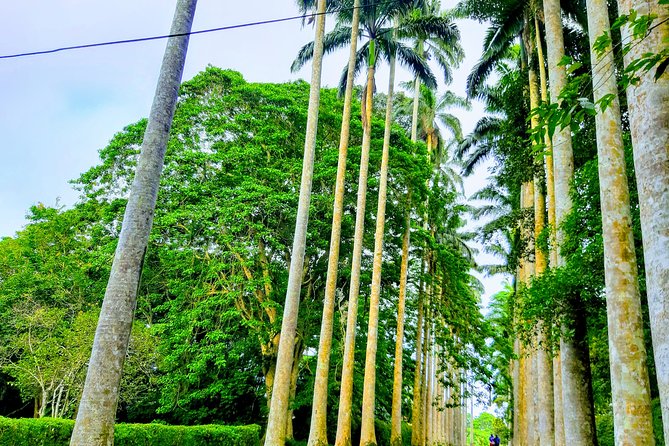
The first main stop is Aburi Botanical Gardens, a protected site focused on plant and animal conservation. It opened in 1890 and contains plant species from several parts of the world.
I like this stop because it gives the day some substance before the more scenic waterfall visit. You are not simply walking past flowers and trees for photographs. The guided visit explains how plants are used for food, medicine, spices, and decoration.
The gardens also carry a useful piece of Ghana’s public history. Some trees were planted by colonial governors and African leaders, including Sir Gordon Guggisberg, General Olusegun Obasanjo, and former Ghanaian president Jerry John Rawlings. Queen Elizabeth II and Prince Charles are also connected with plantings here.
That mix of botany and history gives your walk a clear purpose. You can look at a plant and learn why it matters, rather than treating the garden as a pleasant but forgettable photo stop.
Allow yourself to walk at a steady pace. The visit is listed at about one hour, so you are unlikely to see every corner in great detail. If you are a serious plant enthusiast, you may want more time than this tour provides. For most people, though, the hour offers a useful introduction without making the day feel like a long lecture.
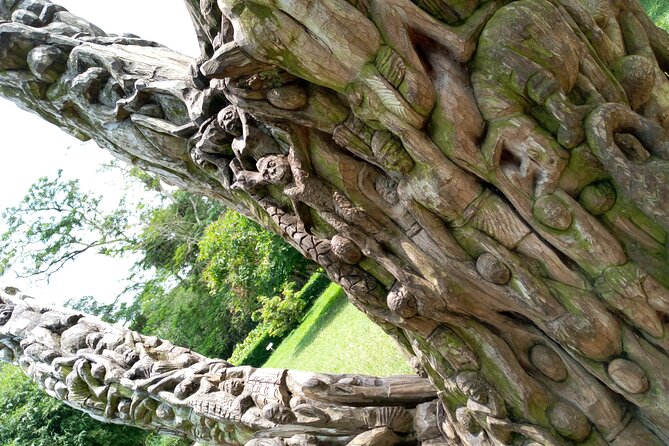
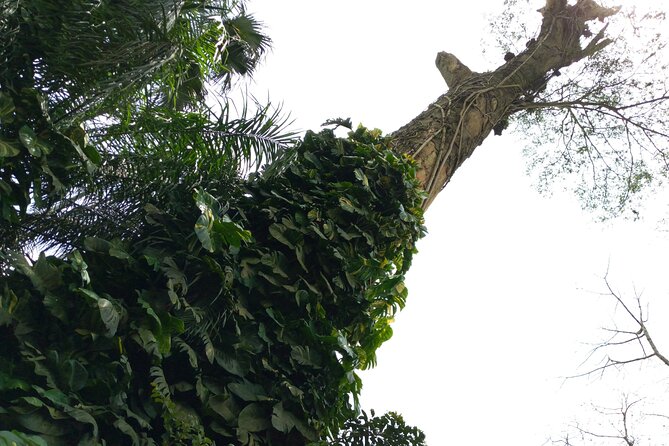
The garden has also produced some of the day’s more unusual moments. You might see a tree taken over by a parasite, taste cinnamon directly from its bark, or stop to smell flowers and spices. Those small sensory details help make the visit memorable.
Bring comfortable shoes even though this first section is not described as a strenuous hike. You’ll be walking through a large outdoor site, and light clothing will be more pleasant in the warm climate.
Tetteh Quarshie Cocoa Farm and Ghana’s farming story
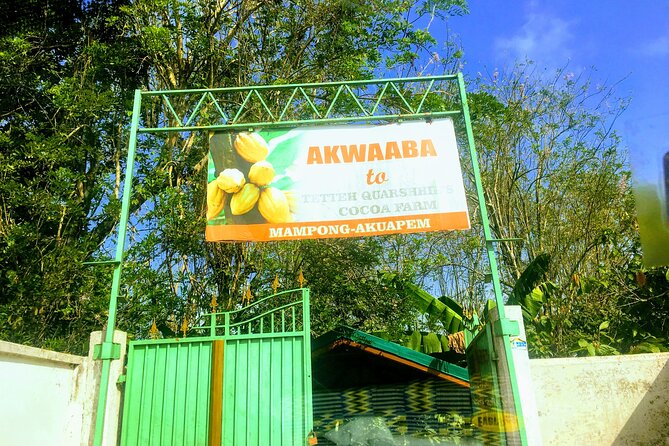
The next stop is the Tetteh Quarshie Cocoa Farm at Akuapim Mampong. This is presented as Ghana’s first cocoa farm, planted by Tetteh Quarshie in 1870.
The most striking detail is that two of the original trees planted by Quarshie still remain and continue to produce cocoa pods. That gives the visit a direct connection to the beginning of Ghana’s cocoa story. You are looking at living trees, not just a plaque or a retold date.
Your guide takes you through the process from planting to harvesting and then fermentation. That step-by-step explanation is valuable because cocoa is easy to think of only as a finished chocolate product. On the farm, you get a clearer sense of the work that comes before the chocolate bar.
You may also taste unripened cocoa. It is a small experience, but it gives you a better idea of the fruit itself and how different it is from processed chocolate. One family with a 10-year-old particularly enjoyed the hands-on nature of the day, and this farm section can give children a practical connection to something they usually see only in shops.
Ghana is known for producing high-quality cocoa and ranks second to Ivory Coast in quantity. That distinction is worth remembering. The country’s reputation is not simply about producing a lot of cocoa, but also about the quality associated with its beans.
The stop lasts about 35 minutes, so expect an introduction rather than a long agricultural workshop. You may also have the chance to buy cocoa beans, which gives you a direct way to support local farming. If you want to purchase anything, carry some extra money, since meals and personal purchases are not included in the tour price.
This is one place where a guide can make a big difference. A good explanation turns a short farm visit into a meaningful part of the day. Guides named Suwaiba and Gian have been praised for being friendly, informed, and accommodating, and one guide helped point out strong photo locations along the route.
Hiking to Adom Waterfalls
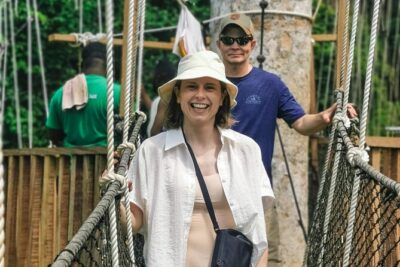
Adom Waterfalls is the final major stop and the most active part of the outing. The walk to the falls takes about 20 minutes through a forest, so you should not treat this as a roadside viewpoint.
The waterfall flows over stratified rock in two sections, with lower and upper parts and naturally formed pools. The setting is intended for slowing down: listen to the water, sit near the pools, and take a break from the day’s driving and sightseeing.
The walk itself is likely manageable for many people, but the tour description clearly says it involves hiking. Comfortable shoes are essential. Light clothes will help in the heat, and a swimsuit makes sense if you plan to swim.
The best feature here is the change of pace. The botanical garden asks you to observe plants. The cocoa farm asks you to learn how a major crop is produced. At Adom, you can simply rest and enjoy the forest and water.
Some people have also taken a less direct path from the waterfall to a viewpoint over the plains around the Aburi Mountains. That route is described as an off-the-beaten-path extension, so do not assume it is part of the standard waterfall walk every time. Ask your guide if conditions and timing allow it.
You should also keep your expectations practical. This is a natural waterfall, not a developed resort. Conditions underfoot can vary, and the tour does not promise changing rooms, restaurants, or other facilities at the falls. Since lunch is not included, ask your operator about the day’s meal arrangements if you need a full meal after swimming or hiking.
Further from Accra, and a different kind of day:
- From Accra: Cape Coast, Elmina Castle & Kakum Park Day Tour
★ 4.6 · 144 reviews - Accra Detailed City Tour
★ 4.5 · 118 reviews - Accra Guided City Tour Experience
★ 4.7 · 88 reviews - Accra Guided City Tour Experience
★ 5.0 · 76 reviews
What the $150 price really covers
At $150 per person, Nature Thrills is not the cheapest way to see a waterfall or garden in Ghana. The value comes from combining three sites in one managed day and including the logistics that can otherwise become tiring.
The price includes:
- Hotel pickup and drop-off in Accra
- Transportation
- Fuel surcharges
- Entrance fees
- Guide support
- Activities included in the day
Meals are not included. International airfare, visa fees, immunization costs, and travel insurance are also outside the price, though those are normal personal travel expenses rather than surprise tour charges.
I think the cost makes the most sense for you if you value convenience, private or organized transport, and explanation at each stop. The tour also reduces the risk of wasting time arranging separate rides to the gardens, farm, and waterfall.
If you are a confident independent visitor with your own car and plenty of time, you might spend less by organizing the stops yourself. You would then need to manage transport, entry costs, local guides, and the route. The $150 fee is paying for a smoother day and local support, not just admission to three places.
The seven-hour length is another part of the value. You get a full day outside Accra without committing to an overnight stay. That makes it a practical add-on before or after a city-based Ghana trip.
The guides and the human side of the day
The strongest recurring praise goes to the guides and driver. The guide named Suwaiba, also spelled Suwauba in one account, was described as hospitable and accommodating. Gian was also praised for being friendly and well informed.
That matters because this experience depends on explanation. At the gardens, you need help understanding the uses and origins of the plants. At the cocoa farm, you need someone to connect the trees with the stages of production. At the waterfall, a guide can help you find the best route and photo spots.
The driver is part of the experience too. Pickup has been early, and the driving has been described as safe even on rough dirt roads. That is useful reassurance for a seven-hour day with several stops.
The tour is conducted in English. Since the program includes guided interpretation at all three sites, English ability should be important to you if you want the full value of the visit.
Who will enjoy Nature Thrills most
I would recommend this day to you if you want a broad introduction to Ghana’s nature and farming traditions rather than one single attraction.
It suits:
- First-time visitors based in Accra
- Couples who want a quieter day outside the city
- Families with older children who can manage a short hike
- Plant lovers and garden enthusiasts
- Anyone interested in cocoa production
- People who want time for swimming and rest at a waterfall
The outing can also work well for a family. A 10-year-old enjoyed the combination of unusual plants, cocoa tasting, and outdoor exploration. Still, parents should be comfortable with walking, uneven ground, and the possibility of a bumpy road journey.
You may want a different experience if you dislike outdoor walking, want a slow luxury day, or need a highly structured meal plan. The schedule is active and varied, but it is not a spa day. You will move between sites, walk through natural areas, and spend time outdoors.
Practical tips for a better day
Wear shoes with a secure sole. Sandals may be fine for some parts of the gardens, but the forest path to Adom Waterfalls calls for better support.
Choose light, comfortable clothes and pack a swimsuit if you want to use the pools. A towel and a change of clothes are sensible additions, although they are not listed as included items.
Keep space in your day for the unexpected. The most memorable details may be small ones, such as tasting cinnamon from a tree, seeing cocoa fruit on the original trees, or finding a broad view near the falls.
Ask about lunch before setting out. Meals are not included, and one account described lunch afterward as delicious, but you should not treat that as a guaranteed part of the package. Plan for your own food costs.
The cancellation terms are useful if your schedule is uncertain: you can cancel up to 24 hours in advance for a full refund. You can also reserve now and pay later, which gives you some flexibility while arranging your Ghana plans.
Should you book this nature tour?
I would book Nature Thrills if you want three distinct Ghana experiences in one day and prefer having transport, admission, and local guidance handled for you. The Aburi Botanical Gardens bring plant knowledge and history, the cocoa farm adds a strong local connection, and Adom Waterfalls gives you time to relax or swim.
The $150 price is reasonable for the convenience, especially if you are staying in Accra and would otherwise need to arrange several transfers. Just arrive prepared for walking, bring comfortable shoes and light clothes, and remember that food is extra.
Skip it if you want a purely scenic waterfall trip or a very relaxed day with little movement. For curious visitors who enjoy learning, fresh air, farming history, and a modest forest hike, this is a well-balanced escape from Accra.
FAQ
Where does the Nature Thrills tour begin and end?
The tour includes pickup in Accra and returns you to Accra at the end of the day. Hotel pickup and drop-off are included.
How long does the tour last?
The full experience lasts seven hours, including transportation between Accra and the three locations.
What places does the tour visit?
You visit Aburi Botanical Gardens, Tetteh Quarshie Cocoa Farm, and Adom Waterfalls.
How much does the tour cost?
The listed price is $150 per person.
What is included in the price?
The price includes fuel surcharges, transportation, entrance fees, guide support, the activities in the program, and hotel pickup and drop-off.
Are meals included?
No. Meals are not included in the tour price.
Is the tour conducted in English?
Yes. The host or greeter and the tour support are listed as English-speaking.
How long is the hike to Adom Waterfalls?
The hike to Adom Waterfalls takes about 20 minutes.
Can you swim at Adom Waterfalls?
The waterfall has naturally formed pools, and swimming is possible. A swimsuit is recommended if you want to use them.
What should you bring?
Bring comfortable shoes and comfortable clothing. Light clothes are recommended for the hike, and a swimsuit is useful for the waterfall pools.
Most recently reviewed around Accra
- Visit Aburi Garden, Tetteh Quarshie Cocoa Farm & Waterfall★ 4.0 · 4 reviews
- Private 9-Day Tour in Ghana★ 5.0 · 2 reviews
- Wli Waterfalls, Mount Afadjato & Tafi Atome Monkey Sanctuary★ 5.0 · 2 reviews
- Cape Coast and Elmina castle Day Trip★ 5.0 · 2 reviews
- Time with Nature★ 5.0 · 2 reviews
- Culinary for Social Change-Cooking Class★ 5.0 · 2 reviews
- Private Slave Castles and Dungeons Tour in Cape Coast, Ghana★ 5.0 · 3 reviews
- Experience Accra★ 5.0 · 2 reviews
Accra Tours, compared.
Experience the Beauty, History and the Culture Of Accra in a Day
Read our review →

Cape Coast, Elmina Castle & Kakum Park Day Tour
Read our review →