Reviewed · ACCRA TOURS
Nima Experience
Accra keeps its pulse in Nima. This private walking tour takes you through one of the city’s most active neighborhoods, where market stalls, food, spices, homes, and personal stories offer a direct look at daily life.
I like the private format, which lets you move at your group’s pace and ask questions without a crowd listening in. I also like the chance to buy local food and spices while hearing how people from different parts of Ghana came to live in Nima. The main consideration is the setting: this is a poor, crowded neighborhood, not a polished sightseeing district, so you should arrive ready for an intense and very real experience.
In This Review
- Key points to know before booking
- Why Nima offers a different view of Accra
- Starting early with hotel pickup at 8:00 am
- Walking through Nima Market
- Visiting local homes and hearing migration stories
- The value of a private guide
- Is $135 a fair price for two to three hours?
- How to prepare for the Nima walk
- Who will enjoy this experience most?
- Should you book Nima Experience?
- FAQ
- Where does the Nima Experience take place?
- What time does the tour start?
- How long does the experience last?
- Is hotel pickup included?
- Is this a private tour?
- What can I see and do at Nima Market?
- Does the tour include visits to local homes?
- What happens if the tour is canceled because of weather?
Key points to know before booking

- Nima Market is the heart of the tour, with local foods, spices, and constant neighborhood activity.
- A private guide leads the entire walk, giving your group more freedom to pause, ask questions, and interact.
- Hotel pickup in Accra is included, making the early 8:00 am start easier.
- The tour visits local homes, adding personal detail to the market experience.
- Migration stories are part of the visit, showing how people from many Ghanaian tribes came to Nima.
- The $135 price reflects a private experience, but the two to three hour duration may feel brief if you prefer a longer city tour.
Why Nima offers a different view of Accra
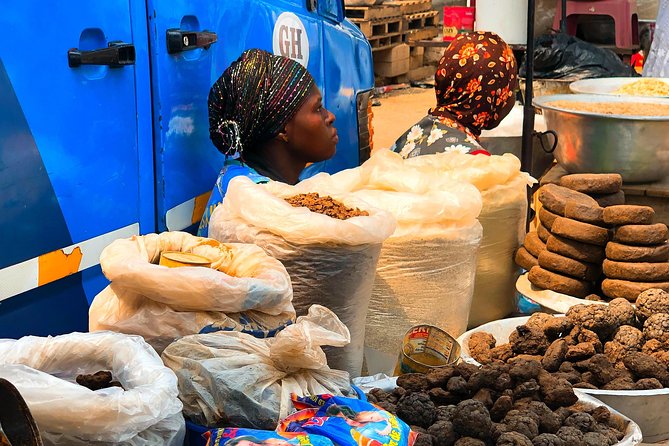
Accra can be easy to experience from the outside. You see major roads, restaurants, hotels, monuments, and shopping areas. Nima gives you a much closer look at how a large urban community works from morning onward.
The tour focuses on ordinary activity rather than famous sights. People are going to work, selling food, preparing spices, and handling the practical business of the day. Nothing is arranged as a performance for you. That can make the experience feel more meaningful, but it also means you need to show patience and respect.
Nima is described as a neighborhood where people from every tribe in Ghana live. That makes the area useful for understanding Accra as a meeting point for the country. The tour connects the physical place with the stories of migration, work, family, and settlement.
I appreciate that the experience does not reduce Nima to a list of buildings. The market matters, but so do the people who use it. You are encouraged to listen to local stories and interact with women working in the market, which gives the visit a human focus.
At the same time, you should think carefully about the word slum. This is a residential area where people live and work. It is not a theme park or an exhibit. Keep your camera put away when appropriate, ask before photographing people or homes, and follow your guide’s lead about respectful behavior.
More Accra outings people pair with this:
- The Cape Coast Day Tour
★ 5.0 · 525 reviews - Experience the Beauty, History and the Culture Of Accra in a Day
★ 5.0 · 323 reviews - The Cape Coast Tour
★ 5.0 · 177 reviews
Starting early with hotel pickup at 8:00 am
The tour begins at 8:00 am, and round-trip pickup from your Accra hotel is included. That is a useful feature because it removes the need to arrange your own transport to the starting point first thing in the morning.
An early start also makes sense for a market walk. You will see the neighborhood getting on with its day, rather than arriving after the main activity has already passed. Since Nima is described as a place where people are constantly doing business, the morning timing helps you see that daily rhythm at close range.
The pickup is especially helpful if you are not familiar with Accra yet. You do not need to work out the route to the neighborhood on your own, and you can return to your hotel after the walk. The tour is also near public transportation, but the included transfer is the simpler choice.
The duration is listed as roughly two to three hours, with the walking portion described as about two hours. That is long enough to see the market and hear stories without consuming your whole day. You can pair it with another Accra activity later, but you should not expect a full-day city tour.
Walking through Nima Market
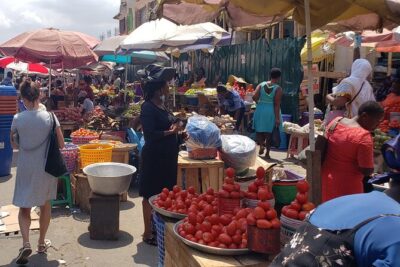
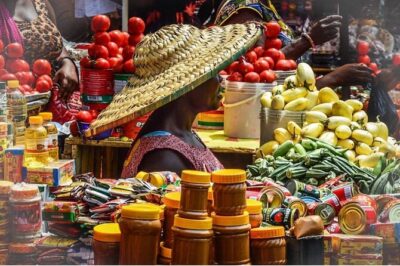
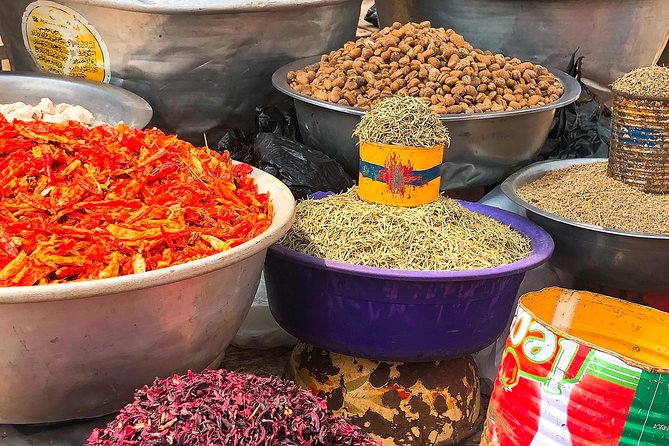
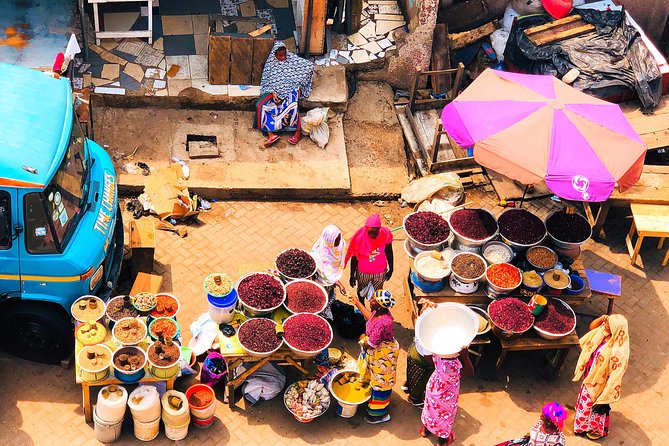
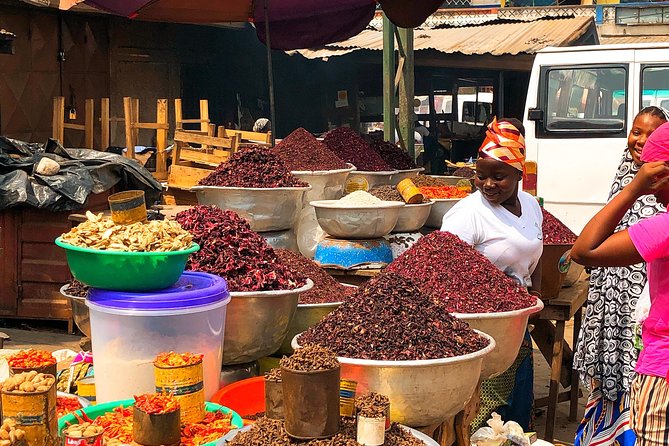
Nima Market is the main stop, and this is where the tour becomes most sensory. You can expect a steady stream of people, market activity, foods, and spices. The area is described as lively, with business continuing at all times and little sense that the neighborhood pauses for sightseeing.
The market gives you a practical introduction to local ingredients. You can purchase food and spices, and the guide can help explain what you are seeing. If you enjoy cooking or trying unfamiliar ingredients, this part may be one of the most useful features of the tour.
The opportunity to speak with local women at the market adds another layer. You are not simply walking past stalls while a guide recites facts. You may have a chance to ask about the goods, the work, or the daily routine, provided the interaction feels welcome and natural.
I would treat shopping as optional, not an obligation. Buying something small can support the sellers and give you a clear reason to interact, but you should not feel pressure to purchase. Ask about prices, listen carefully, and remember that the market is a workplace first.
The market may also feel crowded or hard to navigate. The tour description makes clear that the area is active and always moving. Wear practical shoes, stay near your guide, and keep your belongings secure. These are sensible habits for any busy market, especially when you are focused on new sights and conversations.
Visiting local homes and hearing migration stories
The visit to local homes is what separates this experience from a standard market walk. It gives you a chance to understand Nima as a place where people live, not only where people shop.
The exact homes and length of each visit are not specified, so you should let the guide set the pace. A home visit may be brief, and it should be treated as a privilege rather than an entitlement. Listen first, ask polite questions, and avoid assuming that every resident wants to be photographed or interviewed.
The migration stories are another strong feature. People from different tribes across Ghana have made Nima their home, and the tour explains how some residents came to the area. These stories can help you understand the neighborhood through personal movement and family decisions rather than through statistics alone.
For me, this is the part that gives the market context. The food stalls and spices are not isolated attractions. They belong to a community shaped by work, family, and migration. A guide who connects those pieces can make a short walk feel far more substantial.
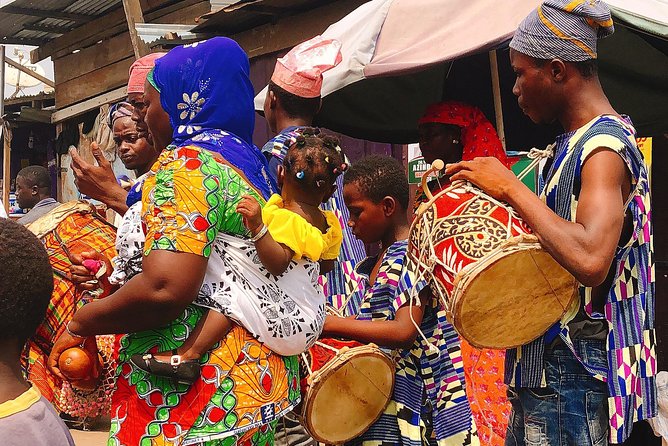
One review praises the experience as a real look at local life and specifically mentions women working with babies on their backs. That detail points to the kind of everyday reality you may encounter. It is worth approaching such moments with care. Notice the work and the demands of daily life, but do not turn hardship into a photo opportunity.
Further from Accra, and a different kind of day:
- From Accra: Cape Coast, Elmina Castle & Kakum Park Day Tour
★ 4.6 · 144 reviews - Accra Detailed City Tour
★ 4.5 · 118 reviews - Accra Guided City Tour Experience
★ 4.7 · 88 reviews - Accra Guided City Tour Experience
★ 5.0 · 76 reviews
The value of a private guide
A private tour works well here because Nima is a place where questions and timing matter. Your group can stop at a market stall, spend more time on a story, or move along when the path becomes crowded. You are not tied to the interests or walking speed of strangers.
The guide also acts as a bridge. You may not know which foods are familiar, which interactions are welcome, or how to ask about someone’s home and background. A local guide can help you approach the neighborhood with better manners and more useful questions.
One guide named in the available feedback is Hassan. The praise for Hassan is enthusiastic, though the published comment is cut off before giving more detail. Still, the mention is useful because it identifies a guide connected with a particularly positive experience.
Do not expect a private tour to make the neighborhood feel staged or comfortable in a conventional sightseeing sense. The benefit is not luxury. It is personal attention, local interpretation, and a better chance to understand what you are seeing.
The activity is described as suitable for most people, but it is a walking tour in a busy neighborhood. If you have concerns about walking, heat, crowds, or uneven conditions, contact the provider before booking. The available information does not give a precise accessibility description.
Is $135 a fair price for two to three hours?
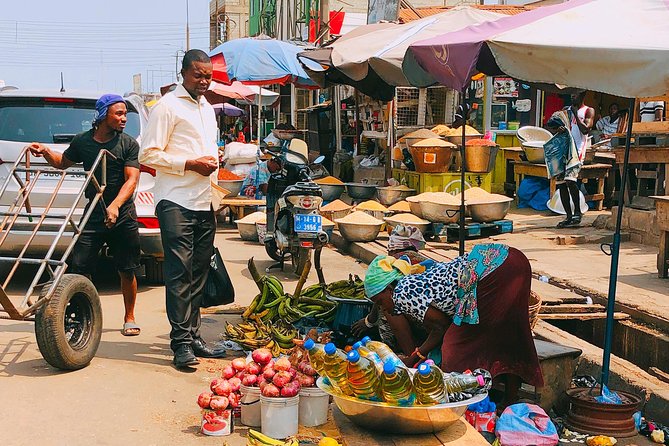
At $135 per person, this is not a cheap short walk. You are paying for a private experience, round-trip hotel transfers, a local guide, and access to a neighborhood you might find difficult to understand on your own.
The value depends heavily on your priorities. If you want a polished sightseeing route with several major landmarks, the price may feel high for a two to three hour activity. If you want personal guidance through Nima, conversations with residents, market interpretation, and transport from your hotel, the cost becomes easier to justify.
The private format is important in the price calculation. A group tour could spread the cost across more people, but it would likely offer less flexibility. Here, only your group participates, so the guide’s attention is focused on you.
Group discounts are offered, which may improve the value if you are traveling with family or friends. The price is still worth comparing with the amount of time you have in Accra. A short stay may justify paying more for a focused experience, while a longer stay gives you more room to choose less expensive activities.
I would book this for the quality of access, not for the number of sights checked off. You may see only one main area, but the aim is to understand that area through people, food, work, and stories.
How to prepare for the Nima walk
Wear comfortable shoes and clothing suited to a two hour walk. The information provided does not specify the surface or weather conditions, so practical footwear is the safest choice.
Bring a small amount of spending money if you want to buy food or spices. Purchases are not described as part of the tour price, so plan to pay separately for anything you take home.
Keep your phone and valuables secure. A mobile ticket is accepted, but you should not let the convenience of having the ticket on your phone distract you from the surroundings.
Use the guide as your main source of direction. Nima is a busy neighborhood, and the guide can help you know when to pause, where to walk, and how to interact with people at the market or in homes.
Most important, bring the right attitude. You are entering a working residential community. Be curious without being intrusive, and remember that people are allowing you into their daily world.
The tour requires good weather. If poor weather causes cancellation, you can choose another date or receive a full refund. You can also cancel for a full refund if you do so at least 24 hours before the 8:00 am start. Cancellations or changes made less than 24 hours before the start are not refunded or accepted.
Who will enjoy this experience most?
I would recommend Nima Experience to you if you want to see Accra beyond its main tourist routes. It suits people who care about local food, markets, migration, work, and personal stories.
It is also a good choice if you prefer private touring. You can ask direct questions and adjust the pace to suit your group. Families and small groups may get better value through the available group discounts.
This may not suit you if you dislike crowded markets, walking, or close contact with ordinary working life. It is also not the right pick if you want a relaxed, quiet morning or a tour built around major monuments.
The experience asks for a little humility. You may see difficult living and working conditions, including parents caring for children while working. The best approach is to listen, avoid judgment, and let local people define their own stories.
Should you book Nima Experience?
Book it if your idea of a good Accra tour includes real neighborhoods, local food, personal stories, and a guide who can help you move through a busy market respectfully. The private format and hotel pickup make the experience easier, while the homes and migration stories give it more depth than a simple shopping stop.
Skip it if you want a low-cost activity or a broad tour of Accra’s main sights. At $135 per person, the price is substantial for two to three hours, and the focus is narrow by design.
For the right person, that focus is the point. Nima offers a direct look at how people work, trade, live, and build community in Accra. Go with practical shoes, an open mind, and respect for the people who make the neighborhood what it is.
FAQ
Where does the Nima Experience take place?
The experience takes place in Nima, a neighborhood of Accra, Ghana. The main stop is Nima Market, with visits to local homes and nearby parts of the community.
What time does the tour start?
The tour starts at 8:00 am.
How long does the experience last?
The experience lasts approximately two to three hours. The walking tour portion is described as about two hours.
Is hotel pickup included?
Yes. Round-trip transfers from your Accra hotel are included.
Is this a private tour?
Yes. Only your group participates in the activity.
What can I see and do at Nima Market?
You can see local foods and different spices, purchase items from the market, and interact with local women when appropriate. The guide also shares stories connected to the community.
Does the tour include visits to local homes?
Yes. Visiting local houses is part of the walking tour.
What happens if the tour is canceled because of weather?
The experience requires good weather. If it is canceled because of poor weather, you can choose a different date or receive a full refund.
Most recently reviewed around Accra
- Visit Aburi Garden, Tetteh Quarshie Cocoa Farm & Waterfall★ 4.0 · 4 reviews
- Private 9-Day Tour in Ghana★ 5.0 · 2 reviews
- Wli Waterfalls, Mount Afadjato & Tafi Atome Monkey Sanctuary★ 5.0 · 2 reviews
- Cape Coast and Elmina castle Day Trip★ 5.0 · 2 reviews
- Culinary for Social Change-Cooking Class★ 5.0 · 2 reviews
- Time with Nature★ 5.0 · 2 reviews
- Private Slave Castles and Dungeons Tour in Cape Coast, Ghana★ 5.0 · 3 reviews
- Experience Accra★ 5.0 · 2 reviews
Accra Tours, compared.

Experience the Beauty, History and the Culture Of Accra in a Day
Read our review →

Cape Coast, Elmina Castle & Kakum Park Day Tour
Read our review →