
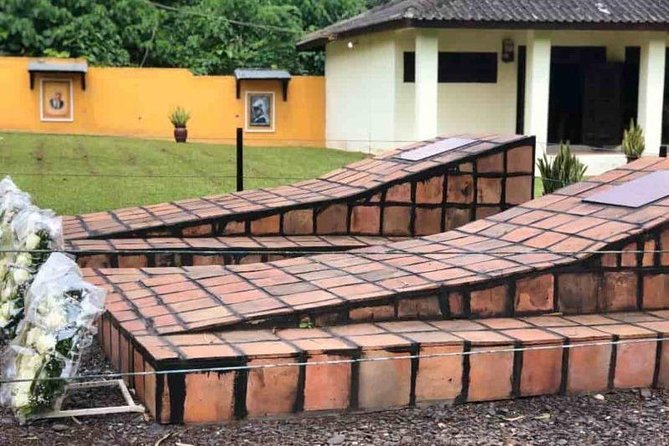
Reviewed · ASSIN MANSO & SLAVE ROUTE TOURS
Trails of the transatlantic slave trade in Ghana
History here is never far away. This eight-day private tour links Accra with Ghana’s coastal castles, forts, ancestral sites, rainforest, and fishing communities, giving you a serious look at the transatlantic slave trade alongside the country’s natural and cultural attractions. I especially like the private air-conditioned vehicle and the chance to travel with a dedicated driver-guide rather than being tied to a large group.
I also like the range of places included, from the W.E.B. Du Bois Centre and Kwame Nkrumah Memorial Park to Cape Coast, Elmina, Axim, and Nzulezo Stilt Village. The main consideration is the pace: several days involve about five to seven hours of touring and road travel, and Ghana’s humidity can make a full day feel even longer.
In This Review
- Key points at a glance
- Why this Ghana route is worth considering
- Day 1: A simple arrival in Accra
- Day 2: Accra’s memorials and colonial power
- Day 3: Assin Manso and Cape Coast Castle
- Day 4: Elmina Castle and Fort St. Jago
- Day 5: Canoeing to Nzulezo Stilt Village
- Day 6: Portuguese and English forts near Axim
- Day 7: Fort Metal Cross and Kakum’s canopy walkway
- Day 8: Accra shopping and departure
- What the $1,955 price includes
- Who will appreciate this tour most
- FAQ
- How long is the tour?
- Is airport pickup included?
- Is this a private tour?
- What type of transportation is provided?
- Are meals included?
- Are entrance fees included?
- What is the cancellation policy?
- Should you book Trails of the Transatlantic Slave Trade in Ghana?
Key points at a glance
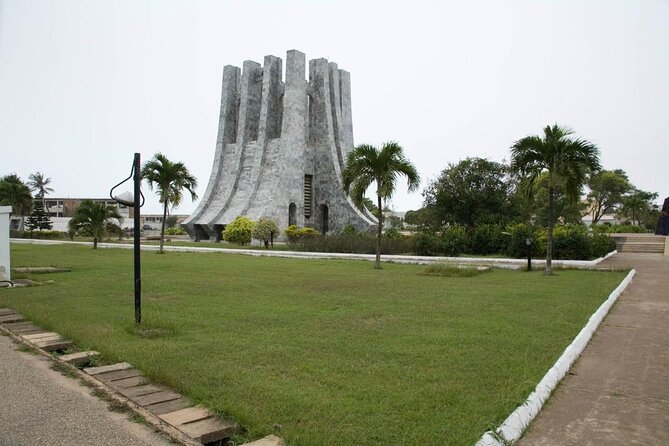
- Cape Coast and Elmina castles: Visit two of Ghana’s most important UNESCO-listed slave castles, each with a different story and atmosphere.
- A private eight-day route: Your group travels by insured, air-conditioned vehicle with an English-speaking driver-guide and ongoing support.
- Assin Manso Ancestral Slave River: See the place associated with the final bathing of enslaved people before shipment overseas.
- Nzulezo by canoe: Reach a village built on Amansari Lake, an unusual change of pace from the coastal forts.
- History with nature and culture: The route adds Kakum National Park, Fort Metal Cross, beaches, Accra markets, and colonial-era forts.
- Useful practical tip: Carry Ghanaian currency for everyday purchases and bargaining, and allow extra energy for the heat and long days.
Why this Ghana route is worth considering
This is not a single-site history tour. It follows a broad section of Ghana’s southern coast, beginning and ending in Accra while moving through the Central and Western regions. That gives you a better sense of how the castles fit into the wider country, rather than treating them as isolated monuments.
I like that the program places the slave trade sites beside modern Ghanaian life. You see markets, beaches, villages, churches, forts, rainforest, and memorials. The result is more useful than a succession of castle visits, though the subject remains heavy and should be approached with patience and respect.
The private format matters. Your group is the only group on the activity, and the company provides a private insured car with air conditioning, fuel, accommodation, breakfast, and an English-speaking driver-guide. Guides named in guest feedback include Nuru-Deen, Tony, and Ezekiel, with praise for punctuality, care, professionalism, and help throughout the trip.
At $1,955 per person, the tour is not a budget option. But that price covers eight days, hotel accommodation, daily breakfast, transport between several regions, site fees, and private guiding. You still pay for international flights, visas, lunch, and dinner, so you should compare the full cost of your trip rather than looking only at the advertised figure.
Other stops on the slave route from Accra:
- Cape Coast/Elmina Slave Dungeon and Canopy Walkway Private Tour
★ 5.0 · 24 reviews - Assin Manso Slaves River and Cape Coast Castle Tour
★ 5.0 · 24 reviews - Cape Coast Castle, Assin Manso Slave River & Kakum Day Tour.
★ 5.0 · 19 reviews
Day 1: A simple arrival in Accra
Your arrival begins at Terminal 3 of Kotoka International Airport. A staff member meets you and takes you to your hotel, with the arrival transfer listed at about 30 minutes.
That first day is intentionally light. After an international flight, this is welcome. You are not rushed into a major attraction, and the private transfer gives you a chance to settle in before the history-focused touring begins.
The tour lists a 7:00 am start time, but the arrival day is separate from the active sightseeing schedule. Confirm the exact pickup details when booking, especially if your flight arrives late or your hotel changes.
Day 2: Accra’s memorials and colonial power
The first full touring day examines Ghana’s political history before moving toward the colonial past. You begin after breakfast at the W.E.B. Du Bois Centre for Pan-African Culture, where Dr. W.E.B. Du Bois lived during his work connected to the Encyclopedia Africana.
This stop gives the wider tour useful context. Ghana’s story is not only about European forts and forced migration. It is also about African leadership, Pan-African thought, independence, and the effort to record African history from an African point of view.
You then visit Kwame Nkrumah Memorial Park, dedicated to Ghana’s first president. The day also includes Independence Square and the mausoleum. These sites help explain Ghana’s importance in modern African political history and make a good contrast with the colonial buildings seen later.
Osu Castle follows. It served as the administrative seat of the colonial governor and later became associated with Ghana’s government. Here, the focus shifts from independence and Pan-African ideas to the institutions that controlled the Gold Coast.
The day lasts about seven hours. Accra’s traffic and city activity can make the schedule feel full, so keep your morning organized and bring water. The air-conditioned car is particularly useful here, as it gives you a cool break between visits.
Day 3: Assin Manso and Cape Coast Castle
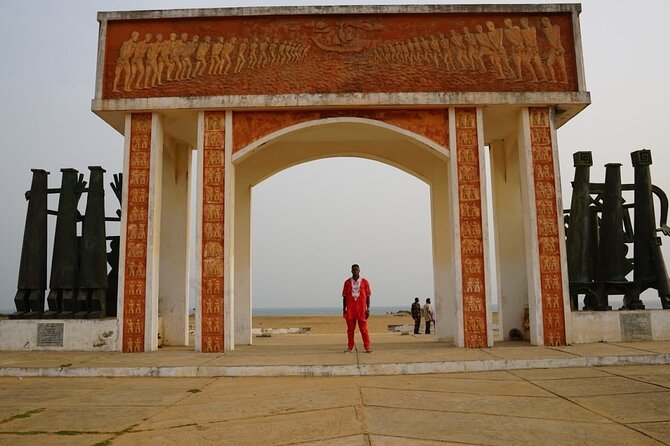
The route leaves Accra for the Central Region, where the pace becomes quieter and the subject becomes more concentrated. The first major stop is Assin Manso Ancestral Slave River Site.
The river is associated with the final bath given to enslaved people before they were taken to the coast and shipped overseas. The site also includes an ancestral graveyard. It is a small but powerful stop because it connects the machinery of the slave trade with the people who endured it.
I consider Assin Manso an important part of the itinerary. Cape Coast Castle can be visually imposing, but the river site brings attention back to the human beings behind the historical record. Take your time here and listen closely to the guide.
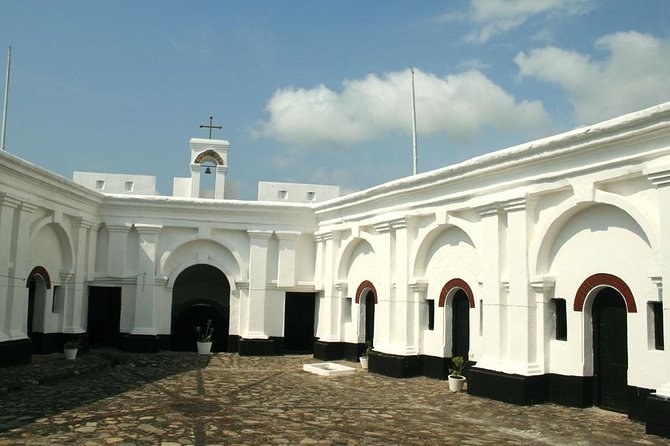
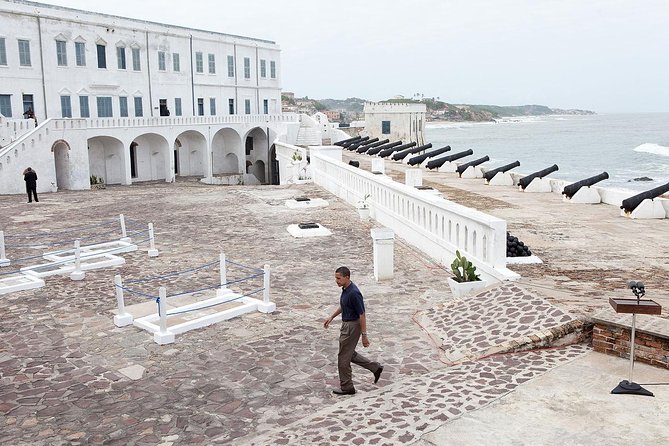
Cape Coast Castle is a UNESCO World Heritage Site and one of the major points of the tour. It was built in 1653 by the Swedish and later taken over by the British. The castle is associated with the temporary confinement and shipment of enslaved people during the transatlantic trade.
The guided visit examines how the castle was used and how people were treated inside it. Expect an emotionally difficult visit. The value lies in the directness of the place, but you should not plan this as a light sightseeing stop.
The day is listed at about seven hours. You overnight in the Cape Coast area, which keeps the next morning’s Elmina visit practical. Breakfast is included, while lunch and dinner are not, so plan for those meals separately.
More Accra outings people pair with this:
- The Cape Coast Day Tour
★ 5.0 · 525 reviews - Experience the Beauty, History and the Culture Of Accra in a Day
★ 5.0 · 323 reviews - The Cape Coast Tour
★ 5.0 · 177 reviews - From Accra: Cape Coast, Elmina Castle & Kakum Park Day Tour
★ 4.6 · 144 reviews
Day 4: Elmina Castle and Fort St. Jago
Day four focuses on Elmina, a historic coastal community with both cultural and colonial sites. The center of the day is Elmina Castle, also called St. George Castle.
The castle is described as the biggest and oldest slave castle in Ghana and is also a UNESCO World Heritage Site. Its scale and location make it a major counterpart to Cape Coast Castle, but visiting both is useful because each site offers a different setting and interpretation.
You also visit Fort St. Jago, which sits on a hill above Elmina Township. The elevated position gives you views over the town and helps explain the military importance of the fort. After the castle’s difficult subject matter, the fort provides a change in focus without leaving the historical setting.
The tour includes a visit around notable places in Elmina, not only the castle itself. That broader walk matters. It gives you a chance to see a living community rather than only preserved colonial buildings.
The touring day lasts about five hours, leaving the rest of the afternoon free at a beach-front hotel. This is one of the better-balanced days in the schedule. You get a serious history lesson in the morning and time to rest afterward.
One practical warning: do not assume every beach stop will be suitable for swimming or a long walk. Conditions can vary, and one beach included on a past trip was considered unclean. Treat the beach time as a chance to relax, but inspect the area before getting into the water.
Day 5: Canoeing to Nzulezo Stilt Village
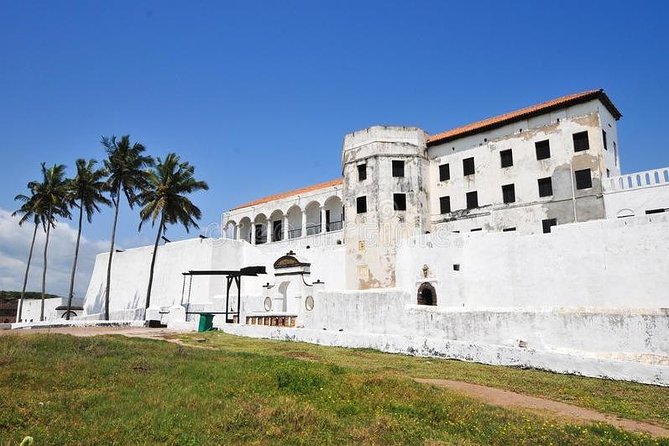
After breakfast, you travel west to Beyin in Ghana’s Western Region. The day’s main attraction is Nzulezo, a community built on top of Amansari Lake.
You reach the village by canoe, which makes this one of the most distinctive parts of the trip. The ride adds a calm, water-based experience after several days focused on castles, forts, and memorial sites.
At Nzulezo, you tour the stilt village before returning to Beyin. The setting shows another side of Ghanaian life and gives the schedule welcome variety. Instead of another stone fort, you see a community shaped by its location on the lake.
The day continues with Fort Apollonia, built by English merchants. It connects the unusual lake visit back to the commercial and colonial networks that shaped the coast.
You overnight in Axim. This is a seven-hour day, and the canoe trip requires a little flexibility. Exact conditions on the lake are not provided, so follow the local guide’s instructions and keep valuables protected from water.
Day 6: Portuguese and English forts near Axim
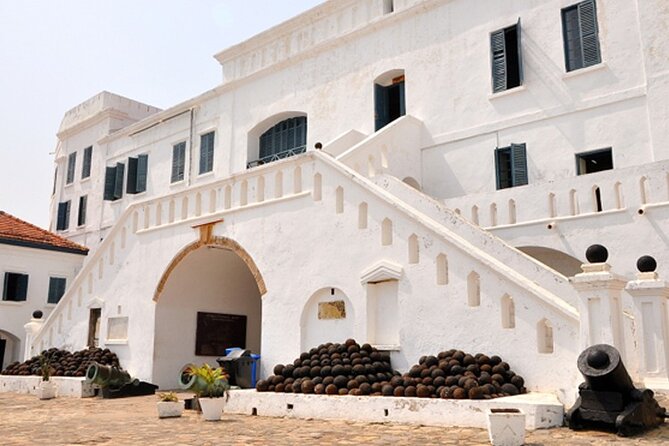
Day six visits Fort St. Anthony, also called Fort Santo Antonio, near Axim. The Portuguese built it in 1515, making it one of the earliest European forts in the area included on this route.
You then continue to Fort Batenstein in Butre. The two forts help show that the coast was controlled and contested by different European powers over time. The tour is not limited to the most famous castles, which I see as a strength for anyone who wants a wider understanding of the coastal trading system.
The day lasts about five hours. After the fort visits, you go to a beach for the rest of the day and overnight in Busua. This is another lighter afternoon, useful after several long drives and emotionally demanding historical sites.
The beach component is best viewed as downtime rather than the central purpose of the tour. Conditions may not always suit swimming or walking, and the itinerary does not promise a specific range of beach activities.
Day 7: Fort Metal Cross and Kakum’s canopy walkway
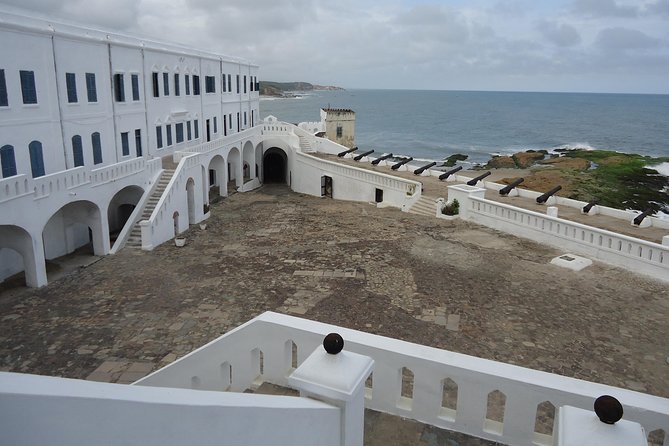
The final major touring day begins in Dixcove with Fort Metal Cross, originally called Fort Dixcove. It was built as a military structure and adds another coastal fort to the route.
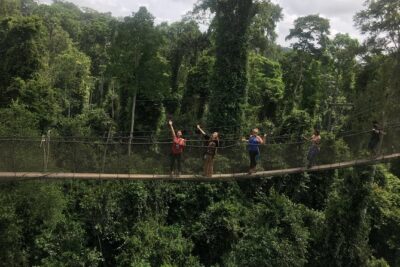
You then begin the journey back toward Accra, stopping at Kakum National Park. This protected rainforest area is home to endangered mammals, including forest elephants and monkeys. The principal activity is the canopy walkway, which hangs about 30 meters above the ground.
The walkway gives you a view from above the forest rather than another ground-level nature walk. You can also choose a guided walk through the forest with an experienced park guide. The schedule allows for either approach, but the supplied details do not specify whether both activities are included or how much extra time each requires.
This is a long day of about seven hours, with a return to Accra for the night. The combination of fort, rainforest, and road travel gives you a varied finish, but it may feel tiring. Wear practical clothing and shoes for the park, and keep water close.
Day 8: Accra shopping and departure
The last day is flexible and depends on your departure time. After checking out, you visit the Accra Arts Centre, a large market selling different kinds of artifacts.
This is your chance to buy souvenirs, but bargaining is part of the experience. Shopkeepers and hawkers will try to persuade you, so decide what you are willing to pay before you begin. Ghanaian currency is the most convenient choice for everyday purchases, and a simple conversion chart kept in your wallet can help you avoid confusion.
If time allows, the program adds a recreational center before your airport transfer. Since the day is listed at about five hours, do not count on a long final outing if your flight leaves early.
What the $1,955 price includes
The price makes the most sense for someone who values convenience and private transport. Included items are:
- Private insured, air-conditioned car with fuel
- English-speaking driver-guide
- Accommodation with air conditioning
- Eight breakfasts
- All fees and taxes
- Ongoing 24-hour support
- Admission fees for the listed touring stops
International airfare, visa fees, lunch, and dinner are not included. You also need money for market purchases and tips. The price may feel high for a solo guest, but it becomes easier to justify if the cost is shared by a private group and you want one company handling hotels, transfers, site entry, and the long coastal route.
The strongest value is time saved. Planning this route independently would require arranging transport between Accra, Cape Coast, Elmina, Axim, Busua, and Accra again, while also coordinating several castle and fort visits. The tradeoff is that the tour follows a set schedule, so you have less freedom to linger or skip a stop.
Who will appreciate this tour most
I would recommend this experience to you if you want a serious look at Ghana’s connection to the transatlantic slave trade but also want nature, markets, beaches, and everyday communities included. It is particularly suitable for families, couples, or small private groups who prefer their own vehicle and guide.
It also suits people tracing family or ancestral connections to West Africa. One guest described following the route of enslaved ancestors as life changing, and the combination of Assin Manso, Cape Coast, and Elmina gives that personal purpose a clear structure.
You should think twice if you dislike long road days, humid weather, or emotionally difficult historical places. The schedule is active, and the heat can add to the strain. The company receives high marks for care, punctuality, comfortable transport, and personal attention, but the itinerary itself still asks a lot from you.
Free cancellation is available up to 24 hours before the start time for a full refund. Changes or cancellations made inside that 24-hour window are not accepted for a refund.
FAQ
How long is the tour?
The experience lasts approximately eight days, beginning and ending in Accra.
Is airport pickup included?
Yes. On arrival at Terminal 3 of Kotoka International Airport, a staff member meets you and takes you to your hotel. Pickup is offered as part of the tour arrangements.
Is this a private tour?
Yes. Only your group participates in the private activity.
What type of transportation is provided?
You travel in a private, insured, air-conditioned car with fuel included.
Are meals included?
Eight breakfasts are included. Lunch and dinner are not included.
Are entrance fees included?
Yes. All fees and taxes are included, along with admission fees for the listed attractions.
What is the cancellation policy?
You can cancel at least 24 hours before the experience start time for a full refund. Cancellations or changes made less than 24 hours before the start time are not accepted for a refund.
Should you book Trails of the Transatlantic Slave Trade in Ghana?
Book it if you want Ghana’s major slave trade sites placed in a wider journey through Accra, the Central Region, and the western coast. The private car, flexible attention from the guide, included accommodation, and broad selection of forts make the $1,955 price easier to understand, especially for a small group.
Before booking, make sure you are comfortable with long touring days, high humidity, extra meal costs, and the serious nature of the castle visits. If you are, this is a thoughtful way to connect Ghana’s past with its present, while still leaving room for rainforest, markets, beaches, and a canoe ride to one of the country’s most unusual communities.
Most recently reviewed around Accra
- Visit Aburi Garden, Tetteh Quarshie Cocoa Farm & Waterfall★ 4.0 · 4 reviews
- Private 9-Day Tour in Ghana★ 5.0 · 2 reviews
- Wli Waterfalls, Mount Afadjato & Tafi Atome Monkey Sanctuary★ 5.0 · 2 reviews
- Cape Coast and Elmina castle Day Trip★ 5.0 · 2 reviews
- Culinary for Social Change-Cooking Class★ 5.0 · 2 reviews
- Time with Nature★ 5.0 · 2 reviews
- Private Slave Castles and Dungeons Tour in Cape Coast, Ghana★ 5.0 · 3 reviews
- Experience Accra★ 5.0 · 2 reviews
Assin Manso & Slave Route Tours, compared.
Cape Coast/Elmina Slave Dungeon and Canopy Walkway Private Tour
Read our review →
Assin Manso Slaves River and Cape Coast Castle Tour
Read our review →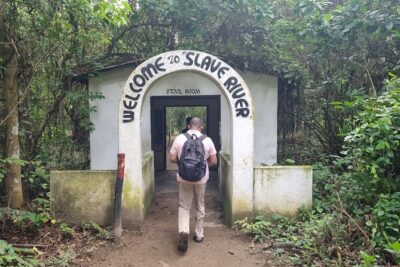
Assin Manso Slave River, Cape Coast and Elmina Castle Day Tour
Read our review →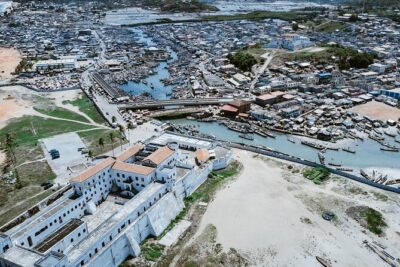
Cape Coast Castle, Assin Manso Slave River & Kakum Day Tour.
Read our review →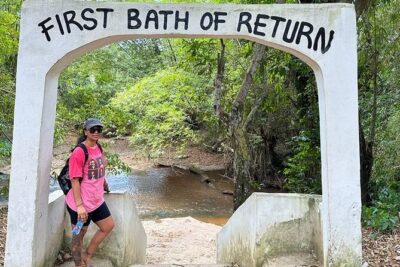
Assin Manso Slave River and Cape Coast Castle Private Day Tour
Read our review →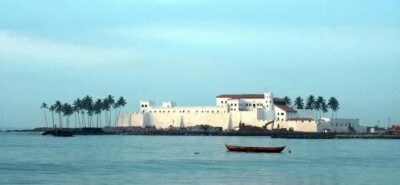
Cape Coast Slave Dungeons Heritage Tour & Lunch
Read our review →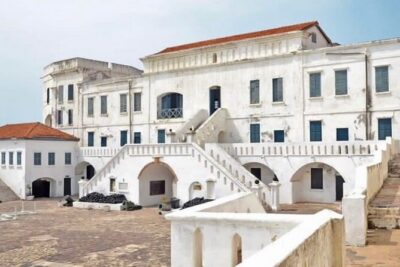
Cape Coast Castle, Assin Manso Slave River and Door of No Return
Read our review →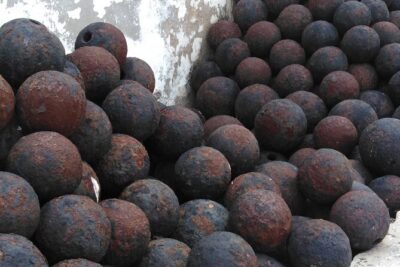
Accra Slave Castle and City Private Tour with Pick up
Read our review →Browse the lists this tour appears in