
Reviewed · ASSIN MANSO & SLAVE ROUTE TOURS
Travel Back In Time(The door of no return)
History here is felt, not just taught. This long day from Accra links the Assin Manso Slave River with Elmina and Cape Coast Castles, giving you a clear path through one of Ghana’s most painful chapters. I like the First Bath of Return ritual and the chance to visit both major coastal castles in one trip. The private guide, air-conditioned vehicle, lunch, and bottled water also make a demanding day easier.
The main drawback is the schedule. Pickup begins at 5:00 a.m., and the full outing can last 10 to 14 hours. The subject matter is heavy, too, especially in the dungeons and at the Door of No Return. One booking also suffered a missed pickup caused by a calendar error, although the provider said the fare was refunded, so I would confirm your pickup before departure.
In This Review
- Key points to know before booking
- Why this Accra day trip carries real weight
- Starting before sunrise from Accra
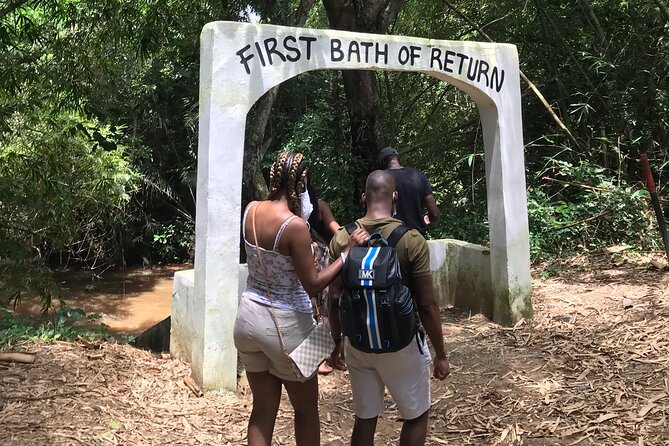
- Assin Manso and the last bath in the river
- Elmina Castle and the Door of No Return
- Cape Coast Castle and the Door of Return
- Kakum National Park changes the pace
- Lunch, water, and the value of a private vehicle
- Is $300 a fair price?
- Who will appreciate this experience most?
- Should you book Travel Back In Time?
- FAQ
- What time does the tour begin?
- How long does the experience last?
- Is transportation included?
- Are meals and drinks included?
- Which historic sites are visited?
- Is this a private tour?
- Can I cancel for a full refund?
Key points to know before booking
- The First Bath of Return begins at Assin Manso, where a symbolic river cleansing connects the visit to remembrance and renewal.
- Elmina and Cape Coast Castles provide two different views of the slave trade, from cramped holding cells to the stark contrast between the dungeons and the governor’s rooms.
- Kakum National Park adds a change of pace, with a walk through the forest canopy after several emotionally difficult historic sites.
- The 5:00 a.m. start matters, since the route from Accra covers a long stretch of southern Ghana in one day.
- Nii is the named guide praised most often, especially for his care, flexibility, and opening message about honoring ancestors.
- The $300 price buys a private, full-day outing, including transport, fuel, lunch, water, and admission, but it is best value for a small group that wants a focused experience.
Why this Accra day trip carries real weight
This is not a light sightseeing loop. It is a day of remembrance, education, and personal reflection, with time in places connected to the forced removal of Africans across the Atlantic.
The route has a strong logic. At Assin Manso, you begin inland at the last bath site. You then continue toward the coast, where Elmina and Cape Coast Castles show the confinement and departure stages of the trade. Kakum adds a natural setting between the historic stops, giving you room to shift your attention before returning to the difficult subject.
For people of African descent, the experience may feel especially personal. The First Bath of Return is designed as a symbolic cleansing and reconnection to heritage. You do not need to treat the ritual as a religious act, but you should arrive with respect for its meaning.
I also like that the day does not reduce Ghana’s history to a few castle photographs. The local guides at the sites, along with the private guide leading your group, help connect buildings and events to human lives. Still, this is an emotionally serious outing. You should not book it simply because the castles look dramatic beside the sea.
Other stops on the slave route from Accra:
- Cape Coast/Elmina Slave Dungeon and Canopy Walkway Private Tour
★ 5.0 · 24 reviews - Assin Manso Slaves River and Cape Coast Castle Tour
★ 5.0 · 24 reviews - Assin Manso Slave River, Cape Coast and Elmina Castle Day Tour
★ 5.0 · 19 reviews
Starting before sunrise from Accra
The meeting time is 5:00 a.m., which is early even by sightseeing standards. That start allows the group to cover a long route and fit in Assin Manso, Elmina, Cape Coast, Kakum, and lunch in a single day.
You should plan your evening before the trip carefully. The experience runs approximately 10 to 14 hours, so your day will be almost entirely taken up by the tour. The included air-conditioned vehicle is important here. After a full day on the road and several outdoor stops, a comfortable private vehicle is far more useful than it sounds on paper.
Private transportation also gives the day a more personal rhythm. You are not tied to the needs of a large coach group, and your guide can respond to your pace and questions. One highly praised feature is Nii’s flexibility and patience. He is said to set a serious tone at the beginning, then adjust to the group as the day unfolds.
Because one booking had a missed pickup caused by a calendar synchronization problem, I would send a confirmation message before the morning of departure. The operator reported that the affected customer received a refund, but a 5:00 a.m. mistake is still a major inconvenience.
Assin Manso and the last bath in the river
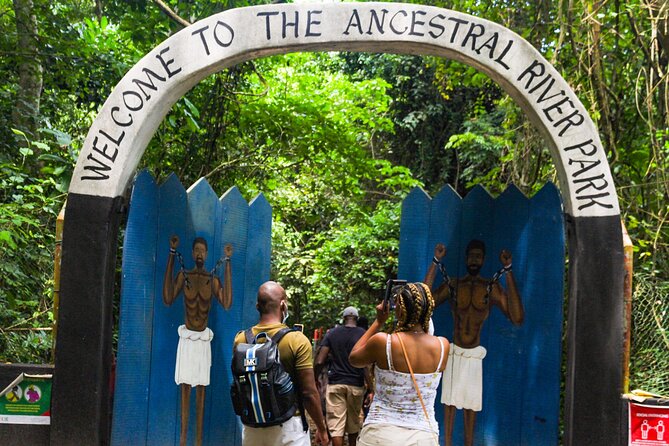
Assin Manso Ancestral Slave River Park is the emotional starting point. Here, enslaved people were forced to take a final bath in the Ndonkor Nsuo, also called the Slave River, before being taken to the coastal castles.
The visit follows the path associated with those captives. Local historians provide stories about the site, Ghanaian culture, and the meaning of the memorials. The setting is not simply a place to hear dates and names. It asks you to consider the physical movement of people from inland areas toward the coast and then across the ocean.
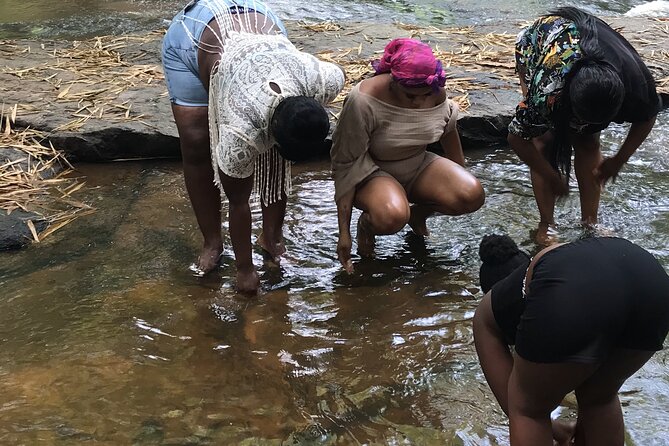
The central moment is the First Bath of Return. This symbolic cleansing represents spiritual renewal, reconnection, and the start of a healing process. The ritual is one reason this tour can mean more to members of the African diaspora than a standard castle excursion.
You should allow yourself quiet time here. The tour description gives about one hour, which is enough for the main presentation and ritual but may feel brief if you want extended personal reflection. Wear footwear suitable for walking, and bring emotional energy for the rest of the day.
This stop also helps prevent the castles from feeling like isolated monuments. You first encounter the story at a place connected to departure from home. The coastal fortresses then become the next part of that same forced journey.
Elmina Castle and the Door of No Return
Elmina Castle was built by the Portuguese in 1482 and later became a major center in the transatlantic slave trade. Its age and seaside position can make it look like a grand European fortress, but the interior tells a much harsher story.
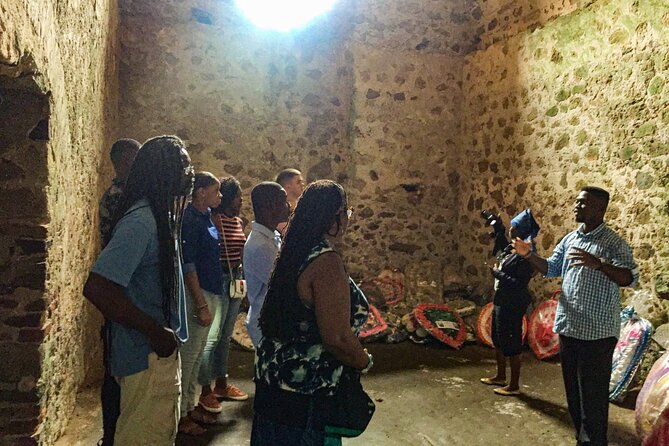
The guided visit takes you through the dark, narrow dungeons where enslaved Africans were held. These spaces are difficult because they make the cruelty of the system physical. You are not only hearing that people were confined. You are seeing the restricted rooms in which they were held for months before shipment.
The governor’s quarters create one of the castle’s sharpest contrasts. Above or apart from the dungeons, rooms connected to authority and comfort reveal the unequal structure of the castle. That contrast is more powerful than a simple list of facts because the architecture itself shows who had space, light, and control.
The Door of No Return is the most recognized part of the visit. It marked the passage toward the ships and an unknown future. The doorway has since become a place of remembrance, not just a photo stop.
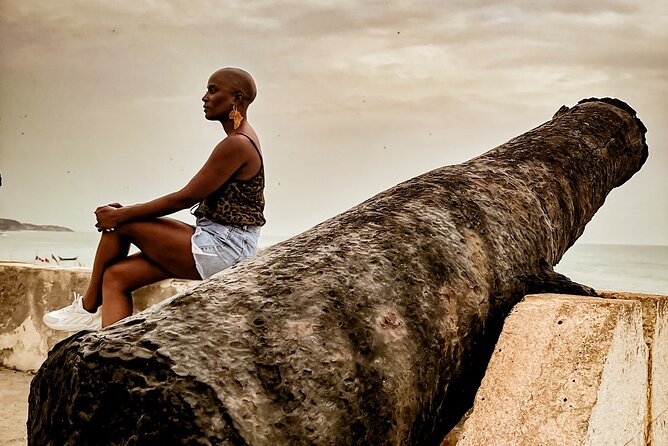
Elmina is a UNESCO-listed site, and its coastal setting gives the visit a strange visual tension. The ocean is beautiful, but it is also the route through which people were forcibly removed from Africa. Expect the setting to feel haunting rather than relaxing.
The castle visit lasts about one hour, with admission included. Since this is a working historic site with guided interpretation, the exact order and pace may depend on local conditions. Stay close to the guide and give yourself time to process what you hear.
More Accra outings people pair with this:
- The Cape Coast Day Tour
★ 5.0 · 525 reviews - Experience the Beauty, History and the Culture Of Accra in a Day
★ 5.0 · 323 reviews - The Cape Coast Tour
★ 5.0 · 177 reviews - From Accra: Cape Coast, Elmina Castle & Kakum Park Day Tour
★ 4.6 · 144 reviews
Cape Coast Castle and the Door of Return
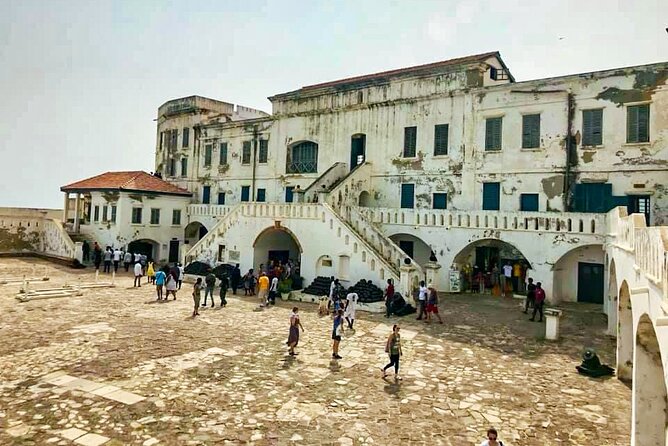
Cape Coast Castle brings another important layer to the day. Like Elmina, it contains dungeons, holding areas, and rooms associated with colonial power, but seeing both castles helps you understand that this history was not confined to one building.
The dark cells are the hardest part for many people. The spaces show the inhumane conditions faced by enslaved Africans before they were sent through the Door of No Return. The governor’s quarters again provide a painful contrast, making clear how comfort and suffering existed within the same complex.
The Door of No Return is now symbolically known as the Door of Return. That change in meaning matters. The original doorway represented forced separation. Its present symbolism allows people of African descent to consider return, remembrance, and spiritual connection.
A guide leads the visit and provides context about the people held there and the systems that supported the trade. You should expect personal stories and a direct look at resistance and endurance, not a polished or comfortable account.
The stop is listed at about one hour, admission included. Since you have already visited Elmina, you may notice similarities, but I would not treat Cape Coast as a duplicate. The value comes from seeing both sites and recognizing the scale and organization of the trade along the coast.
Kakum National Park changes the pace
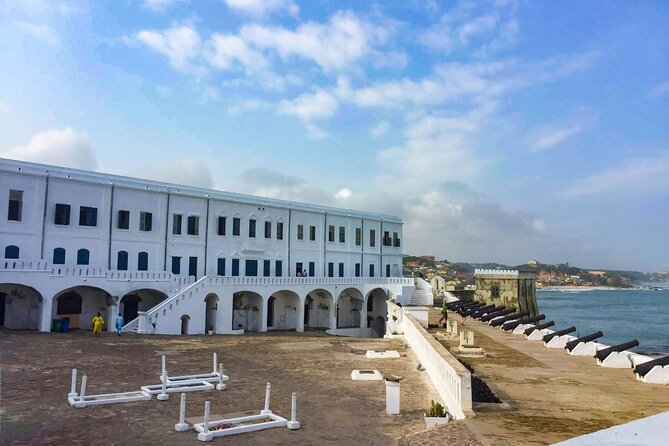
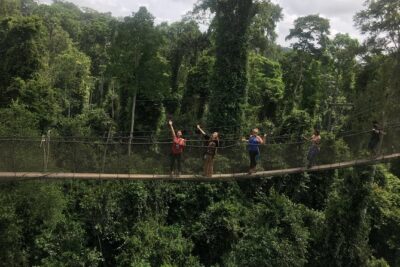
Kakum National Park gives the day a needed change of mood. The highlight is a walk through the forest canopy, offering a view from above the ground rather than another enclosed historic room.
The park stop is especially useful after the slave river and castles. Those places require concentration and emotional attention. The canopy walk brings movement, fresh air, and a different way to see Ghana.
You should ask your guide about the exact timing and duration of the Kakum visit, since the supplied schedule does not give a separate stop length. The tour does identify it as part of the experience, but the three historical locations are the most clearly timed stops.
A canopy walk is not the right feature for everyone. If heights make you uncomfortable, you may find this section less enjoyable than the rest of the day. Even so, its place in the route makes sense. It prevents the day from becoming one long sequence of dungeons and historical testimony.
Lunch, water, and the value of a private vehicle
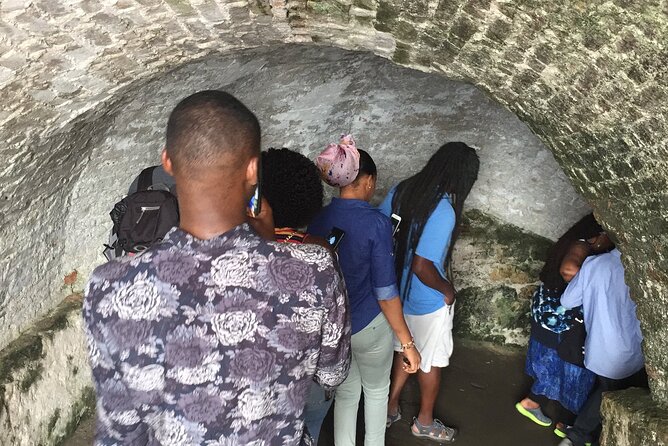
Lunch and bottled water are included, along with an air-conditioned vehicle, private transportation, and the fuel surcharge. Those inclusions matter because this is a long day, not a short city tour.
One account of the experience describes a proper breakfast break, a pleasant lunch, and time at a beautiful beach. The supplied schedule does not give the restaurant name or promise a beach stop as a formal part of the route, so I would regard those details as possible rather than guaranteed.
The private format is the strongest practical feature. Only your group participates, which means you can ask more questions and discuss difficult subjects without a busload of strangers. It also lets the guide be more flexible when someone needs a pause after the castle visits.
The vehicle is not just a way to get from place to place. Accra to the Central Region is a substantial road journey, and the day can stretch to 14 hours. Air conditioning, water, and fuel included in the price reduce the number of small decisions you need to make.
Is $300 a fair price?
At $300 per person, this is not a budget excursion. The value depends heavily on group size and what sort of day you want.
You are paying for a private guide, private transport, fuel, lunch, bottled water, admission to the named sites, and a route that would be difficult to organize efficiently on your own in one day. If two or three people share the experience, the private format becomes more appealing because you receive personal attention throughout the long drive.
The price is harder to justify if you mainly want quick photographs of the castles. In that case, the early start, long road time, and emotional weight may not suit you. The tour makes better financial sense if your main goal is to understand the history and take part in the remembrance elements.
Group discounts are available, which may improve the value for families or friends traveling together. Confirmation is provided at booking, and free cancellation is available up to 24 hours before the 5:00 a.m. start. Changes or cancellations inside that window are not accepted for a refund.
Who will appreciate this experience most?
I would recommend this day to people with a serious interest in Ghanaian history, the transatlantic slave trade, and African diaspora heritage. It is particularly suited to visitors who want a personal connection rather than a quick stop at a famous building.
Nii’s approach appears to be a major strength. He opens the journey with a message about remembrance and honoring ancestors, and he is praised for patience, kindness, and flexibility. A good guide matters greatly here because the subject requires care as well as information.
The tour is also a good fit for a small private group that wants to talk openly during the drive. You can ask questions that may not be practical in a large group, and you have more control over the pace of reflection.
I would hesitate to recommend it to anyone seeking a relaxed beach day or a short cultural outing. The 5:00 a.m. pickup, 10 to 14-hour duration, and difficult material demand stamina. Poor weather can also lead to a changed date or a full refund, and the experience requires a minimum number of participants.
Should you book Travel Back In Time?
Book it if you want the full historical route: inland remembrance at Assin Manso, confinement at Elmina and Cape Coast, and a symbolic return through the Door of Return. The First Bath of Return and Nii’s personal approach give the day a purpose beyond sightseeing.
Think twice if you dislike early starts, long drives, heights, or emotionally difficult historic places. Before booking, confirm the pickup details, check how many people will share the private vehicle, and ask about the day’s timing for Kakum and lunch.
For the right person, this can become the defining day of a Ghana visit. It is not easy, light, or cheap, but it offers a focused way to face the past and connect it with the present.
FAQ
What time does the tour begin?
The tour starts at 5:00 a.m. local time.
How long does the experience last?
The full experience lasts approximately 10 to 14 hours.
Is transportation included?
Yes. The tour includes private transportation in an air-conditioned vehicle, as well as the fuel surcharge.
Are meals and drinks included?
Lunch and bottled water are included. One account also describes a breakfast break, but the provided details do not formally list breakfast as an inclusion.
Which historic sites are visited?
The tour visits Assin Manso Ancestral Slave River Park, Elmina Castle, and Cape Coast Castle. It also includes Kakum National Park.
Is this a private tour?
Yes. Only your group participates in the activity.
Can I cancel for a full refund?
Yes, if you cancel at least 24 hours before the experience begins. Cancellations made less than 24 hours before the start time are not refunded. If poor weather or an insufficient number of participants causes the operator to cancel, you will be offered another date or experience, or a full refund.
Most recently reviewed around Accra
- Visit Aburi Garden, Tetteh Quarshie Cocoa Farm & Waterfall★ 4.0 · 4 reviews
- Private 9-Day Tour in Ghana★ 5.0 · 2 reviews
- Wli Waterfalls, Mount Afadjato & Tafi Atome Monkey Sanctuary★ 5.0 · 2 reviews
- Cape Coast and Elmina castle Day Trip★ 5.0 · 2 reviews
- Culinary for Social Change-Cooking Class★ 5.0 · 2 reviews
- Time with Nature★ 5.0 · 2 reviews
- Private Slave Castles and Dungeons Tour in Cape Coast, Ghana★ 5.0 · 3 reviews
- Experience Accra★ 5.0 · 2 reviews
Assin Manso & Slave Route Tours, compared.
Cape Coast/Elmina Slave Dungeon and Canopy Walkway Private Tour
Read our review →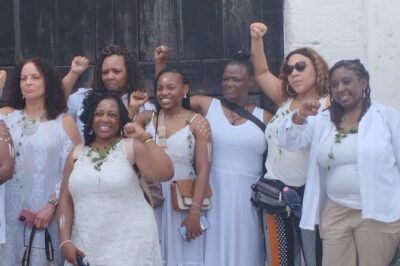
Assin Manso Slaves River and Cape Coast Castle Tour
Read our review →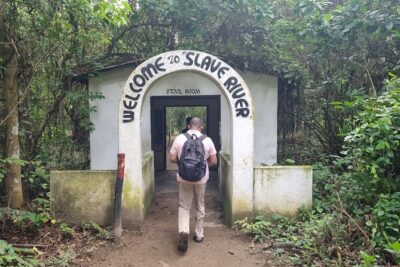
Assin Manso Slave River, Cape Coast and Elmina Castle Day Tour
Read our review →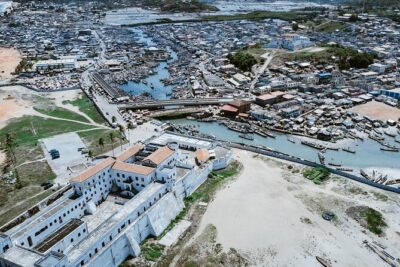
Cape Coast Castle, Assin Manso Slave River & Kakum Day Tour.
Read our review →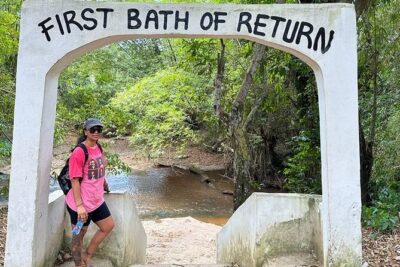
Assin Manso Slave River and Cape Coast Castle Private Day Tour
Read our review →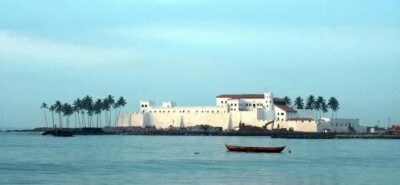
Cape Coast Slave Dungeons Heritage Tour & Lunch
Read our review →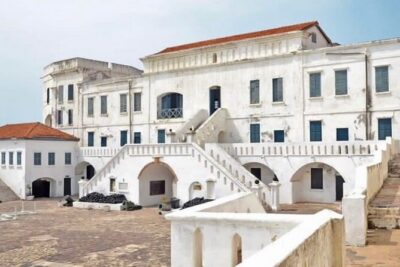
Cape Coast Castle, Assin Manso Slave River and Door of No Return
Read our review →
Accra Slave Castle and City Private Tour with Pick up
Read our review →Browse the lists this tour appears in