
Reviewed · HISTORICAL TOURS
10 Days Ghana Cultural and Heritage Trip
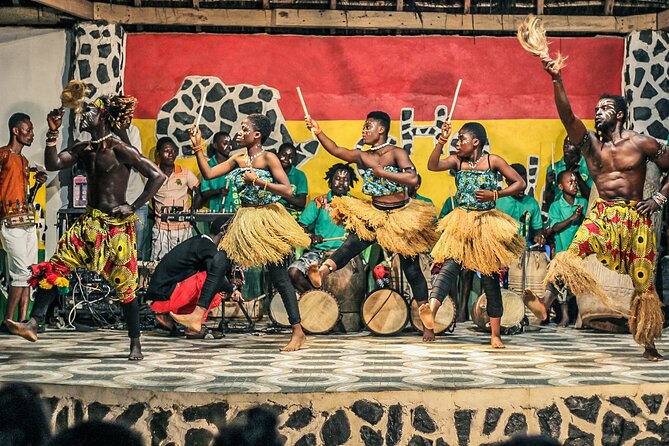
Ghana makes the past feel close. This ten-day journey links Accra’s independence landmarks with Cape Coast’s slave castles, Kakum’s rainforest walkway, Elmina’s customs, and Kumasi’s Ashanti traditions. I like the way the route moves beyond the capital, and I especially like the small group of up to 10 people, which should make sensitive historical visits easier to discuss.
I also like the practical setup: airport pickup, an air-conditioned vehicle with Wi-Fi, and tour leaders including Nana, whose warm response to a past guest reflects the personal approach promised here. The main consideration is the $3,500 price, which is a serious commitment, especially since only eight breakfasts, four lunches, and dinner are specifically listed as included.
This is not a light sightseeing holiday. You will spend time with painful parts of Ghana’s past, walk barefoot to a former slave-bathing site, and take part in a naming ceremony. The rewards are substantial, but you should arrive ready to listen, reflect, and handle a full ten-day schedule.
In This Review
- Key points to know before booking
- Starting in Accra with a warm welcome
- Accra’s independence story and busy city center
- Aburi plants and the Pan-African story
- Cape Coast Castle and the Door of No Return
- Kakum’s canopy walkway and historic Elmina
- A naming ceremony and a slower Elmina morning
- Assin Manso and the barefoot walk to the river
- Kumasi, Ashanti royalty, and the unmovable sword
- Bonwire Kente and the meaning in cloth
- Final souvenirs at Accra Arts Center
- What the $3,500 price really covers
- Who should book this Ghana trip?
- Should you book it?
- FAQ
- Where does the Ghana cultural and heritage trip begin?
- How long does the tour last?
- How many people can join the tour?
- Which languages are offered?
- Are meals included?
- What happens if bad weather cancels the tour?
Key points to know before booking

- Cape Coast and Elmina bring the slave trade into sharp focus, with castle dungeons, the Door of No Return, and the Assin Manso river.
- Kakum’s canopy walk adds a physical change of pace, with a 90-minute visit among the rainforest trees.
- The naming ceremony in Elmina is the most personal cultural moment, including a local name based on your birth day and African clothing.
- The route reaches Kumasi and Bonwire, giving you an introduction to Ashanti royalty, sacred traditions, and Kente weaving.
- Accra receives a useful first and final look, from the Nkrumah memorial and Independence Square to Makola Market and the Arts Center.
- The vehicle and group size matter, since the tour covers several destinations and caps participation at 10 people.
Starting in Accra with a warm welcome
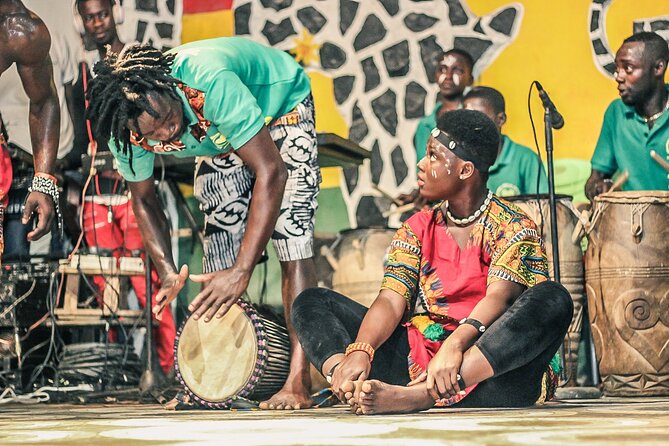
Your trip begins at Kotoka International Airport in Accra, with pickup and transfer to your hotel. The listed start time is 8:30 a.m., so you should confirm how that timing fits your arrival flight before booking. The first evening includes dinner and drinks, giving you a chance to meet the group and the in-country leaders without starting immediately with a museum or monument.
That opening meal is useful. A ten-day trip works better when you know who is sharing the vehicle, and a small group can make introductions easier. Dinner is included, but the tour details do not specify which drinks or how many later meals are covered, so I would ask for the meal schedule before paying.
More Accra outings people pair with this:
- The Cape Coast Day Tour
★ 5.0 · 525 reviews - Experience the Beauty, History and the Culture Of Accra in a Day
★ 5.0 · 323 reviews - The Cape Coast Tour
★ 5.0 · 177 reviews
Accra’s independence story and busy city center
Day two begins at the Kwame Nkrumah Memorial Park, the burial place of Ghana’s first president. The one-hour visit includes personal belongings, photographs, correspondence, and the smock Nkrumah wore while declaring independence.
This is a good first historical stop because it gives Ghana’s modern political story a clear starting point. You are not simply looking at a statue. The personal objects help connect the independence movement to one person and his public life.
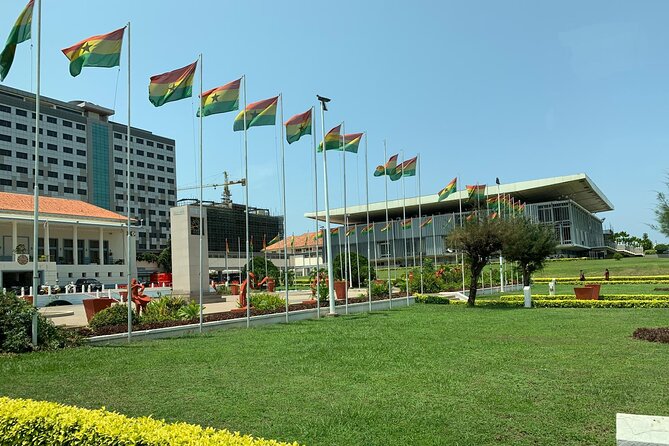
Next comes Independence Square, also called Black Star Square. The 40-minute visit includes the Independence Arch, Black Star Gate, and Liberation Day Monument. The square hosts Ghana’s Independence Day parade on March 6 each year, so the site carries both national symbolism and a strong ceremonial purpose.
Makola Market then changes the mood. Accra’s largest open-air market is crowded, narrow, noisy, and full of movement. You can expect goods, scents, people carrying bowls and packages on their heads, and many small paths rather than a neat shopping street.
The planned one-hour stop gives you a taste, not a full market expedition. That is worth keeping in mind because the market description suggests there is enough to occupy much longer. Your guide will show you interesting sections and photo positions, but stay alert to your belongings and follow the group closely in the tight lanes.
The National Museum of Ghana finishes the day with displays on local customs, chiefs’ regalia, musical instruments, gold weights, beads, textiles, stools, pottery, farming, iron making, and traditional dance. It also covers the slave trade and includes objects from cultures beyond Ghana, including Senfu masks from Côte d’Ivoire and Zulu figures and beadwork.
I like this sequence because it gives you politics, public life, commerce, and culture in one day. The drawback is pace. Four stops in Accra can feel compressed, especially when Makola Market rewards slow looking.
Aburi plants and the Pan-African story
Day three heads to Aburi Botanical Gardens. The one-hour visit focuses on African herbs and plants, including their origins, age, medicinal uses, and place in society.
This stop gives the program a needed pause from monuments and formal history. The value is not only the plants themselves. You get a chance to see how knowledge of nature connects with everyday life and local customs.
The W.E.B. DuBois Center follows, also with one hour. The center presents Du Bois as an American sociologist, socialist, and historian, and frames his work through Pan-Africanism.
Together, the gardens and memorial center create a quieter day than day two. The program does not provide a detailed schedule between the stops, so the pace may feel more relaxed or more travel-focused depending on the day’s road arrangements.
Cape Coast Castle and the Door of No Return
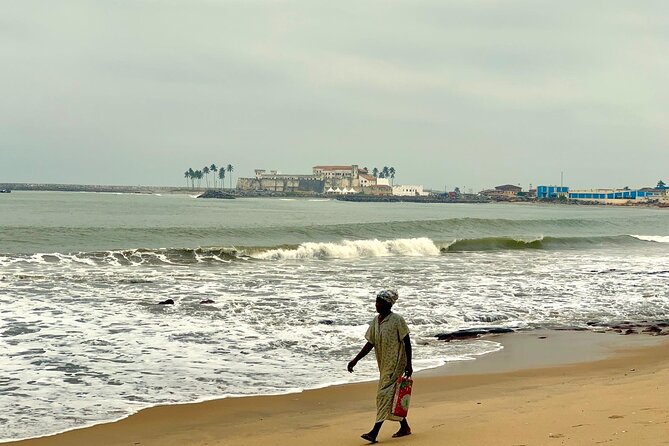
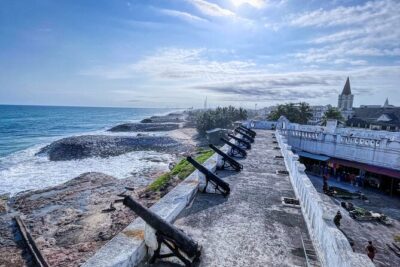
Cape Coast Castle receives a full day four visit, with one hour allocated to the castle. The tour takes you through the dungeons where enslaved people were held before being sent onto ships, then to the Door of No Return.
This is one of the most serious parts of the trip. The short time listed does not make the subject small. You will be looking at confined spaces connected to the forced removal of Africans, so the visit can feel emotionally heavy.
The castle is especially valuable for anyone tracing family history or trying to understand the physical system behind the Atlantic slave trade. I would not treat it as a quick photo stop. Listen carefully to the guide and leave room afterward to process what you have seen.
Other history-led days around Accra:
- Ghana Heritage Tours – Beyond The Return
★ 5.0 · 36 reviews - Cape Coast Historical Day Tour
★ 5.0 · 24 reviews - Full-Day Private Culture and History Tour of Accra
★ 5.0 · 23 reviews - Ghana Private Historic Tour through Castles and Nature
★ 5.0 · 18 reviews
Kakum’s canopy walkway and historic Elmina
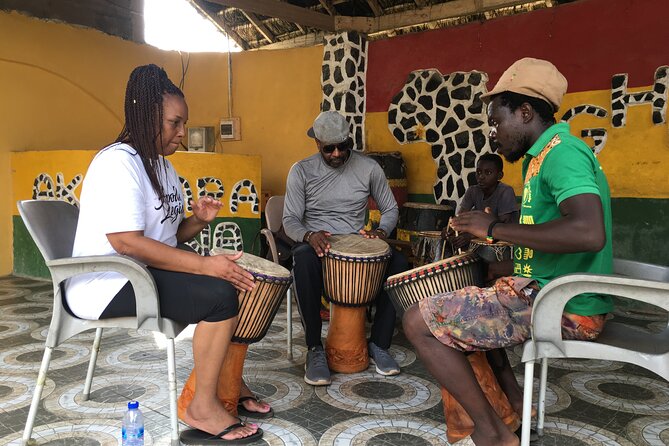
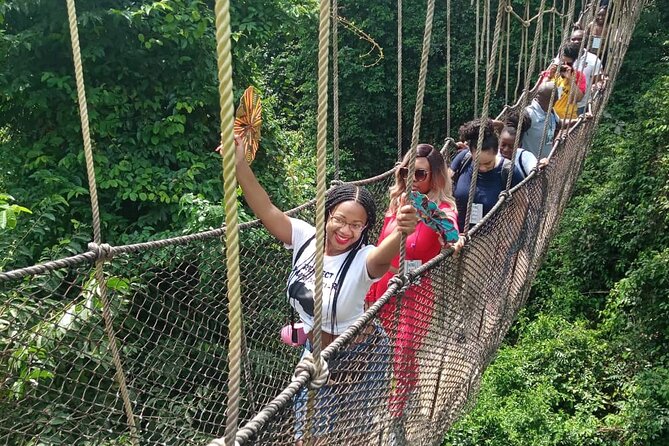
Day five combines a rainforest visit with more heritage sites. At Kakum National Park, you spend about 90 minutes exploring the forest and walking along the canopy route. The walkway is one of the few of its kind in the world, according to the tour details, and it gives you a view from above the forest floor.
This is the trip’s clearest change of pace. After the solemnity of Cape Coast Castle, the canopy walk adds movement and fresh air. It is still an active visit, so consider your comfort with elevated walkways before booking. The information provided does not specify accessibility arrangements or weather conditions beyond the general weather requirement for the experience.
Elmina follows with a one-hour walking tour through historic buildings. The route includes the 17th-century Dutch Cemetery, a Posuban Shrine, and an Asafo post. The visit is listed as free, while Elmina Castle later includes admission.
At Elmina Castle, you see another slave dungeon, courtyards, and the Door of No Return. The castle is described as the oldest and largest European building of its kind below the Sahara. Seeing Cape Coast Castle and Elmina Castle on nearby days lets you compare two major sites, but it also means the emotional weight returns quickly.
If you prefer variety over repetition, this may feel like a lot of castle history. If you want a serious look at Ghana’s role in the slave trade and the routes that carried people away, the pairing is essential.
A naming ceremony and a slower Elmina morning
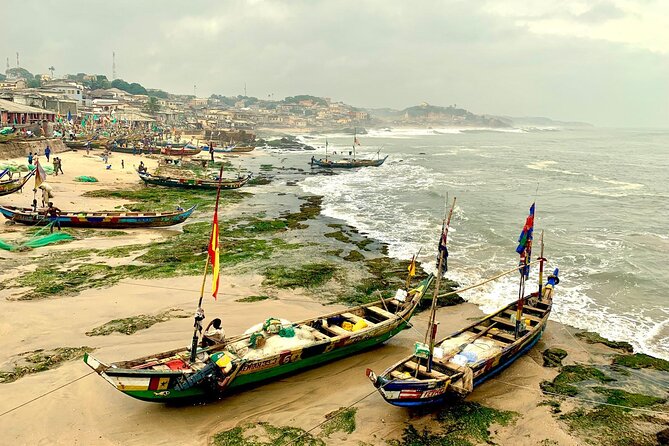
Day six allows rest and relaxation in the morning before visiting the chief’s palace later in the day. That pause is well placed. A program with early starts, road travel, and difficult historical sites needs breathing room.
The palace visit introduces local traditions, followed by a naming ceremony. You receive a name based on the day you were born, as part of Ghanaian custom, and wear African clothing for the ceremony.
This is likely to be one of the most memorable sections because it asks you to take part rather than only observe. Approach it with respect. The name and clothing are not just photo props, and the ceremony deserves the same attention you would give any formal cultural practice.
The details do not state the exact clothing provided, the ceremony’s language, or whether you receive a written record of the name. Ask your tour leader if those details matter to you.
Assin Manso and the barefoot walk to the river
Day seven goes to Assin Manso, identified as the final place where enslaved people bathed before being taken to the castles and shipped away. The visit includes a walk to the slave river, a memorial wall of return, and a barefoot section meant to connect you with the homeland and honor those who made that journey.
The walk is presented as a reverential return. You will physically touch the soil and follow the route to the river, then see names written on the Wall of Return to represent coming home.
This can be the most emotionally direct experience of the ten days. Cape Coast and Elmina show rooms and walls. Assin Manso asks you to use your own body and attention. Wear clothing suitable for a respectful walk, and remember that the tour specifically says the river walk is barefoot.
The program lists only one hour here. That may be enough for the walk and memorial, but it leaves little extra time if the group wants a longer discussion.
Kumasi, Ashanti royalty, and the unmovable sword
Day eight shifts inland to Kumasi and the Ashanti story. At Manhyia Palace Museum, you visit the seat of the Ashanti king and learn about the Asante Empire. The one-hour stop offers a political and royal counterpoint to the coastal sites.
The schedule also includes West Africa’s largest and busiest open-air market, though the supplied timing does not clearly identify its name or duration. This is a point I would clarify before departure. Kumasi is also connected with the Cultural Center, and the next listed visit is the Okomfo Anokye Sword Site.
At the sword site, you learn about a mystical sword said to have been planted 400 years ago and never removed. The visit lasts about 45 minutes and adds spiritual tradition to the palace and market stops.
This day broadens the trip beyond the slave trade. You get royal institutions, commerce, belief, and Ashanti identity. The road movement and several stops may make the day feel full, so the air-conditioned vehicle becomes more than a comfort feature. It is part of what makes the schedule manageable.
Bonwire Kente and the meaning in cloth
Day nine visits the Bonwire Kente Weaving Centre for one hour. You learn about Ghanaian cloth, the symbols woven into it, and the meaning those designs carry in the culture.
This is a strong shopping day only if you also want context. You are not just looking at patterns. The stop explains why the cloth matters, which can help you choose a piece with more understanding at the end of the trip.
The program does not say that a purchase is included, and it does not specify prices or payment methods. If you plan to buy Kente, ask your guide how much time is available and how the center handles sales.
Final souvenirs at Accra Arts Center
On day ten, you return to Accra Arts Center for about 45 minutes of souvenir shopping before airport drop-off. The short stop is practical, but not generous. If you want time to browse carefully, compare items, or shop for Kente and crafts, you may find the schedule tight.
Airport transfer is included, with the stated aim of getting you there in time for your flight. Still, you should provide your flight details clearly and confirm the pickup plan, since the itinerary does not state how many hours before departure the transfer occurs.
What the $3,500 price really covers
At $3,500 per person, this is priced as a full guided cultural program rather than a series of cheap day tours. The cost includes airport pickup and drop-off, an air-conditioned vehicle with Wi-Fi, admission to many major sites, eight breakfasts, four lunches, and dinner.
The small maximum group of 10 adds value. You should have a better chance to hear explanations, ask questions, and participate in the naming ceremony without being lost in a large crowd. The multilingual offering in English, Spanish, and French is also useful, though you should confirm which language your specific departure will use.
The value is weaker if you expect every meal, hotel detail, and activity cost to be covered. Only the listed meals are confirmed, and some visits are free while others include admission. I would request a written breakdown of hotels, meals, transport days, and any additional charges before making a $3,500 commitment.
The 100 percent recommendation rating from 31 reviews and the five-star score are encouraging. One especially strong account praised Nana and his team for arranging a pilgrimage that felt both adventurous and emotionally meaningful. That is important here because the quality of the trip depends heavily on how respectfully the leaders handle the slave-trade sites and the local ceremonies.
Who should book this Ghana trip?
I would recommend it to you if you want Ghana’s heritage presented through places, customs, and personal participation. It suits people who value guided context, small groups, and a planned route more than free time or independent wandering.
It is also a good match if you want to connect coastal slave-trade sites with Accra’s independence story and Kumasi’s Ashanti traditions. The canopy walk, market visits, palace museum, and Kente center keep the program from becoming nine days of museums.
I would hesitate if you dislike fixed schedules, emotional historical sites, elevated walkways, or long stretches of organized touring. The tour also needs clearer information about hotel standards, meal coverage, the Kumasi market stop, and the airport timing.
Free cancellation is available up to 24 hours before the start time. Changes or cancellations inside that window are not refunded, and poor weather may lead to a new date or a full refund.
Should you book it?
Book this tour if you want a guided introduction to Ghana that takes its history seriously and gives you meaningful contact with local customs. The strongest parts are the small group, Nana’s personal leadership style, the Assin Manso walk, the Elmina naming ceremony, and the mix of Accra, the coast, and Kumasi.
Before you pay, ask for the hotel list, the full meal plan, and the exact schedule for the long road days. If those details suit you, the price can be worthwhile for a carefully arranged ten-day introduction. If you want maximum independence or a cheaper trip, build your own shorter route instead.
FAQ
Where does the Ghana cultural and heritage trip begin?
The tour begins at Kotoka Airport in Accra, Ghana. The listed start time is 8:30 a.m., and airport pickup is offered.
How long does the tour last?
The experience lasts approximately 10 days, beginning with arrival in Ghana and ending with airport drop-off in Accra.
How many people can join the tour?
The maximum group size is 10 travelers.
Which languages are offered?
The experience is offered in English, Spanish, and French.
Are meals included?
Dinner, eight breakfasts, and four lunches are included. The available details do not specify that all meals during the ten days are covered.
What happens if bad weather cancels the tour?
The experience requires good weather. If poor weather causes cancellation, you will be offered a different date or a full refund.
Most recently reviewed around Accra
- Visit Aburi Garden, Tetteh Quarshie Cocoa Farm & Waterfall★ 4.0 · 4 reviews
- Private 9-Day Tour in Ghana★ 5.0 · 2 reviews
- Wli Waterfalls, Mount Afadjato & Tafi Atome Monkey Sanctuary★ 5.0 · 2 reviews
- Cape Coast and Elmina castle Day Trip★ 5.0 · 2 reviews
- Culinary for Social Change-Cooking Class★ 5.0 · 2 reviews
- Time with Nature★ 5.0 · 2 reviews
- Private Slave Castles and Dungeons Tour in Cape Coast, Ghana★ 5.0 · 3 reviews
- Experience Accra★ 5.0 · 2 reviews
Historical Tours, compared.
Experience the Beauty, History and the Culture Of Accra in a Day
Read our review →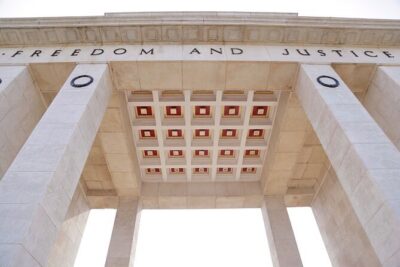

Full-Day Private Culture and History Tour of Accra
Read our review →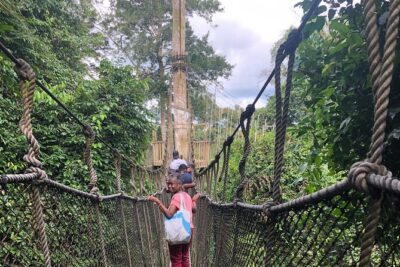
Ghana Private Historic Tour through Castles and Nature
Read our review →
7-Day Private Cultural and Heritage Tour in Ghana
Read our review →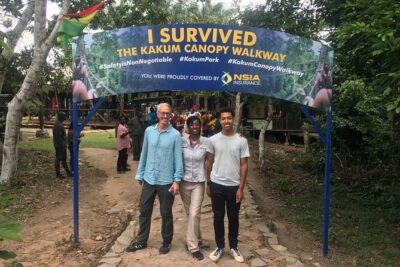
The Historic Cape Coast and Elmina Tour (The Land of History).
Read our review →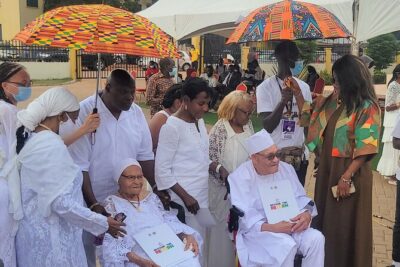
Naming Ceremony and Heritage Homecoming Experience for Diasporas
Read our review →Browse the lists this tour appears in