
Reviewed · HISTORICAL TOURS
7-Day Private Cultural and Heritage Tour in Ghana
Ghana rewards curious travelers. This seven-day private tour links Accra, Kumasi, Cape Coast, and Kakum with hands-on craft visits, royal sites, memorials, and local markets. I like the personal pickup, air-conditioned vehicle, certified guide, and private format. You are not being moved through a fixed group, so the experience can feel more human and easier to manage.
I also like the balance of serious history and everyday culture. You will stamp Adinkra cloth, watch Kente being woven, visit bead makers, browse Kejetia Market, and spend time by the Volta River. The main drawback is the pace: seven days covers a lot of ground, and some days include long drives with one-hour stops. You should be comfortable with early starts, warm weather, and a moderate level of physical activity.
In This Review
- Six details that shape this Ghana tour
- Starting in Accra with a proper Akwaaba
- Accra’s independence story and after-dark energy
- Aburi, beads, and the Volta River
- Kente, Adinkra, and Ashanti craftsmanship
- Kumasi’s royal palace and Kejetia Market
- Assin Manso and Cape Coast Castle
- Kakum’s canopy walkway and the ride back to Accra
- What the $1,998.95 price really covers
- The pace, comfort, and practical tradeoffs
- Who should book this Ghana itinerary?
- FAQ
- How long is the tour?
- Where does the tour begin?
- Is this a private tour?
- What transportation is provided?
- Are accommodations included?
- Are meals included?
- Are entrance fees included?
- What is the cancellation policy?
Six details that shape this Ghana tour
- Airport-to-airport service: Pickup begins at Kotoka International Airport and the final transfer returns you there or to another agreed drop-off point.
- Private touring only: Your own group participates, with a certified guide and air-conditioned vehicle.
- Hands-on Ghanaian crafts: Kente weaving, Adinkra stamping, bead making, drumming, and wood carving give the trip more texture than monument visits alone.
- Major heritage sites included: Kwame Nkrumah Memorial Park, Manhyia Palace Museum, Assin Manso, Cape Coast Castle, and Kakum National Park are built into the route.
- Several optional extras cost more: Motorboat rides, the Naming Ceremony, the Door of Return ceremony, cultural performances, and some evening activities are not included.
- Strong value for a private itinerary: The $1,998.95 per-person price includes hotels, six breakfasts, entrance fees, transport, guide costs, and 24/7 office support.
Starting in Accra with a proper Akwaaba
Your arrival is handled simply. A guide meets you at Kotoka International Airport at the arranged time, then takes you in an air-conditioned vehicle for an Akwaaba welcome refreshment. Akwaaba means welcome, and beginning with this small gesture helps turn an airport arrival into the first cultural encounter.
If time allows, you receive a short orientation to Accra before going to your hotel. The first day is deliberately light, with time to rest and prepare. That is sensible after an international flight, though the listed stop at Accra Mall is brief and should not be treated as a full sightseeing day.
The airport welcome is one of the strongest practical features. Past visitors have specifically appreciated guides helping with luggage, arrival formalities, and settling in. Jojo, Eric, Mike Amuzu, and Timothy Dadgie have all been associated with particularly well-regarded trips, though your assigned guide may be different.
More Accra outings people pair with this:
- The Cape Coast Day Tour
★ 5.0 · 525 reviews - Experience the Beauty, History and the Culture Of Accra in a Day
★ 5.0 · 323 reviews - The Cape Coast Tour
★ 5.0 · 177 reviews
Accra’s independence story and after-dark energy
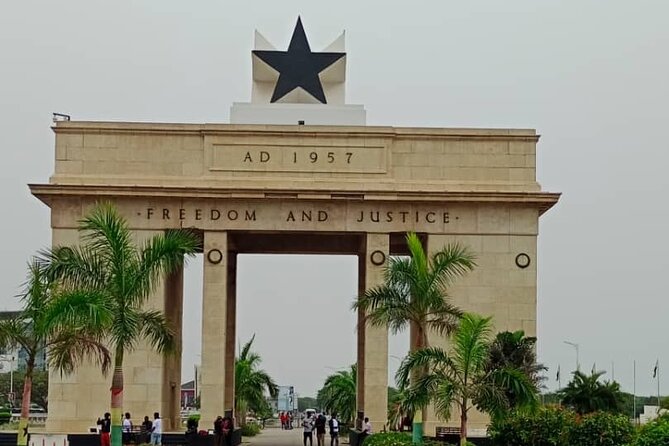
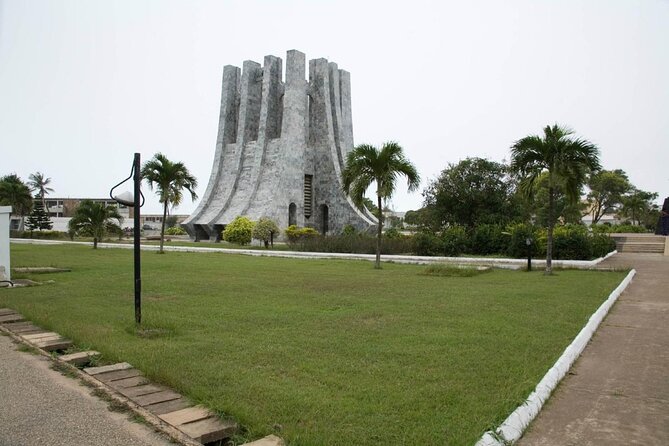
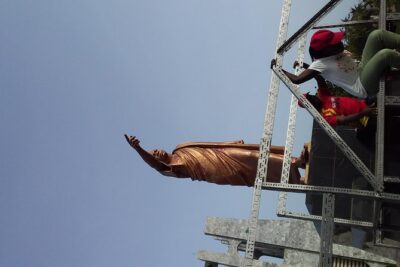
Day two begins at Kwame Nkrumah Memorial Park. The monument and museum area introduce Ghana’s independence story through the life of Kwame Nkrumah, the country’s first president. Independence Square adds a second major setting, tied to national ceremonies and Ghana’s break from British colonial rule.
You have about an hour here, which is enough for a guided introduction but not a slow museum study. If you want extra time for exhibits and photographs, tell your guide early. A private tour gives you a better chance of adjusting the rhythm than a large coach group would.
The Arts Center brings a different side of Accra. You can shop for local products, compare crafts, and take a drumming lesson. Shopping can be lively and persuasive, so decide what you want to buy before you arrive and keep some room in your luggage. The W.E.B. Du Bois Center then shifts the focus to Pan-African thought and the life of an important American scholar and civil rights figure who spent his final years in Ghana.
The day finishes on Oxford Street, where Accra’s evening scene comes alive. Food, drinks, and nightlife are at your own expense. This is a useful chance to see the capital beyond museums, but it is also the least structured part of the itinerary. If you prefer a quiet night after sightseeing, you can treat it as optional rather than a required event.
Aburi, beads, and the Volta River
Day three heads toward the Volta region, beginning with the Aburi Botanical Gardens. The plan includes a stop at the Aburi craft market, followed by time in the gardens. You can walk among the plantings, take in the views, or rent a bicycle for a more relaxed visit.
The gardens offer a welcome change after Accra’s city streets. The scheduled hour is short if you want both the market and a bicycle ride, so ask your guide how the timing will work that day. This is one of several places where the itinerary gives you a taste rather than a full day.
A bead workshop follows. Handcrafted beads are an important part of Ghanaian decorative culture, and a workshop visit lets you see the making process and choose from a broad selection. It is also a practical souvenir stop because beads are small, easy to pack, and tied directly to local craft traditions.
At the Volta River and Adomi Bridge, the mood changes again. Adomi is Ghana’s only steel arch bridge, and the river provides a calm setting for a canoe ride. A motorboat ride is available for an extra charge if you want more speed. Later, you stay at a nearby resort and have time to rest.
The river portion is attractive because it slows the trip down. Still, swimming is listed for the following morning, not guaranteed at every stop, and water activities depend on conditions. Ask about safety and weather before choosing the boat option.
Kente, Adinkra, and Ashanti craftsmanship
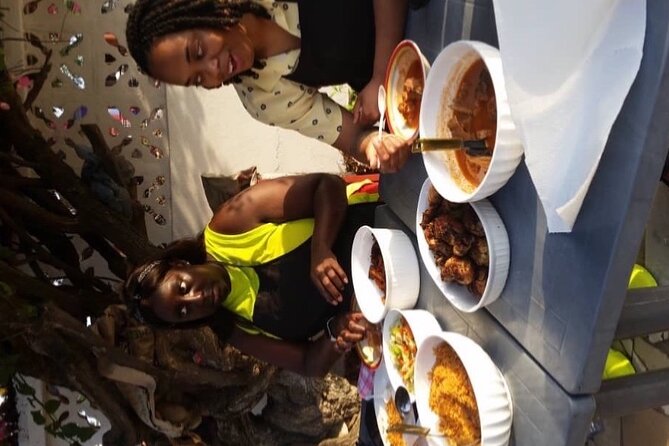
Day four is the most hands-on cultural day. The morning begins beside the Volta River, where you can relax, swim, and watch fishermen bringing in their early catch. It is a quiet contrast to the driving and scheduled visits, though you should not expect a long beach-style break.
The route then continues toward the Ashanti region and Adanwomase, known for Kente weaving. Here you can watch artisans work through the detailed process of creating Kente cloth. The patterns and colors carry social and cultural meaning, so this stop is more than a shopping visit.
For an additional fee, you can join a traditional Naming Ceremony at a chief’s palace. The experience includes drumming, dancing, and wearing Kente cloth. This is one of the tour’s most distinctive options, especially for people with a personal connection to Ghana or an interest in ceremonial traditions. It should be approached respectfully, with your guide explaining what participation involves.
Ntonso adds another workshop experience. You make a strip of textile by stamping Adinkra symbols, each linked to a particular idea or value. Choosing the symbols yourself gives the souvenir a personal meaning, and taking home the finished piece is more memorable than buying a generic item.
The final stop is Ahwiaa, a center for wooden carvings. You can browse sculptures and traditional crafts before continuing to Kumasi for the night. As with many craft areas, buying is optional. Take time to compare quality and prices, and remember that a larger carving can create a packing problem.
Other history-led days around Accra:
- Ghana Heritage Tours – Beyond The Return
★ 5.0 · 36 reviews - 10 Days Ghana Cultural and Heritage Trip
★ 5.0 · 31 reviews - Cape Coast Historical Day Tour
★ 5.0 · 24 reviews - Full-Day Private Culture and History Tour of Accra
★ 5.0 · 23 reviews
Kumasi’s royal palace and Kejetia Market
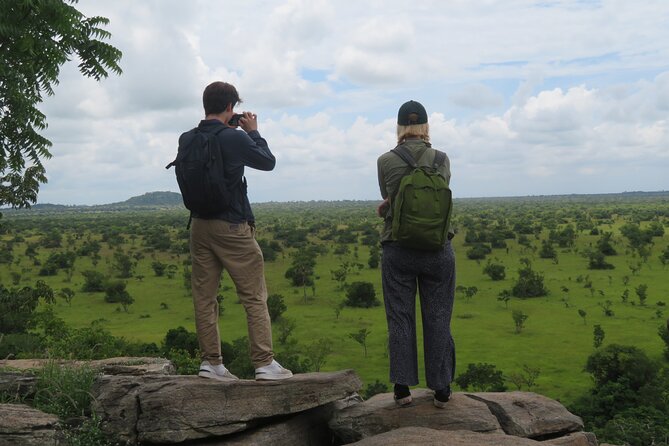
Day five centers on Kumasi, the heart of Ashanti culture. Manhyia Palace Museum explains the Ashanti Kingdom through royal objects, stories, governance, and court traditions. The palace connection gives the visit a stronger sense of place than a general museum would.
The National Cultural Center follows with more artifacts and exhibits. The itinerary also calls attention to the Komfo Anokye sword, a famous symbol linked to Ashanti tradition and folklore. The center includes craft shops, so you may want to keep part of your shopping budget for this stop.
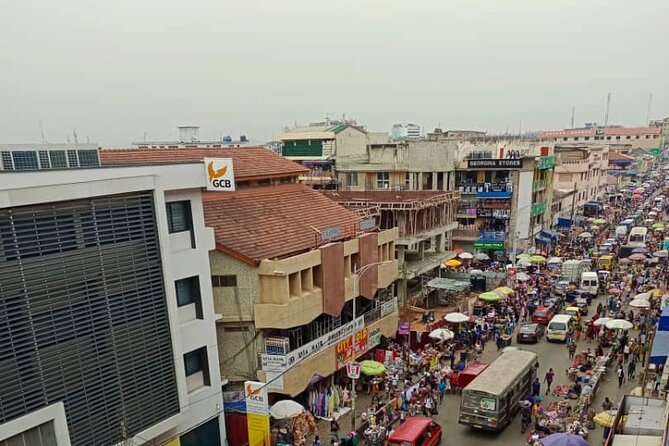
Kejetia Market finishes the day. It is described as West Africa’s largest outdoor market, with stalls selling crafts, food, fresh produce, and everyday goods. This is not a quiet, polished shopping center. Expect crowds, noise, and a lot to see in a short time.
I would keep your valuables secure and stay aware of your meeting point. The market can be exciting, but it can also be tiring. The itinerary wisely allows time to rest afterward, which matters because the following day turns to some of Ghana’s most painful historical sites.
Assin Manso and Cape Coast Castle
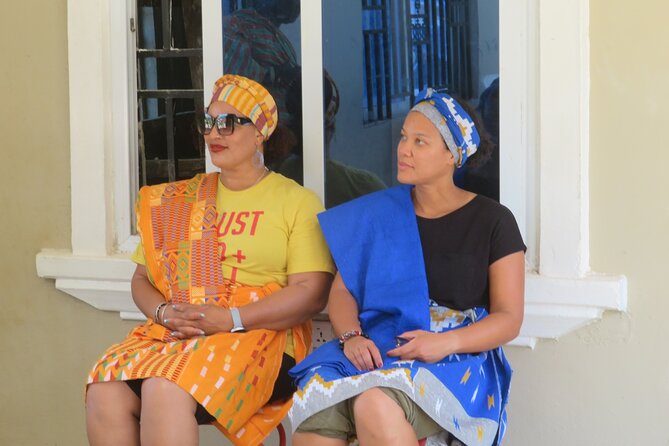
Day six carries the tour into Ghana’s slave-trade heritage. Assin Manso Ancestral Slave River Park was connected to the movement of enslaved people and also served as a cemetery and market. The site calls for quiet attention. A guide can help place the location within the wider story of the transatlantic slave trade.
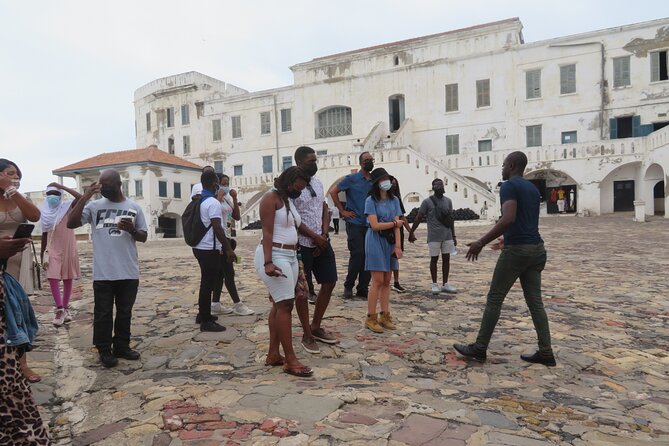
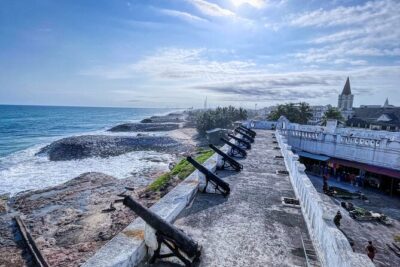
Cape Coast Castle is the emotional center of the itinerary. The former slave dungeon and its coastal setting force difficult questions about captivity, commerce, and the African Diaspora. The tour allows about an hour, enough for a strong introduction but possibly not enough for every detail at a slow pace.
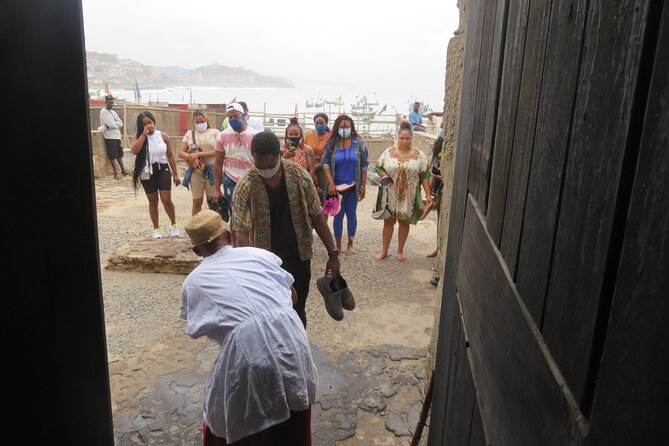
The Door of Return ceremony is available for an additional fee. It symbolizes a return to the motherland after the forced removal of Africans through the slave trade. For people making a heritage pilgrimage, this may carry deep personal meaning. If you want it, confirm the additional cost and timing before the day begins.
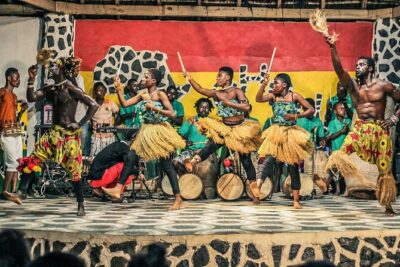
An evening cultural performance is also optional and costs extra. You may be invited to join the drumming and dancing, including onstage participation. That can bring welcome energy after a serious day, but you should decide how much activity feels right after visiting Cape Coast Castle.
Kakum’s canopy walkway and the ride back to Accra
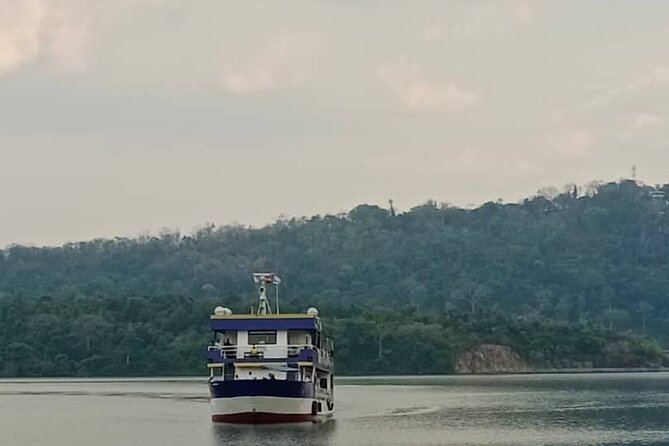
Day seven begins with the return toward Accra and a stop at Kakum National Park. The park protects tropical forest and is known for its canopy walkway, which gives you a view from above the forest floor. It is also one of Ghana’s leading birdwatching places, so bring patience if you keep a bird list.
The canopy walkway requires comfort with height and movement. The tour calls for moderate physical fitness, and you should expect walking in warm conditions. The scheduled hour is brief, so this is a highlights visit rather than a long forest outing.
Mankessim provides the final cultural stop. You visit one of the region’s remaining Posuban shrines before continuing along the coast to Accra. The shrine visit adds one more reminder that Ghanaian heritage is not limited to major museums and castles.
The airport transfer is planned for two hours before your flight. That is useful, but you should give the operator your exact departure details and allow extra flexibility if your flight is important. The final drop-off can be at Kotoka International Airport or another designated location.
What the $1,998.95 price really covers
At $1,998.95 per person, this is not a budget day tour. It is a private seven-day package with transport, accommodations, a certified guide, entrance fees, six breakfasts, and guide and driver expenses included. You also receive 24/7 office support.
The value depends on how much planning you want to hand over. You are paying for a connected route across several regions, not just individual admissions. The air-conditioned vehicle matters in Ghana’s warm climate, especially on the longer drives, and past visitors have praised clean vehicles, careful driving, comfortable hotels, and breakfast service.
You still need to budget for guest meals, all alcoholic and non-alcoholic drinks, international flights, travel insurance, and immunizations. The listed price also does not cover optional activities such as the Naming Ceremony, motorboat ride, Door of Return ceremony, or evening performance.
For a solo visitor, the private setup can be expensive but may still be worthwhile because the operator has arranged solo trips around individual budgets. For couples, families, and small groups, the private vehicle and flexible attention make the package easier to justify.
The pace, comfort, and practical tradeoffs
This is a road-based tour with a lot of stops. Several entries allow roughly one hour, so you will see many places but may not have time to linger. The route also moves from Accra to the Volta area, then Kumasi, the Central Region, and back to Accra. That variety is the appeal, but the mileage can be tiring.
The private format helps. You can ask questions, take short breaks, and discuss which optional stops matter most to you. The tour is not described as wheelchair-specific, and a moderate fitness level is recommended. Service animals are allowed, and the tour is near public transportation, though the included vehicle handles the main route.
The operation has received especially strong praise for personal care and safety. Guides have met solo visitors at the airport, helped with arrival tasks, found local food such as fried yam and jollof rice, and adjusted plans for anniversaries, business trips, and group needs. That suggests a responsive style, but you should still state your priorities clearly before arrival.
Booking is commonly made about 56 days ahead, so advance planning is sensible. Confirmation arrives at booking, and cancellation is free up to 24 hours before the start time. Within 24 hours, changes and refunds are not accepted. Poor weather can lead to a new date or a full refund.
Who should book this Ghana itinerary?
I would recommend it to first-time visitors who want a broad introduction without arranging hotels, drivers, entrances, and regional transfers on their own. It suits people who care about Ghanaian independence, Ashanti culture, Pan-African history, the slave trade, crafts, and nature.
It is also a good match for solo visitors who value airport support and a private guide. Couples can use the flexible format for special touches, and families may appreciate having one vehicle rather than coordinating several local rides.
I would hesitate if you want long stays in each place, extensive wildlife viewing, or unstructured time. The itinerary is packed, some activities cost extra, and meals beyond breakfast are your responsibility.
If you want Ghana in concentrated form, I think this tour is worth serious consideration. Book it if you value a caring guide, private transport, and meaningful heritage sites more than a slow pace. Before paying, ask for the hotel list, daily driving estimates, optional-activity prices, and the name of your guide. Those details will tell you if the tour fits your travel style.
FAQ
How long is the tour?
The experience lasts approximately seven days.
Where does the tour begin?
Pickup begins at Kotoka International Airport in Accra at a pre-arranged time.
Is this a private tour?
Yes. Only your group participates in the private tour or activity.
What transportation is provided?
An air-conditioned vehicle is provided for the tour, including airport transfers and regional travel.
Are accommodations included?
Yes. Accommodations are included in the listed price.
Are meals included?
Six breakfasts are included. Guest meals and alcoholic and non-alcoholic drinks are not included.
Are entrance fees included?
Entrance fees for the included attractions are covered. Optional activities may require additional payment.
What is the cancellation policy?
You can cancel at least 24 hours before the experience starts for a full refund. Cancellations or changes made within 24 hours are not refunded or accepted. If poor weather causes cancellation, you will be offered another date or a full refund.
More 7-Day Experiences in Accra
- Private Multi-Day Ghana Tour about Culture History and Wildlife – 7 Days
★ 5.0 · 8 reviews - 7 Day Artisanal Tour
★ 5.0 · 4 reviews - 7days/6nights Eco Tourism
★ 5.0 · 3 reviews - 7 Days Cape Coast and Nzulezo Stilt Village Tour
★ 5.0 · 2 reviews
Most recently reviewed around Accra
- Visit Aburi Garden, Tetteh Quarshie Cocoa Farm & Waterfall★ 4.0 · 4 reviews
- Private 9-Day Tour in Ghana★ 5.0 · 2 reviews
- Wli Waterfalls, Mount Afadjato & Tafi Atome Monkey Sanctuary★ 5.0 · 2 reviews
- Cape Coast and Elmina castle Day Trip★ 5.0 · 2 reviews
- Time with Nature★ 5.0 · 2 reviews
- Culinary for Social Change-Cooking Class★ 5.0 · 2 reviews
- Private Slave Castles and Dungeons Tour in Cape Coast, Ghana★ 5.0 · 3 reviews
- Experience Accra★ 5.0 · 2 reviews
Historical Tours, compared.
Experience the Beauty, History and the Culture Of Accra in a Day
Read our review →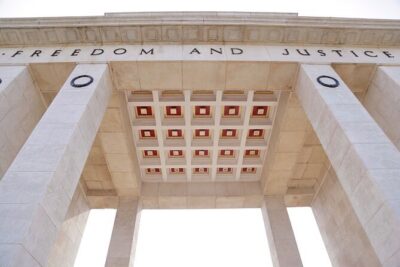

Full-Day Private Culture and History Tour of Accra
Read our review →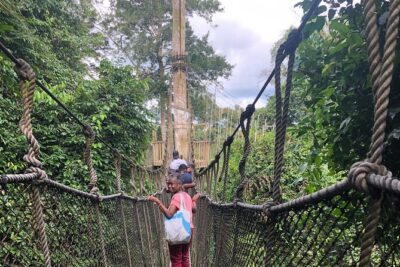
Ghana Private Historic Tour through Castles and Nature
Read our review →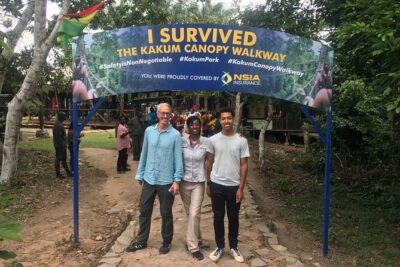
The Historic Cape Coast and Elmina Tour (The Land of History).
Read our review →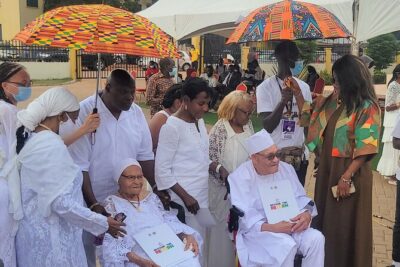
Naming Ceremony and Heritage Homecoming Experience for Diasporas
Read our review →Browse the lists this tour appears in