
Reviewed · CITY TOURS
Accra City Tour
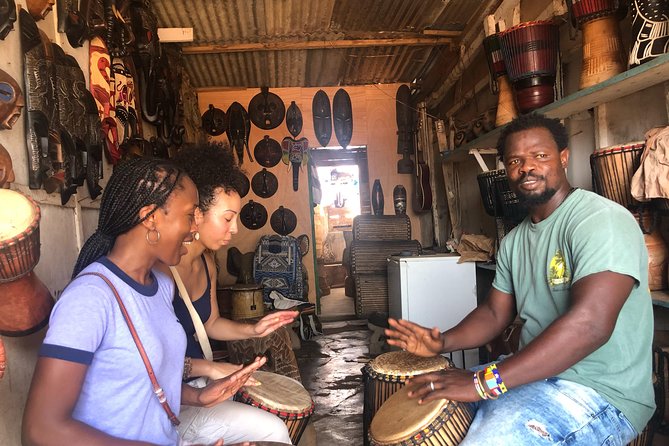
Accra gets personal here. This private six-hour tour links James Town, Makola Market, the W.E.B. DuBois Center, and Kwame Nkrumah Memorial Park in one useful day. I like the mix of street life and serious history, and I like that your group travels in an air-conditioned vehicle rather than piecing together transport across town. The main drawback is the price: at $163.47 per person, the value depends heavily on how many people are in your private group.
I also like the chance to walk through James Town instead of only viewing Accra through a car window. You can ask questions, set the pace within reason, and spend time on subjects that matter to you. If Emanuel is your guide, you may get the warm, personal style praised in the tour feedback, including local suggestions and a possible stop for lunch, though meals are not included.
In This Review
- Key points at a glance
- Why this route gives you a useful first look at Accra
- Walking through James Town and up to the lighthouse
- Reading Accra through Makola Market
- W.E.B. DuBois Center and the final years of an important thinker
- Kwame Nkrumah Memorial Park and the symbols in the mausoleum
- What the private format and transport add
- Is $163.47 per person a fair price?
- Who should book this Accra day tour?
- Booking advice and cancellation terms
- Final verdict: a strong private introduction to Accra
- FAQ
- How long does the Accra City Tour last?
- How much does the tour cost?
- Is hotel or location pickup available?
- Is this a private tour?
- What transportation is provided?
- Are admission fees and taxes included?
- Are meals included?
- Can I cancel for a full refund?
Key points at a glance
- A private six-hour route: Only your group takes part, making it easier to ask questions and adjust the conversation.
- James Town on foot: The lighthouse and neighborhood walk offer a closer look at one of Accra’s historic districts.
- A working market stop: Makola Market gives you time to see Accra’s largest market and its quick-moving daily trade.
- Two major memorial sites: The W.E.B. DuBois Center and Kwame Nkrumah Memorial Park add important political and cultural context.
- Transport is covered: Pickup is offered, and the tour includes an air-conditioned vehicle plus admission fees and taxes.
- Plan for lunch separately: Meals are not included, so bring money and allow time for food if your guide suggests a local restaurant.
Why this route gives you a useful first look at Accra
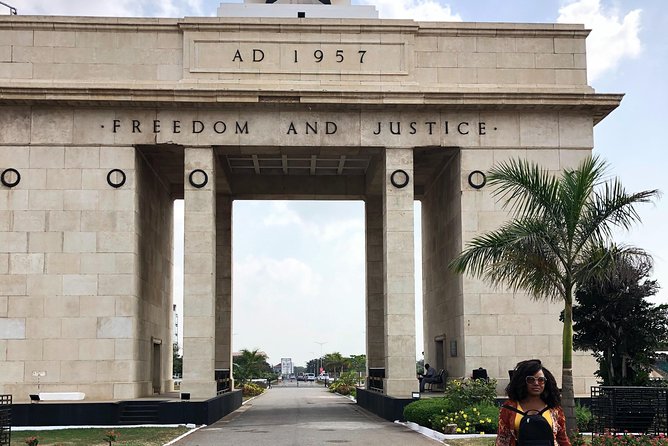
Accra can feel spread out, and a first day in the city is easier when someone else handles the driving. This tour brings together several places that would otherwise require planning separate rides, checking opening details, and working out how much time to spend at each stop.
The route also avoids making Accra only a political-history lesson or only a market outing. You get both. James Town and Makola Market put you close to everyday city life, while the DuBois and Nkrumah sites explain people and ideas that shaped Ghana and the wider African world.
The schedule gives roughly one hour to each named stop. That is enough for a clear introduction, but not enough for a slow, scholarly visit at every location. I would treat this as a strong orientation tour rather than a complete study of Accra. If you already know the city well, you may want more time in one district instead of four shorter visits.
Because this is a private activity, the pace can feel more natural than it would in a large group. You can ask Emanuel, if assigned as your guide, to explain a point again or connect one place with another. The tour is best when you use that private setting actively.
More Accra outings people pair with this:
- The Cape Coast Day Tour
★ 5.0 · 525 reviews - Experience the Beauty, History and the Culture Of Accra in a Day
★ 5.0 · 323 reviews - The Cape Coast Tour
★ 5.0 · 177 reviews
Walking through James Town and up to the lighthouse
James Town is the most physical part of the day. You are not just looking at a landmark from a vehicle. You spend about an hour walking through the area and visiting James Town Lighthouse, with admission included.
The walking tour matters because the district is experienced at street level. You can see the relationship between the lighthouse and the surrounding neighborhood, rather than treating the structure as an isolated photo stop. The tour description also refers to forts connected with the transatlantic slave trade, although no specific fort is named in the supplied route. If that subject is important to you, ask before booking which fort visits are included on your date.
An hour is a sensible amount of time for a first look, though it can pass quickly. James Town has both historical weight and ordinary local life, so your attention may move between the guide’s explanation and what is happening around you. Wear comfortable shoes and expect the walking portion to feel less polished than a museum visit.
The lighthouse itself is the clear landmark here. The information provided does not promise a climb or a view from the top, so do not assume that access beyond the grounds is included. Ask your guide what the visit involves when the tour begins.
This stop may be the best fit for you if you want context rather than a quick city drive. It also gives the tour its strongest connection to the earlier coastal history of Ghana. The fort reference is important, but since the named stops focus on the lighthouse and walking tour, confirm the exact plan if you want a dedicated fort visit.
Reading Accra through Makola Market
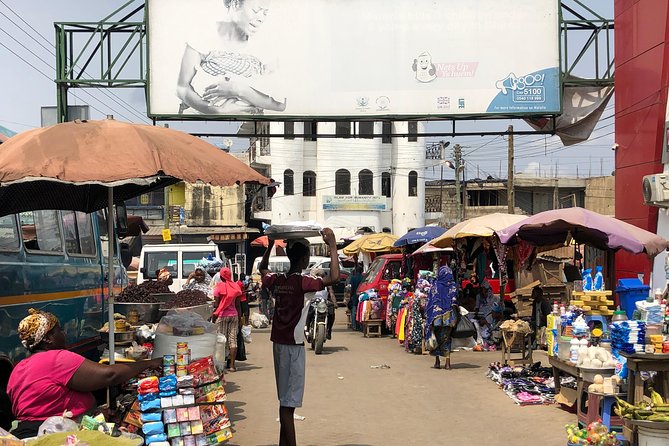
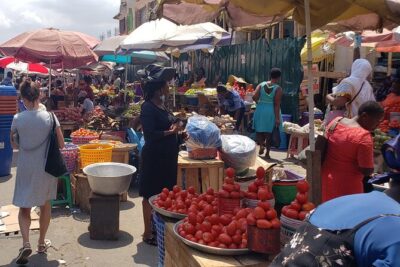
The next hour is set aside for Makola Market, described as the biggest market in Accra. This is a chance to see trade, movement, and shopping at a scale that a quiet museum cannot provide.
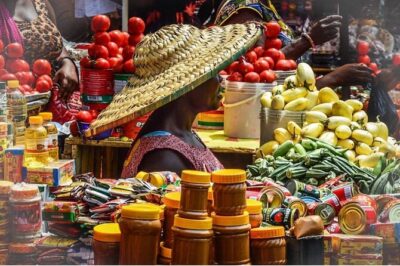
A market stop rewards curiosity. You can watch how goods move, notice the range of stalls, and see how the city’s commercial life works at close range. I would stay near your guide, follow local instructions, and keep your valuables secure. Those are sensible habits in any large city market.
The tour promises one hour here, which gives you a taste without letting the market take over the entire day. If you enjoy street scenes and photography, this may be one of the most memorable stops. If crowded commercial areas tire you, the noise and constant movement may be the least restful part of the route.
Your guide is especially useful here. A private guide can explain what you are seeing and help you avoid treating the market as a stage set. You are better off asking about the products, local shopping habits, and the role of the market in Accra’s daily life than rushing from stall to stall for photographs.
A key point is that admission is included, but purchases are not. The tour price does not cover anything you buy, and meals are also excluded. Bring spending money if you want to shop or eat during the day, but the supplied details do not specify what food stops are guaranteed.
W.E.B. DuBois Center and the final years of an important thinker
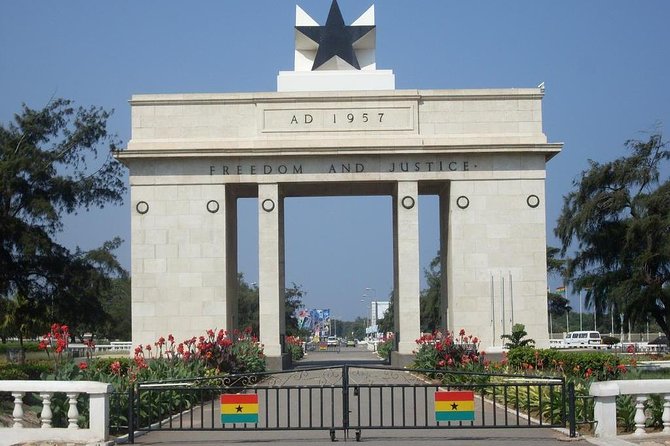
The W.E.B. DuBois Center gives the tour a quieter, more reflective stop. You have about an hour to see a four-building complex that includes the home where Dr. DuBois spent his final years, an administrative building, the Marcus Garvey Guest House, and the tomb of DuBois and his wife, Shirley Graham DuBois.
This site is valuable because it connects Ghana with a major African American intellectual and Pan-African thinker. The visit is not only about a residence. The buildings and tomb point to DuBois’s final chapter in Ghana and to the wider links between African independence movements and Black political thought.
The Marcus Garvey Guest House is part of the complex and offers simple rooms from $40 with bed and breakfast, according to the supplied information. That does not mean an overnight stay is part of this tour. It is simply a useful detail if you are planning a longer Accra visit and want to know that accommodation is available at the site.
One hour should give you a focused introduction. I would listen closely to the guide here, since the value of the stop depends on explanation as much as on the buildings themselves. The supplied details do not list a separate museum collection, guided lecture, or special exhibit, so keep your expectations centered on the complex, home, and tomb.
This is likely the most meaningful stop for travelers interested in Pan-African history, civil rights, Ghanaian independence, or the personal stories behind major political ideas. It also breaks up the faster pace of James Town and Makola Market.
More City Tours in Accra:
- Accra Detailed City Tour
★ 4.5 · 118 reviews - Accra Guided City Tour Experience
★ 4.7 · 88 reviews - Accra Guided City Tour Experience
★ 5.0 · 76 reviews - Know Ghana in 4 hrs – Accra City Tour
★ 4.5 · 47 reviews
Kwame Nkrumah Memorial Park and the symbols in the mausoleum
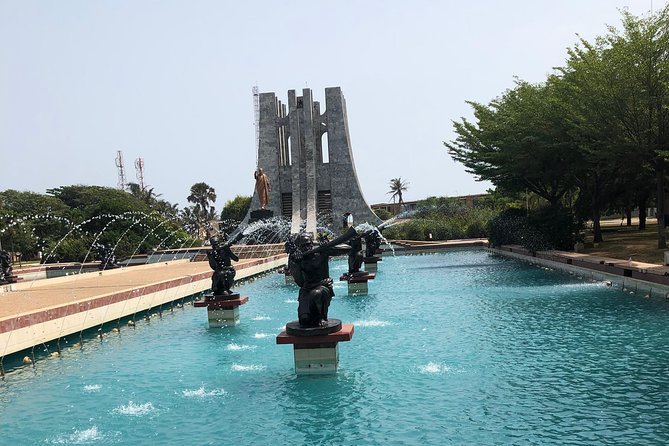
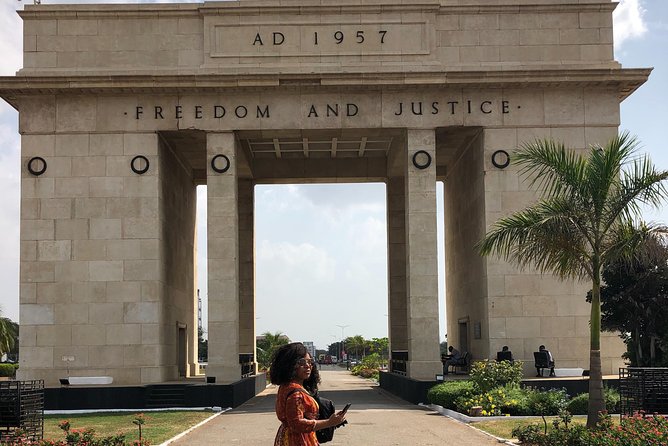
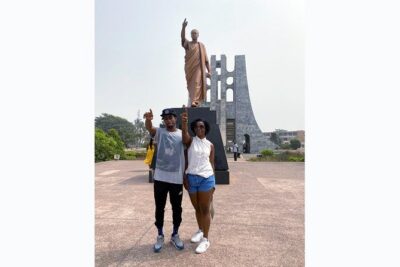
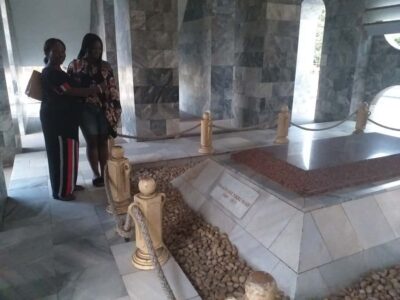
The final named stop is Kwame Nkrumah Memorial Park, with about an hour for the visit. The mausoleum houses the bodies of Dr. Kwame Nkrumah and his wife, Fathia Nkrumah.
The building carries several symbols worth noticing. It was designed by Don Arthur and shaped to represent an upside-down sword. In Akan culture, that form symbolizes peace. The structure is clad in Italian marble and topped with a black star, a sign of unity.
Inside, the mausoleum has marble flooring and a small marble grave marker surrounded by river-washed rocks. These details make the site more than a simple monument. They show how architecture can express national memory, peace, unity, and respect for the country’s first president.
Your guide can help connect Nkrumah’s role to the other stops. James Town brings you into Accra’s older coastal setting. The DuBois Center links Ghana with international Pan-African thought. Nkrumah Memorial Park then gives you a national political focus. Taken together, the sites create a clearer story than any one stop could provide.
The one-hour limit is again both useful and restrictive. It keeps the day moving, but you may want more time if you read every display or prefer to linger at memorial sites. The supplied details do not specify additional exhibits, gardens, or special activities, so the central draw is the mausoleum and its symbolism.
What the private format and transport add
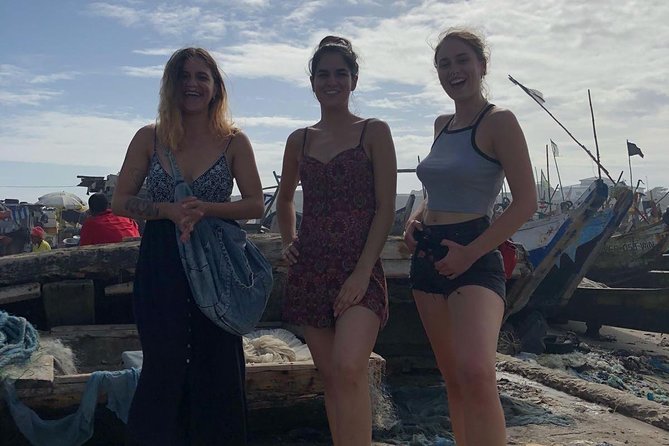
This is a private tour, so only your group participates. That matters most in the historical stops, where you can ask direct questions instead of waiting for a large group to gather. It also helps if your party includes people with different interests, since you can spend more time discussing James Town, DuBois, or Nkrumah according to your priorities.
Pickup is offered, and transport is by air-conditioned vehicle. In Accra’s heat, that is more than a minor comfort. It gives you a cool break between walking stops and removes some of the work of getting across the city.
The tour lasts approximately six hours, with four listed stops of about one hour each. The remaining time is likely used for driving, pickup, and transitions, but the exact schedule is not stated. I would keep the day flexible rather than booking a tight appointment immediately afterward.
The tour is near public transportation, though you do not need to rely on it if you use the offered pickup. Service animals are allowed, and most people can participate. The walking in James Town is the part to think about if you have mobility concerns, since no detailed surface or distance information is provided.
Is $163.47 per person a fair price?
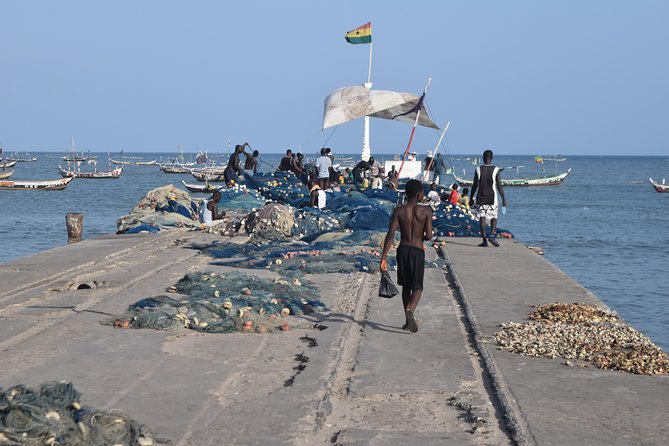
At $163.47 per person, this is not a budget sightseeing bus. The price makes more sense when you are traveling with a small private group and value door-to-door transport, a personal guide, and admission costs bundled together.
For one person or a very small party, the cost may feel high for four one-hour stops. For a family or group that would otherwise pay for several rides, arrange admissions, and find a guide, the private format can offer better value. The exact value also depends on pickup arrangements and how well the guide uses the time between sites.
The strongest part of the price is convenience with context. You are not simply paying to be driven past landmarks. You are paying for a private route through several parts of Accra and for help making sense of places that are easy to visit without understanding.
Meals are not included. One account praised Emanuel for arranging an authentic local outing that included a nice lunch, but lunch is not guaranteed by the stated inclusions. Budget separately for food and any market purchases.
Who should book this Accra day tour?
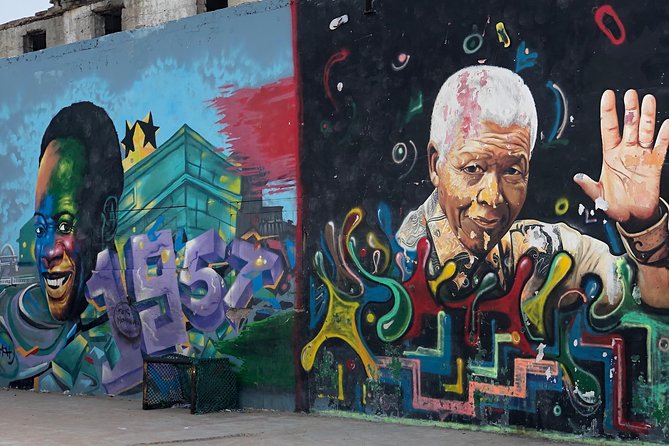
I would recommend it to a first-time visitor who wants a broad introduction to Accra in one day. It is also a good match for families, couples, and small groups that prefer a private vehicle and direct access to a guide.
History-minded visitors will get the most from the route. The James Town and fort connection, DuBois Center, and Nkrumah Memorial Park give the day a clear historical thread. People who want only beaches, nightlife, or a relaxed food tour should choose a different plan.
The tour also suits you if you like a mix of walking and driving. You will walk in James Town and spend time in a market, but you will also have an air-conditioned vehicle between stops. That balance is useful in a warm city.
I would hesitate if you want long visits at museums or memorial sites. One hour per stop is enough for an introduction, not a full examination. I would also think twice if the per-person cost is a major concern, especially for a solo booking.
Booking advice and cancellation terms
Confirmation is provided at booking, and free cancellation is available if you cancel at least 24 hours before the local start time. Cancellations or changes made less than 24 hours before the start are not accepted for a refund.
Before you set off, confirm the pickup time, ask which forts are included, and check whether Emanuel is your guide. Since the named route gives specific time to James Town, Makola Market, DuBois, and Nkrumah Park but does not name the forts, this quick check can prevent a mismatch with your priorities.
Final verdict: a strong private introduction to Accra
Book this tour if you want Accra’s street life, political history, and Pan-African connections in one organized day. I especially like the combination of James Town on foot, Makola Market, and the two memorial sites. It gives you more than a string of photo stops.
The price is the main question. It is easier to justify for a private group that wants pickup, air conditioning, included admissions, and a guide who can adapt the conversation. If you are alone, watching every dollar, or hoping for long museum visits, you may find the cost harder to defend.
For the right group, this is a practical way to get your bearings and understand why Accra matters. Confirm the fort portion and lunch plans ahead of time, then let the day connect the city’s older coastal past with its modern national story.
FAQ
How long does the Accra City Tour last?
The tour lasts approximately six hours.
How much does the tour cost?
The listed price is $163.47 per person.
Is hotel or location pickup available?
Pickup is offered.
Is this a private tour?
Yes. Only your group participates.
What transportation is provided?
An air-conditioned vehicle is included.
Are admission fees and taxes included?
Yes. All fees and taxes are included.
Are meals included?
No. Meals are not included.
Can I cancel for a full refund?
Yes, if you cancel at least 24 hours before the experience start time. Cancellations or changes made less than 24 hours before the local start time are not accepted for a refund.
Most recently reviewed around Accra
- Visit Aburi Garden, Tetteh Quarshie Cocoa Farm & Waterfall★ 4.0 · 4 reviews
- Private 9-Day Tour in Ghana★ 5.0 · 2 reviews
- Wli Waterfalls, Mount Afadjato & Tafi Atome Monkey Sanctuary★ 5.0 · 2 reviews
- Cape Coast and Elmina castle Day Trip★ 5.0 · 2 reviews
- Culinary for Social Change-Cooking Class★ 5.0 · 2 reviews
- Time with Nature★ 5.0 · 2 reviews
- Private Slave Castles and Dungeons Tour in Cape Coast, Ghana★ 5.0 · 3 reviews
- Experience Accra★ 5.0 · 2 reviews
City Tours, compared.

Escape Accra City to Aburi Gardens and Tetteh Quarshie Cocoa Farms
Read our review →
Browse the lists this tour appears in