
Reviewed · CITY TOURS IN KUMASI
Tour Kumasi City Like a Local
Kumasi rewards curious walkers. This five to six hour private tour introduces you to Ashanti history, royal traditions, local food, and everyday city life, with stops at the Manhyia Palace Museum, Okomfo Anokye Sword Site, Prempeh II Museum, and Kejetia Market. It is a useful first look at Ghana’s second-largest city and its Garden City nickname.
I like the personal approach, especially when guide Bilson adjusts the day to suit your interests and helps you use local transport. I also like that lunch is included, along with entry fees and pickup. You get more than a museum circuit. You get a glimpse of how Kumasi works.
The main caution is the movement between stops. Some groups have used tro-tros, tuk-tuks, taxis, and walking rather than one private vehicle, so the day may feel more like a city trek than a polished coach tour. Market noise, heat, and crowded streets are part of the deal.
In This Review
- Key things to know before booking
- Why Kumasi makes a strong first stop in Ghana
- Manhyia Palace Museum and the Ashanti royal story
- Okomfo Anokye Sword Site and the Golden Stool legend
- Prempeh II Museum and royal objects
- Kejetia Market, Kumasi’s loudest lesson
- Local lunch and the taste of Kumasi
- Getting around: local transport is part of the story
- The value of $80 for a five to six hour private tour
- Who should book this Kumasi experience?
- Should you book Tour Kumasi City Like a Local?
- FAQ
- How long does the Kumasi city tour take?
- What places are included in the tour?
- Is lunch included?
- Are entrance fees included?
- Is hotel pickup available?
- Is the tour private?
- What types of transport might be used?
- Can I cancel for a full refund?
Key things to know before booking
- Ashanti royal history comes first: Manhyia Palace Museum and Prempeh II Museum give the tour a strong cultural focus.
- The Golden Stool story has a physical landmark: At Okomfo Anokye Sword Site, you see the sword linked to the founding of the Ashanti nation.
- Kejetia is a full-contact city experience: The enormous market has about 11,000 stalls and many thousands of people working inside.
- Lunch is part of the price: You can try local Kumasi food without paying an extra fee for the meal.
- Transport is flexible but not always private: You may ride a tro-tro, tuk-tuk, taxi, or walk between places.
- The private format helps: Only your group takes part, making it easier to ask questions and set the pace.
Why Kumasi makes a strong first stop in Ghana
Kumasi is not a city you understand from behind a tour-bus window. Its meaning comes from the mix of Ashanti tradition, royal ceremony, trade, transport, food, and ordinary street life. This tour brings those pieces together in one half-day outing.
The route is especially useful if you have limited time. In roughly five to six hours, you cover major cultural sites and enter Kejetia Market, one of the city’s defining places. You also get a guide who can explain local customs and connect the objects in a museum to the people and institutions around you.
The tour is private, so your group is not tied to strangers or a fixed public schedule. That can make a big difference at a museum or market. You can ask for more explanation, slow down for photographs, or spend less time at a stop that does not suit you.
Kumasi is also known as the Garden City because many flower species originated in the area. The tour is not presented as a formal botanical outing, so do not book it mainly for gardens. Still, the nickname adds a useful layer to your understanding of the city and its setting.
More City Tours in Kumasi
- Kumasi City Tour
★ 5.0 · 8 reviews - Kumasi City Tour
★ 4.5 · 7 reviews - Lake Bosomtwe Boat Cruisely and Kumasi City Tours
★ 4.5 · 6 reviews
Manhyia Palace Museum and the Ashanti royal story
The Manhyia Palace Museum gives you the clearest introduction to Ashanti history. The visit begins with a video about the Ashanti people, then continues through palace rooms holding original artifacts.
The museum helps explain the importance of the Ashanti Empire and the role of its rulers. You hear about figures such as Yaa Asantewaa, the celebrated war queen, as well as the current king and the royal stool. That combination of political history and living tradition makes the stop more than a display of old objects.
Allow about an hour here. The pace is long enough to take in the main rooms without turning the visit into an all-day museum session. Your guide can add context that a label alone cannot provide, especially when it comes to royal symbols and the way Ashanti leadership is understood.
The palace is also next to the field used for Akwasidae gatherings. Ashanti chiefs meet there every six weeks for a major traditional ceremony. The schedule of the tour does not promise that you will see an Akwasidae event, but the nearby field gives the palace area added importance.
The practical point is simple: listen closely during the opening explanation. The later stops make more sense once you understand the Ashanti royal structure and the significance of the stool.
Okomfo Anokye Sword Site and the Golden Stool legend
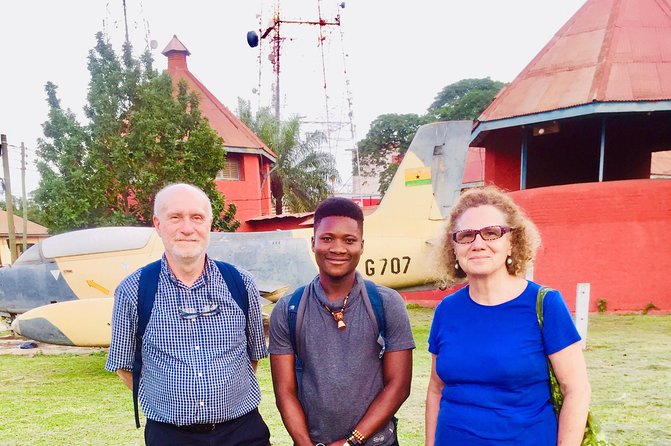
The Okomfo Anokye Sword Site focuses on the beginning of the Ashanti nation. According to the tradition explained here, the Golden Stool descended onto the lap of King Osei Tutu I, regarded as the founder of the Ashanti nation.
The site is also linked to Okomfo Anokye, the chief priest who drove a sword into the ground. The sword is said to have been placed there nearly 300 years ago, with a declaration that no one would be able to remove it. It remains in place today.
This is a short stop in physical terms, but it carries major symbolic weight. You are not simply looking at an old weapon. You are standing at a place connected with the formation of Ashanti identity and authority.
The story has also attracted famous visitors. The tour information notes that boxer Muhammad Ali once tried to remove the sword. That detail gives the site a touch of modern folklore, although the real value is the connection between the sword, the priest, King Osei Tutu I, and the Golden Stool.
This stop works best if you enjoy places where history and oral tradition overlap. The tour presents the account as part of Ashanti history and belief. Your guide’s explanation matters here, since the significance is not obvious from the sword alone.
Prempeh II Museum and royal objects
At the Prempeh II Museum, the focus shifts from the founding story to the personal and ceremonial world of an Ashanti king. The building was designed to resemble an Ashanti chief’s house, which gives the displays a setting linked to the culture rather than a plain modern gallery.
Inside, you can see items associated with Prempeh II, including war attire, ceremonial clothing, jewelry, protective amulets, furniture, royal insignia, and personal equipment used for bathing and dining. There are also gold-weighing pieces, a reminder of the skill and value attached to Ashanti gold traditions.
This museum is useful because it shows how power appeared in everyday objects. Clothing, furniture, bathing equipment, and dining items help you picture royal life in a more direct way than a timeline or list of rulers.
Plan on about an hour. The museum is compact enough that a good guide can point out the pieces that matter most. If you are interested in material culture, this may be the stop where you want to ask the most questions.
The museum also balances the more dramatic story at the sword site. Instead of focusing only on kings and battles, it gives you details about ceremony, protection, household life, and public identity.
More of Kumasi and the Ashanti country:
- Bonwire Namimg Ceremony and Kente Tourist Center
★ 5.0 · 40 reviews - Kumasi Heritage Tours And Naming Ceremony In A Day
★ 5.0 · 11 reviews - Traditional naming ceremony For African Diasporas in Kumasi
★ 5.0 · 10 reviews - Full-Day Tour to Ashanti Region, Kumasi and Ghanaian History
★ 5.0 · 8 reviews
Kejetia Market, Kumasi’s loudest lesson

Kejetia Market is the tour’s biggest change of pace. From a distance, its rusting tin roofs can look like a giant metal structure dropped in the center of Kumasi. Inside, the scale becomes easier to understand: about 11,000 stalls and at least four times as many people working there.
This is not a quiet market designed for easy sightseeing. It can feel confusing at first, and the packed layout may make it hard to know where you are. That confusion is part of the point. Kejetia shows Kumasi as a working commercial center, not as a stage set for visitors.
You walk through the market with your guide and learn how the central market functions. You may see sellers, shoppers, porters, and the constant movement that keeps goods circulating through the city. The route can be captivating, but you should expect noise, tight spaces, and a lot of activity.
The market is also where the tour’s like a local promise is most visible. You are not just looking at stalls from the edge. You are moving through one of Kumasi’s main public spaces and seeing the daily business of the city at close range.
A practical tip: keep your belongings secure and wear comfortable shoes. The tour may include walking, and one lower-rated experience described the day as a trekking city tour because of the movement between locations. If loud music makes conversation difficult, you may also find lunch or market-side stops less comfortable than expected.
Local lunch and the taste of Kumasi
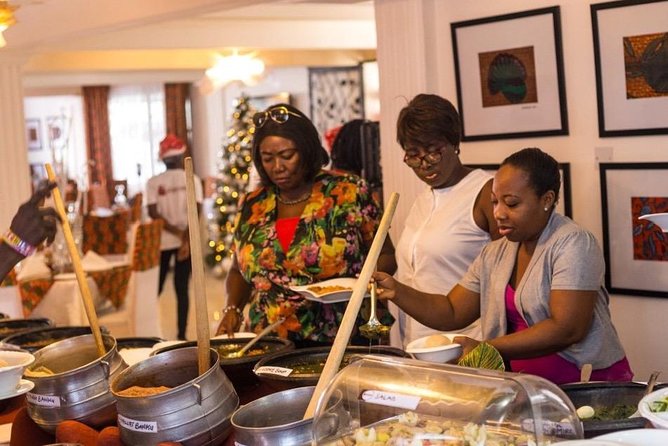
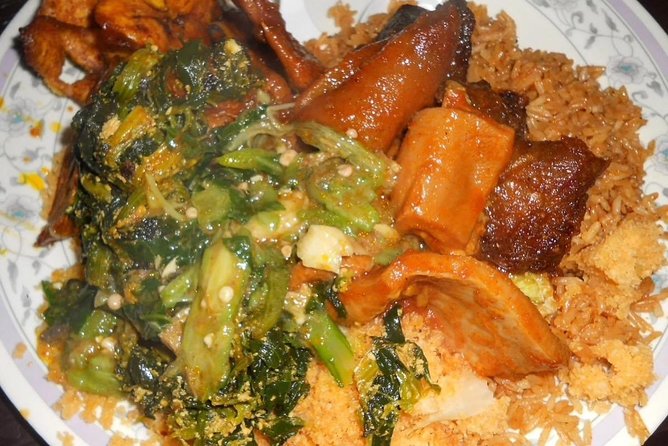
Lunch is included, which improves the value of the $80 price. You get a chance to try local food as part of the day rather than having to search for a restaurant between museum visits.
The setting may be informal. One account described a very local lunch where music was loud enough to make conversation difficult. That is worth knowing before you book. If you want a quiet meal with a long guide talk, this may not match your ideal. If you want a more ordinary local setting, it may feel like a useful part of the day.
The available information does not specify the exact dishes served, so you should not expect a fixed menu to be guaranteed. The point is the chance to taste Kumasi cuisine and ask your guide about what you are eating.
For many people, food makes the history easier to remember. Museums explain royal life and national identity. Lunch lets you connect the tour to present-day Ghanaian life.
Getting around: local transport is part of the story

Transportation is included, but that does not necessarily mean a dedicated private car for every transfer. Depending on the arrangements, you may travel by tro-tro, tuk-tuk, taxi, or on foot.
That can be a benefit if you want direct contact with city life. Riding local transport gives you a more immediate sense of Kumasi than moving in an insulated vehicle. It also lets you experience the city’s rhythm, traffic, and short-distance travel patterns.
It can also make the day less predictable. A lack of one personal vehicle caused frustration for one group, and another person felt the organization between stops needed improvement. I would confirm the transport plan before starting, especially if you have mobility concerns or prefer not to walk much.
The tour is advertised for most people, but the available information does not give a detailed accessibility plan. Tell the provider about any mobility needs in advance. The combination of market walking, possible public transport, and city streets matters more here than it would on a museum-only outing.
The value of $80 for a five to six hour private tour
At $80 per person, the tour includes transportation, entrance fees, lunch, and guide service. Because it is private, only your group takes part. That makes the price easier to justify for couples, families, or small groups who want personal attention.
The value is strongest if you would otherwise need to arrange several separate visits and figure out local transport yourself. Manhyia Palace Museum, Okomfo Anokye Sword Site, Prempeh II Museum, Kejetia Market, and lunch form a full half-day program.
The price is less compelling if you mainly want a private car and a polished, quiet schedule. The transport may involve public options and walking, and the market environment is not controlled. You are paying for access, interpretation, and local contact more than for luxury.
The personal service is one of the tour’s strongest points. Bilson is described as friendly, caring, and easy to spend time with. He has helped groups explore Kumasi’s local areas and markets, and one group also used him to arrange a visit to Kente villages farther outside the city. That extra outing is not part of the stated route, so ask before assuming it is included.
Bilson has also helped with photographs and adjusted the experience to match the group. Another guide, a woman, was described as kind and helpful, though the organization of transportation received criticism. The quality of the day may depend partly on the guide assigned and the transport plan in place.
Who should book this Kumasi experience?
I would recommend this tour to first-time visitors who want a broad introduction to Kumasi in one day. It suits you if royal history, Ashanti culture, markets, local food, and conversation with a guide matter more than a carefully packaged sightseeing route.
It is also a good choice for families or small private groups. The guide can help a parent, older relative, or first-time visitor manage the city. One group specifically appreciated the guide’s help while walking with a mother.
You should think twice if you dislike crowds, loud places, public transport, or walking between stops. Kejetia is the heart of the experience, but it is also the least controlled part. Ask about the vehicle arrangement and expected walking before you pay.
Free cancellation is available if you cancel at least 24 hours before the start time. Changes or cancellations within 24 hours are not accepted for a refund, and poor weather may lead to a new date or full refund.
Should you book Tour Kumasi City Like a Local?
Book it if you want Kumasi explained through both its royal past and its working present. The palace museums and sword site give the day a clear historical backbone, while Kejetia Market and local lunch bring you into ordinary city life.
I would not book it expecting a luxury vehicle or a silent, perfectly timed route. I would book it expecting a flexible private outing, a guide such as Bilson who can make the city easier to read, and a few rough edges that come with using local transport.
For most first-time visitors, the combination is worthwhile. You see the major cultural sites, taste local food, meet people through the guide, and get a much closer look at Kumasi than a standard drive-by tour provides.
FAQ
How long does the Kumasi city tour take?
The experience lasts approximately five to six hours.
What places are included in the tour?
The route includes Manhyia Palace Museum, Okomfo Anokye Sword Site, Prempeh II Museum, and Kejetia Market.
Is lunch included?
Yes. Local lunch is included in the tour price.
Are entrance fees included?
Yes. Entrance fees for the included attractions are covered.
Is hotel pickup available?
Pickup is offered as part of the experience.
Is the tour private?
Yes. Only your group participates in this private tour.
What types of transport might be used?
Transportation may include a tro-tro, tuk-tuk, taxi, or walking between locations. The tour does not always use one personal vehicle for the entire day.
Can I cancel for a full refund?
Yes, if you cancel at least 24 hours before the experience start time. Cancellations within 24 hours are not refunded. If poor weather causes the provider to cancel, you can receive a different date or a full refund.
Most recently reviewed around Kumasi
- Full Day Tour with Traditional Naming Ceremony in Kumasi★ 5.0 · 4 reviews
- Kumasi City Tour★ 4.5 · 3 reviews
- Kejetia Market Tour and Traditional Food Cooking Class.★ 5.0 · 2 reviews
- Kumasi Culture and Heritage Tours★ 4.5 · 3 reviews
- Discover kumasi Tours★ 5.0 · 3 reviews
- Private Half-Day City Tour of Kumasi with Lunch★ 5.0 · 2 reviews
- Ashanti History Tours★ 5.0 · 2 reviews
- Experience the Culture of Ashanti Kingdom in 5days★ 5.0 · 3 reviews
City Tours in Kumasi, compared.


Lake Bosomtwe Boat Cruisely and Kumasi City Tours
Read our review →
Browse the lists this tour appears in