
Reviewed · CITY TOURS
Accra City Tour
Accra rewards a curious first look. This private half-day tour gives you a useful introduction to Ghana’s capital, with hotel pickup, a live guide, entry fees, and transport included in the $150 price. I especially like the mix of major landmarks and ordinary city life, from Independence Square and the Kwame Nkrumah Mausoleum to Makola Market and the local art market.
I also like that guides such as Hassan, Rashid, and Koffe Benjamin bring strong personal enthusiasm to the day. The main drawback is the short schedule: three to four hours is enough for an overview, but not enough for long visits at every stop. Lunch is not included, so you should budget separately if you eat at James Town Café.
In This Review
- Key points to know before booking
- A practical way to meet Accra
- W. E. B. Du Bois Centre and Pan-African history
- Independence Square and Black Star Square
- Makola Market and the everyday city
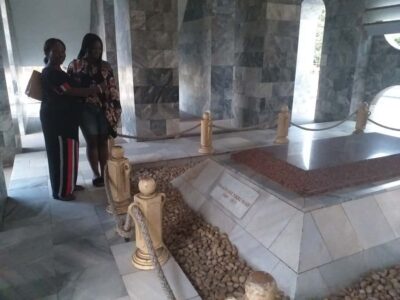
- Kwame Nkrumah Mausoleum and Ghana’s independence story
- Art, craft, and a chance to meet artists
- James Town and lunch at James Town Café
- What the guides add to the experience
- Is $150 per person good value?
- Timing, clothing, and practical planning
- Who will enjoy this Accra city tour?
- Should you book the Accra City Tour?
- FAQ
- How long does the Accra City Tour last?
- What time does the tour start?
- Is hotel pickup included?
- Is this a private tour?
- What attractions are included?
- Are entrance fees included?
- Is lunch included in the price?
- What should I wear?
- Can I cancel for a full refund?
Key points to know before booking
- Private hotel pickup and drop-off: Your group travels together, with the pickup location entered during booking.
- A strong first-day introduction: The route covers major national landmarks, markets, art, and a local neighborhood in one morning.
- The morning start matters: A 9:00 a.m. start is advised because Accra’s sun is less intense before midday.
- Guides are a major strength: Hassan, Rashid, and Koffe Benjamin have received praise for their enthusiasm and clear storytelling.
- Entry fees and transport are included: The main extra cost to plan for is lunch and any shopping.
- Private touring at a fixed price: At $150 per person, the value depends on your group size and how much you value convenience and personal guiding.
A practical way to meet Accra
Accra can feel hard to read at first. Important sights are spread across a busy city, and the meaning of a square, monument, or market is not always clear from a quick glance. This tour gives you a short, organized introduction without asking you to sort out transport between stops.
The experience lasts about three to four hours and begins around 9:00 a.m., with a possible start window of 9:00 to 10:00. I would choose the earliest time. You will have more comfortable conditions at the outdoor sites, and the schedule leaves room for the guide to explain what you are seeing rather than rushing from one photo stop to the next.
Because this is a private activity, only your group participates. That makes a real difference if you want to ask questions, slow down at a monument, spend more time looking at art, or move on quickly from a market. It also avoids the waiting and fixed pace that often come with a large coach tour.
Hotel pickup and drop-off are included. You enter your pickup location when booking, so this is a good choice if you do not want to arrange a taxi or find a meeting point in an unfamiliar part of Accra. All listed attraction fees and transportation are also included, which keeps the price easier to understand.
More Accra outings people pair with this:
- The Cape Coast Day Tour
★ 5.0 · 525 reviews - Experience the Beauty, History and the Culture Of Accra in a Day
★ 5.0 · 323 reviews - The Cape Coast Tour
★ 5.0 · 177 reviews
W. E. B. Du Bois Centre and Pan-African history
The first major stop is the W. E. B. Du Bois Centre for Pan-African Culture. This is one of the most meaningful parts of the tour, especially if you want more than a quick look at Accra’s monuments.
The center is connected to W. E. B. Du Bois, the American scholar, writer, and Pan-African thinker who spent his final years in Ghana. The visit gives the guide a chance to connect Ghana’s independence story with wider African and diaspora movements.
You should expect the guide to do much of the interpretive work here. This is not simply a place to walk around and photograph. Koffe Benjamin was praised specifically for the historical information shared during the tour, and that kind of guiding is most useful at a site like this, where the personal and political background matters as much as the buildings.
Allow yourself enough attention for this stop. With a three-hour schedule, the visit may be fairly brisk, but it can still set the tone for the rest of the morning. If you are interested in African history, independence movements, or the connections between Ghana and the African diaspora, this will likely be one of your favorite stops.
Independence Square and Black Star Square
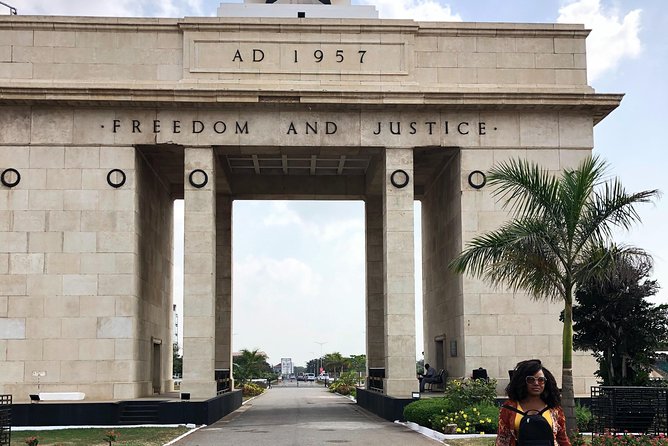
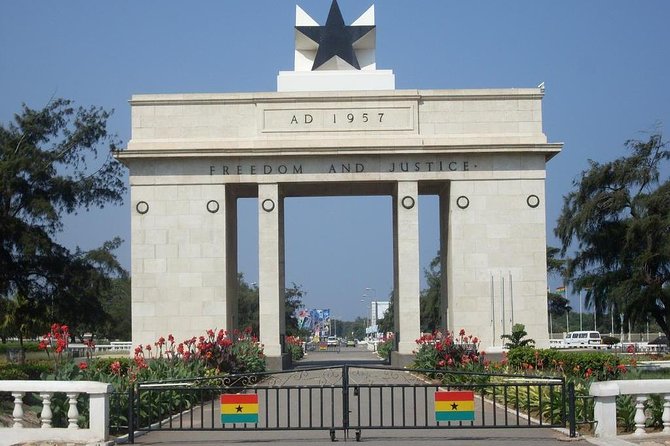
Next comes Independence Square, also called Black Star Square. It is among Ghana’s most recognizable public spaces and one of the clearest symbols of national identity in Accra.
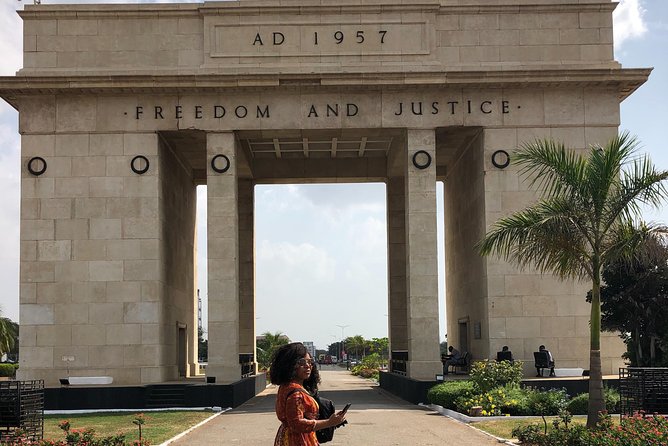
The square is broad and ceremonial, so your guide helps turn an open expanse into a place with meaning. You will hear about the square’s role in Ghanaian public life and the symbolism of the Black Star, a national image associated with African freedom and independence.
One especially useful detail is that the tour may include going inside and up to the roof of the Black Star Gate. That offers a different view from simply standing in the square and taking a photograph. If this access is available during your visit, it can make the stop more memorable, but the tour information does not promise that every visit will include the same roof access. It is sensible to confirm with your guide on the day.
This stop works well early in the itinerary because it gives you a visual reference for Ghana’s national story. The only limitation is exposure to the sun. Wear light clothing, bring water, and take the advice to start in the morning seriously.
Makola Market and the everyday city
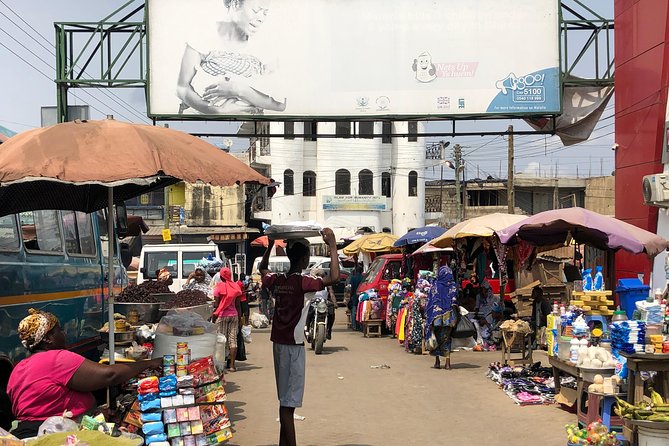
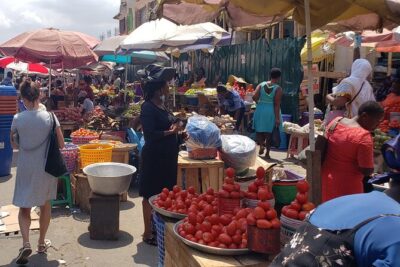
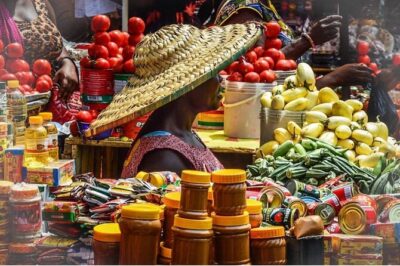
Makola Market brings the tour down from formal monuments to daily commerce. It is described as Accra’s busiest local market, with African fabrics among the items you can shop for.
This is where the tour feels most connected to ordinary city life. You may see rows of textiles and have the chance to browse patterns and colors that are difficult to appreciate in a hotel shop or airport store. The guide can also help you understand how the market fits into Accra rather than treating it as a quick shopping detour.
You should keep your expectations practical. A market visit is not a quiet museum experience. It can be crowded, active, and visually intense, and you may have limited time to compare fabrics or negotiate purchases. If you want to buy something, decide in advance how much time and money you want to spend.
The private format helps here. You can ask your guide about local fabrics, request a little more time, or choose simply to look around. Still, the itinerary includes many stops, so this is not a dedicated shopping tour. Bring only what you need and keep personal belongings secure in busy areas.
More City Tours in Accra:
- Accra Detailed City Tour
★ 4.5 · 118 reviews - Accra Guided City Tour Experience
★ 4.7 · 88 reviews - Accra Guided City Tour Experience
★ 5.0 · 76 reviews - Know Ghana in 4 hrs – Accra City Tour
★ 4.5 · 47 reviews
Kwame Nkrumah Mausoleum and Ghana’s independence story
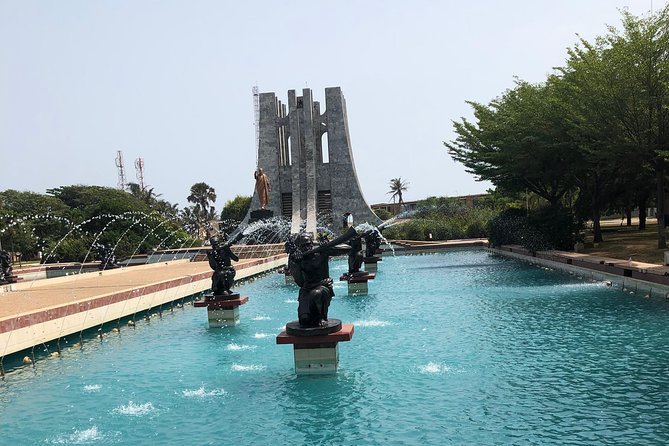
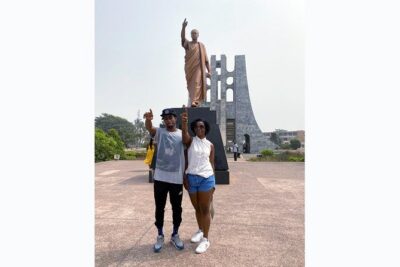
The Kwame Nkrumah Mausoleum is dedicated to Ghana’s first prime minister and president, a major Pan-African figure. It adds political context to the symbolic setting of Independence Square.
This stop is valuable because the tour does not present Ghanaian independence as an abstract date. The guide can connect the monument to Nkrumah’s role and to the broader Pan-African ideas introduced at the W. E. B. Du Bois Centre.
The attraction is included in the route, and admission fees are included in the tour price. The available details do not specify how long you will spend inside or which parts of the site you will visit, so think of it as one stop in a tightly packed overview rather than a full museum visit.
If you want a long, careful visit to every exhibit, you may need to return on your own. If your goal is to understand the main figures and symbols of Accra before exploring more independently, the stop does its job well.
Art, craft, and a chance to meet artists
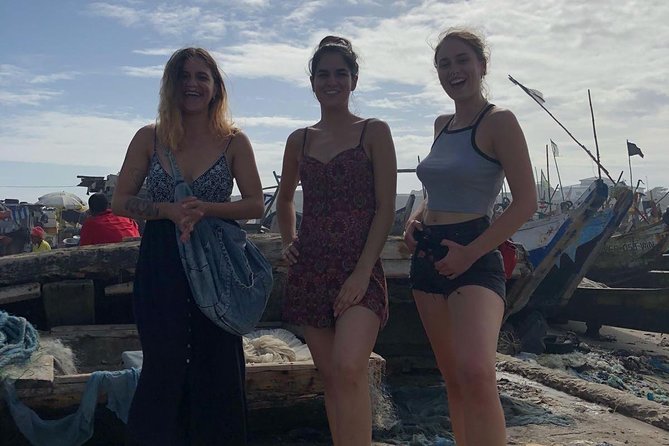
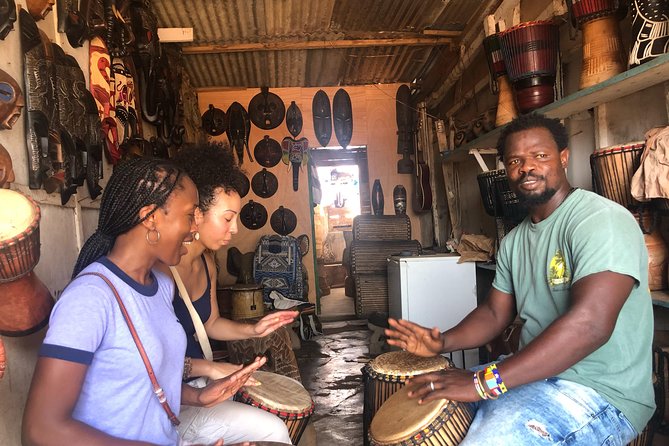
The local art market adds a more hands-on part to the morning. You can browse art and crafts, walk around, take photographs, interact with artists, and possibly try drumming lessons.
I like this inclusion because it gives you more than a list of monuments. You get a chance to see objects made for sale, ask questions, and consider the difference between looking at Ghanaian art in a formal setting and meeting people who make and sell it.
Shopping here is optional. You do not need to buy anything to benefit from the visit, and the time can also be used for photographs or conversation. If you are interested in crafts, this may be the place where the private format pays off most. You can ask the guide to explain what you are seeing and take a little longer with an artist.
The mention of drumming lessons is appealing, but the information does not guarantee a lesson on every departure. Treat it as a possible activity rather than the central promise of the tour. The same applies to specific artists or pieces, which will naturally vary.
James Town and lunch at James Town Café
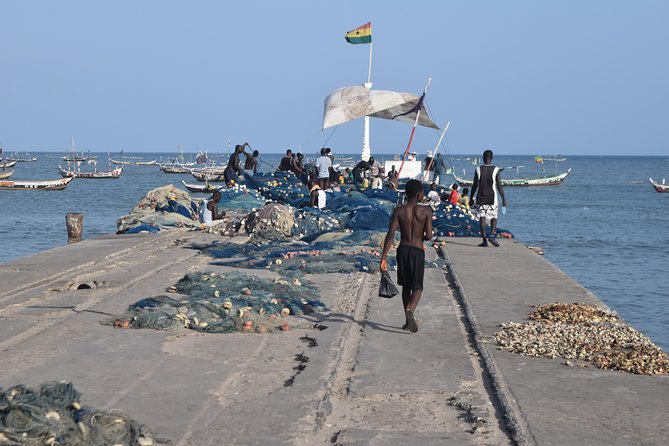
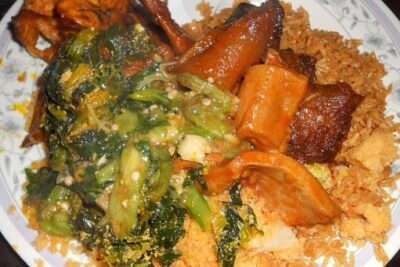
The itinerary includes lunch at James Town Café, with a chance to try local dishes. Lunch is not included in the $150 price, so plan for an additional payment.
This is an important detail to understand before booking. The tour includes transportation, guide services, and attraction fees, but you pay for your own meal. If you are watching your budget, ask the guide what the lunch options cost before ordering.
The James Town stop also gives the day a neighborhood focus. The schedule describes a walk and a chance to see parts of Accra that many first-time visitors might not reach on a basic monument tour. Hassan was praised for taking people to both iconic places and lesser-known areas, with a good balance of history, art, crafts, and walking.
Since the tour is only about three hours, lunch may make the timing feel more flexible or may be treated as a short stop, depending on the day. The exact sequence is not stated. If you need to be back at your hotel by a particular hour, mention that when arranging pickup.
What the guides add to the experience
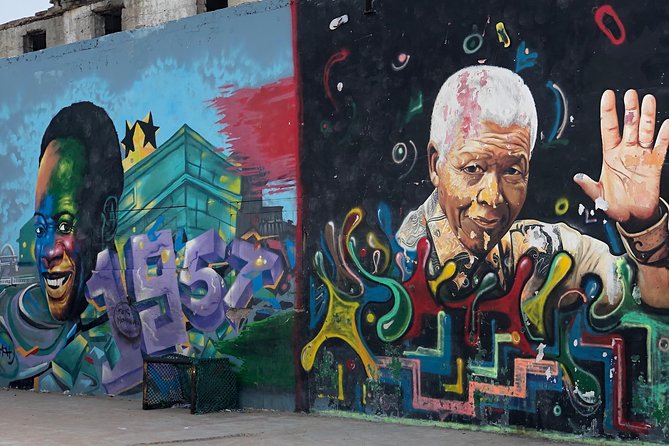
The guide may be the most important part of this tour. The route itself is useful, but Accra’s monuments and markets become much more interesting when someone explains their place in Ghana’s story.
Hassan is praised for his passion for Accra and for balancing famous sights with less familiar areas. Rashid is specifically associated with explanations at Black Star Square and a visit inside and up to the roof of the Black Star Gate. Koffe Benjamin received strong praise for the historical information shared during the tour.
Those comments point to a tour that works best when you ask questions. Do not stand back and wait for a standard speech. Ask about the symbols on monuments, the history behind the square, the fabrics at Makola Market, or the artists at the craft market.
Guiding styles can differ from one departure to another, and no specific guide is guaranteed. Still, the repeated praise for the guides gives this experience a clear advantage over simply hiring a car and visiting the same places without context.
Is $150 per person good value?
The price is $150 per person. That is not a low-cost city sightseeing option, so I would judge it by convenience and the size of your group rather than by the number of hours alone.
The price includes:
- A private guide
- Hotel pickup and drop-off
- Transportation during the tour
- Admission fees to the included attractions
You pay separately for lunch and shopping. The inclusion of transfers matters if you are staying outside the immediate center or prefer not to arrange local transport. Entry fees also remove the need to carry small payments for each attraction.
For one person, $150 is a considerable expense for a three to four-hour tour. For a private group splitting the cost, the value improves. You are paying for a dedicated vehicle and guide, a planned route, local explanation, and the ability to keep the tour within your own group.
I would choose this tour if I had limited time in Accra, wanted a strong first orientation, or valued hotel service and a private guide. I would look for a less expensive option if I had several days in the city, felt comfortable arranging transport, and preferred to visit each site at my own pace.
Timing, clothing, and practical planning
The recommended start is 9:00 a.m., although the stated start window runs from 9:00 to 10:00. Choose the earlier departure when possible. Several stops are outdoors, and the morning is more comfortable before the sun reaches its peak.
Wear comfortable walking shoes. High-heeled shoes are not advised, which makes sense for market areas, walking stops, and the art market. You should also plan for a mixture of vehicle time, outdoor sightseeing, market browsing, and possible walking in James Town.
Confirmation is received at booking, and you need to provide your pickup location during checkout. Most people can participate, according to the tour information, but the exact level of walking and the conditions at each stop are not described in detail. If you have a specific mobility concern, ask the provider before booking.
The tour offers a mobile ticket and group discounts. Free cancellation is available if you cancel at least 24 hours before the local start time. A cancellation within 24 hours is not refunded, and late changes are not accepted.
Who will enjoy this Accra city tour?
I would recommend it most strongly for first-time visitors with only a morning or afternoon available. You will see the main national symbols, learn about important Pan-African figures, visit a major market, and get a look at art and local life without arranging the pieces yourself.
It also suits families, couples, and small private groups who want their own pace. The private setup makes it easier to ask questions and adjust the emphasis, although the exact route and timing may still need to fit several planned stops.
History-minded visitors should pay special attention to the W. E. B. Du Bois Centre, Independence Square, and the Kwame Nkrumah Mausoleum. Shoppers may prefer the market and craft sections, while photographers will find plenty of public monuments, textiles, artwork, and city scenes.
I would be less enthusiastic if you want a slow, single-neighborhood walk or a dedicated food tour. The schedule covers a lot, and the short duration means you should expect an introduction rather than a complete study of Accra.
Should you book the Accra City Tour?
Book it if you want a private, well-organized first look at Accra and prefer having transport, entry fees, and a guide handled in one package. The strongest reasons are the range of stops and the guides’ apparent ability to explain the city with energy, especially at the national monuments.
Keep your expectations realistic. You will not fully explore every site in three to four hours, lunch costs extra, and the price is easier to justify for a group than for a solo visitor. Choose the 9:00 a.m. start, wear sensible shoes, and tell the provider your pickup location and any timing needs.
For a first day in Ghana’s capital, this tour gives you enough history, shopping, art, and street-level context to decide what deserves a longer return visit.
FAQ
How long does the Accra City Tour last?
The tour lasts approximately three to four hours. The itinerary also lists a three-hour duration, so you should allow some flexibility around the stated length.
What time does the tour start?
The listed meeting time is 9:00 a.m. The tour information says it can start between 9:00 and 10:00 a.m., with morning recommended because the sun is not yet at its peak.
Is hotel pickup included?
Yes. Hotel pickup and drop-off are included. You must enter your pickup location in the Tour Specifics section during checkout.
Is this a private tour?
Yes. This is a private activity, and only your group participates.
What attractions are included?
The route includes the W. E. B. Du Bois Centre for Pan-African Culture, Independence Square and Black Star Square, Makola Market, the Kwame Nkrumah Mausoleum, a local art market, and James Town.
Are entrance fees included?
Yes. The tour price includes admission fees and transportation.
Is lunch included in the price?
No. Lunch is not included. The itinerary includes lunch at James Town Café, but you pay for the meal separately.
What should I wear?
High-heeled shoes are not advised. Comfortable walking shoes are a better choice for the market, art market, and walking portions of the tour.
Can I cancel for a full refund?
Yes, if you cancel at least 24 hours before the experience start time. Cancellations made less than 24 hours before the start time are not refunded, and changes within that period are not accepted.
Most recently reviewed around Accra
- Visit Aburi Garden, Tetteh Quarshie Cocoa Farm & Waterfall★ 4.0 · 4 reviews
- Private 9-Day Tour in Ghana★ 5.0 · 2 reviews
- Wli Waterfalls, Mount Afadjato & Tafi Atome Monkey Sanctuary★ 5.0 · 2 reviews
- Cape Coast and Elmina castle Day Trip★ 5.0 · 2 reviews
- Culinary for Social Change-Cooking Class★ 5.0 · 2 reviews
- Time with Nature★ 5.0 · 2 reviews
- Experience Accra★ 5.0 · 2 reviews
- Historical Day Tour to Cape Coast, Elmina and Kakum★ 5.0 · 3 reviews
City Tours, compared.
Escape Accra City to Aburi Gardens and Tetteh Quarshie Cocoa Farms
Read our review →
Browse the lists this tour appears in