
Reviewed · HISTORICAL TOURS
Cultural Tour Of Ghana And South Africa 12 Days
History comes alive on two coasts. This ambitious trip links Ghana’s slave castles, Ashanti traditions, and Pan-African landmarks with South Africa’s apartheid sites, wildlife, mountain views, and wine country. I especially like the small maximum of 10 people and the use of private transport, which should make long travel days easier and allow more room for questions.
I also like the strong cultural focus. You are not simply collecting city sights: you visit Cape Coast Castle, Elmina Castle, Soweto, Robben Island, and townships where the past still shapes daily life. The main drawback is pace. Ghana and South Africa in 12 days means several flights, early starts, and long road journeys, while the advertised price of $8,695 excludes international and regional flights.
In This Review
- Key points to know before booking
- What the $8,695 price really buys you
- Accra: Pan-African ideas and modern Ghana
- Cape Coast and Elmina: confronting the slave trade
- Kakum National Park and the Ghana schedule
- The transition from Ghana to Johannesburg
- Soweto: apartheid history through personal stories
- Pilanesberg safari and Lesedi Cultural Village
- Cape Town: Robben Island and township life
- Table Mountain, Cape Point, and Constantia
- Who will get the most from this tour?
- Should you book the 12-day Ghana and South Africa tour?
- FAQ
- Where does the tour begin?
- Where does the tour end?
- How long is the tour?
- What is the maximum group size?
- Are flights included?
- What meals are included?
- Is airport pickup provided?
- What fitness level is required?
- Can I cancel for a full refund?
Key points to know before booking
- Two countries, one demanding schedule: You cover Accra, Cape Coast, Kumasi’s Ashanti region, Johannesburg, Soweto, Pilanesberg, and Cape Town in about 12 days.
- Serious historical sites: Cape Coast Castle, Elmina Castle, Robben Island, and Soweto give the tour its strongest sense of purpose.
- Private vehicle and small group: Transportation is provided in a private air-conditioned vehicle, with a maximum of 10 participants.
- Wildlife meets culture: Pilanesberg safari is paired with Lesedi Cultural Village, a traditional performance, and buffet dinner.
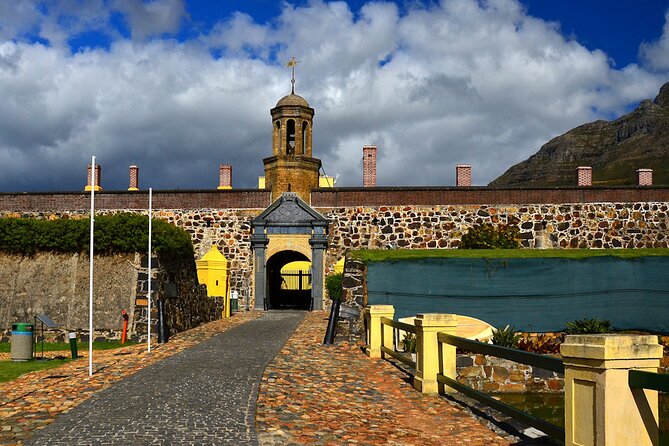
- Cape Town gets the scenic finale: Table Mountain, Chapman’s Peak, Cape Point, Boulders, and a Constantia wine tasting fill one major sightseeing day.
- Staff attention is a major strength: Elvis, Edith, Michael, Joseph, and Wahab are the Ghana-based team members praised for care, patience, guiding, and driving.
What the $8,695 price really buys you
At $8,695 per person, this is a high-priced escorted tour. The cost includes hotel stays, private ground transportation, airport transfers, listed admission fees, bottled water, breakfast on 11 days, dinner on nine days, and the services of an experienced cultural guide.
That package can offer real value if you want a tightly organized trip across two countries. You do not have to arrange airport pickups, negotiate local transport, buy entry tickets at each stop, or manage the complicated movement between Ghanaian and South African cities. A guide stays with you through your Ghana visit, and the small group size should help keep the experience personal.
Still, you need to budget beyond the headline price. Flights are not included, and neither are travel insurance, gratuities, or personal spending. The information also describes the tour as both 12 days and 14 days, while the detailed schedule runs from Day 1 through Day 12. Confirm the exact number of nights and included services before paying.
This is best viewed as a private-style, escorted cultural program rather than a bargain group holiday. If you value convenience, historical interpretation, and a full schedule, the price may make sense. If you prefer to linger in one place or arrange hotels and flights yourself, it will feel steep.
More Accra outings people pair with this:
- The Cape Coast Day Tour
★ 5.0 · 525 reviews - Experience the Beauty, History and the Culture Of Accra in a Day
★ 5.0 · 323 reviews - The Cape Coast Tour
★ 5.0 · 177 reviews
Accra: Pan-African ideas and modern Ghana
Your Ghana experience begins at Kotoka International Airport in Accra. A representative meets you, helps with arrival formalities, and takes you to the Mövenpick Ambassador Hotel in a private air-conditioned vehicle. After check-in, your guide explains the schedule and what to expect.
That welcome matters after a long international flight. You can settle in without needing to find a taxi or work out local arrangements on your own. The first day is deliberately light, with about two hours of planned activity.
The second day introduces Accra through people and ideas as much as buildings. At the W.E.B. Du Bois Centre, you learn about the American scholar and Pan-Africanist who spent his final years in Ghana. It is a fitting place to begin a tour that links West Africa with the African diaspora.
You then pass Flagstaff House, the presidential residence, before visiting the upgraded Kwame Nkrumah Memorial Park. The 5.4-acre site honors Ghana’s first president and includes a library, conference center, synchronized fountain, mini-amphitheater, and picnic area. The memorial helps place Ghana’s independence movement in a wider African context.
The Accra Arts and Crafts Centre adds a more practical stop. You can browse Kente cloth, sculptures, jewelry, and other local crafts, with bargaining expected. Set a spending limit before you start. Markets can be fun, but the pressure to buy can wear thin, especially after a long sightseeing morning.
Accra is also where you have the best chance to ask questions about modern Ghana. Use the private guide time well. Ask about the independence movement, the role of Pan-African thinkers, and how the city has changed. The tour gives you the sights, but your questions will shape how much you take away.
Cape Coast and Elmina: confronting the slave trade
The journey to Ghana’s Central Region is one of the most important parts of the tour. You stop at Mankessim to see a Posuban Shrine and a Fante village before continuing to Cape Coast.
The Posuban shrines are connected with Fante military companies and local religious traditions. This stop broadens the day beyond the European fort system, reminding you that Ghana’s coastal communities had their own institutions, beliefs, and social structures.
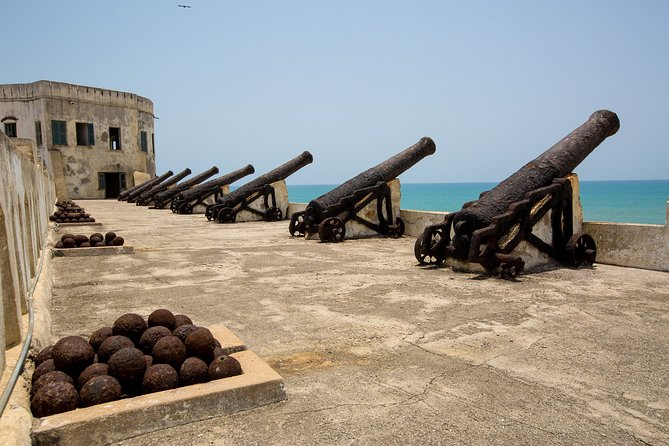
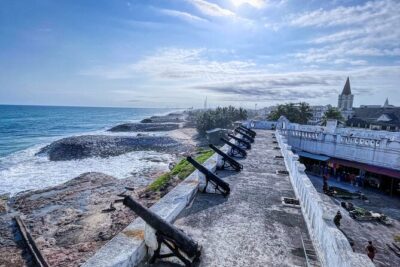
Cape Coast Castle is the emotional center of the Ghana portion. The UNESCO World Heritage site was one of the departure points for Africans forced onto ships bound for the Americas. A guided visit includes the castle museum and the notorious Door of No Return.
You should expect this visit to be difficult. The rooms and passages are not simply old architecture. They are places tied to imprisonment, separation, and forced migration. Allow yourself time afterward to process what you have seen.
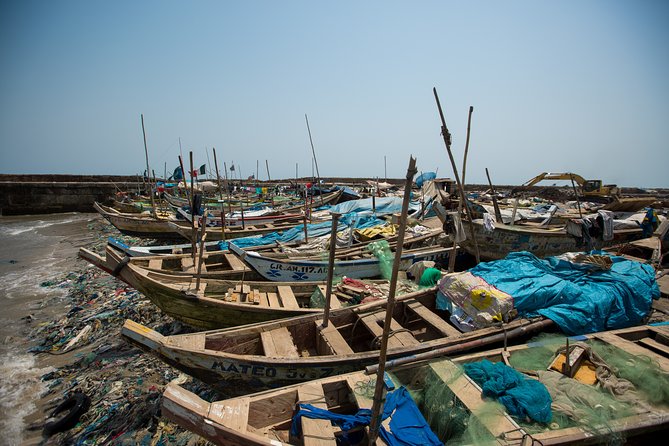
The evening continues in Elmina, an old coastal town with a harbor and colorful fishing boats. The town visit adds everyday life and movement after the solemnity of the castle. It also gives you a chance to see that the area is more than a single historic monument.
The next morning, you visit Elmina Castle, built in 1482. It was the first European structure built in sub-Saharan Africa and another UNESCO World Heritage site. Seeing both castles helps you compare their roles and understand the scale of the coastal trading system.
A Return to the Homeland ceremony called fiankra follows the castle visit. It represents the pain of people taken from their homeland without saying goodbye to family, and it also serves as an initiation rite for African returnees. This is a meaningful part of the program, but it may not suit anyone looking for a light sightseeing holiday.
Kakum National Park and the Ghana schedule
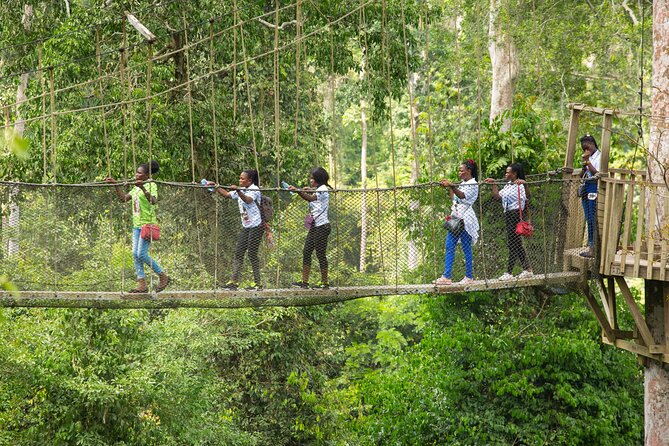
Kakum National Park changes the tone again. You take a short walk on the forest floor, looking for birds, butterflies, and perhaps monkeys. The park contains more than 40 species of mammals, including the reclusive forest elephant, though wildlife sightings are never guaranteed.
The description mentions a forest-floor walk rather than the famous canopy walkway, so you should not assume the canopy experience is included. Ask the operator if that is important to you.
The Ghana schedule has a clear strength: it combines national memory, local culture, architecture, and nature. Its weakness is travel time. Moving from Accra to Cape Coast and then back toward Accra before an international flight can make these days feel compressed.
The staff make a difference here. Elvis is praised for clear presentations and strong knowledge of the places visited, while Edith is described as kind and patient. Michael and Joseph are praised as excellent drivers, and Wahab is also credited with taking careful care of the group. Staff assignments can change, but the operation clearly depends on personal service, not only a printed schedule.
Other history-led days around Accra:
- Ghana Heritage Tours – Beyond The Return
★ 5.0 · 36 reviews - 10 Days Ghana Cultural and Heritage Trip
★ 5.0 · 31 reviews - Cape Coast Historical Day Tour
★ 5.0 · 24 reviews - Full-Day Private Culture and History Tour of Accra
★ 5.0 · 23 reviews
The transition from Ghana to Johannesburg
Day 5 involves checking out, returning to Accra, spending part of the day at leisure, and using a day room to rest before your flight. That day room is a thoughtful touch. It gives you somewhere to shower and refresh before an overnight or late flight rather than forcing you to wait at the airport all day.
Nonstop Accra to Johannesburg flights are available on Tuesday, Thursday, and Saturday. This is a key planning detail. Your arrival date needs to match the flight schedule, and airfare is separate from the tour price.
The Johannesburg portion begins with an early-morning arrival, hotel transfer, and a visit to Johannesburg and Soweto. This is a demanding sequence. You may be tired, but the historical content is strong enough to justify the effort.
Soweto: apartheid history through personal stories
Soweto is presented from the viewpoint of freedom fighters and the struggle against apartheid. At the Hector Pieterson Memorial, you learn about the 1976 Soweto uprising and the death of 12-year-old Hector Pieterson. The memorial makes a major political event personal and immediate.
Regina Mundi Church offers another powerful stop. It served as a refuge for activists, and bullet holes from police clashes remain visible. The church helps you understand how religious buildings could become meeting places and safe spaces during apartheid.
You also pass Chris Hani Baragwanath Hospital, described as the world’s largest hospital, and visit Mandela’s House. The house contains photographs, awards, and personal memorabilia connected with Nelson Mandela. Freedom Square is tied to the adoption of the Freedom Charter, a foundational document in the anti-apartheid movement.
This is not a shallow city tour. It asks you to connect specific people and places with the larger struggle for democracy. Your guide’s explanation will matter greatly, so ask for context rather than rushing from one stop to the next.
Pilanesberg safari and Lesedi Cultural Village
The next day pairs two very different South African experiences. At Pilanesberg National Park, you take a game drive in search of the Big Five: lion, buffalo, leopard, elephant, and rhino. The park also has cheetahs, giraffes, hippos, and more than 360 bird species.
A game drive is always shaped by luck, weather, and animal behavior. The tour promises access to the park and a safari experience, not guaranteed sightings. Keep your expectations sensible. The pleasure is in watching the park and searching, not checking off every animal.
Later, you continue to Lesedi Cultural Village, stopping at a market selling Southern African goods. At Lesedi, a multimedia presentation introduces South Africa’s history, followed by visits to four cultural villages representing different customs and languages.
The day ends with a traditional performance and buffet dinner. This is an efficient way to sample several cultural traditions, but it is also the most staged part of the program. I would treat it as an introduction rather than a complete picture of contemporary South African life.
The combination works well for first-time visitors. Pilanesberg gives you open space and wildlife, while Lesedi offers organized cultural interpretation. It is a long day, though, so comfortable shoes and patience are useful.
Cape Town: Robben Island and township life
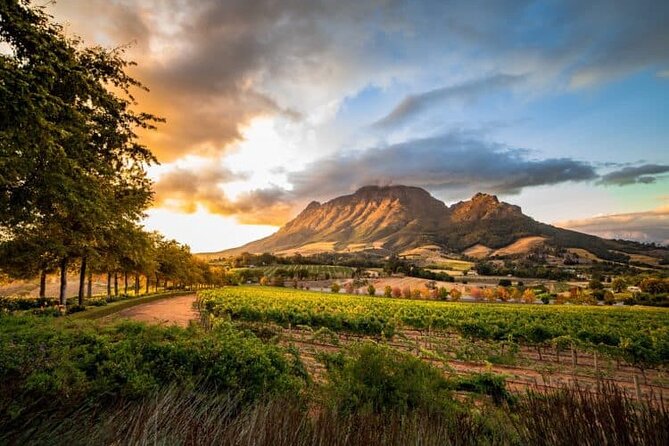
After breakfast, you fly to Cape Town and transfer to a hotel near the Victoria and Alfred Waterfront. This location gives you access to restaurants, shops, and waterfront activities during free periods.
The next day begins with the ferry to Robben Island. The former prison, where Nelson Mandela spent many years incarcerated, is now a UNESCO World Heritage site. It is one of the tour’s most important links between place and political history.
The township tour then visits Langa, Cape Town’s oldest formal township, and Gugulethu. You learn about apartheid’s lasting effects and South Africa’s path toward democracy. In Gugulethu, a community-driven project provides a chance to see artisans and crafters at work.
This part of the tour deserves thoughtful attention. Township visits can become uncomfortable if treated like a quick photo stop. Listen carefully, respect local guidance, and focus on the people and projects rather than simply observing poverty. The program’s emphasis on interaction and community work gives the visit more substance.
Dinner is included that evening, which is helpful after a full day. The Cape Town hotel is listed as Protea Hotel Sea Point, though the supplied information gives slightly different versions of the hotel name. Confirm the exact property before departure.
Table Mountain, Cape Point, and Constantia
Cape Town’s major sightseeing day begins with the rotating cable car to the top of Table Mountain. The 360-degree ride gives you broad views as the cabin turns during the ascent. At the top, you have panoramic views across the city and coast, subject to operating conditions.
The Cape Peninsula drive is a full scenic circuit. You pass Clifton, Camps Bay, and Hout Bay, then take Chapman’s Peak Drive through Scarborough toward the Cape of Good Hope. The route itself is a major part of the day, so do not think of the stops as isolated attractions.
At Cape Point, you have tea or coffee near the signboard and ride the Flying Dutchman Funicular toward the old lighthouse. Lunch follows at Seaforth near Boulders. The schedule then continues to the Constantia Valley Wine Route for a tasting at a selected estate, with a return drive past the botanical gardens.
This is a lot for one day. The benefit is variety: ocean roads, mountain views, a famous peninsula, a funicular, lunch, and wine. The tradeoff is limited time at each place. If you want long hikes or a relaxed winery afternoon, the schedule may feel too quick.
You also have a free day in Cape Town. Use it for shopping, dining, or additional activities at your own pace. The tour does not specify added excursions for this day, so you will need to make your own plans.
Who will get the most from this tour?
I would recommend this experience to you if you want a guided introduction to West and Southern African history, prefer private transport, and would rather have major arrangements handled for you. It suits first-time visitors who want a broad overview and do not mind a full schedule.
It is also a good match for couples marking a special occasion. One 35th-anniversary trip was praised for being both educational and enjoyable, with Joseph and Elvis receiving particular credit for making the journey run well.
You should think twice if you dislike early flights, long road transfers, or emotionally serious historic sites. The price also demands careful budgeting because flights, insurance, gratuities, and personal expenses are extra.
The moderate fitness requirement matters. You should be comfortable with walking at castles, memorials, parks, viewpoints, and city sites, plus managing several airport transfers.
Should you book the 12-day Ghana and South Africa tour?
Book it if you want a guided, high-touch program that covers the key historical sites of Ghana and South Africa without having to organize the complicated pieces yourself. The strongest reasons are the small group, private vehicle, airport assistance, excellent staff reputation, and thoughtful mix of history, wildlife, scenery, and community visits.
Do not book it without clarification if the 12-day versus 14-day description affects your leave or flight plans. Ask for the confirmed hotel list, exact flight schedule, number of nights, and what is included in the Cape Coast and Kumasi portions before making a final decision.
For the right person, this is a serious and rewarding introduction to two countries. It is not a restful holiday, and it is not cheap. But if you want context, personal guidance, and a clear route through sites that are difficult to arrange independently, it offers a practical way to make the journey.
FAQ
Where does the tour begin?
The tour begins at Kotoka International Airport in Accra, Ghana. The listed start time is 8:30 am.
Where does the tour end?
The experience ends back at the meeting point after transfer to the airport in Cape Town for your onward flight.
How long is the tour?
The detailed schedule covers 12 days. The overview also refers to a 14-day tour, so you should confirm the exact duration with Continent Tours before booking.
What is the maximum group size?
The tour has a maximum of 10 participants.
Are flights included?
No. Flights are not included in the listed price. Nonstop flights from Accra to Johannesburg are available on Tuesday, Thursday, and Saturday.
What meals are included?
Breakfast is included on 11 days, and dinner is included on nine days. Lunch is not listed as generally included, although the Cape Town itinerary specifies lunch near Boulders.
Is airport pickup provided?
Yes. Meeting and assistance are provided on arrival and departure, along with round-trip airport and hotel transfers.
What fitness level is required?
A moderate level of physical fitness is recommended. The schedule includes walking tours, historic sites, parks, viewpoints, and airport transfers.
Can I cancel for a full refund?
Yes, if you cancel at least 24 hours before the experience start time. Cancellations within 24 hours are not refunded, and changes within that period are not accepted.
Most recently reviewed around Accra
- Visit Aburi Garden, Tetteh Quarshie Cocoa Farm & Waterfall★ 4.0 · 4 reviews
- Private 9-Day Tour in Ghana★ 5.0 · 2 reviews
- Wli Waterfalls, Mount Afadjato & Tafi Atome Monkey Sanctuary★ 5.0 · 2 reviews
- Cape Coast and Elmina castle Day Trip★ 5.0 · 2 reviews
- Culinary for Social Change-Cooking Class★ 5.0 · 2 reviews
- Time with Nature★ 5.0 · 2 reviews
- Private Slave Castles and Dungeons Tour in Cape Coast, Ghana★ 5.0 · 3 reviews
- Experience Accra★ 5.0 · 2 reviews
Historical Tours, compared.
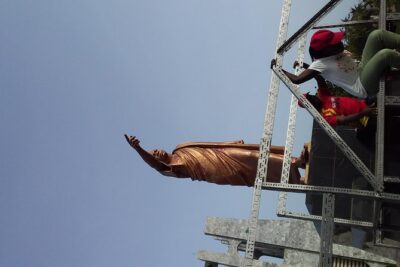
Experience the Beauty, History and the Culture Of Accra in a Day
Read our review →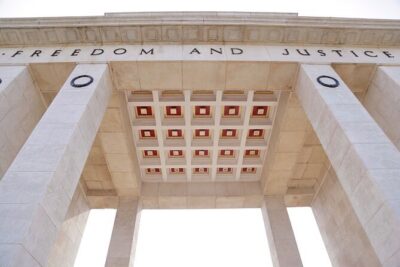
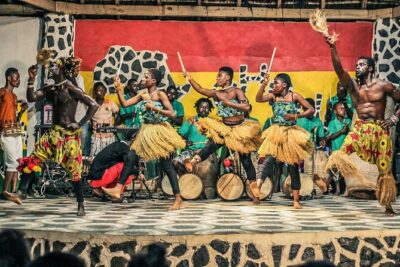

Full-Day Private Culture and History Tour of Accra
Read our review →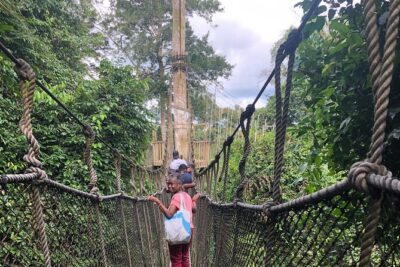
Ghana Private Historic Tour through Castles and Nature
Read our review →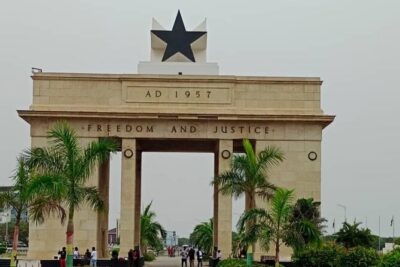
7-Day Private Cultural and Heritage Tour in Ghana
Read our review →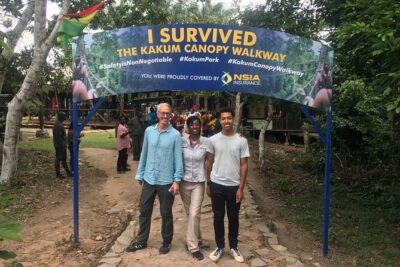
The Historic Cape Coast and Elmina Tour (The Land of History).
Read our review →Browse the lists this tour appears in