
Reviewed · CITY TOURS
Ghana City 2-day Tour
History asks for your attention here. This private two-day tour links Ghana’s Assin Manso Slave River, Cape Coast Castle, James Town, and Ussher Fort into one serious look at the country’s past. I like the personal format, with room for up to four people, and I like that hotel pickup and daily transfers are included.
The strongest part is the way the tour connects coastal forts with the inland slave route. I also appreciate the mix of solemn sites and city views, especially the spiral staircase at James Town Lighthouse. The main drawback is the pace: four major stops in two days leave little room for extra sights or a relaxed schedule.
The price is $307.70 per group, not per person, so it can be good value if you are sharing with three others. Guide Isaac has received especially warm praise for his clear explanations and willingness to include requested stops, a useful sign for anyone who wants more than a quick photo stop.
In This Review
- Key points to know before booking
- Why this two-day route works
- Assin Manso and the Ancestral Slave River
- Cape Coast Castle and the Atlantic crossing
- James Town Lighthouse and old Accra
- Ussher Fort and Accra’s coastal defenses
- The private format and guide quality
- Is $307.70 a fair price?
- Who should book this experience?
- Should you book the Ghana City 2-Day Tour?
- FAQ
- How long is the Ghana City 2-Day Tour?
- What is included in the tour price?
- How many people can join the private tour?
- Does the tour visit a UNESCO World Heritage Site?
- Can most people participate?
- What is the cancellation policy?
Key points to know before booking
- Assin Manso begins with a difficult, reflective history lesson: The Ancestral Slave River and Last Bath mark part of the route enslaved people were forced to take.
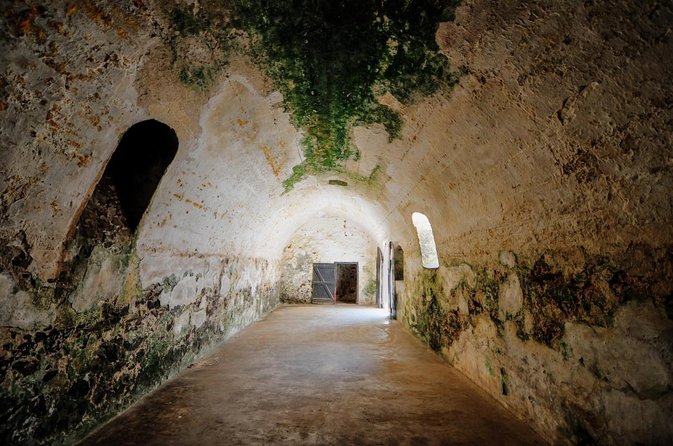
- Cape Coast Castle is the tour’s central sight: This UNESCO World Heritage Site explains the final stage before captives were sent across the Atlantic.
- James Town adds an Accra neighborhood perspective: Fishing, family ties, coastal trade, and the lighthouse all help explain the district’s place in Ghana’s past.
- Ussher Fort brings the story back to Accra: The former Dutch fort was restored as a museum through work involving Ghana, the European Union, and UNESCO.
- A private group changes the feel: With only your party participating, you can ask questions and set the conversation around your interests.
- The price works best for a small group: Four people sharing $307.70 comes to about $76.93 each before any other personal expenses.
Why this two-day route works
This tour is built around a clear historical arc. Day one takes you from Assin Manso in Ghana’s Central Region to Cape Coast Castle on the coast. Day two shifts to Accra, where James Town and Ussher Fort show how the slave trade shaped the city itself.
I like that order. You first encounter the inland route and the Last Bath, then see the castle where enslaved people were held before shipment. The second day lets you consider the wider setting: the port neighborhoods, coastal defenses, navigation, and communities that grew around these places.
You are not getting a broad city tour with a few old buildings added at the end. The focus is slavery and the forts connected to it. That makes this a strong choice if you want historical context, but less suitable if your main goal is markets, food, beaches, or modern Accra.
The private setup matters here. Difficult subjects deserve time for questions, and a guide can explain terms or events at a pace that works for your group. You will not be following a large crowd or waiting for strangers to finish at every stop.
More Accra outings people pair with this:
- The Cape Coast Day Tour
★ 5.0 · 525 reviews - Experience the Beauty, History and the Culture Of Accra in a Day
★ 5.0 · 323 reviews - The Cape Coast Tour
★ 5.0 · 177 reviews
Assin Manso and the Ancestral Slave River
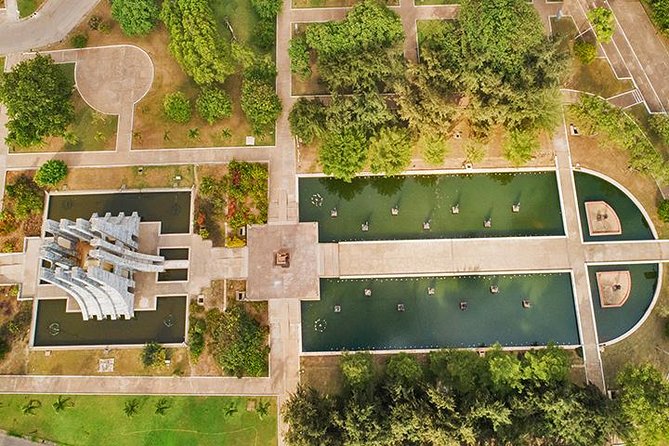
The first stop is the Ancestral Slave River Park at Assin Manso. This is where the tour begins its account of the forced movement of enslaved people through West Africa from the sixteenth to the nineteenth century.
The river and the Last Bath are the key parts of the visit. The name Last Bath refers to the final bathing of enslaved people before they were taken onward. It is a stark idea, and the site is meant to be approached with care rather than treated as a casual sightseeing stop.
I value this opening because it gives you a setting beyond the castles. The story did not begin at the coast. People were captured, moved, held, and marched through inland areas before reaching the forts and the Atlantic. Assin Manso helps make that process easier to understand.
The stop is listed as four hours, making it the longest individual visit on the schedule. That suggests time for a fuller explanation of the park and its related sites, rather than a quick walk and departure. Still, the emotional weight may make the visit feel longer than the clock suggests. Give yourself permission to be quiet and reflective.
This is also the point where a good guide matters most. The facts can feel overwhelming when presented as a list. Someone who can explain the sequence clearly, answer questions, and connect the river to Cape Coast will make the day far more useful.
Cape Coast Castle and the Atlantic crossing
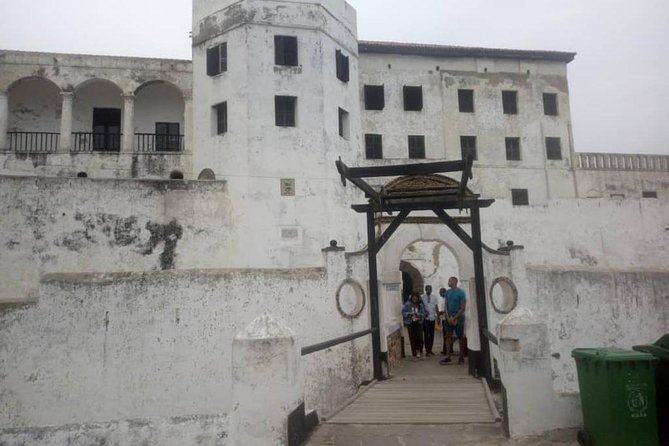
Cape Coast Castle is the main historical site on day one. The castle is a UNESCO World Heritage Site, and it was visited by President Barack Obama in 2009. Its importance comes from its role as a holding site for enslaved people before they were placed on ships bound for the Americas.
The tour presents the castle as the Gate of No Return to the Atlantic. You can expect historical artifacts, remaining structures, and accounts of the abuse carried out there. The setting brings the forced journey into sharper focus: people moved from the inland route to confined rooms and then toward the sea.
The scheduled visit lasts three hours. That is a sensible amount of time for a site with several layers of history. You will want time to listen, look closely, and ask questions instead of rushing through rooms just to collect photographs.
Cape Coast Castle can be an intense stop. I would not book this tour expecting light sightseeing or a cheerful coastal outing. The subject is painful, and some parts of the site may be hard to process. That is not a flaw in the attraction, but it is an important consideration when planning your day.
The combination of Assin Manso and Cape Coast Castle is the tour’s greatest strength. At the river, you encounter the beginning of the forced trek. At the castle, you see the last stage before the Atlantic crossing. The two sites explain each other, which is more powerful than visiting either one alone.
James Town Lighthouse and old Accra

Day two turns to Accra and the James Town area. James Town is described as one of the city’s most historic districts, with fishing as its main occupation and a strong sense of connection among families and neighbors.
The district’s location beside the sea helped shape its role in trade and the slave trade. The lighthouse was built as a navigation aid for ships approaching the coast. The current 28-meter, or 92-foot, structure dates from the 1930s and replaced an earlier lighthouse built in 1871.
This is one of the tour’s more unusual stops because the lighthouse is not presented as a polished attraction with shops and ticket counters. Instead, the appeal is the structure, the neighborhood, and the view. You climb a spiral staircase to reach a panoramic outlook from the top.
That detail makes the stop especially appealing to anyone who likes places with a real local setting rather than a purpose-built tourist display. The lighthouse is part of James Town, not separated from it. You get a sense of how the coastal community, fishing activity, trade, and navigation all fit together.
The three-hour allocation gives the guide time to explain the district and the lighthouse’s role. Do not expect the same kind of museum experience you get at Cape Coast Castle. James Town is more about place, community, and the remains of a working coastal neighborhood.
The lighthouse may not suit anyone uncomfortable with spiral stairs. The supplied information does not give further access details, so you should ask the operator about current conditions if climbing is important to you.
A few other Accra trips we have written up
- 2-Day Private Tour to the Mount Afadjato and Wli Waterfalls
★ 5.0 · 17 reviews - 2 Days (1 night) Elephants Safari at Mole Park with Round – trip flights
★ 5.0 · 4 reviews - 2Days private explore volta region
★ 5.0 · 4 reviews - Cape Coast Castle and Kakum National Park 2-Day Private Tour
★ 5.0 · 3 reviews
Ussher Fort and Accra’s coastal defenses
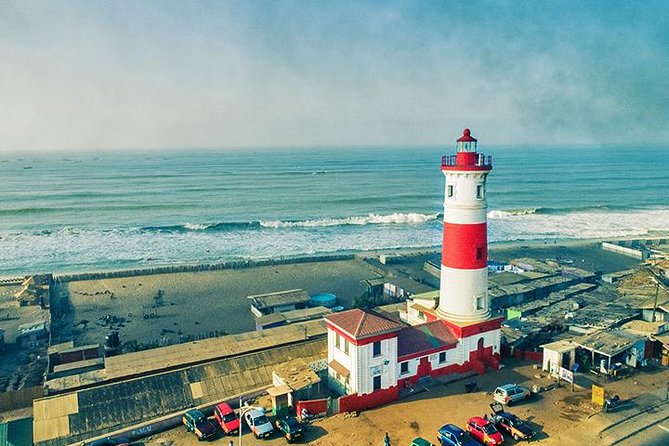
The final stop is Ussher Fort, one of the most prominent forts in James Town. The Dutch built it in 1649 under the name Fort Crêvecoeur. Its location reflects the strategic importance of Accra’s coast and the network of forts built around trade and the Atlantic slave trade.
The fort was restored in 2007 through a project involving the Ghanaian government, the European Union, and UNESCO. It is now used as a museum, giving you another place to examine the systems and buildings connected to slavery in Accra.
I like the pairing of Ussher Fort with Cape Coast Castle. Cape Coast is the larger centerpiece, but Ussher Fort shows that Accra was also part of this coastal system. The second day therefore adds more than a separate sightseeing stop. It widens the story.
The visit is scheduled for three hours, which should allow time to examine the fort and hear an explanation of its past. As with Cape Coast Castle, the value depends on the guide’s ability to put the building into context. A fort can be impressive to look at, but the reason for its existence is the important part.
Ussher Fort is a good final stop because it leaves you thinking about Accra as a historic port city, not simply as the modern capital. The building’s Dutch origins, later restoration, and museum role give the day a clear finish.
The private format and guide quality
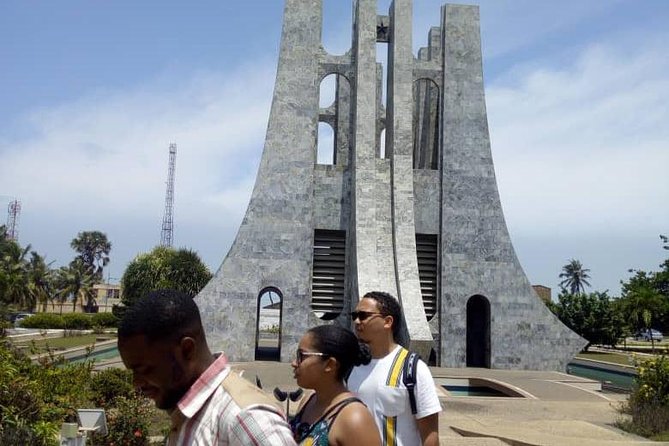
This is a private activity for your group alone, with a maximum of four people. That is a meaningful advantage for a history-focused tour. You can ask direct questions, spend longer at a site that interests you, or keep moving when your group has taken in enough.
Hotel pickup in Accra and daily transfers are included. You will not need to arrange separate transport between the stops, which simplifies a two-day plan with sites spread across the city and Central Region.
The tour is near public transportation, and most people can participate. The information does not state vehicle details, exact pickup times, meal arrangements, or whether refreshments are included, so you should confirm those points before departure if they affect your planning.
Guide Isaac has been praised for knowing Ghana well and for taking a group to the places it wanted to see. That is the kind of guide you want for this experience: not someone who simply recites dates, but someone who can adapt the conversation and connect one site to the next.
Of course, you cannot assume Isaac will lead every departure. The operator is Ghana City Tours, and the quality of your day will depend partly on the guide assigned. Still, the strong overall score of 4.9 from 21 ratings and a 100 percent recommendation rate suggest that the guiding and service have generally been well received.
Is $307.70 a fair price?
At $307.70 per group of up to four, the value depends on your party size. One person pays the full group price if traveling alone, but four people sharing the cost pay about $76.93 each. For two people, the effective cost is about $153.85 per person.
The price includes admission tickets and transfers to and from your Accra hotel each day. Those inclusions matter because the route combines several historical sites and requires transport between them. You are paying for a private service, not just entry to a single attraction.
The value is strongest if you want a ready-made plan and a guide who can explain the sites. It is weaker if you already have transport, prefer to explore alone, or want a flexible schedule with many unscheduled stops.
You should also consider the tour’s emotional value. This is not designed as a bargain checklist of attractions. The benefit is having a structured way to understand a painful part of Ghana’s past in the places where it unfolded.
Who should book this experience?
I would recommend this tour to first-time visitors who want a focused introduction to Ghana’s role in the Atlantic slave trade. It also suits families or small groups who prefer a private guide and want to discuss what they are seeing without a large group around them.
History students, heritage-focused visitors, and people tracing African diaspora connections may find the route particularly meaningful. The combination of Assin Manso, Cape Coast Castle, James Town, and Ussher Fort gives you both inland and coastal perspectives.
I would hesitate to recommend it if you want a relaxed holiday schedule. The four main stops are substantial, and the subject matter is serious. You should also think twice if you are mainly interested in modern Accra, shopping, dining, or nature.
The best way to prepare is to keep your expectations clear. Bring patience for the historical material, curiosity for the guide’s explanation, and practical questions about pickup times and the lighthouse climb. You will get more from the tour if you treat it as a learning experience rather than a simple sightseeing outing.
The tour offers free cancellation up to 24 hours before the start time. Cancellations within 24 hours are not refunded, and poor weather may lead to a different date or a full refund.
Should you book the Ghana City 2-Day Tour?
Book it if you want a private, tightly focused account of Ghana’s slave-trade history and you value having transport and admission handled for you. The route is well chosen, the small-group format is useful, and the price becomes reasonable when shared by four people.
Skip it if you want a broad tour of Accra or a lighter two-day outing. This experience asks you to give serious attention to painful history, but it rewards that attention with a stronger understanding of Assin Manso, Cape Coast, and James Town than a quick castle visit could provide.
FAQ
How long is the Ghana City 2-Day Tour?
The experience lasts approximately two days. Day one includes four hours at Assin Manso and three hours at Cape Coast Castle. Day two includes three hours at James Town Lighthouse and three hours at Ussher Fort and Museum.
What is included in the tour price?
Admission tickets are included for the listed stops. Pickup and daily transfers to and from your Accra hotel are also included.
How many people can join the private tour?
The private tour is for your group only, with up to four people.
Does the tour visit a UNESCO World Heritage Site?
Yes. Cape Coast Castle is a UNESCO World Heritage Site and is included on day one.
Can most people participate?
The tour information says most people can participate. It also notes that the experience is near public transportation. Specific accessibility details are not provided.
What is the cancellation policy?
You can cancel at least 24 hours before the experience start time for a full refund. Cancellations or changes made less than 24 hours in advance are not accepted for a refund. If poor weather causes the tour to be canceled, you will be offered another date or a full refund.
Most recently reviewed around Accra
- Visit Aburi Garden, Tetteh Quarshie Cocoa Farm & Waterfall★ 4.0 · 4 reviews
- Private 9-Day Tour in Ghana★ 5.0 · 2 reviews
- Wli Waterfalls, Mount Afadjato & Tafi Atome Monkey Sanctuary★ 5.0 · 2 reviews
- Cape Coast and Elmina castle Day Trip★ 5.0 · 2 reviews
- Culinary for Social Change-Cooking Class★ 5.0 · 2 reviews
- Time with Nature★ 5.0 · 2 reviews
- Private Slave Castles and Dungeons Tour in Cape Coast, Ghana★ 5.0 · 3 reviews
- Experience Accra★ 5.0 · 2 reviews
City Tours, compared.



Escape Accra City to Aburi Gardens and Tetteh Quarshie Cocoa Farms
Read our review →
Browse the lists this tour appears in