
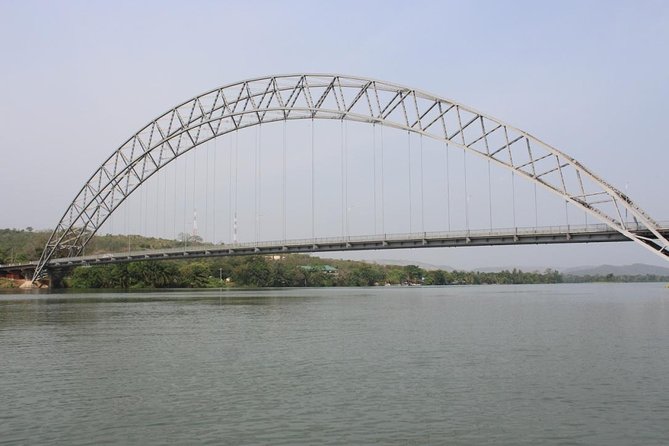
Reviewed · HISTORICAL TOURS
6 day Culture & History Tour in Ghana
Ghana rewards curious travelers with variety. This six-day private tour links Accra markets, Ashanti craft villages, Elmina Castle, and Kakum National Park in one well-packed route. I like the private format, since your group travels with its own guide instead of waiting for strangers, and I like that hotels, transport, entry fees, and taxes are included in the $1,852.57 price.
The tour also gives you genuine range. You move from city streets to cocoa farms, from a glass bead workshop to a Volta River boat ride, then onward to royal Ashanti sites and the coast. The trade-off is a demanding schedule, with several 8-to-12-hour days and long road journeys. You will see a lot, but this is not a slow holiday.
In This Review
- Key points to know before booking
- What the $1,852.57 price really buys
- Day 1: A gentle start in Accra’s Osu district
- Day 2: Aburi gardens, handmade beads, and the Volta River
- Day 3: Waterfalls and Ashanti craft villages
- Day 4: Kumasi’s royal past and Kejetia Market
- Day 5: The Slave Route and Elmina’s coastal forts
- Day 6: Kakum’s canopy walkway and the return to Accra
- The private format and the guide
- Who should book this Ghana tour?
- Booking advice and final verdict
- FAQ
- How long is the Ghana culture and history tour?
- Where does the tour begin?
- Where does the tour end?
- Is this a private tour?
- Is transportation included?
- Are hotels included?
- Are admission fees and taxes included?
- Are meals and drinks included?
- Which major historical site does the tour visit?
- Can most people take part in the tour?
Key points to know before booking

- Private transport keeps the schedule flexible: Only your group and guide take part, with an air-conditioned vehicle and pickup available.
- The route covers three very different parts of Ghana: Accra and the coast, the Volta River area, and Kumasi in the Ashanti region.
- Elmina Castle provides the tour’s most serious historical stop: It is a UNESCO World Heritage Site connected to the Atlantic slave trade.
- Kakum’s canopy walkway is a major highlight: You cross high above the forest floor, then visit crocodile ponds and a weaver bird community.
- The price includes the expensive basics: Accommodation, transport, admission fees, and taxes are covered, but meals and drinks are not.
- The pace is active: Day 3 lasts about 12 hours, and Days 5 and 6 each run about 10 hours.
What the $1,852.57 price really buys
At first glance, the cost may look high. The useful comparison is not with a cheap city excursion, but with the pieces you would need to arrange separately: airport pickup, a private air-conditioned vehicle, five nights of mid-range accommodation, attraction fees, a boat ride, and a guide for six days.
The tour covers all accommodation, fees, and taxes, which makes budgeting easier. You still need money for meals and drinks, and the package does not state that every hotel meal is included. Ask your operator how meal stops are handled before departure, especially on the long driving days.
The private setup adds real value. You are not sharing the vehicle with a large coach group, and you can ask questions as you go. Previous customers praised Emmanuel for punctual pickups, careful driving, quick replies, and helping with visa concerns. One French-speaking group also praised his professional manner and attention to detail. Those points matter in a trip built around long transfers.
Accommodation is described as mid-range. You should expect practical hotels in Osu and central Kumasi, plus resorts near the Volta River and the beach. The exact properties are not provided, so confirm their names and room arrangements before paying if hotel quality is especially important to you.
More Accra outings people pair with this:
- The Cape Coast Day Tour
★ 5.0 · 525 reviews - Experience the Beauty, History and the Culture Of Accra in a Day
★ 5.0 · 323 reviews - The Cape Coast Tour
★ 5.0 · 177 reviews
Day 1: A gentle start in Accra’s Osu district
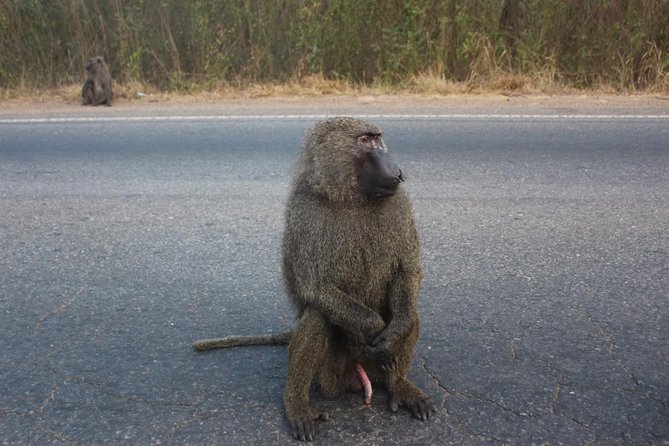
Your tour begins with a morning meeting at Kotoka International Airport. You are taken to your hotel in an air-conditioned vehicle, then given time to refresh and relax.
If your arrival time allows, you receive a neighborhood or Accra city orientation. This is a sensible first day. International flights can leave you tired, and a short orientation lets you get your bearings without forcing a full sightseeing program.
Your first night is at a mid-range hotel in Osu, one of Accra’s central areas. The schedule lists about one hour for the airport transfer and arrival arrangements, with admission included.
I would use this first evening to ask your guide about the next day’s departure time, meal plans, and any clothing or footwear needs. The tour becomes much more active after this opening day.
Day 2: Aburi gardens, handmade beads, and the Volta River
Day 2 takes you toward the Akwapim highlands for Aburi Botanical Gardens and the Aburi carvers market. The gardens provide a change from Accra’s city setting, while the market offers a chance to see local woodcarving and perhaps buy a piece to take home.
The next stop is a traditional glass bead workshop near the Volta River. This is one of the tour’s more hands-on cultural stops, since you are seeing a craft process rather than only walking through a museum or market. If you plan to shop, ask about prices, packing, and how purchases can be transported safely.
A motorboat ride follows on the Volta River, taking you toward the Akosombo dam and Volta Lake. The water trip breaks up the road travel and gives the day a different rhythm. It is also a good reason to bring sun protection and keep valuables secure, though the tour details do not specify what equipment is supplied.
This is an 8-hour day, followed by an overnight stay at a resort on the Volta River. The mix of gardens, carving, beads, and water makes Day 2 feel varied rather than repetitive.
Day 3: Waterfalls and Ashanti craft villages
Day 3 is the hardest day physically and logistically. The route includes a scenic drive to seasonal Akaa Falls, where you descend 250 concrete steps to the bottom.
That detail matters. The waterfall visit is not simply a roadside photo stop. You need to walk down and later climb back up, and the falls are seasonal, so the amount of water can vary. Wear sturdy shoes and be realistic about your fitness. The tour information says most people can participate, but the steps remain a consideration.
The day then continues through villages known for Kente weaving, Adinkra cloth stamping, and wood carving. These stops give you a closer look at important Asante crafts. Kente is known for its woven patterns and colors, while Adinkra stamping shows how symbols are applied to cloth. The value here comes from seeing the work in its setting and meeting the people who maintain these skills.
You also visit a cocoa farm. Ghana is strongly associated with cocoa production, and this stop connects the finished chocolate product with the agricultural work behind it. The tour does not specify the length or exact activities at the farm, so expect an introduction rather than a full farming course.
The day lasts about 12 hours and ends at a mid-range hotel in central Kumasi. That is a long stretch, especially after the falls. Keep your evening simple and save energy for Day 4.
Other history-led days around Accra:
- Ghana Heritage Tours – Beyond The Return
★ 5.0 · 36 reviews - 10 Days Ghana Cultural and Heritage Trip
★ 5.0 · 31 reviews - Cape Coast Historical Day Tour
★ 5.0 · 24 reviews - Full-Day Private Culture and History Tour of Accra
★ 5.0 · 23 reviews
Day 4: Kumasi’s royal past and Kejetia Market
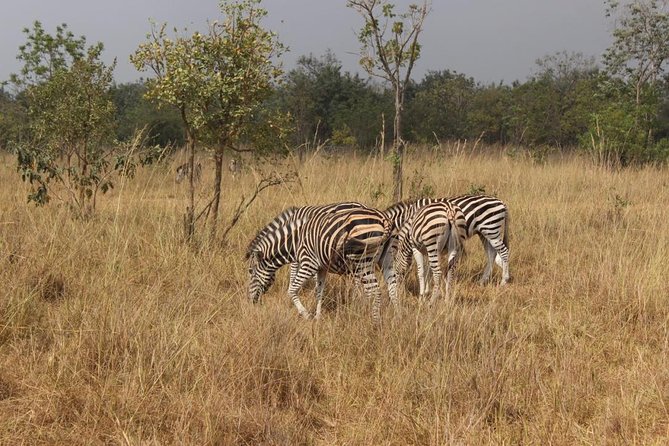
Kumasi gets a fuller look on Day 4. The morning includes the National Cultural Center, described as one of Ghana’s best museums, followed by Manhyia Palace Museum and the Komfo Anokye Sword.
Manhyia Palace is tied to the Ashanti King, so this part of the tour gives you a direct connection to the Ashanti Kingdom. The cultural center adds a broader setting for Ghanaian art and traditions. Together, these sites help explain the region beyond its famous textiles and carvings.
The Komfo Anokye Sword is another notable stop. It carries importance within Ashanti tradition and gives the visit a specific object around which stories and beliefs can be discussed. Your guide’s explanation will make a major difference here. Emmanuel is repeatedly praised for being engaging, patient, punctual, and careful, qualities that are useful at cultural sites where context matters.
The final major stop is Kejetia Market, described as West Africa’s largest outdoor market. Expect a large, busy shopping experience rather than a quiet heritage site. Stay close to your group, keep your belongings secure, and decide in advance what you might want to buy. It is easy to lose time in a market of this scale.
You spend a second night in central Kumasi. At eight hours, this day is more manageable than the previous one, but Kejetia can be tiring if you are not used to crowded markets.
Day 5: The Slave Route and Elmina’s coastal forts
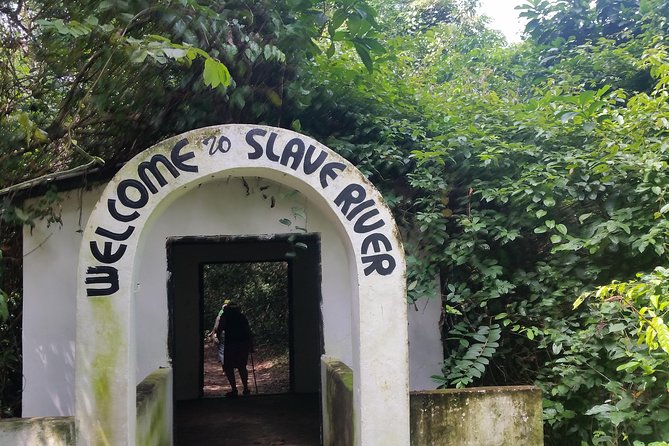
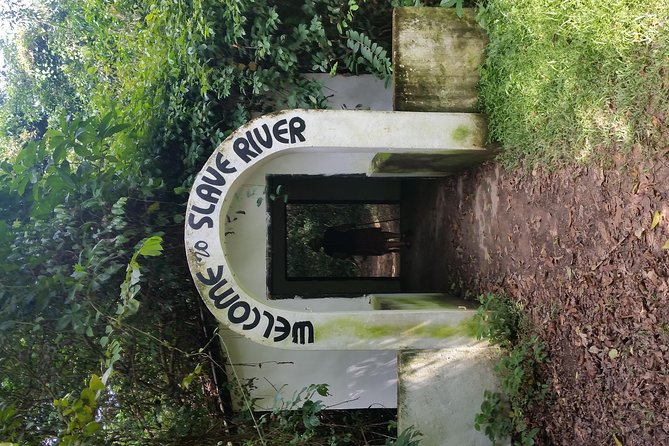
Day 5 turns toward the coast and some of Ghana’s most important historical sites. The first stop is Assin Manso and the Slave River, part of the route connected to the Atlantic slave trade.
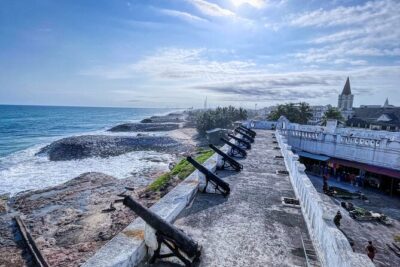
You then visit Elmina Castle, the oldest European structure in Africa according to the tour description and a UNESCO World Heritage Site. This is likely the emotional center of the trip. The castle is not just an old fort for photographs. Its rooms and passages are tied to the forced removal and sale of enslaved Africans, so you should expect a serious and sometimes difficult visit.
The guide’s role is especially important here. Emmanuel’s professional and attentive style, praised by several customers, should help you ask questions and process what you are seeing. Give yourself space to listen. This is not a stop to rush through.
The day continues with the Posuban Shrines, Fort San Jago, and the fishing lagoon in central Elmina. These places add local religious, military, and working-coast perspectives to the castle visit. You see that Elmina is more than one historic building. It is also a living fishing town with its own traditions and daily activity.
The drive and visits take about 10 hours. You spend the night at a mid-range beach resort, a welcome change after the road. Meals remain separate from the tour price, so plan to ask when and where dinner will be available.
Day 6: Kakum’s canopy walkway and the return to Accra
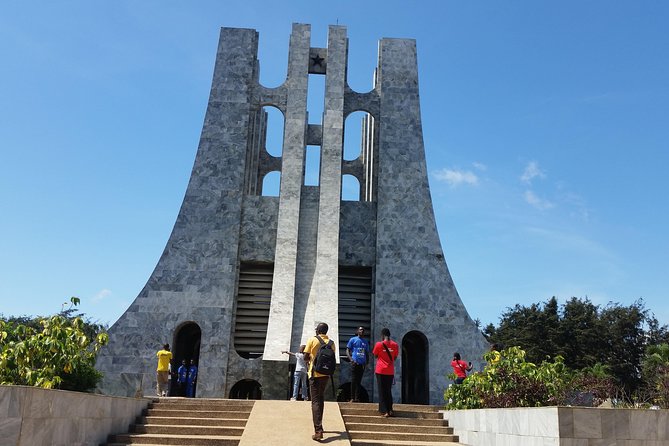
The final day begins at Kakum National Park, home to the tour’s signature outdoor activity. The canopy walkway crosses high above the rain forest floor and is described as the highest in West Africa.
This is a memorable way to see the forest, but it may not suit everyone. You are walking above the ground, so anyone uncomfortable with height should think carefully before booking. The tour says most people can participate, but it does not provide further details about the walkway’s length or accessibility.
After Kakum, you visit crocodile ponds and a weaver bird community at Hans Botel. These stops keep the final day focused on wildlife and birdlife rather than adding another major museum. The tour then returns to Accra, with drop-off at a location of your choice.
Day 6 lasts about 10 hours. That means your departure flight should not be scheduled too soon after the expected return, especially since road conditions and transfer times can change. The tour does not state a guaranteed arrival hour in Accra, so leave a generous buffer.
The private format and the guide
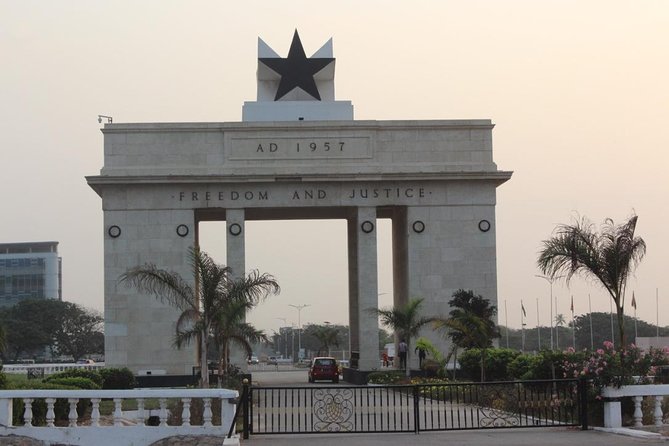
The private format is one of the strongest reasons to choose this experience. Only your group takes part, so you avoid waiting for a large bus and can keep questions focused on your interests.
The air-conditioned vehicle is also important. Ghana’s route includes long drives between Accra, the Volta River area, Kumasi, Elmina, and back to Accra. Comfortable transport will not remove the distance, but it makes the road time easier.
Emmanuel is the guide name most closely associated with the experience. His praised qualities include punctuality, careful driving, patience, customer service, and willingness to tailor longer trips. One customer described him as especially helpful with visa concerns, while another appreciated prompt email replies and assistance with questions before arrival.
Because the published tour is fixed at six days, ask in advance how much flexibility is possible. The private structure suggests room for conversation, but not every stop or timing change is guaranteed.
Who should book this Ghana tour?
I would recommend it to you if you want a broad first visit to Ghana and prefer one organized trip over several separate bookings. It suits people who care about culture, colonial and slave-trade history, crafts, markets, nature, and local transport experiences.
It is also a good fit for a small group that values privacy. Families, couples, and friends can travel together without strangers in the vehicle, while the guide can respond to the group’s questions.
I would be more cautious if you want long mornings, free afternoons, or luxury hotels. The schedule is active, some days are long, and the accommodation is only identified as mid-range. The 250 steps at Akaa Falls and the elevated walkway at Kakum also deserve honest consideration.
The tour can accommodate most people, according to the supplied information, and it is near public transportation. Still, anyone with mobility concerns should ask for specific details about the falls, canopy walkway, vehicle access, and hotel facilities before booking.
Booking advice and final verdict
The strongest case for this tour is its route. In six days, you see Accra, the Volta River, Ashanti craft villages, Kumasi’s royal sites, Elmina’s historic coast, and Kakum. Few individual outings give you such a wide sample of Ghana.
The main weakness is the pace. You spend many hours on the road, and the most rewarding stops may leave you wishing for more time. Meals and drinks are extra, and exact hotel names are not supplied, so clarify those points before you commit.
I think you should book if you want an efficient, private introduction to Ghana and are comfortable with full sightseeing days. I would skip it in favor of a slower custom trip if your priority is relaxation or detailed time at each site. Cancellation is allowed for a full refund up to three full days before the start time, but changes or cancellations inside that window are not accepted.
FAQ
How long is the Ghana culture and history tour?
The tour lasts approximately six days.
Where does the tour begin?
It begins with a morning pickup at Kotoka International Airport in Accra.
Where does the tour end?
The final day returns to Accra, with drop-off at a location of your choice.
Is this a private tour?
Yes. Only your group and guide take part in the activity.
Is transportation included?
Yes. An air-conditioned vehicle is included.
Are hotels included?
Yes. Accommodation is included for the duration of the tour. The hotels are described as mid-range, with stays in Osu, near the Volta River, central Kumasi, and at a beach resort.
Are admission fees and taxes included?
Yes. All fees and taxes are included.
Are meals and drinks included?
No. Meals and drinks are not included in the price.
Which major historical site does the tour visit?
The tour visits Elmina Castle, a UNESCO World Heritage Site, along with Assin Manso’s Slave River, Fort San Jago, and other sites in Elmina.
Can most people take part in the tour?
The activity states that most people can participate. Aaka Falls includes 250 concrete steps, and Kakum includes a high rain forest canopy walkway, so you should ask about specific mobility or height concerns before booking.
More 6-Day Experiences in Accra
- A 6 Days Cultural, Historic And Nature Tours
★ 5.0 · 2 reviews
Most recently reviewed around Accra
- Visit Aburi Garden, Tetteh Quarshie Cocoa Farm & Waterfall★ 4.0 · 4 reviews
- Private 9-Day Tour in Ghana★ 5.0 · 2 reviews
- Wli Waterfalls, Mount Afadjato & Tafi Atome Monkey Sanctuary★ 5.0 · 2 reviews
- Cape Coast and Elmina castle Day Trip★ 5.0 · 2 reviews
- Culinary for Social Change-Cooking Class★ 5.0 · 2 reviews
- Time with Nature★ 5.0 · 2 reviews
- Private Slave Castles and Dungeons Tour in Cape Coast, Ghana★ 5.0 · 3 reviews
- Experience Accra★ 5.0 · 2 reviews
Historical Tours, compared.
Experience the Beauty, History and the Culture Of Accra in a Day
Read our review →

Full-Day Private Culture and History Tour of Accra
Read our review →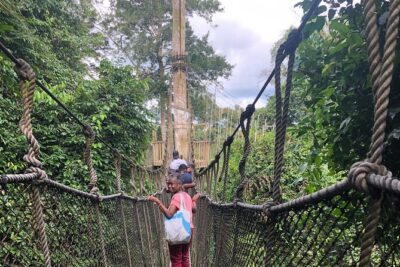
Ghana Private Historic Tour through Castles and Nature
Read our review →
7-Day Private Cultural and Heritage Tour in Ghana
Read our review →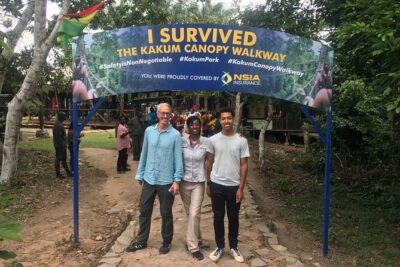
The Historic Cape Coast and Elmina Tour (The Land of History).
Read our review →Browse the lists this tour appears in