
Reviewed · HISTORICAL TOURS
A 6 Days Cultural, Historic And Nature Tours
Ghana rewards curious detours. This six-day private tour links Ashanti culture, sacred monkey traditions, waterfalls, slave-trade history, and Accra’s key sights in one packed route. I like the mix of hands-on craft villages and major historic sites, and I like that your own group travels with a guide and driver rather than joining a large coach.
I also like the personal touch shown by Big Ben and his team, including help with a school donation in Boabeng-Fiema. The main drawback is the pace: several days run eight to eleven hours, with early departures and long road sections. You will see a lot, but this is not a slow holiday.
In This Review
- Key points to know before booking
- A six-day route with very little wasted space
- Day 1: Osu Oxford Street after your airport pickup
- Day 2: Manhyia Palace, Kumasi crafts, and Bonwire Kente
- Day 3: Adinkra symbols, Ahwiaa carving, and sacred monkeys
- Day 4: The Monkey Priest, Kintampo Falls, and Tanoboase
- Day 5: Cape Coast Castle and the Kakum canopy walkway
- Day 6: Makola Market, Nkrumah, and old James Town
- What the private format and price really offer
- Who should choose this Ghana tour
- FAQ
- Where does the tour start?
- Where does the tour end?
- Is this a private tour?
- Are admission tickets included?
- How long is the tour?
- What places are included?
- Can I cancel for a full refund?
- Should you book it?
Key points to know before booking
- Three Ashanti craft traditions appear in the program: Kente weaving at Bonwire, Adinkra cloth making at Ntonso, and wood carving at Ahwiaa.
- Boabeng-Fiema has a rare cultural setting: Mona and black-and-white colobus monkeys are treated as sacred members of the community.
- The route reaches both Ghana’s interior and coast: Kumasi, Kintampo, Cape Coast, Kakum, and Accra all feature.
- The Cape Coast day is especially long: Allow for an approximately 11-hour day with the castle and Kakum National Park.
- The tour is private: Only your group participates, which gives you more room to ask questions and manage the pace within the planned schedule.
- The final day ends at the airport: The plan takes you back for departure, with an intended airport arrival two hours before check-in.
A six-day route with very little wasted space
At $1,743.59 per person, this is a substantial purchase. The value rests in how much ground the tour covers and what is included, not in a leisurely timetable. Admission tickets are included, and the experience is private, but the supplied details do not state whether hotels, meals, or flights are included. Confirm those points before paying.
The route has a clear theme. It is not just a collection of photo stops. You move from Accra’s urban life to the Asante kingdom, then to craft production, sacred forest traditions, waterfalls, the slave trade, and Ghana’s independence story. That range gives you a useful first look at the country.
The private format matters. In a small personal group, you can ask about symbols, royal customs, weaving methods, and local history as you encounter them. It also makes the long days more manageable, although private travel does not remove the road time.
More Accra outings people pair with this:
- The Cape Coast Day Tour
★ 5.0 · 525 reviews - Experience the Beauty, History and the Culture Of Accra in a Day
★ 5.0 · 323 reviews - The Cape Coast Tour
★ 5.0 · 177 reviews
Day 1: Osu Oxford Street after your airport pickup
Your guide and driver meet you at Kotoka International Airport in Accra. The stated start time is 8:00 a.m., and the tour returns to the same meeting point at the end of the program.
After transfer to your booked hotel, the plan allows time at Osu Oxford Street if your arrival schedule permits. That condition is important. Do not treat the Osu visit as guaranteed if your flight arrives late or airport formalities take longer than expected.
Osu is a good first taste of Accra because it gives you a city setting before the tour turns toward palaces, villages, and forests. The visit is scheduled for about two hours, with admission included. The description highlights nightlife, so the exact feel will depend on your arrival time.
I would keep this first evening flexible. You may be tired after your flight, and the next days begin early. If you reach Osu, use it to get your bearings and observe daily city life rather than expecting a full guided tour of Accra.
Day 2: Manhyia Palace, Kumasi crafts, and Bonwire Kente
Day 2 shifts the focus to Kumasi and the Asante kingdom. The main stop is Manhyia Palace Museum, the former residence of the Asantehene, the king of the Ashanti kingdom. The museum gives needed context for the people and political power of one of Africa’s historic empires.
This stop is more useful than a quick palace photo. You are learning how the Asante kingdom is represented through royal objects and historical interpretation. The tour description does not specify the individual exhibits, so your guide’s explanation will be especially helpful here.
The Kumasi Culture Centre follows, with more than 700 stalls selling artwork and traditional clothing from Ghana and other parts of West Africa. This is a shopping stop, but it also gives you a look at how cloth, design, and craft circulate across the region.
You will want to ask how prices are set and what is made locally, though the available details do not promise particular demonstrations or fixed shopping time. The large number of stalls can be exciting, but it may also feel crowded and commercial compared with the village visits that follow.
At Bonwire Kente Weaving Village, the focus narrows to Kente, Ghana’s famous woven cloth. This is one of the strongest cultural stops because you see a named craft in its home setting rather than only encountering finished cloth in a shop.
The day is listed at about six hours, making it one of the more manageable days. Still, confirm how much time is allocated to each stop if you care most about the weaving demonstration, palace museum, or shopping. You may need to make that priority clear to your guide.
Day 3: Adinkra symbols, Ahwiaa carving, and sacred monkeys
The third day starts with Kumasi’s craft villages. At Ntonso, you learn about Adinkra cloth and the ancient Ashanti symbols used in its designs. This is a valuable stop for anyone who wants to understand meaning rather than simply buy a patterned souvenir.
Adinkra symbols communicate ideas through visual marks. The supplied details do not identify the particular symbols you will see or describe a hands-on workshop, so keep your expectations focused on learning about the tradition and seeing the cloth-making village.
Ahwiaa offers a different craft language: carved wooden stools, traditional masks, fertility dolls, and other products for interior and exterior decoration. The change from cloth to wood helps show how broad Ghana’s craft traditions are.
I would treat these villages as cultural visits first and shopping stops second. The program does not state that purchases are required, and you should feel free to ask questions before deciding what to buy.
The final destination is Boabeng-Fiema Monkey Sanctuary in the Bono East Region, reached after leaving Kumasi. The village has a tradition dating to the arrival of its ancestors in 1827, and the Mona and black-and-white colobus monkeys are regarded as sacred.
That belief gives the sanctuary a different character from an ordinary wildlife viewing area. The monkeys are connected to the community’s own story, and their protection is tied to local custom. You are not simply checking animals off a list. You are seeing how belief, memory, and conservation meet in one place.
This day is scheduled for about eight hours. The wording places the guided sanctuary visit on Day 4, so the exact overnight arrangement and timing should be confirmed before booking. The route clearly includes both the sanctuary and the cultural explanation around it, but the day-by-day order may require clarification.
Other history-led days around Accra:
- Ghana Heritage Tours – Beyond The Return
★ 5.0 · 36 reviews - 10 Days Ghana Cultural and Heritage Trip
★ 5.0 · 31 reviews - Cape Coast Historical Day Tour
★ 5.0 · 24 reviews - Full-Day Private Culture and History Tour of Accra
★ 5.0 · 23 reviews
Day 4: The Monkey Priest, Kintampo Falls, and Tanoboase
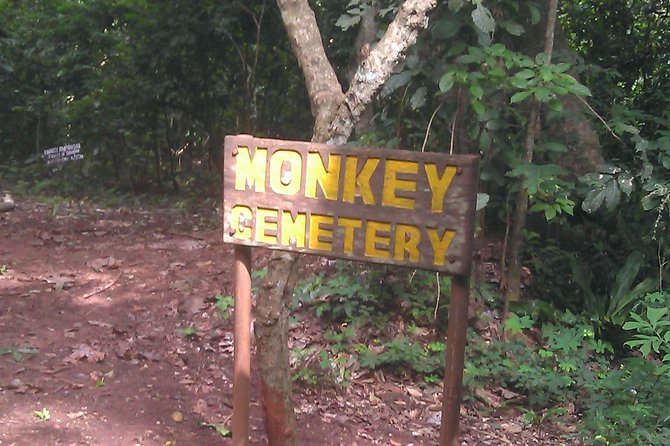
The morning includes a guided visit to the monkey sanctuary. You learn more about the monkeys and the community, then pay a courtesy call to the Monkey Priest, who is responsible for burying the monkeys in the monkey cemetery.
That detail is unusual and gives the visit emotional weight. The cemetery connects the animals to village life in a way that a standard forest walk cannot. You should approach this part respectfully. It is a living community tradition, not a staged attraction created only for sightseeing.
Kintampo Waterfalls comes next. The tour describes it as one of the most spectacular waterfalls in West Africa, and the stop adds a natural setting after several cultural visits. Admission is included, but the information does not specify the walking conditions, swimming arrangements, or time spent at the falls.
Tanoboase Sacred Grove completes the day. This was the first settlement of the Bono people after their ancestors migrated to Ghana. The program includes a hike through the forest to the top of the caves, so you should be ready for uneven ground and a more physical outing.
The word hike matters here. The tour is open to most participants, but the schedule does not give a difficulty rating or state whether mobility equipment is available. If walking on forest paths or reaching caves is a concern, ask Bigbentours1gh before booking.
At roughly eight hours, this is another full day. The combination of monkeys, a waterfall, and a sacred grove is excellent for variety, but you will not have much empty time.
Day 5: Cape Coast Castle and the Kakum canopy walkway
The Cape Coast day begins very early and lasts about 11 hours. That is the longest listed day, and you should plan for a demanding schedule with an early departure from the interior.
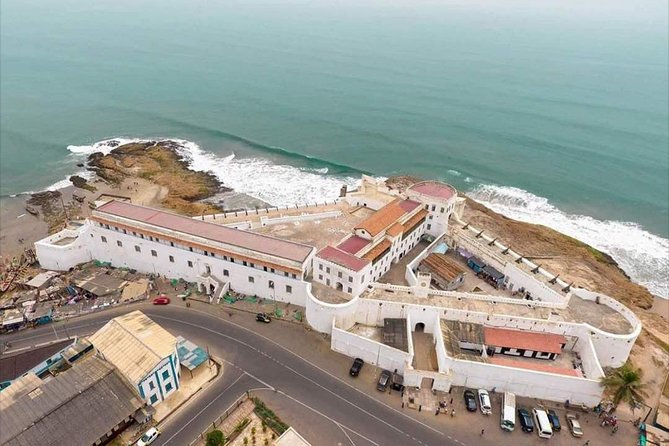
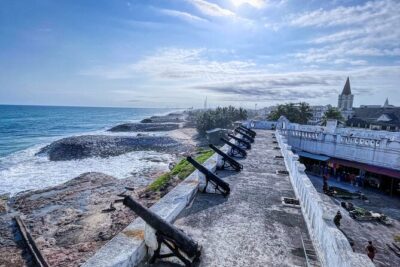
Cape Coast Castle is a UNESCO World Heritage Site and one of the colonial buildings used to hold enslaved Africans before their forced transport to the Americas during the transatlantic slave trade. This is the tour’s most difficult historic stop, and it deserves attention rather than a rushed photo.
The castle helps you confront the machinery of the slave trade in a physical place. The experience can be heavy, especially after the lighter craft and nature visits. Your guide’s framing will matter, so use the private setting to ask careful questions and allow yourself time to process what you see.
Kakum National Park provides a sharp change of mood. The famous canopy walkway is the headline attraction, followed by a forest trail focused on trees and animal species found in the park.
The supplied information does not state the walkway’s length, height, or whether sightings are likely. Keep your expectations sensible: the value is in the forest setting and guided interpretation, not a promise of seeing specific animals.
The long day is the clear drawback. Cape Coast and Kakum both deserve more time than a hurried stop, yet combining them is practical if you have only six days. I would choose this schedule if you want range and major sights. If you prefer slow museum visits or extended time in the forest, you may find it compressed.
Day 6: Makola Market, Nkrumah, and old James Town
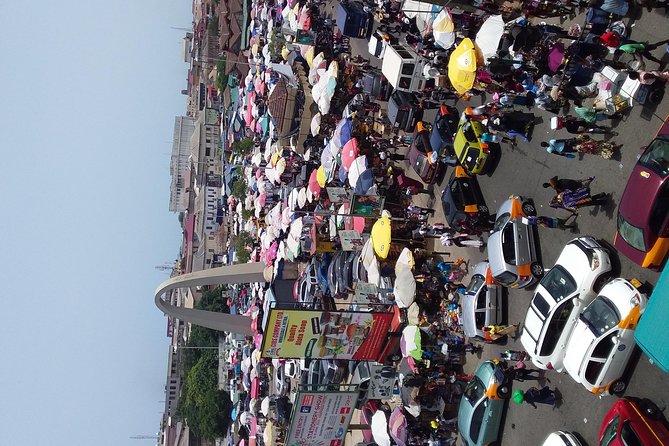
The final day returns you to Accra. The schedule again starts very early, then takes you to Makola Market, one of West Africa’s busiest open-air markets.
Makola is an energetic place to observe commerce, but this is not a quiet heritage stop. Keep close to your group and follow your guide’s advice. The supplied details do not promise a specific market route or shopping list, so think of the visit as a short introduction to city trade.
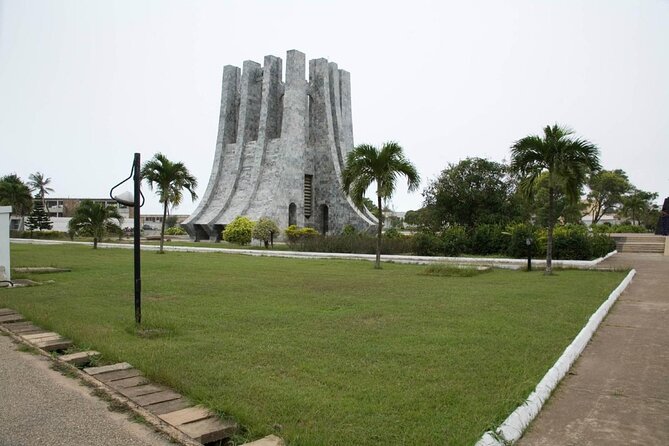
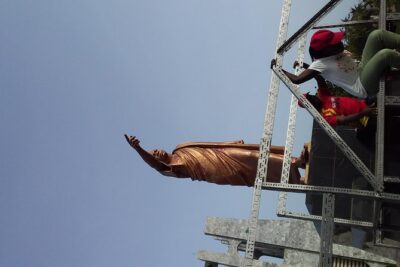
The Kwame Nkrumah Mausoleum is next. It is the final resting place of Dr. Kwame Nkrumah, Ghana’s independence leader and first president. This stop anchors the country’s modern political story after the colonial history of Cape Coast.
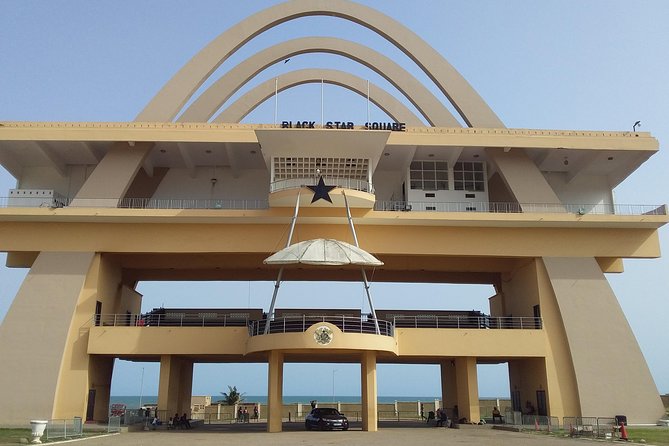
Independence Square follows, marking Ghana’s freedom from British colonial rule. Together, the mausoleum and square help connect the past day’s discussion of colonial exploitation with Ghana’s independence movement.
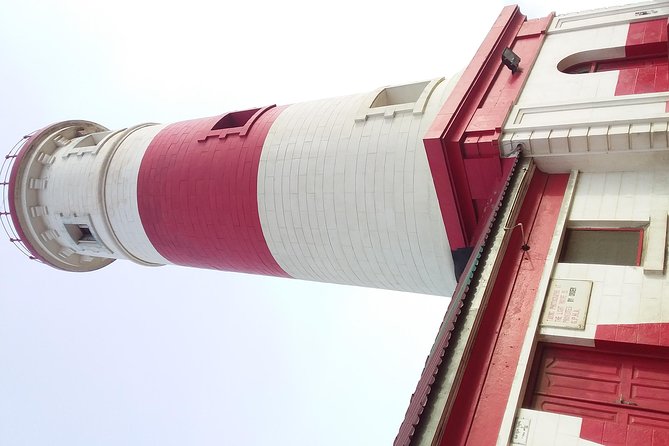
The British James Town area adds an older layer of Accra. It was the first British settlement in the city and includes the James Town Lighthouse and Usher Fort. The program does not say that entry to every structure is available, so ask your guide what you will enter and what you will view from outside.
The Art Center closes the sightseeing portion with stalls selling artwork. This is another chance to shop for Ghanaian crafts, but prices and product details are not specified. Compare items before buying and ask whether a piece is locally made if that matters to you.
Finally, the plan takes you to the airport two hours before check-in for a possible departure. I would not book a flight too tightly around that instruction. The day includes several city stops, and traffic can affect timing, even though no specific transfer duration is provided.
What the private format and price really offer
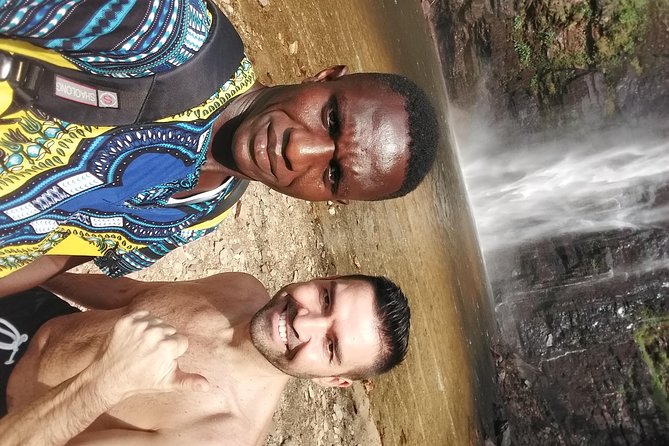
A private tour is the strongest practical feature. Only your group participates, so you avoid the fixed rhythm of a large bus and can ask about the Asante kingdom, Adinkra symbols, sacred monkeys, or Ghana’s independence story as they come up.
The price of $1,743.59 per person can make sense for someone who wants a prepared six-day route with a guide, driver, included admission, and visits across several regions. It is harder to judge as a bargain without confirmation about lodging, meals, fuel, and other costs.
The available feedback gives Big Ben and his team the clearest personal endorsement. One group used the company for several previous tours and then trusted the team with its entire Ghana experience. Another group praised the service across a six-day trip and donated school items to Boabeng-Fiema DA School, an encouraging sign that the operator can help connect visitors with local communities.
Those comments do not replace practical questions. Before booking, ask for the hotel list, meal arrangements, vehicle details, exact overnight locations, and the order of Days 3 and 4. Also ask how long you will spend at each major stop.
Who should choose this Ghana tour
I would choose this trip if you want a broad first visit to Ghana and prefer a planned route over arranging several regional transfers yourself. It suits people who care about culture, colonial history, independence history, craft traditions, and nature in equal measure.
It is also a good fit for a private group of friends or family. The comments about Big Ben and his team suggest that the company can work well with repeat clients and groups with a community-minded interest, such as school donations.
I would be more cautious if you dislike early starts, long drives, or tightly packed sightseeing. The 11-hour Cape Coast day is not a small detail, and the eight-hour nature days require stamina. The tour is described as suitable for most participants, but specific accessibility information is not provided.
Confirmation arrives at booking, and free cancellation is available up to 24 hours before the local start time. Changes or cancellations inside that window are not accepted for a refund.
FAQ
Where does the tour start?
It starts at Kotoka International Airport in Accra, Ghana. The stated start time is 8:00 a.m.
Where does the tour end?
The activity ends back at the meeting point. On Day 6, the plan takes you to the airport for a possible departure.
Is this a private tour?
Yes. Only your group participates in the activity.
Are admission tickets included?
Yes. Admission tickets are listed as included for the scheduled sightseeing days.
How long is the tour?
The tour lasts approximately six days. Individual sightseeing days are listed at about two, six, eight, eight, 11, and eight hours, depending on the day’s program.
What places are included?
The route includes Osu Oxford Street, Manhyia Palace Museum, Kumasi Culture Centre, Bonwire Kente Weaving Village, Ntonso, Ahwiaa, Boabeng-Fiema Monkey Sanctuary, Kintampo Falls, Tanoboase Sacred Grove, Cape Coast Castle, Kakum National Park, Makola Market, Kwame Nkrumah Mausoleum, Independence Square, British James Town, and the Art Center.
Can I cancel for a full refund?
You can cancel at least 24 hours before the experience’s start time for a full refund. Cancellations or changes made less than 24 hours before the start time are not accepted for a refund.
Should you book it?
Book this tour if your priority is breadth with local context. In six days, you get royal history, village crafts, sacred animals, caves, a waterfall, a UNESCO-listed castle, rainforest, markets, and Ghana’s independence sites. That is an impressive range for one private itinerary.
Do not book it expecting a relaxed pace. Ask the operator to confirm accommodation, meals, the Day 3 and Day 4 sequence, walking conditions, and the exact airport timing. If those details suit your plans, Bigbentours1gh offers a strong way to see far more of Ghana than an Accra-only visit.
More 6-Day Experiences in Accra
- 6 day Culture & History Tour in Ghana
★ 5.0 · 8 reviews
Most recently reviewed around Accra
- Visit Aburi Garden, Tetteh Quarshie Cocoa Farm & Waterfall★ 4.0 · 4 reviews
- Private 9-Day Tour in Ghana★ 5.0 · 2 reviews
- Wli Waterfalls, Mount Afadjato & Tafi Atome Monkey Sanctuary★ 5.0 · 2 reviews
- Cape Coast and Elmina castle Day Trip★ 5.0 · 2 reviews
- Culinary for Social Change-Cooking Class★ 5.0 · 2 reviews
- Time with Nature★ 5.0 · 2 reviews
- Private Slave Castles and Dungeons Tour in Cape Coast, Ghana★ 5.0 · 3 reviews
- Experience Accra★ 5.0 · 2 reviews
Historical Tours, compared.
Experience the Beauty, History and the Culture Of Accra in a Day
Read our review →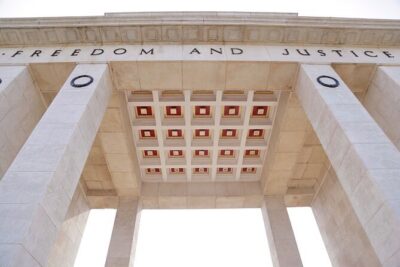

Full-Day Private Culture and History Tour of Accra
Read our review →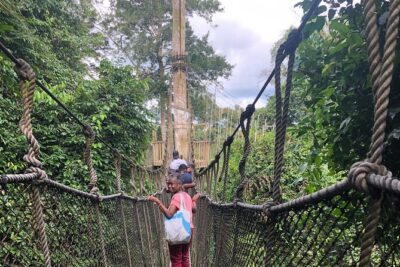
Ghana Private Historic Tour through Castles and Nature
Read our review →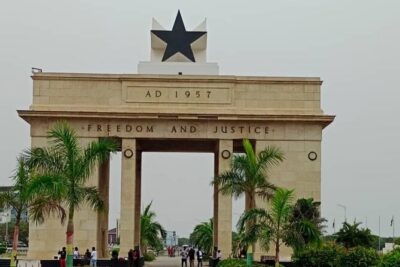
7-Day Private Cultural and Heritage Tour in Ghana
Read our review →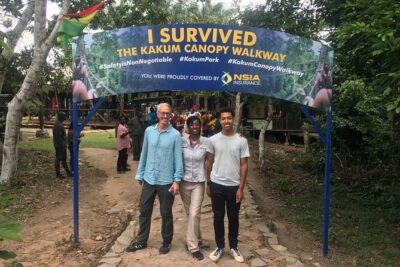
The Historic Cape Coast and Elmina Tour (The Land of History).
Read our review →Browse the lists this tour appears in