
Reviewed · HISTORICAL TOURS
Private Multi-Day Ghana Tour about Culture History and Wildlife – 7 Days
Ghana packs a lot into one week. This private tour links Accra, Kumasi, Elmina, Cape Coast, and Kakum National Park, giving you a broad first look at the country through its people, crafts, royal traditions, forts, forests, and food. I especially like the private format, which lets your group travel with its own driver and local guide, and the number of hands-on visits, from making Adinkra cloth to trying traditional batik printing. The main tradeoff is time: long road journeys connect the regions, and several days are full from breakfast through dinner.
I also like that the tour does not treat Ghana as only a history destination. You will see the Ashanti cultural center in Kumasi, walk through Kejetia Market, climb above the rainforest at Kakum, and meet craftspeople at bead, brass, Kente, and batik workshops. The $3,095 per-person price is substantial, but it includes accommodation, meals, airport transfers, a private air-conditioned vehicle, guides, fuel, and excursion fees, which makes the value easier to judge.
In This Review
- Six details that shape the experience
- Landing in Accra and meeting your guide
- Accra from the National Museum to Teshie
- Aburi Hills and the road to Kumasi
- Ashanti traditions in villages around Kumasi
- Kumasi’s palace, market, and Ashanti identity
- Kakum’s canopy walkway and the history of Cape Coast
- Fort Amsterdam and the final return to Accra
- What the $3,095 price includes
- Who should book this Ghana itinerary?
- Should you book this seven-day Ghana tour?
- FAQ
- Where does the Ghana tour begin?
- How long does the tour last?
- Is this a private tour?
- What destinations are included?
- Are meals included?
- Is accommodation included?
- Does the tour include wildlife viewing?
- What is the cancellation policy?
Six details that shape the experience

- Seven days, three major themes: The route combines Ghanaian culture, the transatlantic slave trade and colonial history, and rainforest wildlife.
- Private transportation throughout: Your group has an air-conditioned vehicle, an experienced driver, unlimited mileage, and mineral water.
- Real workshop visits: You can see beads, Kente cloth, Adinkra printing, brass casting, and batik made by local artisans.
- Two powerful castle visits: Cape Coast Castle and Elmina Castle provide difficult but important context about the enslaved African trade.
- A full Kumasi program: Ashanti shrines, Manhyia Palace, Kejetia Market, Kente weaving, and Adinkra cloth all feature here.
- Support from arrival to departure: Airport pickup, seven dinners, six breakfasts, six lunches, and 24/7 office support are included.
Landing in Accra and meeting your guide
Your trip begins at Kotoka International Airport, where a local representative meets you after customs. Look for the Ashanti African Tours sign outside the main terminal building. From there, the team handles the transfer to your accommodation and remains available throughout the trip.
The first day is intentionally light on sightseeing. That is sensible after an international flight, especially since the next morning begins a demanding city tour. You have the evening to settle in, eat, and rest.
The company’s past custom trips have included guides and staff such as Foster Frimpong, Richard, and Rosematilda. Foster has been praised for his work on specialist birding trips, while Rosematilda has handled trip planning and email communication. The useful takeaway is that the operator has experience adjusting trips around family needs, special interests, and longer multi-country journeys.
More Accra outings people pair with this:
- The Cape Coast Day Tour
★ 5.0 · 525 reviews - Experience the Beauty, History and the Culture Of Accra in a Day
★ 5.0 · 323 reviews - The Cape Coast Tour
★ 5.0 · 177 reviews
Accra from the National Museum to Teshie
Your first full day gives you a quick but varied introduction to Ghana’s capital. At the National Museum of Ghana, you see ethnographic displays from Ghana and other parts of West Africa. The adjoining sculpture garden adds an outdoor look at regional customs and traditional symbols.
The museum visit lasts about an hour, so do not expect a vast institution. Its value is orientation. It gives you basic context before you encounter Ashanti traditions, colonial forts, and local craft communities later in the week.
Next comes James Town, one of Accra’s oldest neighborhoods. A walking tour takes you past pre-independence structures, the British lighthouse built in 1871, Fort James from 1673, and the colorful fishing boats along the shore. This is a good place to see how history and ordinary city life share the same streets.
James Town is not polished for tourism, and that is part of its importance. You should expect a working coastal community rather than a tidy museum district. The two-hour visit may feel brisk if you want detailed photography or a slower look at the fishing activity.
Lunch is at Country Kitchen, with West African and continental choices. In the afternoon, you visit Black Star Square and Independence Square, where Ghana’s independence monument and the enclosed flame of African liberation recall the country’s break from colonial rule.
The Kwame Nkrumah Memorial Park follows. Nkrumah, Ghana’s first president and a key figure in African independence, is buried here. The museum contains photographs and objects from his life, while the Italian marble memorial and gardens provide a quiet change of pace after the city streets.
Nearby, the National Cultural Center offers a large outdoor arts and crafts market. You can browse fabrics and handmade goods from Ghana and other parts of West Africa. Bring patience and a sense of humor for bargaining. It is worth asking your guide about fair prices before you start shopping.
The final stop is Teshie Nungua, known for its fantasy coffins. These unusual coffins can be shaped like cars, airplanes, cocoa pods, beer bottles, crocodiles, shoes, or boats. The idea reflects the deceased person’s work, interests, or personality, while the funeral tradition itself combines solemnity with celebration after burial.
This is one of the tour’s most memorable cultural stops, but it also calls for respect. You are looking at a living funeral tradition, not simply an oddity for photographs. Your guide’s explanation matters here.
Aburi Hills and the road to Kumasi
Day three begins with a visit to TK Beads before you leave the Accra area. You see how traditional beads are made using old methods, then have the chance to buy examples from the onsite shop. Beads remain connected with wealth, beauty, festivals, and traditional durbars in Ghana.
The route then climbs into the Akuapem hills toward Aburi Botanical Gardens. Founded by the British in 1890, the gardens contain both local and introduced plant species. Your guide identifies trees and plants, including those with medicinal uses, and explains how they benefit local communities.
On a clear day, you can see toward Accra and Tema from the hills. The views are one of the day’s rewards, but the larger value is the plant knowledge. This is not a formal wildlife expedition, yet it adds useful context to Ghana’s flora before your rainforest visit.
A stop at the Aburi craft village adds drums, sculptures, and other handmade goods. Then you continue toward Kumasi, stopping for lunch in Koforidua, the capital of Ghana’s Eastern Region. You arrive in Kumasi in the early evening and have dinner before some free time.
This is a long transfer day. The private vehicle helps because you can travel at your own group’s pace, keep water close, and avoid switching between public transport services. Still, you should expect several hours on the road rather than a day of constant sightseeing.
Ashanti traditions in villages around Kumasi
Day four is the tour’s strongest day for living craft traditions. It begins with traditional Asante buildings that are recognized as UNESCO World Heritage Sites. The structures use bamboo, timber, mud, and thatched roofs, with wall designs based on Adinkra symbols.
Ten active shrines are found within the buildings. Your guide explains the symbols and the role of Nana Yaa Asantewaa, the Ashanti woman warrior associated with the 1901 war against the British. This visit gives you a much better sense of Ashanti identity than a quick palace tour alone.
At Adanwomase, you learn about Kente cloth, one of Ghana’s best-known art forms. Weavers work with traditional looms outside their homes, and the designs carry meanings and local associations. Some patterns are made only in this area.
I like this stop because it connects a famous Ghanaian product with the people who still make it. You are not just looking at finished cloth behind glass. You see the process and can speak with the community members whose families have woven Kente for generations.
Ntonso introduces Adinkra cloth. Artisans carve symbols into calabash shells, then use natural dyes made from tree bark to print the designs onto cloth. Adinkra has been used by the Ashanti for more than four centuries, including at funerals, festivals, and other important occasions.
You can make your own strip of Adinkra cloth using symbols with personal meaning. This is a small activity, but it gives you a physical reminder of the cultural lesson. It also makes the visit more personal than simply purchasing a souvenir.
After lunch, Sokoban Krofrom demonstrates traditional brass casting. The village produces beads, jewelry, statues, and other objects using methods that have continued across generations. You can watch the process and browse the finished work in local shops.
The day offers plenty of opportunities to buy crafts. Keep in mind that shopping is woven into many of these visits. If you are not interested in purchasing, tell your guide early so the stops remain focused on demonstrations and conversation.
Other history-led days around Accra:
- Ghana Heritage Tours – Beyond The Return
★ 5.0 · 36 reviews - 10 Days Ghana Cultural and Heritage Trip
★ 5.0 · 31 reviews - Cape Coast Historical Day Tour
★ 5.0 · 24 reviews - Full-Day Private Culture and History Tour of Accra
★ 5.0 · 23 reviews
Kumasi’s palace, market, and Ashanti identity
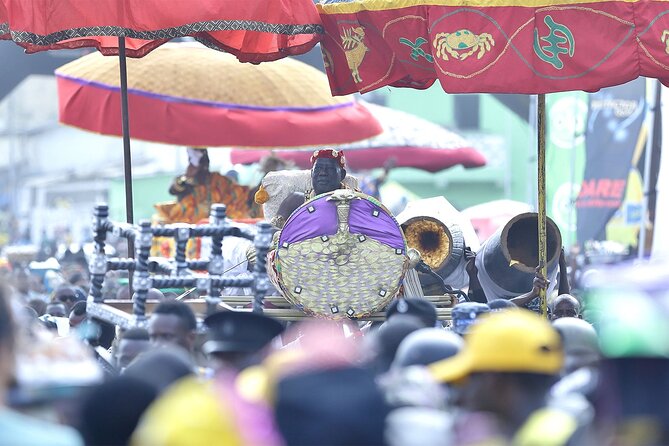
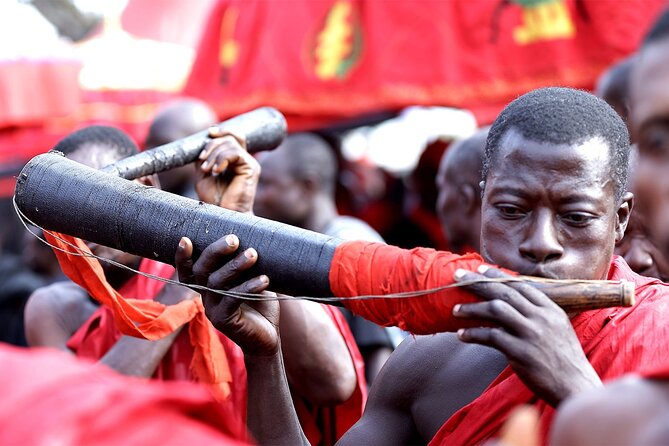
Day five starts with the Manhyia Palace Museum. The palace is linked with the Asantehene, the king of the Ashanti people and ruler of the Asanteman Kingdom. The museum explains Ashanti political history, royal traditions, and the legacy of the kingdom.
This is the best place on the route to connect the previous day’s village visits with the wider Ashanti state. The shrines, cloth, symbols, and brasswork make more sense once you understand the role of the king and the importance of Asanteman.
The National Cultural Centre is next, in one of Kumasi’s older suburbs. It offers more space for arts, crafts, and cultural displays. If you want fabric, carvings, jewelry, or other handmade items, this is another useful shopping opportunity.
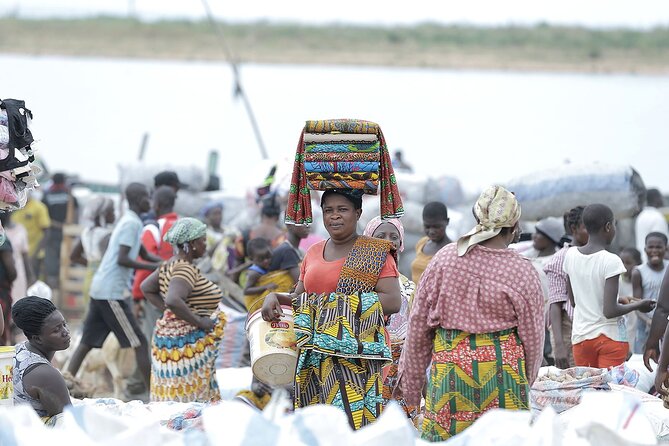
Kejetia Market gives you a different view of Kumasi. It is described as one of West Africa’s largest outdoor markets, with tightly packed stalls and trade continuing for much of the day. You can buy souvenirs, but the main reason to visit is to see everyday commerce in the city.
Market visits can be tiring. Crowds, noise, close stalls, and constant activity are part of the experience. Stay close to your guide, keep your belongings secure, and wear comfortable shoes.
After lunch, you travel south toward Elmina. The route includes Assin Manso, an important point along the routes used in the enslavement of Africans. The Ndonkor Nsuo, known as the Enslaved African River, adds a solemn historical dimension before the next day’s castle visits.
You reach Elmina in the early evening. The travel time makes this another full day, but arriving in the coastal region positions you well for Kakum and the castles on day six.
Kakum’s canopy walkway and the history of Cape Coast
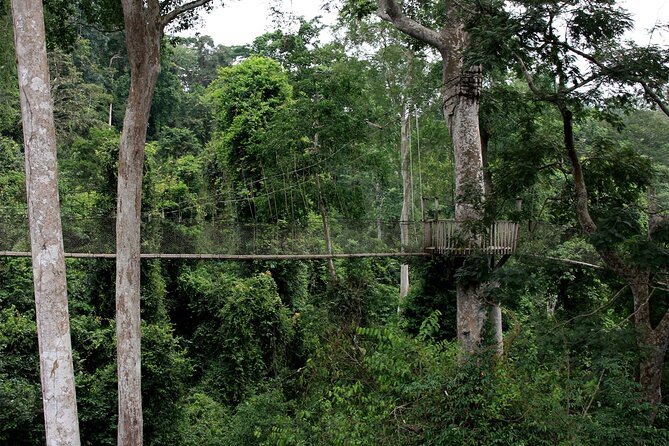
Day six starts early at Kakum National Park. The rainforest canopy walkway uses seven bridges attached to seven emerging trees, about 40 meters above the forest floor. You should be ready for movement underfoot and a strong sense of height.
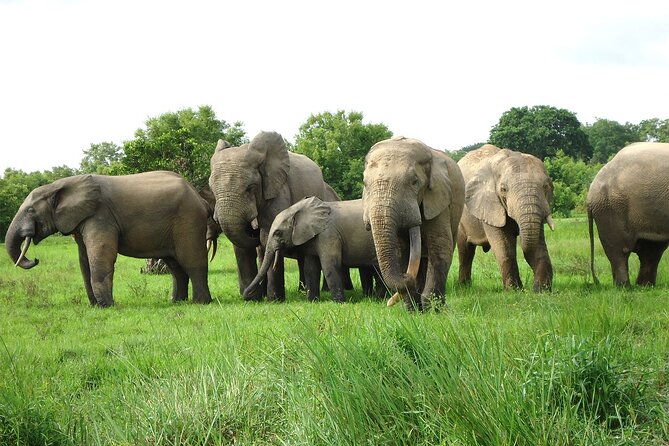
The walkway is the main wildlife highlight of the week. It gives you a view across the treetops rather than a conventional ground-level safari. More than 40 mammal species have been recorded in the park, including forest elephants, leopards, and six primate species, although the itinerary does not promise sightings.
At the park headquarters, an information center explains the forest’s plants and animals. A visit to the International Stingless Bee Project follows. Ghana has about nine identified species of stingless bees, and the center explains their environmental role, medicinal uses, and local importance.
This stop is easy to overlook when planning the trip, but I find it useful. It broadens the wildlife story beyond large mammals and shows how local conservation can involve small, essential species.
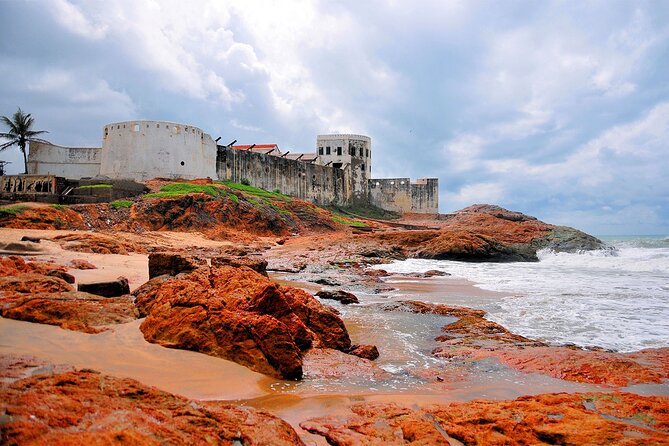
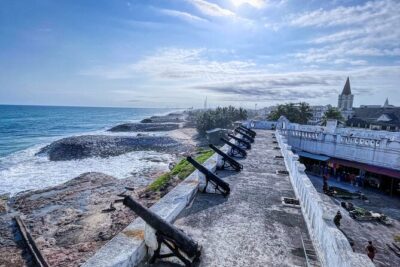
After lunch, Cape Coast Castle brings a sharp change in mood. The UNESCO-listed castle held more enslaved Africans captive than any other castle in West Africa, and the tour enters the dungeons and the Door of No Return. The museum inside explains the castle’s past and the wider history of Cape Coast.
Give this visit the attention it deserves. It is emotionally difficult, and the three-hour schedule allows more than a quick photo stop. The castle is not comfortable sightseeing, but it is an essential part of understanding Ghana and the Atlantic slave trade.
Later, Global Mamas provides a hands-on batik workshop connected with local women’s economic opportunities. You learn the process from heating wax and stamping designs to producing a finished cloth item. A piece of fabric is provided for you to make and take home.
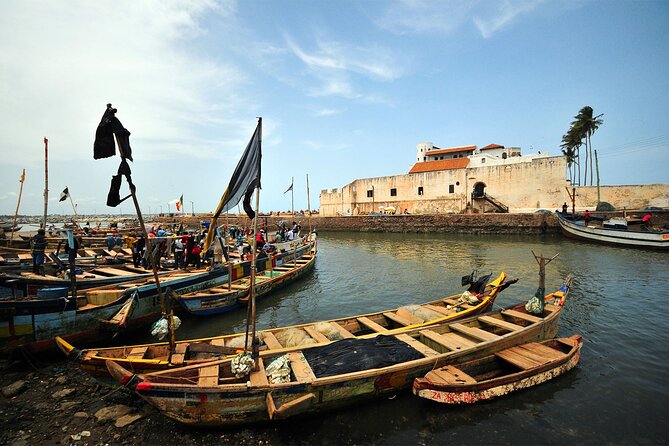
The day may include a second batik session with a local artisan, followed by a visit to Elmina’s fishing market and traditional boat builders. Wooden fishing boats remain central to the coastal community, and the workshop shows how they are made.
Finally, you visit Elmina Castle, also called St. George’s Castle. Dating from 1482, it is the oldest surviving colonial building in sub-Saharan Africa. Like Cape Coast Castle, it has a museum and UNESCO designation, but seeing both sites helps you compare their roles in the trade and colonial story.
Two castles in one day is historically valuable but emotionally heavy. If you prefer a slower pace, ask in advance if the schedule can be adjusted. The private format may make that conversation possible, though changes are not guaranteed.
Fort Amsterdam and the final return to Accra
The final morning is deliberately easier. You can swim, relax at the accommodation, or spend time on the beach before lunch overlooking the Gold Coast. This pause helps after the demanding castle and rainforest day.
On the coastal road back to Accra, you stop at Fort Amsterdam in Abandze. The British built it between 1631 and 1638, and it later became associated with Dutch control after the Dutch captured it in 1665. The fort adds another layer to the colonial and trading history you have been following.
Back in Accra, there may be time for Accra Mall and last-minute souvenirs. Dinner at a locally owned restaurant gives your group a final chance to talk over the week before the airport transfer.
The word may matters here. The return drive, road conditions, and flight time affect how much free time you actually have. Do not plan a major final purchase or a tight connection around the mall stop.
What the $3,095 price includes
At $3,095 per person, this is not a budget tour. It is priced as a private, multi-day package rather than a series of separate day trips.
Included are:
- Accommodation
- An air-conditioned vehicle
- An experienced driver
- An expert local guide available 24/7
- Airport transfers
- Fuel and unlimited mileage
- Mineral water
- Excursion fees
- Six breakfasts
- Six lunches
- Seven dinners
- Public liability and professional indemnity insurance
- 24/7 office support
The package is strongest for people who want one company to coordinate a complicated route. You avoid arranging separate hotels, drivers, admissions, meals, and intercity transport. The private vehicle and guide also matter in Ghana, where the route covers Accra, the Akuapem hills, Kumasi, Assin Manso, Elmina, Cape Coast, Kakum, and the return to Accra.
You still pay separately for your visa, international flights, and soft or alcoholic drinks. Ask for the accommodation details before booking, since the supplied information confirms lodging is included but does not name the properties or describe their facilities.
Who should book this Ghana itinerary?
I would recommend it most to a first-time visitor who wants a broad introduction without arranging every detail independently. Families can benefit from the private setup, especially since the company has adapted past trips for an eight-year-old child and built schedules around different interests.
It also suits people who care about culture and difficult history as much as scenery. You will have meaningful time at the castles, but the route does not turn Ghana into a memorial-only destination. Crafts, markets, gardens, food, royal history, beaches, and forest ecology keep the week varied.
Birdwatchers should note that this is not a dedicated birding tour. The company has experience with specialist birding trips, including guides such as Foster Frimpong, but this seven-day route focuses on general culture, history, and wildlife. If birds are your main goal, request a different itinerary.
You should think twice if you dislike long drives, early starts, shopping stops, or tightly planned days. The private format gives you more flexibility than a large group, but the distances cannot be removed from the map.
Should you book this seven-day Ghana tour?
Book it if you want Ghana’s major themes in one well-supported week: Accra’s independence story, Ashanti culture in Kumasi, the castles of the Central Region, and Kakum rainforest. I particularly value the village workshops and the chance to make Adinkra cloth and batik, because they turn cultural learning into something you can see and do.
Skip it if you want a slow beach holiday, a focused safari, or a trip built around one region. The $3,095 cost makes the most sense when you use the included private transport, guide, meals, accommodation, and admissions across the full route. Cancel at least three full days before the start time for a full refund. Poor weather or failure to meet the minimum number of participants can lead to a new date, an alternative experience, or a full refund.
FAQ
Where does the Ghana tour begin?
The tour begins with pickup at Kotoka International Airport in Accra. After customs, look for the Ashanti African Tours sign outside the main terminal building.
How long does the tour last?
The experience lasts approximately seven days, from arrival in Accra through the final airport transfer after returning from the Central Region.
Is this a private tour?
Yes. Only your group participates in the private tour or activity.
What destinations are included?
The route includes Accra, the Akuapem hills and Aburi, Kumasi, Assin Manso, Elmina, Cape Coast, Kakum National Park, Abandze, and the return to Accra.
Are meals included?
Yes. The package includes six breakfasts, six lunches, and seven dinners. Soft drinks and alcoholic drinks are not included.
Is accommodation included?
Yes. Accommodation is included, although the supplied tour details do not name the properties or describe their facilities.
Does the tour include wildlife viewing?
Yes. Kakum National Park includes a rainforest canopy walkway and information about mammals, primates, plants, and other forest life. The itinerary does not guarantee sightings of particular animals.
What is the cancellation policy?
You can receive a full refund if you cancel at least three full days before the experience start time. Cancellations or changes made less than three full days in advance are not accepted for a refund. The tour can also be rescheduled or refunded if poor weather or an unmet minimum number of participants causes cancellation.
More 7-Day Experiences in Accra
- 7-Day Private Cultural and Heritage Tour in Ghana
★ 5.0 · 17 reviews - 7 Day Artisanal Tour
★ 5.0 · 4 reviews - 7days/6nights Eco Tourism
★ 5.0 · 3 reviews - 7 Days Cape Coast and Nzulezo Stilt Village Tour
★ 5.0 · 2 reviews
More Wildlife in Accra
- 15-Day Ghana Wildlife Private Tour
★ 4.5 · 9 reviews - 9 Day Ghana Wildlife and Culture Tour
★ 5.0 · 5 reviews - Ghana 4-day Nature and Wildlife Adventure
★ 5.0 · 2 reviews - 5 Days Adventurous Wildlife Safari
★ 4.5 · 49 reviews
Most recently reviewed around Accra
- Visit Aburi Garden, Tetteh Quarshie Cocoa Farm & Waterfall★ 4.0 · 4 reviews
- Private 9-Day Tour in Ghana★ 5.0 · 2 reviews
- Wli Waterfalls, Mount Afadjato & Tafi Atome Monkey Sanctuary★ 5.0 · 2 reviews
- Cape Coast and Elmina castle Day Trip★ 5.0 · 2 reviews
- Time with Nature★ 5.0 · 2 reviews
- Culinary for Social Change-Cooking Class★ 5.0 · 2 reviews
- Private Slave Castles and Dungeons Tour in Cape Coast, Ghana★ 5.0 · 3 reviews
- Experience Accra★ 5.0 · 2 reviews
Historical Tours, compared.
Experience the Beauty, History and the Culture Of Accra in a Day
Read our review →

Full-Day Private Culture and History Tour of Accra
Read our review →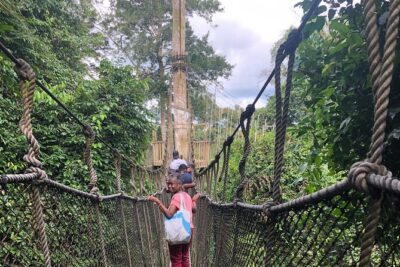
Ghana Private Historic Tour through Castles and Nature
Read our review →
7-Day Private Cultural and Heritage Tour in Ghana
Read our review →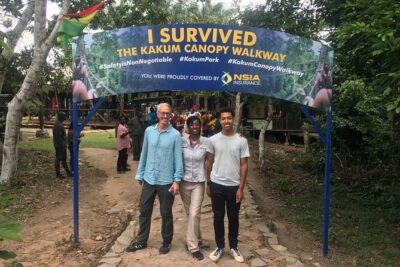
The Historic Cape Coast and Elmina Tour (The Land of History).
Read our review →Browse the lists this tour appears in