
Reviewed · CITY TOURS
Accra: City Highlights Half-day Guided Tour with Transfers
Accra tells Ghana’s story in five focused hours. I like the clear route through the Kwame Nkrumah Museum and W.E.B. Du Bois Centre, and I like that hotel transfers and admission fees are included. The main drawback is the craft market, where sales pressure can replace quiet browsing.
This is a useful first look at Accra, especially if you have limited time or want a guided introduction before exploring on your own. Guide Gian has been praised for being friendly and well prepared, though one recent pickup ran slightly late and one guide offered little information unless asked direct questions.
In This Review
- Five things to know before you go
- Is this Accra tour worth $100?
- Starting with a local view of Accra
- Kwame Nkrumah Memorial Park and Museum
- W.E.B. Du Bois Centre and Pan-African ideas
- Black Star Square and Ghana’s national symbols
- Shopping at the Ghanaian arts and craft market
- What the five-hour format really means
- Who will enjoy this tour most?
- Booking details that matter
- Should you book the Accra city highlights tour?
- FAQ
- How long does the Accra city tour last?
- What language is the guided tour offered in?
- Does the price include hotel pickup and drop-off?
- Are entrance fees included?
- Are meals included in the tour price?
- Does the tour include accommodation?
- Is the tour wheelchair accessible?
- Can I cancel the tour for a full refund?
- Can I reserve now and pay later?
Five things to know before you go
- Kwame Nkrumah’s independence site: The memorial park occupies the place where Ghana’s first president declared independence from British colonial rule.
- Pan-African history: The W.E.B. Du Bois Centre connects Ghana’s story to a wider movement for African unity and civil rights.
- Five hours with transport: Hotel pickup, drop-off, fuel, entry fees, and listed activities are covered in the $100 price.
- A real shopping stop: Kente cloth, beads, carvings, and other crafts are available, but bargaining and persistent sales pitches are part of the visit.
- A useful first orientation: The route gives you museums, national monuments, and a market rather than only sightseeing from a vehicle.
- Simple booking terms: You can cancel up to 24 hours before the tour for a full refund and reserve without paying immediately.
Is this Accra tour worth $100?
At $100 per person, this is not the cheapest way to see Accra. But the price includes transportation, fuel, entrance fees, guide support, the activities listed, and hotel pickup and drop-off. That makes the cost easier to judge, especially if you would otherwise need to arrange a car and pay admission separately.
I see the strongest value in the convenience. Accra is a large capital city, and moving between several cultural sites can take planning. Here, you have a five-hour route built around Ghana’s independence story and Pan-African thought. You also avoid spending part of your limited holiday time figuring out transport.
Meals and accommodation are not included. International airfare, of course, is also outside the price, and the tour does not cover sights that are not listed. If you want a food-focused day, extensive neighborhood walks, or a long market session, this will feel too narrow.
The tour works best as an introduction. You get enough context to recognize the importance of Nkrumah, Du Bois, and the national monuments. You do not get a full study of Accra, and five hours leaves little room for an unplanned stop.
More Accra outings people pair with this:
- The Cape Coast Day Tour
★ 5.0 · 525 reviews - Experience the Beauty, History and the Culture Of Accra in a Day
★ 5.0 · 323 reviews - The Cape Coast Tour
★ 5.0 · 177 reviews
Starting with a local view of Accra
The tour is designed around hotel pickup and drop-off, with transportation and fuel included. The exact starting time depends on availability, so check that before booking. Since the whole experience lasts five hours, your day remains open for another activity, dinner, or independent exploring.
The route gives you a useful sequence. You begin with the people and ideas behind Ghana’s independence and Pan-Africanism, then move toward national symbols and finish with shopping. That order makes sense: history first, souvenirs later.
The quality of the guiding matters here. One account describes Gian as warm, helpful, and well prepared. Another found the guide more useful when answering questions than when offering a steady flow of information. I would arrive with a few questions ready, such as how Nkrumah shaped Ghana’s independence, why Du Bois settled in Accra, and how the Black Star became a national symbol.
A slight pickup delay has been reported, but it was not described as serious. Still, if you have a flight or another fixed appointment afterward, leave a buffer. Traffic and city transfers can make a five-hour city tour feel less predictable than the clock suggests.
Kwame Nkrumah Memorial Park and Museum
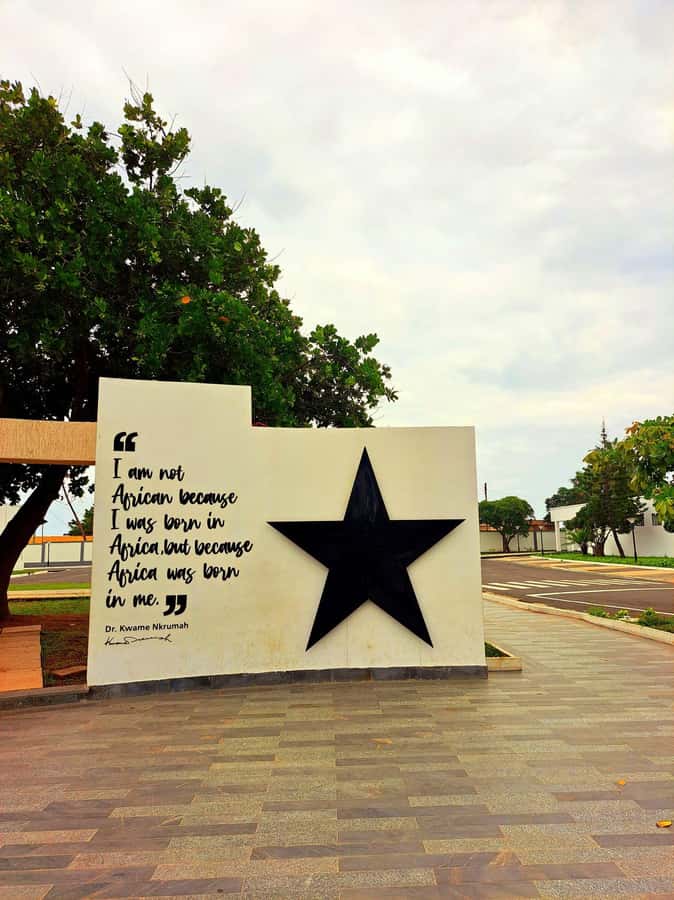
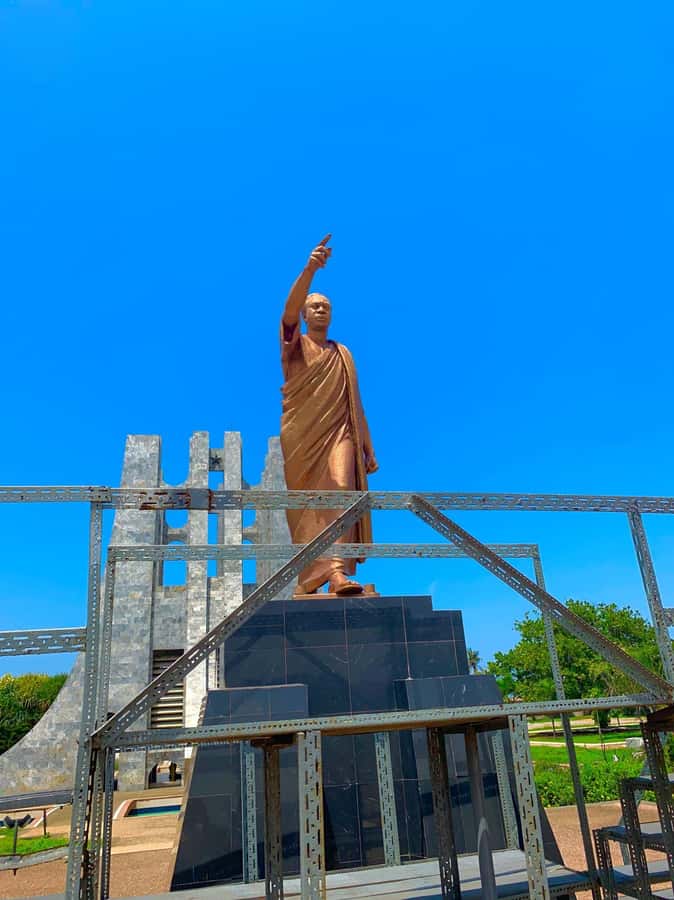
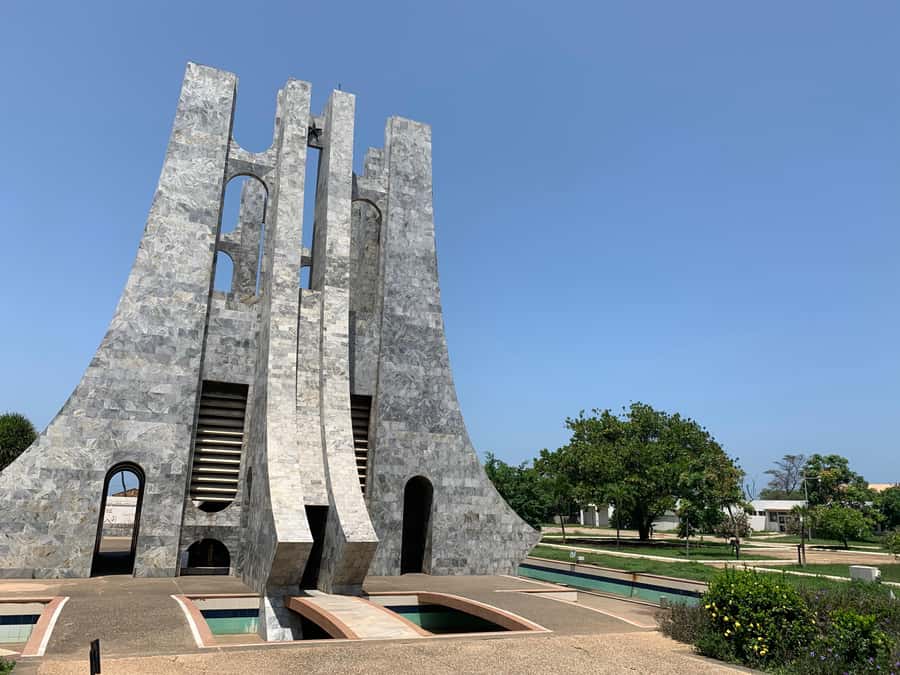
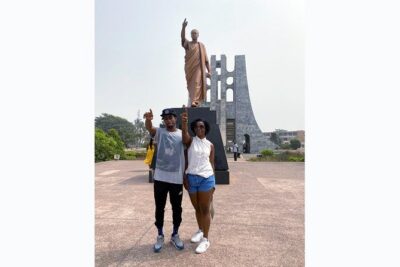
The Kwame Nkrumah Museum and Memorial Park is the emotional center of the tour. This is where Osagyefo Dr. Kwame Nkrumah stood to declare Ghana independent. The Gold Coast became Ghana in 1957, a major moment for the country and for African liberation movements.
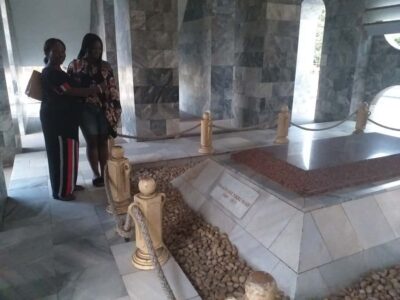
Nkrumah was Ghana’s first president and a major Pan-African figure. The park is also his final resting place. For you, that turns the visit from a general museum stop into a place tied directly to a national turning point.
Inside, you can expect personal effects, publications, photographs, and material from different stages of Nkrumah’s life. Images of him with prominent people from around the world help place Ghana’s independence within a larger political story.
I like this stop because it gives a face to a subject that can otherwise feel abstract. Independence is not just a date in a textbook here. It is connected to a person, a speech, and a public place.
The limitation is time. A five-hour tour must keep moving, so you may not have the freedom to study every display at length. If Nkrumah’s political life is a main interest, use the guide actively and ask for more detail. The visit is best understood as a strong introduction rather than a complete examination of his career.
W.E.B. Du Bois Centre and Pan-African ideas
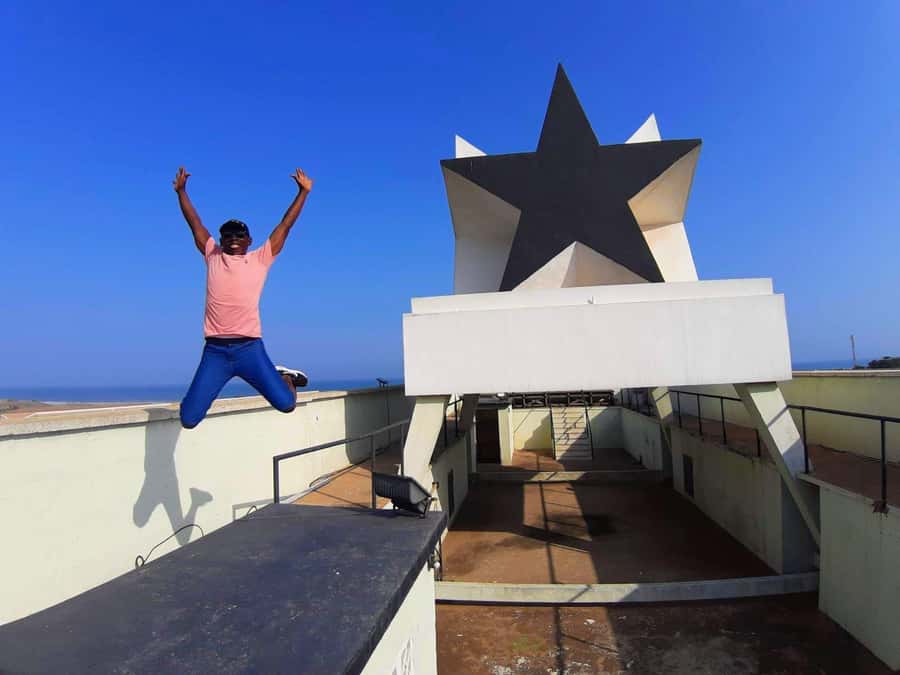
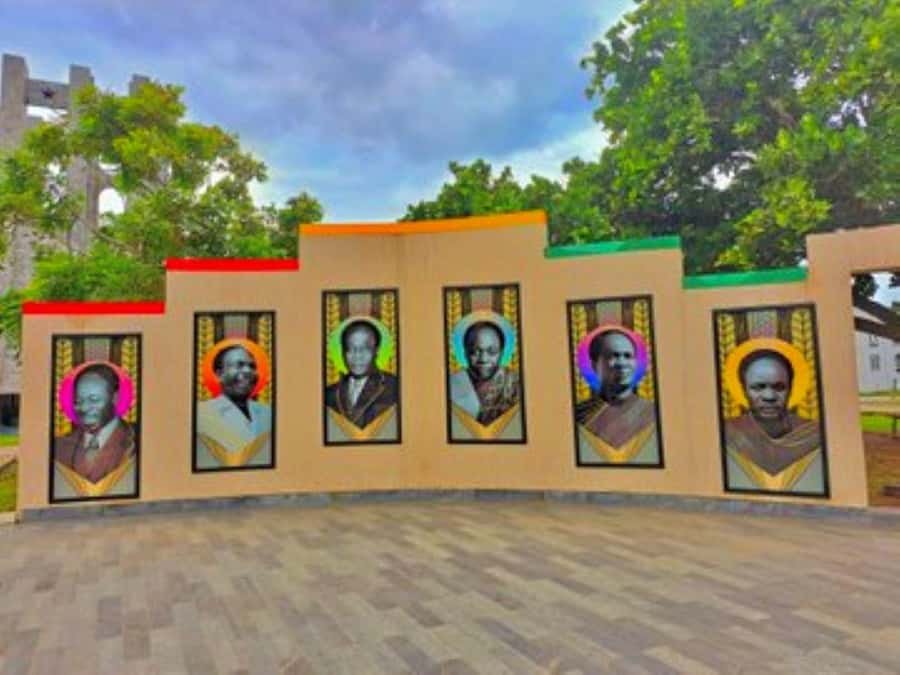
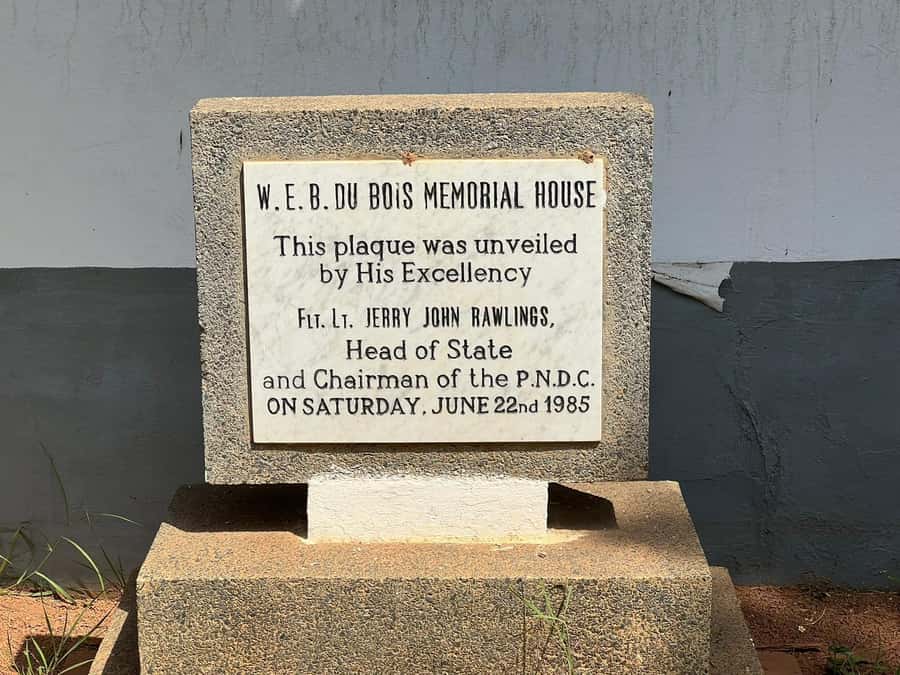
The W.E.B. Du Bois Centre adds a different voice to the story. William Edward Burghardt Du Bois was an African American civil rights activist and an important Pan-African thinker. He spent part of his later life in Ghana, where he lived at this site with his wife.
The centre contains his personal library, a museum, and a mausoleum where he and his wife were buried. It also functions as a research centre for Pan-African history and culture. That combination gives the stop unusual weight. You are not only looking at objects behind glass. You are visiting a former home, a memorial site, and a place linked to ongoing study.
I find this stop especially valuable for anyone who wants to understand why Accra became important beyond Ghana’s own borders. Nkrumah’s independence project and Du Bois’s Pan-African work meet here in a way that connects Ghana to the wider African diaspora.
The experience may depend heavily on the guide. Ask about Du Bois’s decision to move to Ghana, his connection with Nkrumah, and the meaning of the centre today. If you simply walk through without asking questions, you may come away with only a few names and dates.
The centre also slows the pace of the day. After the memorial park, it gives you a quieter setting for considering the ideas behind the monuments and national celebrations you see later.
A few other Accra trips we have written up
- Half-day Accra Guided Tour
★ 4.5 · 8 reviews - Half-day Accra Safari Tour
★ 4.5 · 6 reviews - Half-Day Guided Fabric Tour in Ghana
★ 5.0 · 3 reviews - Half-Day Private African Drumming Lessons with Pick Up
★ 5.0 · 3 reviews
Black Star Square and Ghana’s national symbols
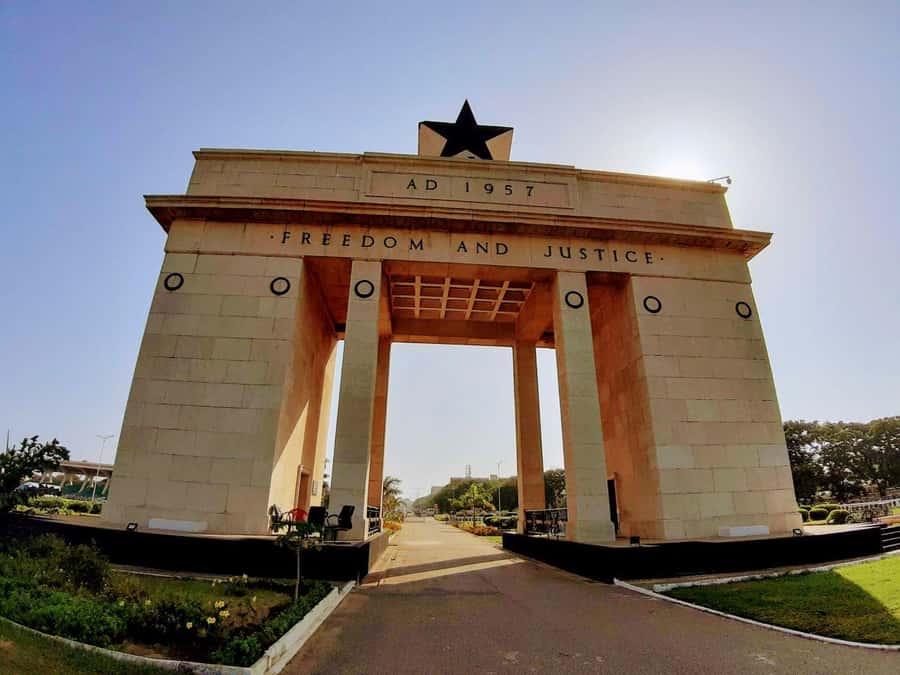
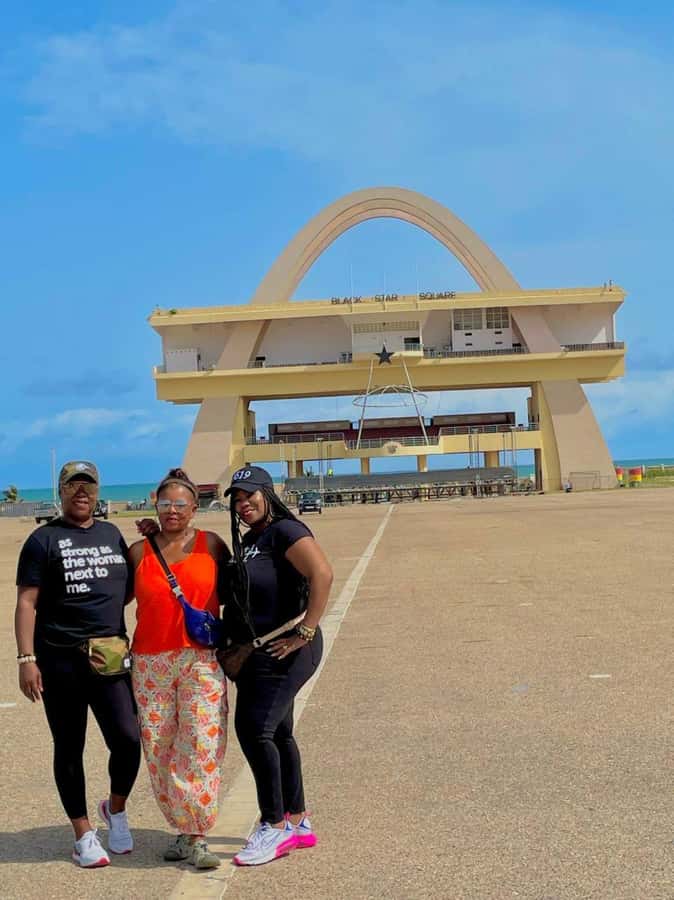
Black Star Square, also called Independence Square, is a large ceremonial space with viewing stands that can hold about 30,000 people. It was built under Nkrumah to mark independence and promote national unity and self-reliance.
The square was commissioned during Queen Elizabeth II’s visit to Ghana in 1961. It remains a setting for major national and commercial events. The scale matters. You are not visiting a small plaque or a single statue. You are seeing a public stage built for ceremonies, crowds, and national display.
Look for the Independence Arc, the Flame of Liberation, and the Black Star Monument. Each feature adds to the visual language of the square. The black star is particularly important as a symbol of African freedom and Ghana’s place in the independence movement.
This stop is more about space and symbolism than museum labels. You may spend less time here than at the two museums, but it gives you a sense of how Ghana presents its national story in public.
Do not expect a long guided walk through every part of the square. The information provided describes a visit to the site, not a detailed architectural tour. Your guide’s explanation will shape how much meaning you take from it, so ask what each monument represents.
Shopping at the Ghanaian arts and craft market
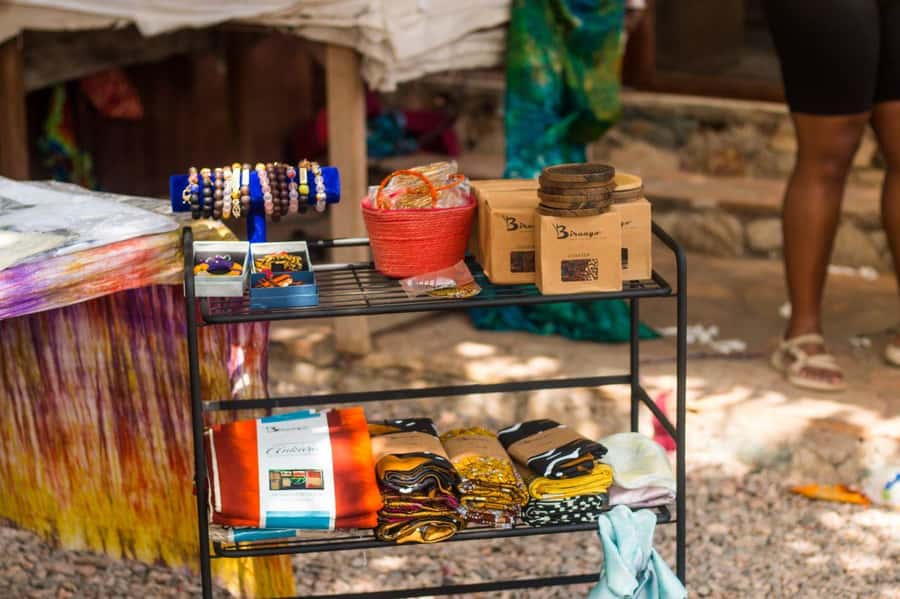
The arts and craft market is the final stop, and it changes the mood. After several hours focused on presidents, activists, independence, and national monuments, you can browse items made or inspired by Ghanaian culture.
You may find kente cloth, beads, carvings, accessories, and other souvenirs. The market is made up of many stalls, and similar pieces can appear at more than one shop. That gives you a chance to compare prices and designs, but it also means you should not feel obliged to buy from the first stall.
This is the part of the tour that requires the clearest expectations. Vendors are eager to make a sale and may try hard to persuade you. One recent experience found the market annoying because the pressure continued after the visitor said they only wanted to look. Another found it a good place for shopping.
My practical advice is simple: tell your guide early if you want to browse without buying. Set a spending limit before you enter. If you see a piece you like, compare it with similar items nearby, then bargain politely if that is part of the market’s normal buying process.
The market is a good fit if you want a tangible reminder of Ghana. It is less appealing if you dislike sales conversations or would rather spend more time at the museums. Since it is the final stop, you can at least leave with your purchases rather than carry them through the whole tour.
What the five-hour format really means
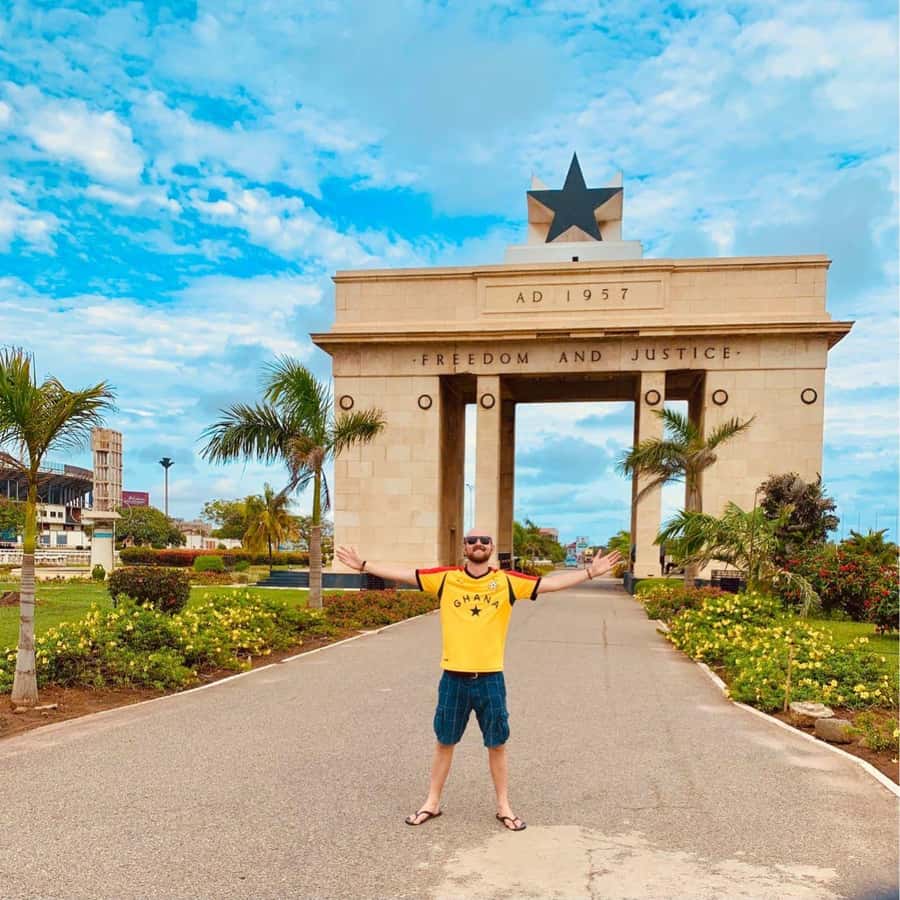
Five hours is enough for a well-shaped introduction, but not enough for every side of Accra. You will see four main stops with a clear theme: independence, Pan-African thought, national identity, and Ghanaian craft.
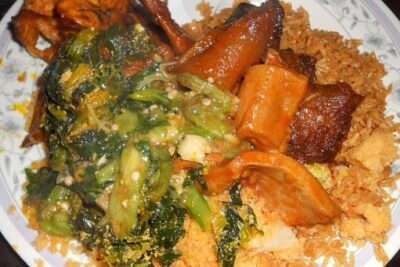
That focus is a strength. You will not lose the day to a long list of unrelated attractions. It is also a limit. The route does not include meals, accommodation, or sightseeing beyond the named sites. If a restaurant stop is added or offered, clarify what is included. One account found a lunch restaurant served only Western food, so anyone hoping for local Ghanaian dishes should ask before ordering or make separate food plans.
The tour is best for a first visit, a short stay, or a port-of-call style day when you want reliable transport and a basic city introduction. It also suits solo visitors. One solo participant described the experience as worthwhile and manageable alone.
Families and older visitors may appreciate the included transfers and wheelchair accessibility. The tour is offered in English, and the listed live guide language is English. If you need another language, the available information does not confirm that one can be arranged.
Who will enjoy this tour most?
I would recommend it to you if you want:
- A guided introduction to Ghana’s independence story
- A practical way to visit several central cultural sites
- Hotel pickup and drop-off
- Included entry fees and transport
- Time for a craft purchase
- A short activity that leaves part of the day free
- A solo-friendly way to get oriented in Accra
I would think twice if you want:
- Long, quiet museum visits
- A food-centered introduction to Ghana
- A relaxed market visit with no sales pressure
- A detailed tour of Accra beyond the four listed stops
- Plenty of time for spontaneous detours
The guide can make a large difference. Gian’s friendly manner and preparation have been praised, but the mixed guidance experience means you should participate rather than wait silently for a lecture. Good questions will help you get more from every stop.
Booking details that matter
The advertised price is $100 per person. Transportation, fuel charges, entrance fees, guide support, listed activities, and hotel pickup and drop-off are included. Meals, accommodation, international airfare, and any sightseeing not named in the route are not included.
The activity lasts five hours and is wheelchair accessible. It is offered with an English-speaking live guide. Starting times are subject to availability, so check the date and time before you commit to other plans.
You can cancel up to 24 hours in advance for a full refund. The reserve-now, pay-later option also helps if your schedule is still taking shape.
Should you book the Accra city highlights tour?
Book it if you want a compact, history-led introduction to Accra with transport and admission handled for you. The Kwame Nkrumah Memorial Park, W.E.B. Du Bois Centre, and Black Star Square give the day a serious purpose, while the craft market adds a chance to shop for kente, beads, or carvings.
Skip it if your priority is food, nightlife, extensive local neighborhoods, or an unhurried market visit. The best way to improve the experience is to ask questions at the museums and set firm boundaries at the craft stalls.
For $100, I see fair value for a first look at the capital, particularly for solo visitors and short-stay visitors. Just treat it as an orientation, not the final word on Accra.
FAQ
How long does the Accra city tour last?
The tour lasts five hours.
What language is the guided tour offered in?
The live guided tour is offered in English.
Does the price include hotel pickup and drop-off?
Yes. Hotel pickup and drop-off are included.
Are entrance fees included?
Yes. Entrance fees for the listed activities are included.
Are meals included in the tour price?
No. Meals are not included.
Does the tour include accommodation?
No. Accommodation is not included.
Is the tour wheelchair accessible?
Yes. The activity is listed as wheelchair accessible.
Can I cancel the tour for a full refund?
Yes. You can cancel up to 24 hours in advance for a full refund.
Can I reserve now and pay later?
Yes. You can reserve your place and pay later, allowing more flexibility with your plans.
Most recently reviewed around Accra
- Visit Aburi Garden, Tetteh Quarshie Cocoa Farm & Waterfall★ 4.0 · 4 reviews
- Private 9-Day Tour in Ghana★ 5.0 · 2 reviews
- Wli Waterfalls, Mount Afadjato & Tafi Atome Monkey Sanctuary★ 5.0 · 2 reviews
- Cape Coast and Elmina castle Day Trip★ 5.0 · 2 reviews
- Culinary for Social Change-Cooking Class★ 5.0 · 2 reviews
- Time with Nature★ 5.0 · 2 reviews
- Private Slave Castles and Dungeons Tour in Cape Coast, Ghana★ 5.0 · 3 reviews
- Experience Accra★ 5.0 · 2 reviews
City Tours, compared.
Escape Accra City to Aburi Gardens and Tetteh Quarshie Cocoa Farms
Read our review →
Browse the lists this tour appears in