
Reviewed · NAMING CEREMONY EXPERIENCES
The Ancestral Naming Ceremony and Home Coming Experience
Ghana gets personal here. This private day trip from Accra takes you into an Ewé community in the Volta Region, where traditional leaders welcome you with drumming, dancing, and a name linked to your birthday. I like the direct contact with village life, especially the chance to try clay pottery, and I like that lunch, bottled water, hotel transfers, and a private vehicle are included.
The main consideration is the long road day. The trip lasts about five to seven hours, and the route can include rough, potholed sections. You should also approach the ceremony with respect and an open mind. This is not a quick photo stop. For many people, receiving a traditional name becomes an emotional part of their time in Ghana.
In This Review
- Key Points to Know Before You Book
- Why This Accra Day Trip Feels Different
- Leaving Accra at 8:00 a.m.
- Arriving in the Volta Region and Meeting Traditional Leaders
- Village Life, Ewé Culture, and Clay Pottery
- Lunch Beside Lake Volta at Akosombo
- The Shai Hills Drive Back Toward Accra
- What the $265.39 Price Includes
- Who Will Get the Most From This Experience?
- Practical Advice for a More Respectful Visit
- The Emotional Side of the Naming Ceremony
- Should You Book the Home Coming Experience?
- FAQ
- Where does the Ancestral Naming Ceremony and Home Coming Experience take place?
- What time does the tour start?
- Where is the meeting point?
- How long does the experience last?
- Is transportation included?
- Is lunch included?
- What happens during the naming ceremony?
- Is this a private tour?
- What happens if the weather is poor?
Key Points to Know Before You Book

- Your name is connected to your birthday: Traditional leaders give you an African name during the welcome ceremony.
- The village visit is the heart of the day: Expect drumming, dancing, time with local people, and a look at everyday community life.
- Clay pottery adds hands-on value: You may get to shape a pot yourself, rather than only watching a demonstration.
- Lake Volta gives the day breathing room: Lunch beside Akosombo’s enormous lake breaks up the drive.
- Toufic is part of the experience: His prompt pickups, careful driving, cultural explanations, and calm presence receive especially strong praise.
- Bring cash: You may want to buy local crafts or make a donation to support heritage work in the community.
Why This Accra Day Trip Feels Different
Many Accra outings focus on monuments, markets, or major landmarks. This one is more personal. You are not simply looking at Ghanaian culture from the outside. You are invited into a community setting and given a traditional name as part of the welcome.
That difference matters most if you are visiting Ghana as part of a family, cultural, or African diaspora journey. The ceremony is designed for people seeking a sense of return and reconnection, but you do not need to arrive with a detailed family tree to appreciate it. You can take part respectfully, ask questions, and listen.
The setting is also important. The day begins in Accra, but it quickly moves toward the countryside and the Volta Region. The change from city streets to quieter roads helps make the ceremony feel like a real departure from normal sightseeing.
I would not book this expecting a polished stage show. The appeal is the community welcome, the human contact, and the meaning attached to the naming. That also means the experience may feel more serious and personal than a standard half-day tour.
More naming ceremony experiences in Accra:
- Traditional Naming Ceremony and Boat Cruise Experience
★ 5.0 · 15 reviews - Naming Ceremony and Heritage Homecoming Experience for Diasporas
★ 4.5 · 15 reviews - Kumasi Heritage Tours And Naming Ceremony In A Day
★ 5.0 · 11 reviews
Leaving Accra at 8:00 a.m.
Pickup begins at 8:00 a.m. from Osu, Accra, or from your Accra hotel or residence if arranged through the tour. You travel in an air-conditioned vehicle, with the activity ending back at the starting point.
The private format is a useful advantage. Only your group takes part, so you do not have to share an intimate moment with a busload of strangers. You can ask Toufic questions during the drive, talk through what will happen, and set the pace of the conversation around your own interests.
The road portion is part of the day, not just dead time. Toufic is praised for being prompt, professional, courteous, and careful behind the wheel. He also shares cultural information along the route, which helps you understand the places you are passing rather than simply watching them through a window.
Still, keep your expectations practical. The drive can include potholes, and the schedule may stretch depending on road conditions. If you get carsick, prepare accordingly. The tour includes bottled water, but you may want to bring any personal snacks or medication you need for a full road outing.
Arriving in the Volta Region and Meeting Traditional Leaders
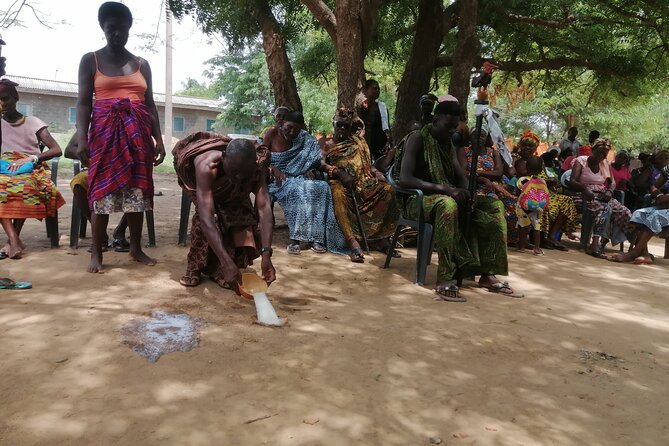
The village arrival is expected around 10:00 a.m. The first formal act is a courtesy call on the chiefs and traditional leaders of the community.
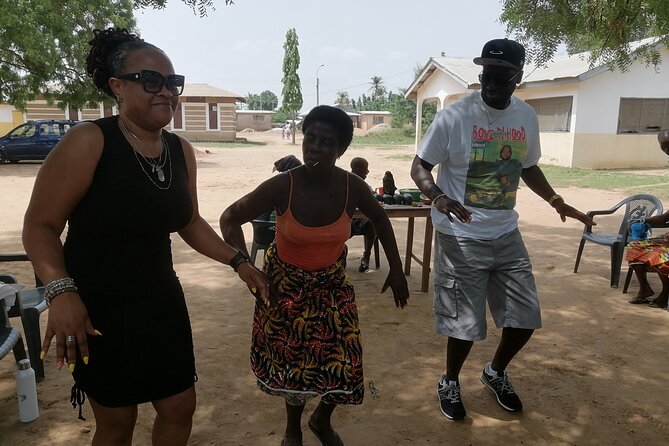
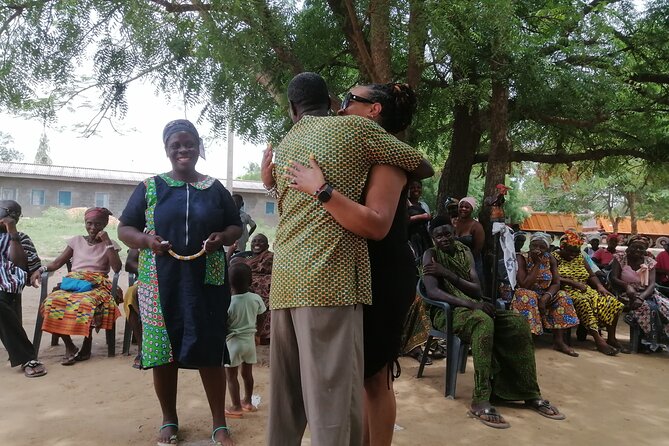
You are welcomed with drumming and dancing before receiving a traditional African name based on your birthday. This is the central event of the day, and the atmosphere is meant to feel like a homecoming rather than a lecture.
The naming ceremony can be joyful, but it can also bring up strong feelings. Several visitors describe the moment as exciting, touching, restorative, or emotional. That response makes sense, especially for people whose families left Africa generations ago or who grew up with only fragments of ancestral connection.
Your guide’s role matters here. Toufic remains with the group and helps explain what is happening. His warm manner and ability to answer questions are among the strongest parts of the experience. He gives you context without turning the ceremony into a classroom exercise.
You should dress and behave with respect. The supplied information does not set out a formal dress code, so the safest choice is modest, comfortable clothing suitable for a rural community and warm weather. Ask before photographing people, especially elders and children. A good cultural visit depends on courtesy as much as curiosity.
Village Life, Ewé Culture, and Clay Pottery
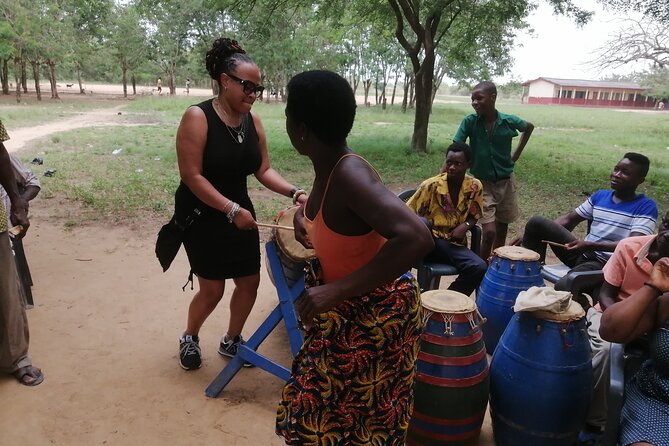
The community is described as Ewé, and the village portion lasts roughly three hours. This gives you more time than a brief cultural stop, although the exact order of activities can vary.
You may see children, elders, and other members of the community going about daily life. The point is not to create a staged village display. You are given time to interact, observe, and take part in activities connected with local traditions.
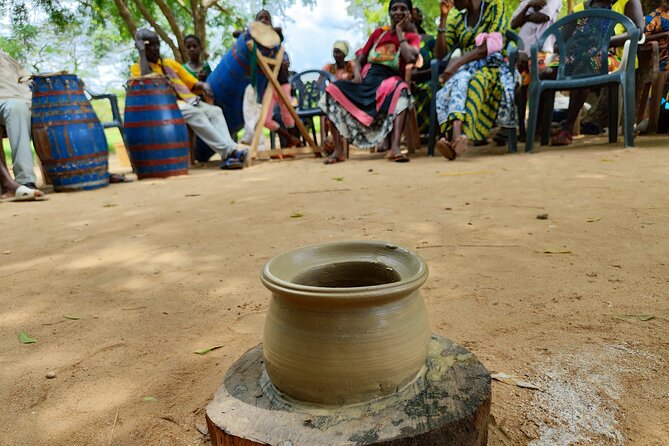
Clay pottery is one of the most memorable hands-on elements. Instead of merely taking a photograph of a craftsperson, you may have a chance to make a clay pot yourself. One visitor described this as a particularly enjoyable part of the day, and it gives you a better feel for the patience and skill involved in the craft.
The pottery activity also adds balance to the ceremony. The naming is symbolic and personal. Working with clay is physical and relaxed. Together, the two parts create a fuller visit, with time for reflection, conversation, and simple participation.
You should not expect to leave with a finished professional pot unless the process allows for it. The value is in trying the craft and meeting the people who preserve it. Bring cash if you want to purchase local crafts or donate to community efforts that help protect cultural traditions.
More Accra outings people pair with this:
- The Cape Coast Day Tour
★ 5.0 · 525 reviews - Experience the Beauty, History and the Culture Of Accra in a Day
★ 5.0 · 323 reviews - The Cape Coast Tour
★ 5.0 · 177 reviews - From Accra: Cape Coast, Elmina Castle & Kakum Park Day Tour
★ 4.6 · 144 reviews
Lunch Beside Lake Volta at Akosombo
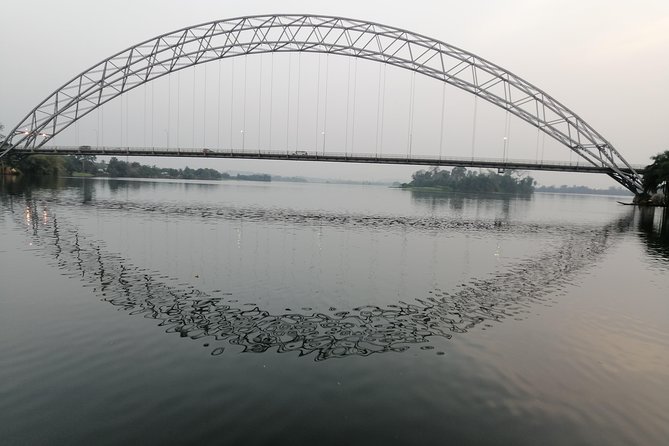
After the village visit, the route continues to Akosombo and Lake Volta. Lunch is included at a lakefront restaurant, and this stop usually takes about two hours.
Lake Volta is one of the defining sights of the day. It is described as the largest man-made lake in Africa and the second-largest in the world. The broad water views offer a calm change after the ceremony and the road journey.
I like this stop because it keeps the tour from feeling one-note. You get culture, countryside, food, and a major Ghanaian geographical sight in one outing. The lake is also a good place to sit, eat, and talk through what you have just experienced.
Lunch and bottled water are included, which improves the value of the $265.39 per-person price. Alcoholic drinks are not included, so bring extra money if you want one. The provided details do not specify the exact lunch menu, so you should not book this expecting a particular dish.
The Akosombo stop is scenic, but it is not presented as a boat trip or a water-sports outing. If you want a cruise on Lake Volta, you would need to arrange that separately. Here, the lake is a view, a meal setting, and a peaceful pause in the day.
The Shai Hills Drive Back Toward Accra
On the return route, the tour can pass through Shai Hills, the closest national game park reserve to Accra. You may see baboons along the road and stop for photographs before continuing back to the city.
The wording matters: this is a possible roadside wildlife sighting, not a full safari. You should not book the trip mainly to see animals. Baboons may appear, but sightings are not guaranteed, and the stop is primarily a photo opportunity.
One unusual detail from the experience is the chance to feed baboons along the road, but you should follow the guide’s instructions carefully and avoid treating wild animals like tame pets. The supplied details do not explain a formal wildlife visit or entry into the reserve, so expect a brief stop rather than an extended game drive.
Even so, Shai Hills gives the return journey a final point of interest. After a morning focused on heritage and a midday pause at the lake, the possible baboon sighting adds a bit of Ghanaian roadside character.
What the $265.39 Price Includes
At $265.39 per person, this is not a bargain-priced city excursion. The value comes from the number of services bundled into a private, full-day outing.
Included are:
- Round-trip pickup from your Accra hotel or residence
- Private transportation in an air-conditioned vehicle
- Lunch
- Bottled water
- All fees and taxes
- The village ceremony and listed activities
You are paying for a dedicated vehicle, a guide who stays with you, the community welcome, the naming ceremony, the countryside route, and lunch at Lake Volta. For someone who places high value on cultural connection and personal attention, that package can make sense.
The price is harder to justify if your main goal is a cheap sightseeing loop. You are not paying only for transport to Akosombo. The core value lies in the ceremony and the access to a community setting, and that value depends on your interest in the subject.
Group discounts are available, which can help if you are traveling with family or friends. The private format also makes this appealing for couples, relatives, and small groups who want to share the moment without being folded into a large coach tour.
Who Will Get the Most From This Experience?
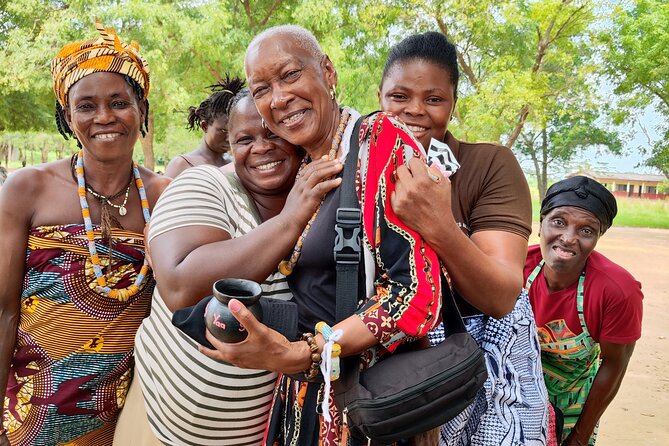
I would recommend this outing most strongly to people with a personal interest in African heritage, ancestry, or diaspora identity. It is especially suited to first-generation visitors from families connected to the Caribbean, the United States, Haiti, and other parts of the African diaspora.
You do not need to identify as part of the diaspora to take part. Anyone who approaches the community with respect can learn from the welcome, the craft work, and the setting. Still, the naming ceremony will probably mean more to you if you are looking for a personal connection rather than a checklist of sights.
The tour also suits people who prefer private trips. You can ask questions freely, spend time with your own group, and rely on a guide who has been praised for safe driving and thoughtful assistance.
It may not suit you if you dislike long drives, rural roads, emotional ceremonies, or loosely timed days. The village and lake stops are the main attractions, while Shai Hills is an added possibility rather than the reason to book.
Practical Advice for a More Respectful Visit
Keep cash with you for local crafts and donations. These purchases can give you a tangible reminder of the day while helping support efforts to preserve local heritage.
Start the day with enough time and patience. The tour leaves at 8:00 a.m., and the return can vary because the stated duration is approximately five to seven hours. Road conditions and the time spent at the community may affect the schedule.
Bring comfortable clothing, water beyond the supplied bottle if you prefer to drink often, and a phone or camera for the lake and countryside. Ask permission before taking photographs of people or during ceremonial moments.
The activity requires good weather. If poor weather causes cancellation, you can choose another date or receive a full refund. Otherwise, you can cancel for a full refund up to 24 hours before the start time. Changes or cancellations within 24 hours are not accepted for a refund.
The tour is near public transportation, but pickup is offered from the stated Accra meeting area and hotels or residences. Most people can participate, and confirmation is provided when you book.
The Emotional Side of the Naming Ceremony
The strongest reason to choose this tour is not the pottery or the lake. It is the feeling of being welcomed by a community and receiving a name with cultural meaning.
That experience can be joyful, but it may also touch grief, family memory, or questions about identity. You should allow yourself time after the ceremony to process it. The schedule includes Lake Volta afterward, which gives you a quieter setting to think and talk.
The ceremony is not a substitute for genealogical research. A birthday-based traditional name is a cultural welcome, not proof of a specific family lineage. It can still become a meaningful part of your trip, provided you understand what it is and do not expect it to answer every question about your ancestry.
This distinction helps keep the experience honest. You are receiving a name and a welcome from a community, while also learning through respectful contact. That is valuable on its own.
Should You Book the Home Coming Experience?
Book it if you want a personal cultural encounter, not just another Accra day trip. The combination of the Ewé community welcome, birthday-based naming ceremony, clay pottery, Lake Volta lunch, and private transport gives the day a clear sense of purpose.
I especially like the care provided by Toufic, the chance to meet traditional leaders, and the fact that the outing includes more than a staged performance. The five-star rating from 30 submitted ratings and a 100 percent recommendation rate support the impression of a well-received experience, particularly for people returning to Ghana in search of connection.
Think twice if you want a short, tightly timed tour or a guaranteed wildlife experience. The road can be rough, the schedule can run long, and the emotional nature of the ceremony is not for everyone.
For a family, couple, or small group visiting Ghana with heritage on their minds, this is one of the more meaningful ways to spend a day outside Accra. Bring cash, leave room in your schedule, and arrive ready to listen.
FAQ
Where does the Ancestral Naming Ceremony and Home Coming Experience take place?
The experience begins in Accra and travels to a village in the Volta Region, followed by a stop at Akosombo and Lake Volta before returning to Accra.
What time does the tour start?
The tour starts at 8:00 a.m.
Where is the meeting point?
The stated meeting point is in Osu, Accra, Ghana. Pickup is also offered from an Accra hotel or residence.
How long does the experience last?
The experience lasts approximately five to seven hours.
Is transportation included?
Yes. Round-trip transportation in an air-conditioned vehicle is included, and the activity ends back at the starting point.
Is lunch included?
Yes. Lunch at a lakefront restaurant near Lake Volta is included.
What happens during the naming ceremony?
You make a courtesy call on the chiefs and traditional leaders of the community, receive a welcome with drumming and dancing, and are given a traditional African name based on your birthday.
Is this a private tour?
Yes. Only your group participates in this private activity.
What happens if the weather is poor?
The experience requires good weather. If it is canceled because of poor weather, you can choose a different date or receive a full refund.
Most recently reviewed around Accra
- Visit Aburi Garden, Tetteh Quarshie Cocoa Farm & Waterfall★ 4.0 · 4 reviews
- Private 9-Day Tour in Ghana★ 5.0 · 2 reviews
- Wli Waterfalls, Mount Afadjato & Tafi Atome Monkey Sanctuary★ 5.0 · 2 reviews
- Cape Coast and Elmina castle Day Trip★ 5.0 · 2 reviews
- Culinary for Social Change-Cooking Class★ 5.0 · 2 reviews
- Time with Nature★ 5.0 · 2 reviews
- Private Slave Castles and Dungeons Tour in Cape Coast, Ghana★ 5.0 · 3 reviews
- Experience Accra★ 5.0 · 2 reviews
Naming Ceremony Experiences, compared.
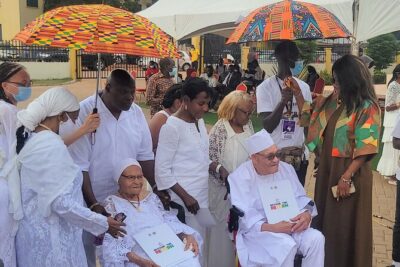
Naming Ceremony and Heritage Homecoming Experience for Diasporas
Read our review →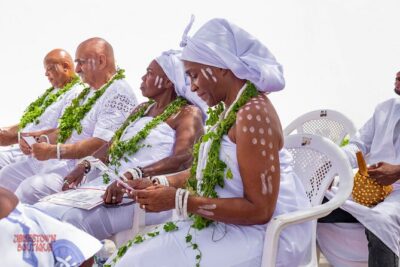
Traditional Naming Ceremony and Boat Cruise Experience
Read our review →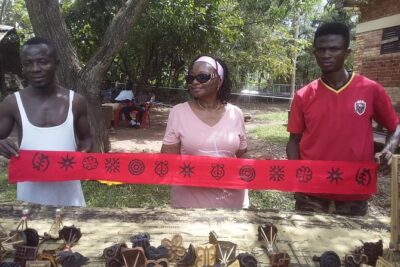
Kumasi Heritage Tours And Naming Ceremony In A Day
Read our review →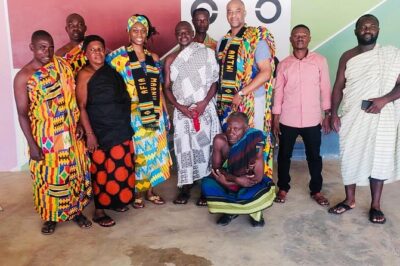
Traditional naming ceremony For African Diasporas in Kumasi
Read our review →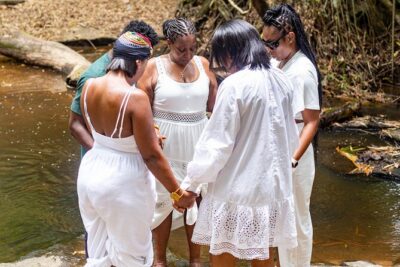
Naming Ceremony, Assin Manso Slave River and Cape Coast Castle
Read our review →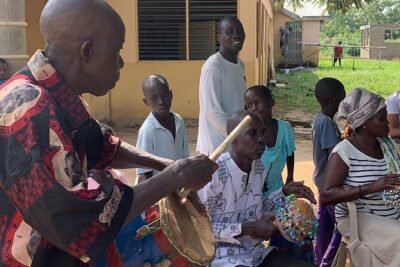
Cultural Village Tour: Traditional Naming Ceremony
Read our review →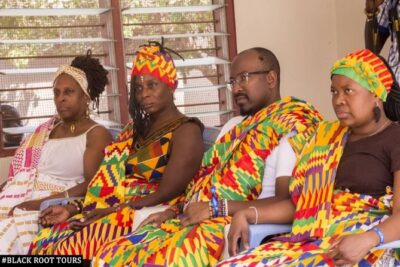
Traditional Naming Ceremony For African Americans In Kumasi
Read our review →
Full Day Tour with Traditional Naming Ceremony in Kumasi
Read our review →Browse the lists this tour appears in