
Reviewed · GHANA
Half Day Tour of Nkyinkyim Museum
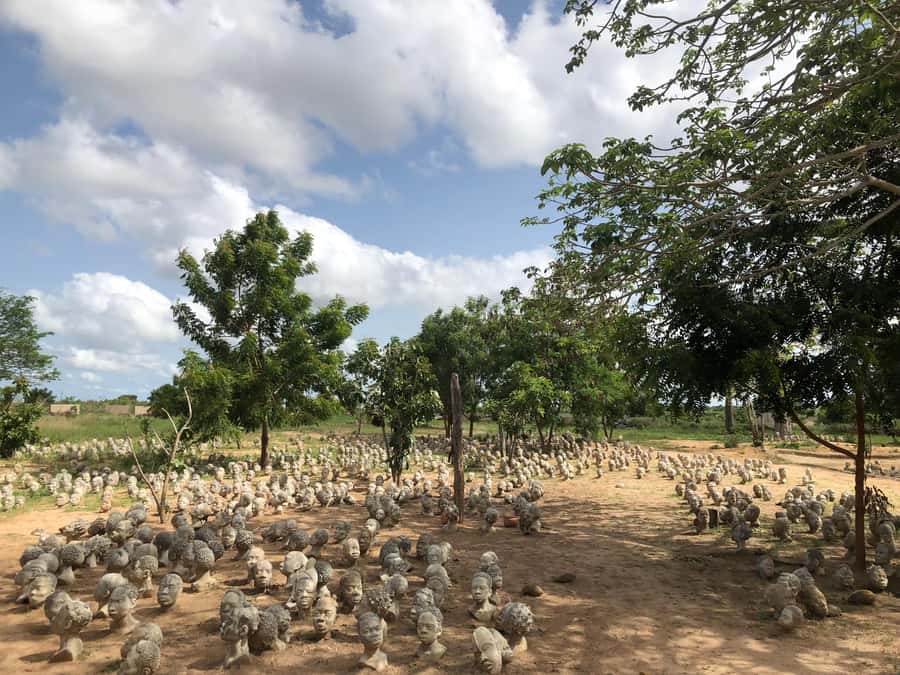
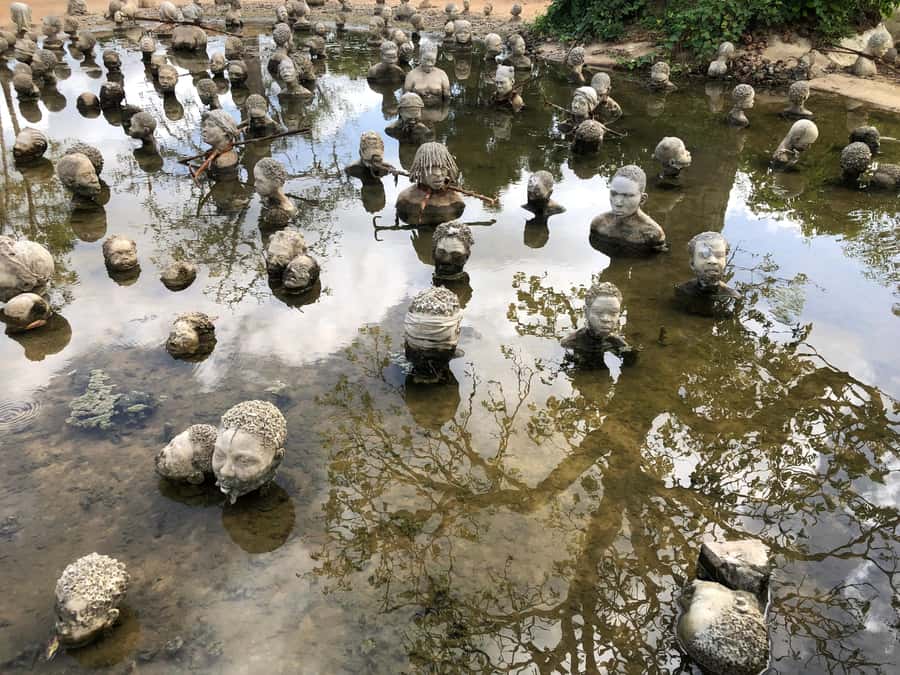
Art tells the story here. The Nkyinkyim Museum uses handmade sculptures, oral history, and traditional settings to explain Ghana’s connection to the Trans-Atlantic Slave Trade. I like the open-air setting beneath Baobab trees, and I like that the experience gives you an artist’s view of African life rather than only a formal museum presentation. The main thing to consider is the $150 per person price, which is easier to justify for a private group than for a solo visitor.
You’ll travel from Accra in an air-conditioned private car with an English-speaking guide, then return to the city after about six hours. Isaac has been praised for making the day both cultural and fun, while the driver helped turn the long ride into part of the experience by pointing out extra sights along the way. Lunch is not listed as included, so plan for that separately.
In This Review
- Key Points Before You Go
- Why This Museum Visit Feels Different
- Leaving Accra in a Private Car
- Reading the Stories at Nkyinkyim Museum
- The Baobab Trees and Traditional Display
- The African Ancestral Wall in Prampram
- Ada Foah, the Atlantic, and the Return Ride
- Is $150 Per Person Good Value?
- Who Will Enjoy This Tour Most?
- Practical Details That Matter
- Should You Book the Nkyinkyim Museum Tour?
- FAQ
- Where does the tour begin?
- How long does the experience last?
- What language is the tour offered in?
- Is the tour private?
- What is included in the price?
- Is lunch included?
- Can I cancel the tour?
- Is the tour wheelchair accessible?
Key Points Before You Go
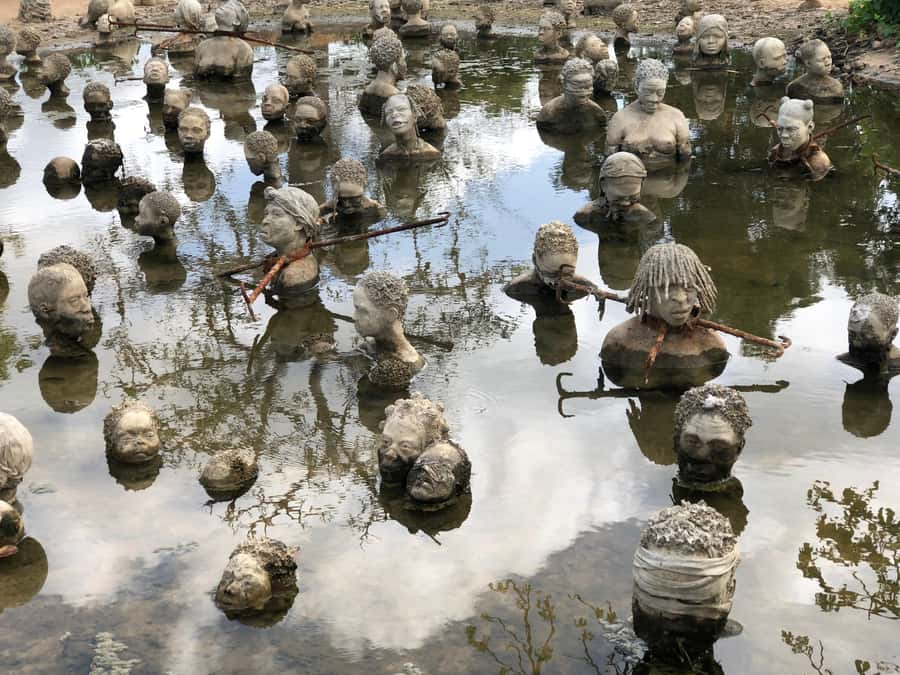
- Nkyinkyim Museum uses sculpture as storytelling: Clay and cement figures explain Ghanaian life and the painful history of enslavement.
- Baobab trees shape the setting: The outdoor displays sit beneath large trees in a traditional arrangement, giving the visit a calm, memorable feel.
- Prampram adds an ancestral art stop: The African Ancestral Wall honors major African ancestors through large painted portraits.
- Isaac is the named guide: His personal attention is especially useful for a private visit and for asking questions about Akan traditions.
- A private car makes the six-hour outing easier: Pickup is available from your chosen location in Accra, with air conditioning and bottled water included.
- The Atlantic view adds a strong finish: A previous visitor especially valued seeing the ocean at lunch, although lunch itself is not part of the stated package.
Why This Museum Visit Feels Different
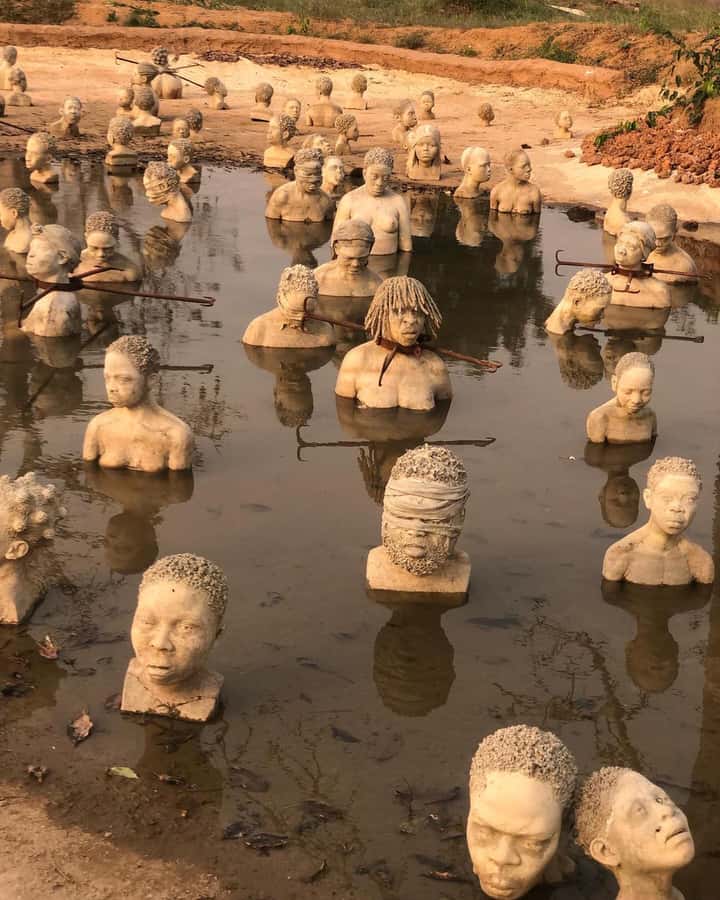
Many cultural tours in Ghana focus on forts, castles, or major city sights. This one takes a more personal route. At Nkyinkyim Museum, an artist has used physical artworks to tell stories about the slave trade, African customs, and the way people understood their place in the world.
That matters because a sculpture can make a difficult subject easier to approach. You are not only reading dates or listening to a broad account of history. You are looking at figures made by hand and hearing how the artist interprets the lives, beliefs, and suffering connected to them.
The museum is also designed as an artistic environment rather than a standard indoor gallery. Sculptures made from clay or cement are displayed outdoors in a traditional mode, under majestic Baobab trees. The setting gives you room to pause and look closely. It also means the visit is tied to weather and uneven outdoor conditions, so comfortable clothing and sensible shoes are wise.
I like this combination of art, setting, and storytelling. It gives the museum a clear point of view. You should not expect a neutral textbook account covering every part of Ghanaian history. Instead, expect a guided interpretation shaped by an artist and the stories connected to the work.
What readers look at next on a Ghana trip:
- The Cape Coast Day Tour
★ 5.0 · 525 reviews - Experience the Beauty, History and the Culture Of Accra in a Day
★ 5.0 · 323 reviews - The Cape Coast Tour
★ 5.0 · 177 reviews
Leaving Accra in a Private Car
The tour begins with pickup in Accra at a location of your choice. You travel in an air-conditioned private car, and bottled water is included. For a six-hour outing, those details are more important than they may sound. Ghana’s heat can make a long drive tiring, and a private vehicle gives you more control than a large shared coach.
A private group also changes the tone of the day. You can ask Isaac to explain a sculpture again, slow down when something catches your eye, or focus more on art, family traditions, or the history of enslavement. That flexibility is one of the strongest reasons to consider the price.
The drive is still part of the day, so do not think of this as a quick museum visit in central Accra. The schedule is built around a half-day excursion, with time for travel, a guided stop, and the return journey. The listed route mentions Ada Foah, while the main description also identifies the African Ancestral Wall in Prampram. Since the supplied details do not give a precise road sequence, confirm the day’s exact route and stops when you book.
One especially useful detail comes from the experience of a solo female visitor. She spoke with the owner before the tour to clarify what to expect, then found Isaac helpful and the driver efficient. If you are traveling alone, that is a good reason to use the booking conversation to confirm pickup details and the planned schedule in advance.
Reading the Stories at Nkyinkyim Museum
The heart of the visit is the museum’s use of artwork to tell stories about the infamous Trans-Atlantic Slave Trade. You can expect the guide to connect the sculptures with Ghanaian experiences and with the larger story of African people being taken across the Atlantic.
The value here is the human scale. A figure made from clay or cement can represent a person, a role, a memory, or an event. When the guide explains the work, you gain a way to think about history through everyday lives rather than only through political events.
The museum also presents an artist’s view of African life. This is useful if you want more than a standard sightseeing stop. You can listen for the ideas behind the figures: how people lived, how family and community worked, and how the past remains connected to the present.
The tour description places special weight on the way Akans connected with their ancestors in their homes. That part gives the visit a cultural focus beyond the slave trade itself. You learn how beliefs about ancestors shaped home life and how memory could remain part of ordinary routines.
I would give yourself time to listen carefully here. This is not a stop where you simply walk around, take a few pictures, and leave. The guide’s explanation is central. Without it, the sculptures may be interesting but difficult to interpret.
The open-air format has both strengths and limits. You get a beautiful setting and a direct connection between art and nature. At the same time, heat, sun, or rain could affect your comfort. The museum’s scenery is part of the appeal, but it also makes the experience less controlled than an indoor gallery.
The Baobab Trees and Traditional Display
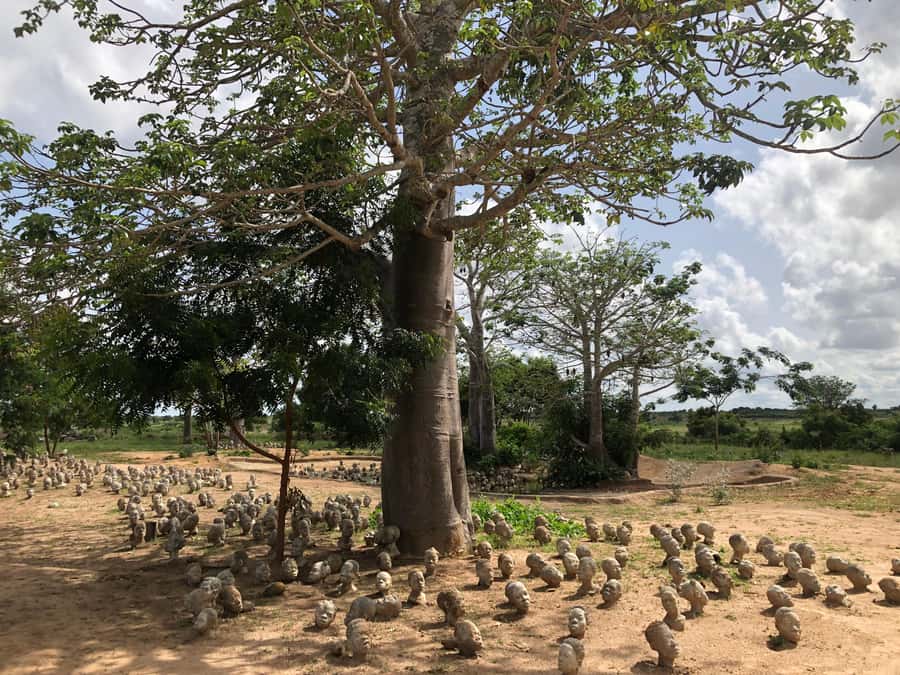
The Baobab trees are more than a pleasant background. They give the museum a sense of place and help the sculptures feel connected to older African visual traditions. The figures are displayed under the trees in a traditional mode, rather than arranged like objects in a polished modern exhibition hall.
That setting will appeal to you if you enjoy art that feels tied to the ground, the weather, and the community around it. The work is handmade, and the materials are plainly stated: clay and cement. You can expect texture, weight, and visible craft rather than delicate gallery pieces behind glass.
I like that the museum does not separate the art from the environment. The trees, sculptures, and spoken stories work together. You are seeing an artist’s constructed world, not just a collection of unrelated objects.
Still, keep your expectations realistic. The provided details do not promise a large indoor museum, extensive written labels, or a long list of formal exhibits. The strength is the guided experience and the setting. If you prefer highly organized galleries with detailed printed information, this may feel simple.
Further from Ghana, and a different kind of day:
- From Accra: Cape Coast, Elmina Castle & Kakum Park Day Tour
★ 4.6 · 144 reviews - Accra Detailed City Tour
★ 4.5 · 118 reviews - Accra Guided City Tour Experience
★ 4.7 · 88 reviews - Accra Guided City Tour Experience
★ 5.0 · 76 reviews
The African Ancestral Wall in Prampram
The African Ancestral Wall, located in Prampram, adds a second artistic focus to the day. Its walls carry large portraits honoring important African ancestors. This stop shifts your attention from three-dimensional sculpture to painted public art.
The idea is direct and powerful. Instead of leaving African history as a distant subject, the wall places respected figures in a visible, shared space. You can look at the portraits while listening to the stories of Ghanaian descent and the people who shaped African life.
This stop is especially useful if you want to connect the museum’s themes with a broader sense of African identity. The Nkyinkyim sculptures focus on stories told through an artist’s outdoor work. The wall uses portraits to honor ancestors and public figures. Together, the stops create a wider picture of memory, identity, and cultural pride.
The exact time spent at the wall is not specified, so the balance between the museum, Prampram, and any Ada Foah visit may vary. Ask for the planned order and timing if one stop matters most to you. That is particularly sensible for photographers or anyone with limited time in Accra.
Ada Foah, the Atlantic, and the Return Ride
Ada Foah appears in the stated itinerary as a guided visit lasting about 1.5 hours. The wider description focuses on Nkyinkyim Museum and Prampram, so you should confirm how Ada Foah fits into your particular departure schedule.
One visitor especially enjoyed seeing the Atlantic Ocean at lunch. That view may be one of the day’s most pleasing contrasts: after listening to serious stories about history and ancestry, you have a chance to look out over the water and take in Ghana’s coast.
Do not assume that lunch is included. The package lists entrance fees, guide services, private transport, and bottled water, but not a meal. Ask where lunch will happen and budget for it separately. The ocean view is an appealing addition, but the museum remains the main reason to book.
The return drive can also be more interesting than a simple transfer. The driver was praised for making the ride efficient and for pointing out extra sights on the way back. Since no specific sights are named, treat those added stops as possible bonuses, not guaranteed attractions.
Is $150 Per Person Good Value?
At $150 per person, this is not a bargain-priced museum outing. The value depends heavily on group size and what you want from the day.
For a private group, the price covers several useful pieces: entrance fees, a guide, an air-conditioned private car, bottled water, and pickup from a chosen Accra location. You are paying for transport as well as the cultural visit, and private service usually costs more than joining a large shared group.
For a solo visitor, the price is harder to justify unless you place a high value on personal attention and private transport. The positive side is that you can ask questions freely and avoid the compromises of a shared schedule. The less positive side is that one person carries the full per-person cost.
I would consider it worthwhile if you want a focused cultural outing and prefer a private car to arranging transport yourself. It is less attractive if you are mainly looking for a low-cost day trip or a quick art stop.
The current rating is 5.0 from two ratings, which is encouraging but still a small sample. The strongest praise centers on Isaac’s care, the driver’s efficiency, the enjoyable cultural experience, and the Atlantic view at lunch. Those are meaningful strengths, but I would still confirm the exact schedule before paying, especially because the supplied route names both Ada Foah and Prampram.
Who Will Enjoy This Tour Most?
I would recommend this experience to you if you enjoy guided interpretation, handmade art, and difficult history presented through personal stories. It is also a good fit if you want to learn about Akan connections with ancestors and see culture expressed outside a standard city museum.
Solo visitors may appreciate the private format and the option to clarify plans before pickup. Isaac’s role appears especially important, since the quality of the day depends on how well the sculptures and stories are explained.
Families and small private groups may also find the format practical. The car, pickup service, and flexible conversation make it easier to shape the day around the group’s interests. The six-hour length gives you time for more than a rushed photo stop, though younger children may find the subject matter serious.
This is not the best choice if you want a tightly timed list of major monuments or a tour built mainly around food and beaches. The ocean view is a welcome part of the outing, but the core experience is art, ancestry, and historical memory.
Practical Details That Matter
The tour lasts about six hours and begins with pickup in Accra. An English-speaking guide leads the experience, and the activity is offered for private groups.
You can cancel up to 24 hours before the start time for a full refund. You can also reserve now and pay later, which helps if your Accra schedule is still shifting. The tour is listed as wheelchair accessible, though the outdoor display format means you should confirm the surfaces and access arrangements for your specific needs.
Bring comfortable clothing suited to warm outdoor conditions. Bottled water is provided, but you may want extra water, sun protection, and shoes that handle outdoor paths. Since lunch is not included, plan for that cost and ask about the expected lunch stop.
If you have a specific interest, tell Isaac at the start. You might want more detail about the slave trade, Akan ancestor traditions, the making of clay and cement sculpture, or the portraits on the Ancestral Wall. A private tour gives you a good chance to guide the conversation.
Should You Book the Nkyinkyim Museum Tour?
Book it if you want a thoughtful, art-led look at Ghanaian culture and the legacy of the Trans-Atlantic Slave Trade, with private transport from Accra. The Baobab setting, handmade sculptures, African Ancestral Wall, and strong personal attention from Isaac give the outing a clear purpose.
Think twice if $150 per person feels high for a half-day or if you need a perfectly clear, tightly published route. Confirm whether your day includes Ada Foah, Prampram, the Atlantic lunch view, and how much time is planned at each stop.
For the right reader, this is less about ticking off sights and more about listening to how an artist turns memory into public art. That makes it a worthwhile choice for a culturally focused day outside Accra.
FAQ
Where does the tour begin?
Pickup is provided from a location of your choice in Accra.
How long does the experience last?
The tour lasts approximately six hours.
What language is the tour offered in?
The live guide service is offered in English.
Is the tour private?
Yes. The activity is offered for a private group.
What is included in the price?
Entrance fees, guide services, an air-conditioned private car, and bottled water are included.
Is lunch included?
Lunch is not listed among the included services. A previous experience included seeing the Atlantic Ocean at lunch, but you should plan to pay for lunch separately.
Can I cancel the tour?
Yes. You can cancel up to 24 hours in advance for a full refund.
Is the tour wheelchair accessible?
Yes. The activity is listed as wheelchair accessible. Because the museum uses an outdoor display area, confirm access details for your particular needs before departure.
Most recently reviewed around Ghana
- Visit Aburi Garden, Tetteh Quarshie Cocoa Farm & Waterfall★ 4.0 · 4 reviews
- Kumasi City Tour★ 4.5 · 3 reviews
- Full Day Tour with Traditional Naming Ceremony in Kumasi★ 5.0 · 4 reviews
- 3 Days Elephants Safari at Mole Park with Round – trip flights★ 5.0 · 3 reviews
- Kejetia Market Tour and Traditional Food Cooking Class.★ 5.0 · 2 reviews
- Kumasi Culture and Heritage Tours★ 4.5 · 3 reviews
- Discover kumasi Tours★ 5.0 · 3 reviews
- Private Half-Day City Tour of Kumasi with Lunch★ 5.0 · 2 reviews