
Reviewed · CITY TOURS IN KUMASI
Private Half-Day City Tour of Kumasi with Lunch
Kumasi reveals its story one stop at a time. This four-hour private tour brings together the Okomfo Anokye Sword Site, royal museums, and huge Kejetia Market, with lunch and private transport included. I like the personal format and the chance to shape the visit around your interests. I also like that the owner is a policeman and places clear emphasis on safety. The main drawback is pace: four major stops in four hours leave little room for lingering.
You meet at 9:00 a.m. at the sword site, though pickup is offered, and return there at the end. Guides such as Daniel and Kodua have earned praise for being friendly, flexible, polite, and helpful. Still, confirm the pickup plan and lunch details before setting out, since the tour description does not specify the restaurant or meal.
In This Review
- Key points to know before you go
- A compact introduction to Kumasi and Asante culture
- The Okomfo Anokye Sword Site and the story of unity
- Manhyia Palace Museum and the former royal home
- Prempeh II Museum and everyday royal customs
- Kejetia Market, Kumasi’s great commercial center
- Lunch, private transport, and the $90 price
- Safety and the value of a private guide
- How to make the four hours work well
- Who should book this Kumasi tour?
- Should you book the Private Half-Day City Tour of Kumasi?
- FAQ
- How long does the Kumasi city tour last?
- What time does the tour begin?
- Where does the tour start and finish?
- Is pickup available?
- Are lunch, transportation, and entrance fees included?
- What is the cancellation policy?
Key points to know before you go
- The sword site begins the tour: You see the place linked with the founding of the Asante kingdom and hear the story of the sword planted in 1695.
- The four stops cover several sides of Kumasi: Royal tradition, old household customs, sacred belief, and daily commerce all appear in one morning.
- Kejetia Market is the liveliest stop: With about 11,000 stalls and 44,000 daily visitors, it gives you a strong sense of Kumasi’s commercial life.
- The tour is private: Only your own group takes part, so you can ask questions and request adjustments more easily than on a shared bus.
- Lunch and transport are included: The $90 price is easier to judge because two useful costs are already covered.
- Safety receives special attention: The company owner is a policeman, and the guide is described as security conscious.
A compact introduction to Kumasi and Asante culture
Kumasi is the heart of the Asante region, and this tour gives you a quick introduction without asking you to plan several separate visits. The route connects a sacred site, two royal museums, and one of the largest markets in West Africa.
I like the balance. You are not spending the whole morning inside museums, nor are you being rushed from one photo stop to another with no explanation. The sword site introduces Asante identity, Manhyia Palace explains royal power and colonial-era relations, Prempeh II Museum adds domestic detail, and Kejetia shows how the city works today.
The private format matters here. You can ask for more time at a favorite stop, request help with shopping, or ask your guide to explain a custom in simpler terms. The four-hour length also works well if you have only part of a day in Kumasi.
The tradeoff is that one hour is allotted to each stop. That is enough for an introduction, but not enough for every display, story, and market lane. If you are especially interested in Asante royal history, you may want to ask in advance which museum deserves the most attention.
More City Tours in Kumasi
- Tour Kumasi City Like a Local
★ 4.5 · 34 reviews - Kumasi City Tour
★ 5.0 · 8 reviews - Kumasi City Tour
★ 4.5 · 7 reviews
The Okomfo Anokye Sword Site and the story of unity
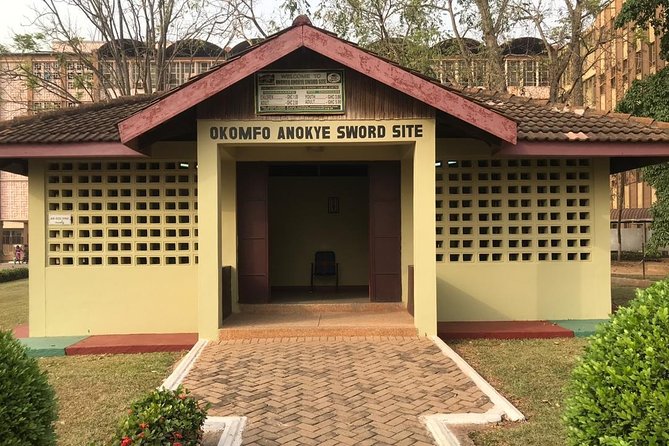
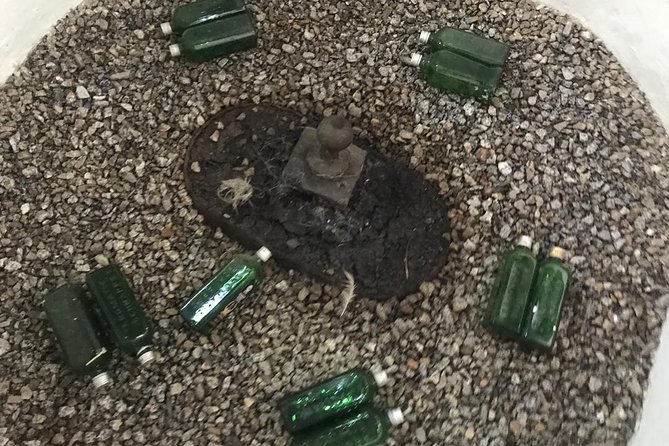
The tour begins at the Okomfo Anokye Sword Site, located on Stewart Avenue in Kumasi. This is not simply a monument with a sword in the ground. The site is tied to the beginning of the Asante kingdom and to the work of Okomfo Anokye, the legendary Asante fetish priest.
According to the tradition explained here, Okomfo Anokye planted the sword in 1695. He said it was not intended as a challenge to another person. Instead, it represented unity among the Asantes. The story says that nobody has been able to pull the sword from the ground since then.
That tale gives the visit its force. You are looking at a physical object that carries political and spiritual meaning. It is a useful first stop because it gives you a framework for the royal sites that follow.
The tour allows about one hour here, with admission included. You may find that the sword itself takes only a short time to see, so the value depends on the guide’s explanation and your questions. Ask Daniel or Kodua to explain how the sword connects with Asante identity and the wider story of Kumasi.
The tale about Muhammad Ali also adds a memorable detail. The late heavyweight boxer reportedly tried and failed to uproot the sword. It is the sort of story that helps children and adults remember the visit, though the larger point is the symbol of unity rather than the physical challenge.
Because this is the meeting point, arriving a little early is sensible. If you are using the offered pickup instead, confirm where the driver will meet you and how you will identify the vehicle.
Manhyia Palace Museum and the former royal home
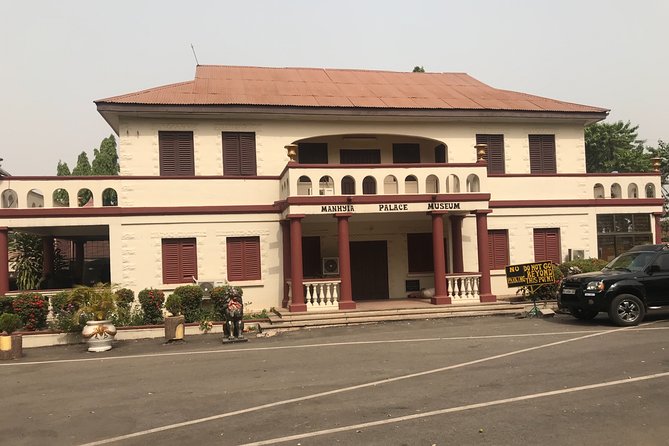
Next comes Manhyia Palace Museum, where the focus shifts from a sacred symbol to the Asante royal court. The building was constructed by the British as compensation when an Asante king returned from exile in Seychelles.
The Asantes initially rejected the offer. They later paid for the building and used it as their palace. That detail gives the site an important edge. It is not only a former royal residence. It also reflects a complicated relationship between Asante authority and British power.
You have about an hour here, and admission is included. I would use this time to pay attention to the setting as well as the objects. A palace helps you think about how leadership was presented, how visitors were received, and how the Asante court functioned.
The tour description does not give a full list of exhibits, so you should not expect a detailed room-by-room guide in advance. The best approach is to let the guide provide the local context and then ask about the objects or spaces that catch your eye.
For many people, this will be the most important stop of the morning. The sword site gives you a founding story, while Manhyia Palace places that story in a royal and political setting. If you have limited time in Kumasi, these two stops provide a useful core.
Prempeh II Museum and everyday royal customs
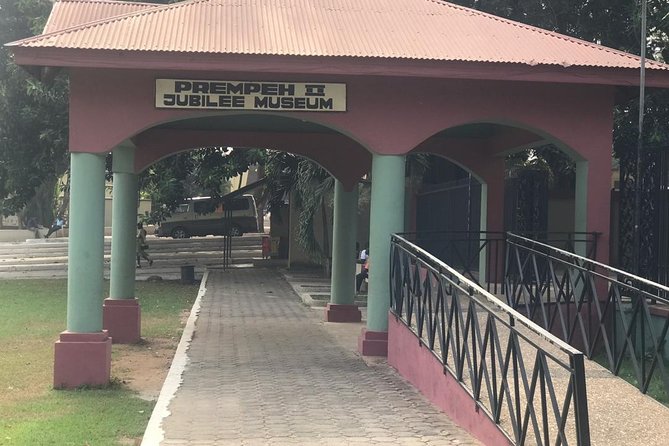
Prempeh II Museum adds a different kind of detail. Instead of focusing mainly on royal buildings and public power, it preserves items associated with how the Asantes lived in earlier times.
The museum includes a traditional kitchen and the bath setup of the Asante king. These displays are valuable because they make the past practical. A kitchen and bathing area can tell you about routine, status, servants, household organization, and material life in ways that formal portraits often cannot.
You have another hour here, with admission included. That may sound generous for a small museum, but it gives you time to ask questions and compare the household arrangements with what you saw at the palace.
I like this stop because it prevents the tour from becoming only a royal pageant. You get a look at the physical details behind court life. The museum can also help younger visitors connect with the past, since kitchens and bathing arrangements are easier to picture than political events.
The available information does not specify every item on display, so your guide’s role is important. Ask for explanations of objects rather than walking through silently. A private tour gives you a better chance to shape the discussion around food, family life, royal service, or traditional customs.
One practical point: the tour schedule assigns one hour to each attraction, but actual timing may shift. If you want extra time at this museum, mention it early. A flexible guide may be able to adjust the order or shorten the market visit, although this should be agreed with the guide on the day.
More of Kumasi and the Ashanti country:
- Bonwire Namimg Ceremony and Kente Tourist Center
★ 5.0 · 40 reviews - Kumasi Heritage Tours And Naming Ceremony In A Day
★ 5.0 · 11 reviews - Traditional naming ceremony For African Diasporas in Kumasi
★ 5.0 · 10 reviews - Full-Day Tour to Ashanti Region, Kumasi and Ghanaian History
★ 5.0 · 8 reviews
Kejetia Market, Kumasi’s great commercial center
Kejetia Market is the final scheduled stop and likely the most energetic part of the tour. It is described as the biggest open market in West Africa, with about 11,000 stalls and roughly 44,000 daily visitors.
Those numbers explain why a guide is useful. A market of this size can be hard to understand on your own, especially when you have only one hour. The market is operated mostly by women, with some men involved, and the range of goods is broad enough that you may find almost anything you want to buy.
This is the place to see Kumasi as a working city rather than only a historical center. You will encounter buying, selling, bargaining, movement, and the practical rhythm of daily commerce. The market also gives you a chance to purchase something personal, though shopping is not included in the price.
Keep your expectations realistic. One hour cannot cover 11,000 stalls. Think of this as an introduction to the market rather than a full shopping expedition. If you already know what you want, tell your guide before entering. A guide can help you use the limited time more wisely.
Shopping is also the one clear extra expense. Personal purchases are not included, and the tour price does not cover anything you take home. Set a spending limit before you arrive, especially if you are tempted by the scale of the market.
The market may also feel more demanding than the museums. You should stay close to your group, listen to your guide, and keep track of your belongings. The company’s focus on security is reassuring here, particularly in a crowded commercial setting.
Lunch, private transport, and the $90 price
The tour costs $90 per person and includes lunch, private transportation, and admission to all four listed stops. That is a fair package if you value convenience and want a guide focused only on your group.
The price is harder to judge for a solo participant, since private tours often cost more per person when no one is sharing the vehicle. For a couple or small group, the value improves because you receive private transport and a personal guide while splitting the cost across your party.
Lunch is a useful inclusion. It means you do not have to stop the tour to arrange a meal, and you can keep the four-hour schedule moving. The exact restaurant and menu are not provided, so ask what is planned if food choices matter to you.
Private transportation also removes the need to arrange separate rides between the sword site, palace, museum, and market. Pickup is offered, but the stated meeting point is the Okomfo Anokye Sword Site, and the activity ends back there. Confirm the pickup arrangement before the tour rather than assuming the driver will arrive at your accommodation.
The start time is 9:00 a.m. That gives you a clear morning schedule and makes the tour easy to combine with other plans later in the day. Since the tour lasts about four hours, allow a little flexibility around the finish time if traffic or a longer discussion changes the pace.
Safety and the value of a private guide
The operator’s owner is a policeman and is described as security conscious. That does not mean you should stop using ordinary city awareness, but it does add a useful layer of confidence, particularly during the market visit.
The strongest praise attached to this experience concerns the guides. Daniel is described as friendly, accommodating, and able to make a couple feel safe. Kodua and the team are praised for being polite, flexible, and helpful, with lunch singled out as a welcome extra.
Those details matter more than a long list of claims. A guide who adjusts the pace can make a four-hour route work. A guide who listens can help you choose between more museum time and more market time. A guide who explains local customs can turn a quick stop into something you remember.
Because this is a private activity, only your group participates. That is useful if you prefer direct questions, need a slower pace, or want to focus on a particular part of Asante culture. It is less useful if you prefer the lower price or social mix of a shared tour.
Most people can participate, and the meeting point is near public transportation. The tour also offers pickup, giving you two ways to begin. The supplied information does not provide detailed accessibility notes, so ask the operator directly if you need specific assistance.
How to make the four hours work well
I would begin by telling the guide what matters most to you. If this is your first visit to Kumasi, the planned order gives you a sensible introduction. If you already know the palace area, you might prefer more time at Kejetia Market or the Prempeh II Museum.
You should also decide how much shopping you want. Kejetia can easily absorb more than an hour, but the four-stop schedule leaves little spare time. If shopping is your main goal, say so at the start rather than trying to squeeze it in at the end.
Ask about lunch before the tour begins. Since lunch is included but the location and menu are not stated, a quick confirmation will prevent confusion. The same applies to pickup, especially if you are not starting at the sword site.
I would bring a small amount of spending money for personal purchases, but remember that shopping is extra. Keep the focus on the market experience if you are not looking for souvenirs.
Finally, treat the tour as an introduction rather than an exhaustive study of Kumasi. Four hours can give you a strong first look at the city, but the museums and market each deserve more time if you want detailed exploration.
Who should book this Kumasi tour?
I would recommend it most to couples, families, and small groups who want a private half-day introduction without arranging separate transport. It also suits first-time visitors who want the main cultural sites explained in a clear order.
The tour is a good match if you value safety, flexibility, and local guidance. Daniel’s accommodating approach and Kodua’s polite, flexible service suggest the company understands that a private visit should respond to the people in the vehicle.
I would hesitate only if you want a slow museum visit, extensive shopping, or a full-day study of Asante culture. The four-hour schedule is efficient, but it is also tight. Confirm the pickup point, lunch plan, and any special interests before booking.
The cancellation terms are straightforward: cancel at least 24 hours before the 9:00 a.m. start for a full refund. Cancellations or changes within 24 hours are not refunded or accepted, and poor weather may lead to a new date or a full refund.
Should you book the Private Half-Day City Tour of Kumasi?
Book it if you want the key Kumasi sights in one private morning, with transport, admission, lunch, and a safety-minded operator included in the price. The route gives you a clear progression from Asante unity and royal power to household customs and modern commerce.
The best reason to choose it is the combination of personal attention and useful coverage. You will not see every corner of Kejetia or study every museum display, but you will leave with a practical sense of why Kumasi matters.
For $90 per person, the value is strongest when two or more people share the private experience. Ask for the pickup and lunch details, tell your guide what interests you most, and keep your market expectations realistic. Done that way, this is a practical and well-focused introduction to Kumasi.
FAQ
How long does the Kumasi city tour last?
The tour lasts approximately four hours, with about one hour scheduled at each of the four stops.
What time does the tour begin?
The stated start time is 9:00 a.m.
Where does the tour start and finish?
It starts at the Okomfo Anokye Sword Site at M9WC+H94, Stewart Avenue, Kumasi, Ghana, and ends back at the meeting point.
Is pickup available?
Yes. Pickup is offered, though you should confirm the exact pickup details before the tour.
Are lunch, transportation, and entrance fees included?
Lunch and private transportation are included. Admission is also included for the Okomfo Anokye Sword Site, Manhyia Palace Museum, Prempeh II Museum, and Kejetia Market.
What is the cancellation policy?
You can receive a full refund by canceling at least 24 hours before the local start time. Cancellations or changes made within 24 hours are not accepted and are not refunded. If poor weather causes the tour to be canceled, you will be offered another date or a full refund.
More Lunch Experiences in Kumasi
- Accra: Guided City Tour with Lunch
★ 4.5 · 40 reviews - From Accra: Cape Coast Slave Dungeons Heritage Tour & Lunch
★ 4.4 · 14 reviews - Accra Aburi Eco & Cocoa Experience: Gardens Waterfall &Lunch
★ 4.9 · 12 reviews - Accra: Shai Hills and Volta River Cruise Day Trip with Lunch
★ 4.8 · 11 reviews
Most recently reviewed around Kumasi
- Kumasi City Tour★ 4.5 · 3 reviews
- Full Day Tour with Traditional Naming Ceremony in Kumasi★ 5.0 · 4 reviews
- Kejetia Market Tour and Traditional Food Cooking Class.★ 5.0 · 2 reviews
- Kumasi Culture and Heritage Tours★ 4.5 · 3 reviews
- Discover kumasi Tours★ 5.0 · 3 reviews
- Ashanti History Tours★ 5.0 · 2 reviews
- Experience the Culture of Ashanti Kingdom in 5days★ 5.0 · 3 reviews
- 3 Days Accra Historical ,Cape Coast Black Roots ,& Kumasi Culture★ 5.0 · 2 reviews
City Tours in Kumasi, compared.



Lake Bosomtwe Boat Cruisely and Kumasi City Tours
Read our review →Browse the lists this tour appears in