
Reviewed · KUMASI TOURS
Discover kumasi Tours
Kumasi tells its story through objects. This private, eight to nine-hour tour connects the Ashanti capital’s royal past with living craft traditions, taking you from Manhyia Palace Museum to the famous Okomfo Anokye Sword Site, then onward to Kente and Adinkra workshops. I like the clear cultural focus, and I like that entrance fees and private transport are included from the start.
The tour also benefits from personal guiding. Emmanuella is praised for her kindness and care, while Sam earned strong marks for explaining Ashanti culture in a clear way and answering questions well. The main consideration is the pace: four stops across a long day can feel full, and lunch costs extra, usually $5 to $8.
In This Review
- Key Things to Know Before You Go
- Why Kumasi Works Best as a Culture Day
- Manhyia Palace Museum and the Ashanti Court
- The Okomfo Anokye Sword Site and a Symbol of Unity
- Bonwire Kente Weaving and the Day’s Main Craft Stop
- Ntonso Adinkra Craftsmen and the Language of Symbols
- What the $129 Price Really Covers
- Private Transport and a Full Eight to Nine Hours
- The Guides Make the Difference
- Who Should Book This Kumasi Tour
- Booking, Weather, and Cancellation Advice
- Should You Book Discover Kumasi Tours?
- FAQ
- Where does this tour take place?
- How long does the experience last?
- How much does the tour cost?
- Is transportation included?
- Are entrance fees included?
- Is lunch included?
- Is this a private tour?
- How long is the visit to Manhyia Palace Museum?
- What will I see at Bonwire?
- Can I cancel for a full refund?
- What happens if bad weather cancels the tour?
- Are service animals allowed?
Key Things to Know Before You Go

- The day links royal history with working craft villages: You see the Ashanti court, a powerful cultural symbol, Kente weaving, and Adinkra design in one route.
- Manhyia Palace Museum includes admission: You have about one hour to learn about the Ashanti Kingdom and its royal residence.
- Bonwire gives you two hours for Kente: This is the longest stop, so you have time to watch the weaving process rather than rush through it.
- The tour is private: Only your group takes part, which makes it easier to ask questions and keep the day at a comfortable pace.
- The $129 price covers the essentials: Private transportation, taxes, and site entrance fees are included. Lunch is separate.
- You can cancel for a full refund up to 24 hours ahead: Poor weather may also lead to a new date or a full refund.
Why Kumasi Works Best as a Culture Day
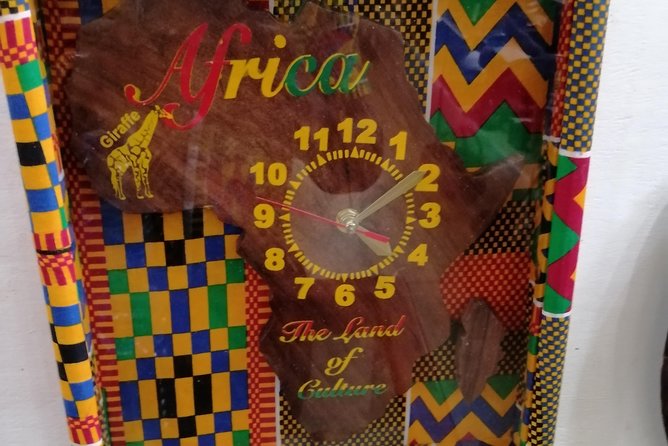
Kumasi is not presented here as a collection of unrelated sights. The route follows a sensible theme: power, belief, cloth, and symbols.
At Manhyia Palace Museum, you begin with the Ashanti royal tradition. At the Okomfo Anokye Sword Site, you move toward the spiritual and political ideas that helped shape Asante identity. Bonwire and Ntonso then show how culture continues through skilled work, teaching, pattern, and meaning.
I like this structure because it gives you more than a quick look at famous places. You can connect what you see in a museum with traditions that are still practiced. The day also suits you if you want an introduction to Kumasi without organizing several separate taxis, entry tickets, and village visits.
The tour lasts roughly eight to nine hours. That is a serious commitment, but it is also what allows the day to reach the craft villages outside the central sights. With private transportation, you avoid joining a large group and have a better chance to ask for clarification when a name, symbol, or custom catches your attention.
More of Kumasi and the Ashanti country:
- Bonwire Namimg Ceremony and Kente Tourist Center
★ 5.0 · 40 reviews - Tour Kumasi City Like a Local
★ 4.5 · 34 reviews - Kumasi Heritage Tours And Naming Ceremony In A Day
★ 5.0 · 11 reviews
Manhyia Palace Museum and the Ashanti Court
Your first stop is Manhyia Palace Museum, with about one hour set aside and admission included.
Manhyia Palace is tied to the Kingdom of Asante and serves as a royal residence associated with the King of Asante. The museum gives the day its political starting point. Before you look at textiles and stamped symbols, you first learn about the institution that gave those traditions their wider place in Ashanti life.
I would pay close attention to the guide here. A palace museum can feel like a short display of objects if you walk through it without context. A good explanation helps you understand why the palace matters, how royal authority is represented, and how the Asante Kingdom fits into the story of West Africa.
The one-hour visit is long enough for an introduction, but it is not an extended museum study. If you love historic displays and want time with every object, you may find the schedule brisk. The advantage is that the tour keeps moving, giving you enough time later for the hands-on craft stops.
This is also where Sam’s guiding style would be especially useful. His clear explanations and willingness to answer questions are exactly what you want at a site where names, titles, and traditions may be new to you.
The Okomfo Anokye Sword Site and a Symbol of Unity
The next stop lasts about 40 minutes at the Okomfo Anokye Sword Site.
The central object is a sword said to have been planted more than 350 years ago by the priest Okomfo Anokye. According to the tradition presented here, nobody has been able to remove it. The point is not a physical challenge. The sword represents togetherness within Asante.
That idea gives the stop its force. You are not simply looking at an old weapon. You are looking at a symbol linked to unity, authority, and shared identity. Ask your guide to explain the story in full, especially how the sword’s meaning relates to the formation of the Asante community.
Forty minutes is a compact visit, which fits the site well. You have enough time to hear the account and consider the symbol without turning the stop into a long lecture. Still, this is a place where interpretation matters more than the length of the visit. If you prefer long archaeological visits with many objects to inspect, this stop may feel brief.
I like the contrast with Manhyia Palace. The palace introduces formal royal power. The sword site brings you to a single, memorable object and the idea of unity that surrounds it.
Bonwire Kente Weaving and the Day’s Main Craft Stop
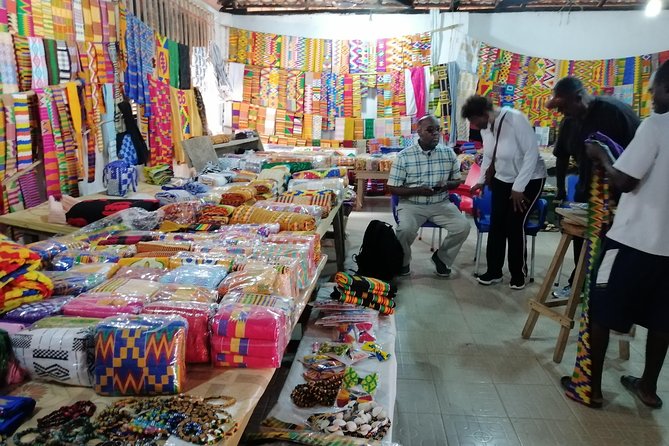
Bonwire receives about two hours, making it the longest stop on the route.
This is the village associated with the origin of Kente, and the purpose of the visit is to see how people weave it. That extra time matters. You are not being asked to glance at finished cloth and leave. You have room to watch the process, listen to an explanation, and consider the patience and skill needed to produce the fabric.
Kente is one of the most recognizable forms of Ghanaian textile art, but seeing the work behind it adds meaning. You can better understand the cloth when you see it as a made object, not just a colorful souvenir. The village setting also shifts the focus from royal buildings to a living tradition practiced by craftspeople.
I would treat this as the day’s best opportunity to ask practical questions. You can ask how the weaving is done, what the patterns signify, and how the work connects to Ashanti culture. The supplied information does not promise a demonstration format, shopping arrangements, or a particular amount of time with individual weavers, so keep your expectations focused on seeing and learning about the process.
Two hours may be ideal if you enjoy crafts. If you prefer a fast schedule, it may feel long compared with the 40-minute sword visit. I think the longer pause is useful because handmade work rewards attention. It gives the day a change of rhythm after the palace and heritage site.
Further from Kumasi, and a different kind of day:
- Traditional naming ceremony For African Diasporas in Kumasi
★ 5.0 · 10 reviews - Full-Day Tour to Ashanti Region, Kumasi and Ghanaian History
★ 5.0 · 8 reviews - Kumasi City Tour
★ 5.0 · 8 reviews - Kumasi City Tour
★ 4.5 · 7 reviews
Ntonso Adinkra Craftsmen and the Language of Symbols
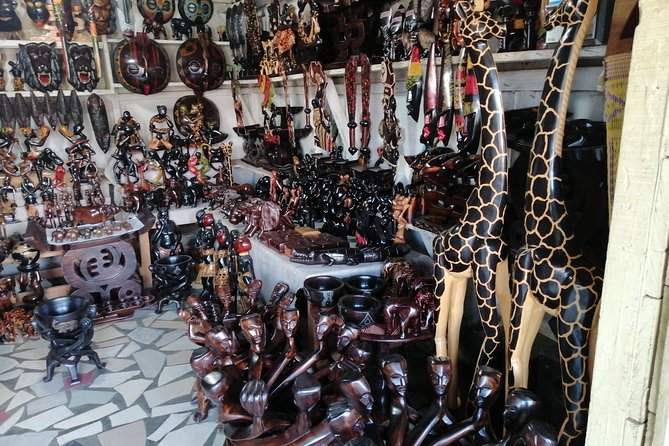
The final listed stop is Ntonso, with about one hour devoted to Adinkra craftsmen.
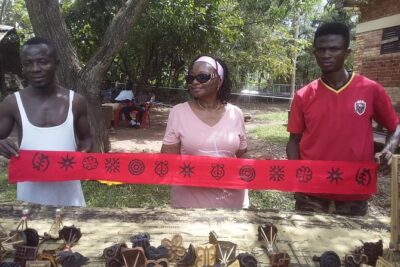
Ntonso is known here for explaining traditional symbols and their meanings. This makes a strong closing visit because it returns you to the theme of communication. At Bonwire, cloth is made through weaving. At Ntonso, design carries ideas through symbols.
You should listen carefully to the explanations rather than treating the stop as a simple shopping visit. The important part is learning what the symbols mean and how they relate to tradition. The information provided does not promise a specific workshop activity, purchase opportunity, or demonstration, so I would not assume that you will create an Adinkra item yourself.
The one-hour timing is reasonable for an introduction. It gives you enough time to see the craft setting and hear about the symbols without making the final stop too demanding. If you are buying an item, remember that the tour price does not list purchases as included. The $129 covers transportation, taxes, and entrance fees, not personal shopping.
Ntonso also gives you a useful way to remember the day. You begin with the royal center, encounter a symbol of unity, see cloth being woven, and finish with symbols that communicate ideas. That is a more satisfying arc than simply checking off four attractions.
What the $129 Price Really Covers
The cost is $129 per person. For a private, full-day outing, the value depends mainly on how much you want handled for you.
The price includes:
- Private transportation
- All fees and taxes
- Entrance fees to the tourist sites
That package removes several small expenses and decisions. You do not have to arrange separate transport between Kumasi and the craft villages, and you do not need to budget for admission at each listed stop. You also have the comfort of traveling only with your own group.
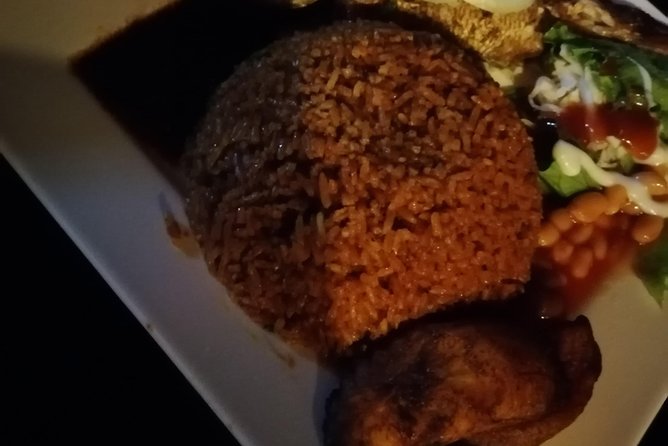
Lunch is not included. It normally costs about $5 to $8, so add that amount when you work out your day’s budget. The exact meal location is not specified, so you should confirm the lunch plan with the provider if food arrangements matter to you.
For one person, $129 is not the cheapest way to visit a museum and a heritage site. The value improves if you are traveling with family or friends who want a private experience, since the transport and guiding are organized around your group. It is also useful if you have limited time in Kumasi and want four culturally important stops in one day.
The tour is booked, on average, 51 days ahead. That does not guarantee that every date will sell out, but it suggests you should plan early if your Ghana schedule is fixed.
Private Transport and a Full Eight to Nine Hours
The private format is one of the tour’s strongest practical features.
Only your group participates, so you can ask questions without worrying about holding up strangers. You may also find it easier to manage the day if someone in your party needs a short pause. The information does not specify the vehicle type, pickup area, or exact pickup time, so confirm those details when arranging the booking.
Pickup is offered, and the tour provides a mobile ticket. Confirmation is received at booking. These details make the experience easier to fit into a larger Ghana itinerary, though you still need to allow a full day rather than treating it as a quick half-day outing.
The timing adds up to a demanding schedule:
- Manhyia Palace Museum: 1 hour
- Okomfo Anokye Sword Site: 40 minutes
- Bonwire Kente Weaving Centre: 2 hours
- Ntonso Adinkra Craftsmen: 1 hour
The remaining time is used for transport and transitions. That is why the total reaches eight to nine hours. You should plan for a long day, but the route has enough variety to prevent every stop from feeling alike.
The Guides Make the Difference
The most praised part of the experience is the guiding.
Emmanuella is described as kind, attentive, and concerned about how her guest was feeling throughout the day. That sort of care matters on a long cultural tour. A guide who checks that you are comfortable and enjoying yourself can make the schedule feel much easier.
Sam is praised for his strong grasp of Ashanti culture and history, his clear answers, and his friendly manner. Those are useful qualities at every stop, but especially at the palace and sword site, where the meaning behind what you see is more important than the number of objects on display.
The provider is Beyond the return 2020. Since guides may vary, you should not assume that you will have Emmanuella or Sam specifically unless the provider confirms it. Still, their praised qualities give you a useful standard: look for a guide who explains clearly, welcomes questions, and pays attention to your comfort.
Who Should Book This Kumasi Tour
I would recommend this experience if you want a focused introduction to Ashanti culture and prefer having transport, admissions, and a guide arranged together.
It is especially suitable for:
- Families who want a private day
- First-time visitors to Kumasi
- People interested in royal history and cultural traditions
- Anyone who wants to see Kente weaving and Adinkra symbolism
- Small groups that value flexibility and personal questions
- Visitors with only one day available for a broad Kumasi experience
You may want a different plan if you prefer to spend an entire day at one museum, shop independently, or set your own pace at every stop. The itinerary is fixed around four locations, and the eight to nine-hour duration leaves limited room for adding unrelated attractions.
Most people can participate, and service animals are allowed. The tour is near public transportation, though private pickup is offered. The information does not provide detailed mobility notes, so ask the provider about vehicle access and walking requirements if those are important for your group.
Booking, Weather, and Cancellation Advice
You can cancel up to 24 hours before the start time for a full refund. Changes made less than 24 hours before the tour are not accepted, and the amount paid is not refunded for a late cancellation.
The cut-off follows local time in Kumasi. Keep that in mind if you are booking from another time zone.
The experience requires good weather. If poor weather causes a cancellation, you are offered another date or a full refund. Because the route includes village visits and outdoor movement, checking the forecast before the final cancellation deadline is sensible.
Should You Book Discover Kumasi Tours?
Book it if you want one well-organized day that explains Ashanti identity through royal sites, a sacred symbol, Kente weaving, and Adinkra design. The included transport and admissions make the $129 price easier to justify, especially for a private group, and the personal care praised in the guiding gives the experience a human touch.
I would book early if Kumasi is central to your Ghana plans, especially since it is commonly reserved well ahead. Bring enough for the separate $5 to $8 lunch, confirm pickup details, and expect a full day rather than a quick sightseeing loop.
If your priority is authentic cultural context over a long list of attractions, this is a strong choice. If you want complete freedom or extended time at one site, the fixed schedule may feel too structured.
FAQ
Where does this tour take place?
The tour takes place in Kumasi, Ghana, and includes visits to Manhyia Palace Museum, the Okomfo Anokye Sword Site, Bonwire, and Ntonso.
How long does the experience last?
The tour lasts approximately eight to nine hours.
How much does the tour cost?
The price is $129 per person.
Is transportation included?
Yes. Private transportation is included, and pickup is offered.
Are entrance fees included?
Yes. Entrance fees to the tourist sites, all fees, and taxes are included.
Is lunch included?
No. Lunch is not included. It normally costs about $5 to $8.
Is this a private tour?
Yes. Only your group participates in the activity.
How long is the visit to Manhyia Palace Museum?
The visit to Manhyia Palace Museum lasts about one hour, and admission is included.
What will I see at Bonwire?
At Bonwire, you visit the village associated with the origin of Kente and learn about how people weave it. The scheduled visit lasts about two hours.
Can I cancel for a full refund?
Yes. You can cancel at least 24 hours before the experience start time for a full refund. Cancellations made less than 24 hours ahead are not refunded.
What happens if bad weather cancels the tour?
You will be offered a different date or a full refund if poor weather causes the experience to be canceled.
Are service animals allowed?
Yes. Service animals are allowed on the experience.
Most recently reviewed around Kumasi
- Kumasi City Tour★ 4.5 · 3 reviews
- Full Day Tour with Traditional Naming Ceremony in Kumasi★ 5.0 · 4 reviews
- Kejetia Market Tour and Traditional Food Cooking Class.★ 5.0 · 2 reviews
- Kumasi Culture and Heritage Tours★ 4.5 · 3 reviews
- Private Half-Day City Tour of Kumasi with Lunch★ 5.0 · 2 reviews
- Ashanti History Tours★ 5.0 · 2 reviews
- Experience the Culture of Ashanti Kingdom in 5days★ 5.0 · 3 reviews
- 3 Days Accra Historical ,Cape Coast Black Roots ,& Kumasi Culture★ 5.0 · 2 reviews
Kumasi Tours, compared.

Bonwire Namimg Ceremony and Kente Tourist Center
Read our review →
Kumasi Heritage Tours And Naming Ceremony In A Day
Read our review →
Traditional naming ceremony For African Diasporas in Kumasi
Read our review →
Full-Day Tour to Ashanti Region, Kumasi and Ghanaian History
Read our review →

Lake Bosomtwe Boat Cruisely and Kumasi City Tours
Read our review →Browse the lists this tour appears in