
Reviewed · HISTORICAL TOURS
Ashanti History Tours
Kumasi’s past is still part of daily life. This private Ashanti tour brings together royal history, sacred tradition, and the sheer scale of Kejetia Market in one long day. I like the included admission at every stop, and I like that pickup is offered, which removes some of the usual guesswork in Kumasi. The main consideration is the pace: six to nine hours is a sizable block of your day, and three hours at Kejetia may feel demanding if you prefer short visits.
The tour is priced at $110 per person, with only your group taking part. Feedback praises the careful planning and personal service from Sam and Kofi, while the company information identifies Samuel Kumah as its chief executive. Confirm which guide will lead your day, then expect a private experience with room for questions and schedule adjustments within the planned stops.
In This Review
- Key points to know before booking
- Why this Kumasi day works
- Manhyia Palace Museum: beginning with the Ashanti court
- Okomfo Anokye Sword Site and its enduring story
- Prempeh II Museum and a closer look at royal memory
- Three hours inside Kejetia Market
- The private format and the role of your guide
- Is $110 per person good value?
- Timing, weather, and practical planning
- Who should book this Ashanti history tour?
- Should you book it?
- FAQ
- Where does the Ashanti History Tour take place?
- How much does the tour cost?
- How long does the tour last?
- Is pickup available?
- Is this a private tour?
- Are admission tickets included?
- How far in advance is the tour usually booked?
- What is the cancellation policy?
Key points to know before booking
- Four major Kumasi stops cover the Ashanti royal court, a sacred sword site, a former king’s museum, and West Africa’s largest market.
- Kejetia Market receives three hours, making this more than a quick photo stop.
- Manhyia Palace Museum and Prempeh II Museum give you two different views of Ashanti leadership and court life.
- The Okomfo Anokye Sword Site centers on a sword said to have been planted more than 350 years ago and never removed.
- Your group stays private, with pickup offered and a mobile ticket provided.
- Free cancellation is available up to 24 hours before departure, but poor weather may affect the day.
Why this Kumasi day works

Kumasi is the heart of Ashanti culture in Ghana, and this experience gives you a clear route through some of its best-known cultural sites. Instead of scattering your time across unrelated attractions, the day follows a useful theme: royal authority, spiritual tradition, historical memory, and modern commerce.
I especially like the balance between museums and street life. The palace stops give you structure and context. Kejetia then puts you in the middle of present-day Kumasi, where the city’s energy is easier to understand through movement, trade, and conversation than through display cases.
This is a private activity, so your group does not have to share the guide with strangers. That matters in a market, where you may want to pause, ask questions, or move at a slower pace. The published duration is six to nine hours, a broad range that likely reflects traffic, pickup arrangements, and the amount of time you spend at Kejetia.
The tour costs $110 per person. That is not a bargain-basement city walk, but the value depends on what is included for your group: private guiding, pickup, four stops, and admission tickets at the scheduled attractions. If you want a single organized day with cultural sites handled together, the price can make sense. If you only want to see one museum and the sword site, booking separate visits may be more efficient.
More of Kumasi and the Ashanti country:
- Bonwire Namimg Ceremony and Kente Tourist Center
★ 5.0 · 40 reviews - Tour Kumasi City Like a Local
★ 4.5 · 34 reviews - Kumasi Heritage Tours And Naming Ceremony In A Day
★ 5.0 · 11 reviews
Manhyia Palace Museum: beginning with the Ashanti court
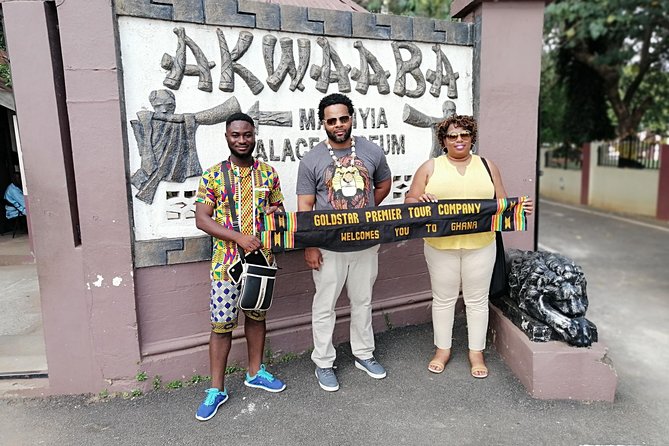
Your first stop is Manhyia Palace Museum, scheduled for about one hour. This is the natural place to begin because the palace introduces the Ashanti kingdom and its royal traditions before you move on to the other sites.
The tour description presents Manhyia Palace as Ghana’s only kingdom. That wording is a reason to listen closely to your guide, since the site’s importance comes from its connection to Ashanti monarchy, leadership, and cultural identity. You are not simply visiting an old building. You are being introduced to the institution that shaped the area’s political and social life.
An hour is enough for a focused visit, but it is not a leisurely museum study. I would use the guide’s time well by asking about the objects, royal figures, and customs you see. The value of the stop comes from explanation. Without context, palace displays can become a sequence of names and artifacts. With a good guide, they can help you understand why Kumasi remains so closely tied to Ashanti tradition.
Admission is included, which keeps the day straightforward. Since this is the first major stop, it should also give you useful background for the Prempeh II Museum later. Pay attention to repeated names and symbols. The second museum may feel more meaningful once you know what the palace represents.
Okomfo Anokye Sword Site and its enduring story

The second stop lasts about an hour and focuses on the Okomfo Anokye Sword Site. The central story is striking: a sword was planted more than 350 years ago, and nobody has been able to remove it.
This is the sort of place where the guide’s explanation matters as much as the object itself. The sword is tied to Okomfo Anokye, a major spiritual figure in Ashanti history, and the site carries a sacred dimension that a quick photograph cannot explain. I would approach this stop with respect and curiosity rather than treating it as a simple oddity.
The hour-long visit should give you time to hear the story, see the sword, and ask how the tradition connects to the Ashanti kingdom. You may find the stop more symbolic than visually grand. That is not a weakness, but it does mean you should know what you are coming for. The interest lies in the belief, memory, and authority attached to the sword.
Admission is included here as well. The sequence works nicely: Manhyia Palace introduces royal power, then the sword site shows how spiritual authority fits into the wider story. Together, these stops offer more than a collection of disconnected sights.
Prempeh II Museum and a closer look at royal memory
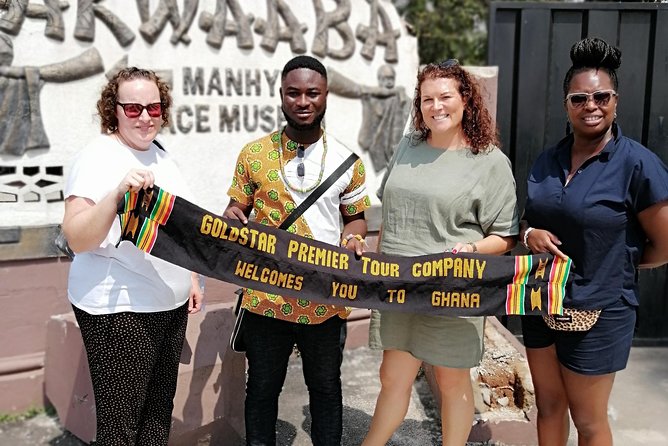
The Prempeh II Museum receives another hour. Its place in the day gives you a second museum experience, but one with a different emphasis from Manhyia Palace.
The available details do not specify exactly which objects or rooms are on display, so you should allow the guide to frame the visit. The museum’s name connects it to Prempeh II, and the stop is intended to add another chapter to the story of Ashanti rulers and culture. If you enjoy historical objects, portraits, and royal associations, this may be one of the day’s most rewarding stops.
The possible drawback is repetition. Two palace-related museums in one day may feel similar if you prefer variety. I see the advantage in having both, though, because the visits can give you different angles on leadership, ceremony, and the people who shaped Kumasi.
Use the stop to clarify anything that was rushed earlier. Ask your guide to compare the role of the museum with the role of Manhyia Palace. Since the tour is private, your group has a better chance of turning the visit into a conversation instead of simply following a fixed speech.
Other history-led days around Kumasi:
- Full-Day Tour to Ashanti Region, Kumasi and Ghanaian History
★ 5.0 · 8 reviews - 4 Days Trip in Accra, Cape Coast,Kumasi culture & heritage tours
★ 5.0 · 5 reviews - Kumasi Culture and Heritage Tours
★ 4.5 · 3 reviews - 3 Days Accra Historical ,Cape Coast Black Roots ,& Kumasi Culture
★ 5.0 · 2 reviews
Three hours inside Kejetia Market
Kejetia Market is the longest stop, with about three hours set aside for a walking tour. That tells you something important about the experience: this is not a quick market pass on the way back to your hotel.
Kejetia is described as the biggest market in West Africa. Even without adding extra claims, the scale implied by that description makes the stop a major part of the day. You should expect a walking-focused visit in a place where trade and ordinary city life take center stage.
I like the decision to give Kejetia three hours. A short visit would barely let you get your bearings. With more time, you can move through the market with your guide, ask about what you see, and notice how different sections of a large commercial center work. The private format is useful here because you can stay close to your own group and ask for help when the surroundings feel confusing.
At the same time, three hours is a long market visit. If heat, crowds, or extended walking wear you down, this may be the hardest part of the tour. The full day also means that the final stop could feel more tiring than the first. Wear practical shoes and keep your expectations realistic. This is a market walk, not a quiet museum afternoon.
The market is also where the day shifts from formal history to daily life. After hearing about kings and spiritual leaders, you see Kumasi as a working city. That contrast is one of the tour’s strongest features. The museums explain the past, while Kejetia shows you a living present.
The private format and the role of your guide
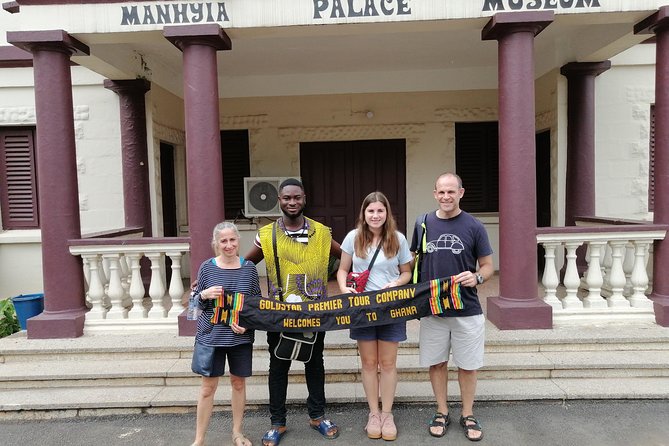
This is a private tour, so only your group takes part. That gives you more control than a standard shared excursion. You can ask for extra explanation at a museum, take a moment to regroup, or keep the guide focused on subjects that interest you most.
Pickup is offered, and a mobile ticket is available. Public transportation is nearby, although the supplied details do not state that you must use it. Confirmation is received at booking, and service animals are allowed. Most people can participate.
The personal service is a major part of the experience’s appeal. One account praises Kofi for building an eight-day Ghana plan, while another describes Sam as patient, attentive, and good at answering detailed questions. Those comments concern wider Ghana arrangements as well as day touring, but they suggest that the company’s strength is organization and personal attention.
Because the names vary between Samuel Kumah, Sam, and Kofi, I would confirm your assigned guide when booking. That simple step avoids confusion and helps you know who will handle pickup and the day’s schedule.
Is $110 per person good value?
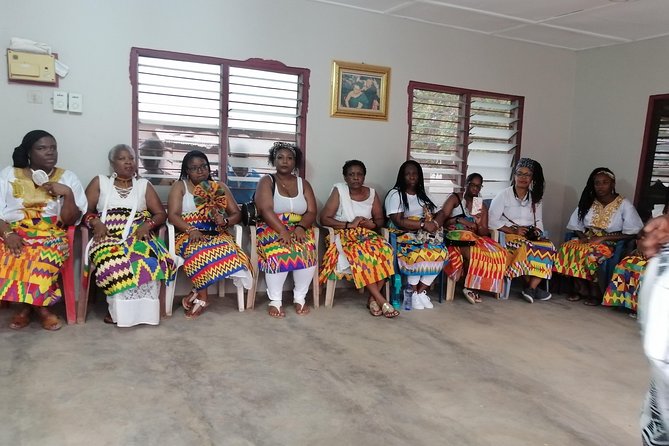
At $110 per person, the tour sits in the range where the details matter. You are paying for more than entry to four sites. You are also paying for a private guide, transport arrangements through pickup, and a full day built around Kumasi’s main cultural themes.
The price looks strongest for people who want convenience. You do not have to arrange each museum separately or work out how to connect the palace area, sword site, museum, and market. A private guide can also add value that is difficult to price, especially at the sword site and Kejetia Market, where context and orientation matter.
The value is less clear if your group is large, since the charge is per person. It may also feel high if you intend to spend only a short time at each attraction. The schedule is designed for a full cultural day, not a quick highlights loop.
Admission is included at Manhyia Palace Museum, the Okomfo Anokye Sword Site, Prempeh II Museum, and Kejetia Market. That makes budgeting easier. Food, drinks, and any personal purchases are not listed, so you should treat those as separate costs rather than assuming they are covered.
Timing, weather, and practical planning

The experience lasts approximately six to nine hours. That range is wide enough that you should avoid scheduling a tight flight, appointment, or long-distance transfer immediately afterward. Traffic and the length of your market visit may affect the finish time.
The published opening information lists Monday availability from 4:00 AM to 11:30 PM for the stated operating period. That does not mean the tour itself lasts all day, so confirm the exact pickup time when you book. The early opening range may help with planning, but the actual start time should be settled directly.
Good weather is required. If poor weather causes cancellation, you will be offered another date or a full refund. You can cancel for a full refund up to 24 hours before the start time. Changes or cancellations made less than 24 hours before departure are not accepted for a refund, and cut-off times follow local time in Ghana.
The simple packing advice is practical: wear comfortable shoes for the three-hour market walk and plan for a long day. Since the tour combines indoor museums with an outdoor walking section, a flexible approach will serve you best.
Who should book this Ashanti history tour?
I would recommend it to someone visiting Kumasi for the first time who wants a guided introduction rather than a loose list of places. It suits people interested in royal history, spiritual traditions, museums, and everyday commerce.
It is also a good match for families or small private groups that want a guide who can answer questions at their own pace. The company’s feedback emphasizes patience, comfort, and detailed answers, which are useful qualities when a day includes both formal museums and a demanding market walk.
I would hesitate if you dislike long outings, markets, or repeated museum visits. The six to nine-hour schedule is not light, and three hours at Kejetia may be too much for anyone seeking a short cultural stop. You should also confirm the guide’s name and pickup details before committing.
Should you book it?
Book this tour if you want Kumasi’s major Ashanti-themed sights arranged into one private day. The best reasons are the clear progression from Manhyia Palace to the sword site, Prempeh II Museum, and Kejetia Market, plus the included admissions and personal guiding.
Skip it if you prefer to set your own pace or only want one or two attractions. For everyone else, $110 per person is a fair price for a private, pickup-supported day that connects royal tradition with the working life of Kumasi. Confirm your guide, allow the full nine-hour window, and treat Kejetia as a serious walking visit rather than a brief final stop.
FAQ
Where does the Ashanti History Tour take place?
The tour takes place in Kumasi, Ghana, and visits Manhyia Palace Museum, the Okomfo Anokye Sword Site, Prempeh II Museum, and Kejetia Market.
How much does the tour cost?
The listed price is $110 per person.
How long does the tour last?
The experience lasts approximately six to nine hours.
Is pickup available?
Yes, pickup is offered.
Is this a private tour?
Yes. Only your group participates in the activity.
Are admission tickets included?
Admission tickets are included for Manhyia Palace Museum, the Okomfo Anokye Sword Site, Prempeh II Museum, and Kejetia Market.
How far in advance is the tour usually booked?
The tour is booked an average of five days in advance.
What is the cancellation policy?
You can cancel at least 24 hours before the start time for a full refund. Cancellations or changes made less than 24 hours before the start time are not accepted for a refund. If poor weather causes the experience to be canceled, you will be offered a different date or a full refund.
Most recently reviewed around Kumasi
- Full Day Tour with Traditional Naming Ceremony in Kumasi★ 5.0 · 4 reviews
- Kumasi City Tour★ 4.5 · 3 reviews
- Kejetia Market Tour and Traditional Food Cooking Class.★ 5.0 · 2 reviews
- Kumasi Culture and Heritage Tours★ 4.5 · 3 reviews
- Discover kumasi Tours★ 5.0 · 3 reviews
- Private Half-Day City Tour of Kumasi with Lunch★ 5.0 · 2 reviews
- Experience the Culture of Ashanti Kingdom in 5days★ 5.0 · 3 reviews
- 3 Days Accra Historical ,Cape Coast Black Roots ,& Kumasi Culture★ 5.0 · 2 reviews
Historical Tours, compared.
Experience the Beauty, History and the Culture Of Accra in a Day
Read our review →

Full-Day Private Culture and History Tour of Accra
Read our review →
Ghana Private Historic Tour through Castles and Nature
Read our review →
7-Day Private Cultural and Heritage Tour in Ghana
Read our review →
The Historic Cape Coast and Elmina Tour (The Land of History).
Read our review →Browse the lists this tour appears in