
Reviewed · CITY TOURS IN KUMASI
Kumasi: City Tour
Kumasi tells its story in busy streets and royal courtyards. This five-hour private tour brings together Manhyia Palace, Kejetia Market, the Okomfo Anokye Sword Site, and the Prempeh Museum, giving you a useful first look at the Ashanti kingdom and daily life in Ghana’s cultural capital. I like the strong mix of history and local life, and I like that entry tickets are covered. The main consideration is the walking: market streets can be demanding, and the tour is not suitable for people with mobility impairments or pregnant women.
The guides also earn high marks for their friendly approach. Ibrahim was praised for being well informed and accommodating, while Prussia was upbeat and helped make the city feel more familiar. Bring water, wear comfortable shoes, and expect a full half-day rather than a quick collection of photo stops.
In This Review
- Key points at a glance
- Why this Kumasi tour works well
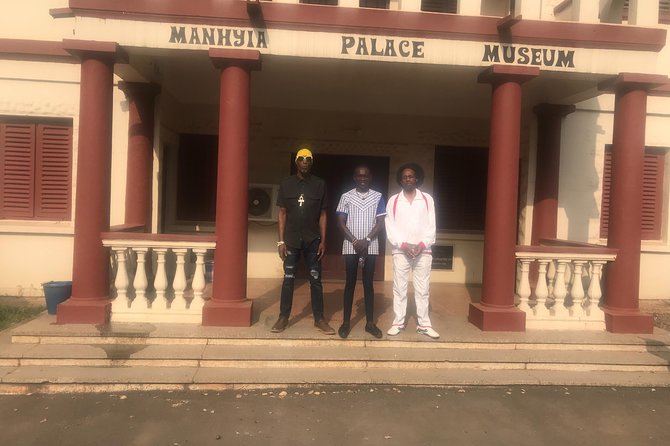
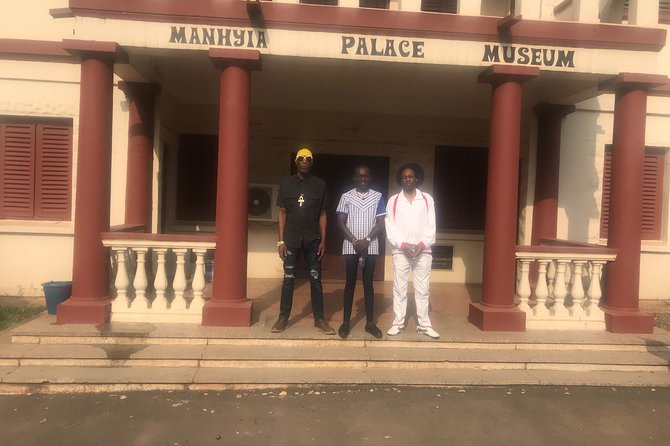
- Starting at Manhyia Palace
- Walking through Kejetia Market
- The mystery of the Okomfo Anokye Sword Site
- Local art at the Cultural Center
- Learning daily life at Prempeh Museum
- What $70 includes, and what it does not
- Who will get the most from this tour
- Practical advice for a smoother five hours
- Should you book the Kumasi City Tour?
- FAQ
- Where does the Kumasi City Tour meet?
- How long does the tour last?
- How much does the tour cost?
- Is the tour private?
- What language is the tour conducted in?
- Which sites are visited?
- Are entry tickets included?
- Are food and drinks included?
- What should I bring?
- Can I cancel the booking?
Key points at a glance
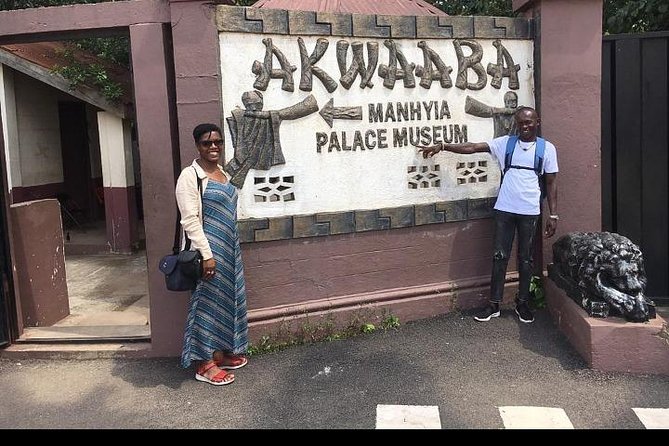
- Manhyia Palace opens the story: Begin at the seat of the Ashanti kingdom, where the tour sets the political and royal context for Kumasi.
- Kejetia brings you into daily Kumasi: Walk through one of West Africa’s biggest open markets and the city’s central business area.
- The Okomfo Anokye Sword Site adds mystery: Hear the story behind the sword and its place in Ashanti tradition.
- The Cultural Center supports local artists: Browse art and crafts made by local artisans.
- Prempeh Museum gives the past a human scale: Learn about old Ashanti customs and how people lived.
- Private guiding keeps the pace personal: The tour is in English and can be arranged around a central meeting point at Manhyia Palace or a pickup from your destination, with hotel pickup not included.
Why this Kumasi tour works well
Kumasi is not a city you understand from a car window. Its meaning comes from the connection between the Ashanti royal court, the market, religious tradition, art, and ordinary routines. This tour links those pieces in a sensible order, so you get more than four separate attractions.
I especially like the balance. Manhyia Palace gives you the formal side of Ashanti power. Kejetia shows the commercial heart of the city. The sword site brings in belief and symbolism, while the Cultural Center and Prempeh Museum turn the focus toward crafts, customs, and everyday life.
The private format is another plus. You are not tied to a large group, and a live English-speaking guide can explain what you are seeing as the day moves along. The tour has earned a perfect five-star rating from three verified bookings, with particular praise for friendly, helpful guiding. Ibrahim and Prussia are named in the feedback, so if one of them is assigned to your tour, you may appreciate their personal, cheerful approach.
At $70 per person, the price makes the most sense if you value a guide and want several entry-based sights covered in one outing. Tickets to all listed sites and taxes are included. Food, drinks, and hotel pickup are extra, so the total cost is not quite all-inclusive.
More City Tours in Kumasi
- Tour Kumasi City Like a Local
★ 4.5 · 34 reviews - Kumasi City Tour
★ 5.0 · 8 reviews - Kumasi City Tour
★ 4.5 · 7 reviews
Starting at Manhyia Palace
The tour begins at Manhyia Palace, the stated meeting point, or with pickup from your destination if arranged. Since hotel pickup is not included, check the meeting details before booking and plan how you will reach the palace.
The palace is the former and current center of Ashanti royal tradition described in the tour. It is a good first stop because it gives you the framework for the rest of the day. The Ashanti kingdom is not treated as a footnote here. Its royal structure, customs, and influence shape the sites that follow.
Your guide can help you pay attention to the palace as more than a grand building. This is the seat of the Ashanti kingdom, so the visit carries political and cultural weight. I would listen closely at this point, because the explanations here should make later stops easier to understand.
The supplied information does not specify the exact rooms, exhibits, or time spent inside the palace. Expect the guide to shape the visit around the site and the available opening conditions rather than assume a fixed museum-style route.
Walking through Kejetia Market
From the palace, you walk toward Kejetia Market and Kumasi’s central business area. This is the most street-level part of the tour, and likely the place where you will feel the city’s energy most directly.
Kejetia is described as the biggest open market in West Africa. That claim gives you a sense of scale, but the real value is the chance to see Kumasi as a working city rather than only as a collection of heritage sites. The route connects royal history with trade, movement, and everyday buying and selling.
This section can also be the most demanding. You need comfortable shoes, water, and a willingness to walk through a busy commercial setting. Keep your belongings secure and stay close to your guide, not because a problem is promised, but because a large market is easier to manage when you have someone showing you the way.
Do not expect a quiet museum visit here. Kejetia is about observation and orientation. Your guide can help you understand the central business area and keep the walk focused, which matters during a five-hour schedule.
If you dislike crowds or long walks, this is the part to consider carefully. The activity specifically says it is not suitable for people with mobility impairments. That warning is important, since the route links several locations on foot and includes a major market.
The mystery of the Okomfo Anokye Sword Site
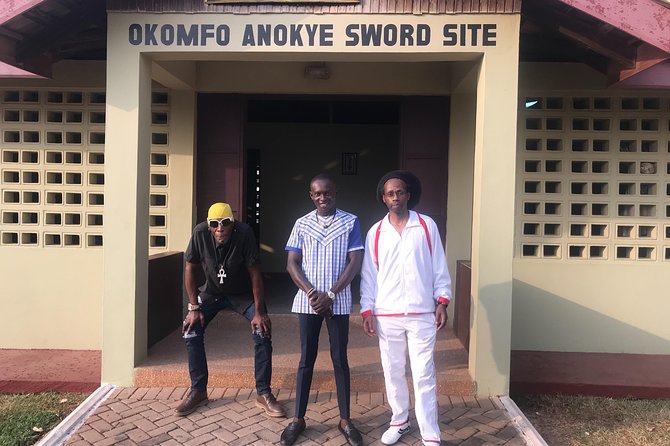
The next stop is the Okomfo Anokye Sword Site. The tour promises an explanation of the mysteries behind the sword, making this a different kind of historical stop from the palace and museum.
The site connects Ashanti tradition with a story that has lasted through generations. Rather than simply looking at an object behind glass, you get the chance to ask your guide how the sword fits into Ashanti belief and memory. The word mystery is part of the appeal, but the value comes from hearing the local explanation rather than treating the site as a quick curiosity.
This stop also adds a pause from the market. After the movement and noise of Kejetia, a place centered on one important symbol can feel more focused. I would use the time to ask questions about the sword, Okomfo Anokye, and the relationship between spiritual tradition and the Ashanti kingdom.
The details of the site visit are not specified, so do not assume a long guided ceremony or a particular presentation. What is clear is that the guide is there to explain the sword’s story and importance.
More of Kumasi and the Ashanti country:
- Bonwire Namimg Ceremony and Kente Tourist Center
★ 5.0 · 40 reviews - Kumasi Heritage Tours And Naming Ceremony In A Day
★ 5.0 · 11 reviews - Traditional naming ceremony For African Diasporas in Kumasi
★ 5.0 · 10 reviews - Full-Day Tour to Ashanti Region, Kumasi and Ghanaian History
★ 5.0 · 8 reviews
Local art at the Cultural Center
The tour then heads to the Cultural Center, where you can admire art and crafts made by local artisans. This stop gives the itinerary a hands-on, creative side and lets you see how cultural identity appears in objects, not only in royal buildings or historical displays.
The Cultural Center is also a useful place to slow down. You have spent time walking through the market and visiting heritage sites, so looking at local artwork offers a change of pace. If you enjoy craft traditions, this may be one of the most rewarding stops, especially because the work comes from local makers.
The information provided does not list specific crafts, galleries, prices, or shopping arrangements. Treat it as a chance to view local art and crafts rather than assume a guaranteed buying session. If you see something you like, ask your guide about the artisan, the meaning of the work, and whether purchases are possible at that time.
This part also helps keep the tour from being only about the past. The Ashanti story continues through artists working today. That link between older customs and present-day creativity is one of the tour’s better features.
Learning daily life at Prempeh Museum
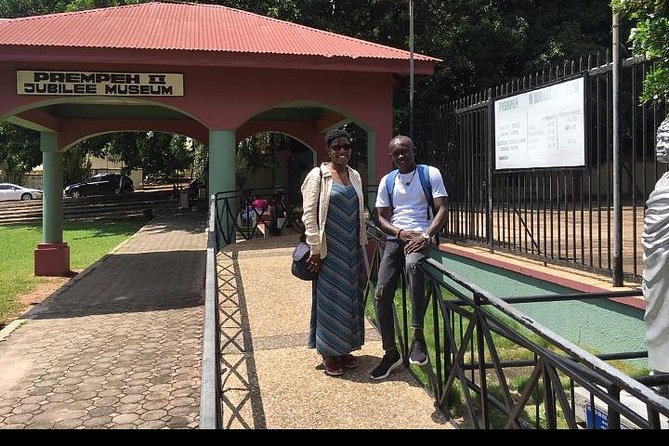
The final stop is the Prempeh Museum. Here, the focus turns to the ancient ways of the Ashanti people and how members of the kingdom lived.
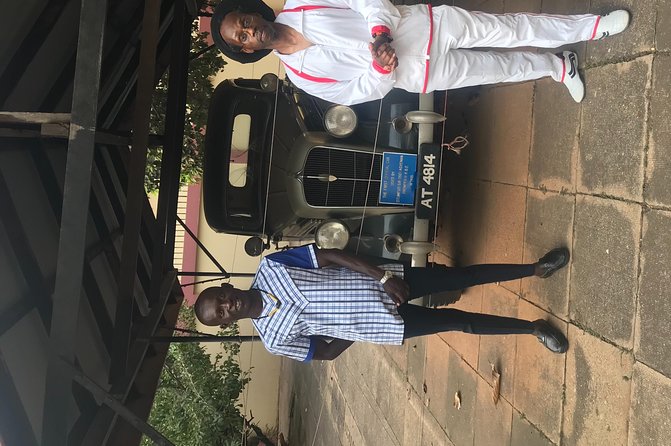
After Manhyia Palace has introduced royal authority and the sword site has introduced tradition, the museum should help fill in the human details. You can expect the guide to explain customs, objects, and ways of life connected with the Ashanti kingdom. The museum gives the tour a clear ending because it moves from public power to personal and domestic experience.
The supplied information does not identify individual exhibits, so I would avoid arriving with a fixed list of objects you expect to see. Instead, listen for the links between the museum displays and the earlier stops. A good guide can help you connect palace life, spiritual beliefs, trade, art, and daily customs into one larger picture.
The spelling of Prempeh Museum may appear differently in some booking systems, but the intended stop is clear. It is included with the other site entries, so you do not need to budget a separate admission fee during the tour.
What $70 includes, and what it does not
At $70 per person, this is a guided cultural tour rather than a basic sightseeing walk. You are paying for a private group, an English-speaking live guide, entry tickets to all sites, and taxes.
I see the value in the combination. Booking each attraction separately would take more planning, and you would lose the explanations that connect the stops. The private format may also suit you if you want to ask questions without waiting for a large group to move along.
Still, you should budget for the items left out:
- Food and drinks are not included.
- Hotel pickup is not included.
- Water should be brought by you.
- Comfortable shoes are essential.
The five-hour duration is long enough to give each major stop some attention, but it is not an exhaustive study of Kumasi. Think of it as a strong orientation to the city and Ashanti culture, not a complete catalogue of everything worth seeing.
Who will get the most from this tour
I would recommend this experience to a first-time visitor who wants Kumasi explained by someone local. It suits you if you enjoy combining museums with street life and prefer a private setting where you can ask questions.
It is also a good match if Ashanti history is a main reason for your visit. Manhyia Palace, the sword site, and Prempeh Museum give the day a clear cultural focus, while Kejetia and the Cultural Center stop the tour from feeling too formal.
You should think twice if you want a relaxed, vehicle-based sightseeing trip. The route includes walking through Kejetia Market and the central business area, and the activity is not suitable for people with mobility impairments or pregnant women.
The guide can make a major difference. The strongest praise in the feedback centers on guides who were friendly, accommodating, upbeat, and well informed. Ibrahim is singled out for explaining the highlights clearly, while Prussia is described as friendly and energetic. That human element matters in Kumasi, where context can turn a busy street or unfamiliar custom into something meaningful.
Practical advice for a smoother five hours
Meet at Manhyia Palace unless another pickup plan has been confirmed. Since hotel pickup is not included, allow time to reach the starting point and keep the meeting instructions handy.
Wear shoes you can walk in for several hours. Bring water, especially since drinks are not part of the price. You should also carry a passport or ID card, which is listed among the required items.
Keep your schedule reasonably open. The tour lasts five hours, but the exact starting times depend on availability. A private group gives the guide more room to respond to questions, yet the route still covers several sites, so punctuality will help protect your time at each stop.
Cancellation is flexible if your plans change: you can cancel up to 24 hours in advance for a full refund. You can also reserve now and pay later, which is useful if you want to secure a place before your Kumasi plans are final.
Should you book the Kumasi City Tour?
Book it if you want one well-organized half-day covering royal history, market life, Ashanti tradition, local art, and museum exhibits. The itinerary is varied, the main site admissions are included, and the private English-speaking guide gives you a better chance to understand what you are seeing.
I would not choose it if walking is difficult or if you want a slow, quiet outing. For everyone else, $70 is a fair price for a private introduction to Kumasi, particularly when the guide is as helpful and personable as Ibrahim or Prussia. Bring water, wear sensible shoes, and let the city’s working heart be part of the lesson.
FAQ
Where does the Kumasi City Tour meet?
The central meeting point is Manhyia Palace. Pickup from your destination may be available, but hotel pickup is not included.
How long does the tour last?
The tour lasts five hours.
How much does the tour cost?
The price is $70 per person.
Is the tour private?
Yes. The activity is arranged for a private group.
What language is the tour conducted in?
The live tour guide speaks English.
Which sites are visited?
The tour visits Manhyia Palace, Kejetia Market and the central business area, the Okomfo Anokye Sword Site, the Cultural Center, and the Prempeh Museum.
Are entry tickets included?
Yes. Entry tickets to all listed sites are included.
Are food and drinks included?
No. Food and drinks are not included, so bring water and plan separately for anything you want to eat or drink.
What should I bring?
Bring water, a passport or ID card, and comfortable shoes.
Can I cancel the booking?
Yes. You can cancel up to 24 hours in advance for a full refund. You can also reserve now and pay later.
Most recently reviewed around Kumasi
- Kumasi City Tour★ 4.5 · 3 reviews
- Full Day Tour with Traditional Naming Ceremony in Kumasi★ 5.0 · 4 reviews
- Kejetia Market Tour and Traditional Food Cooking Class.★ 5.0 · 2 reviews
- Kumasi Culture and Heritage Tours★ 4.5 · 3 reviews
- Discover kumasi Tours★ 5.0 · 3 reviews
- Private Half-Day City Tour of Kumasi with Lunch★ 5.0 · 2 reviews
- Ashanti History Tours★ 5.0 · 2 reviews
- Experience the Culture of Ashanti Kingdom in 5days★ 5.0 · 3 reviews
City Tours in Kumasi, compared.



Lake Bosomtwe Boat Cruisely and Kumasi City Tours
Read our review →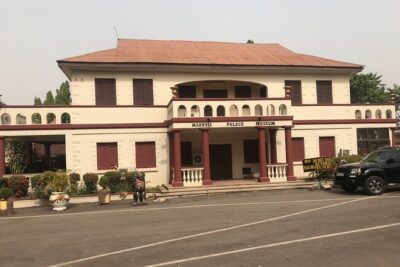
Browse the lists this tour appears in