
Reviewed · KUMASI TOURS
One day tour at Kumasi
Kumasi tells Ghana’s story in royal gold.
This private tour links the Asante Kingdom’s royal museums with living craft traditions, giving you more than a city drive-by. I like the mix of palace objects, military history, Adinkra printing, Kente weaving, and market life. I also like the private format, which lets your group spend more time where interest is strongest.
The main drawback is the pace. Seven stops can fill four to eight hours, and several museums are compact, so the day works best if you accept brief visits rather than expect long, quiet museum time. Lunch is not included, and you should confirm pickup details because the stated meeting point is Manhyia Palace Museum.
In This Review
- Six details worth knowing before you book
- Why this Kumasi tour works as a full-day introduction
- 8:00 am at Manhyia Palace Museum
- Kumasi Fort and the Ghana Armed Forces Museum
- Prempeh II Museum and the royal household
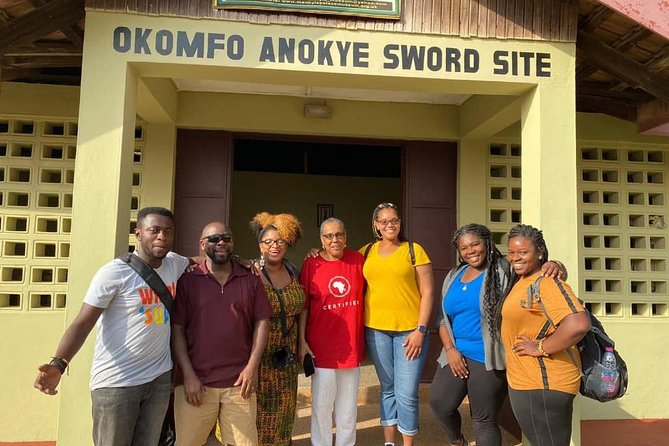
- The immovable sword at Okomfo Anokye
- Ntonso, where Adinkra begins with local materials
- Adanwomase and the meaning of Kente
- Kejetia Market, the final hour in Kumasi
- The private vehicle and guide make the difference
- What to pack and how to pace the day
- Who should book this Kumasi experience?
- Should you book the Kumasi tour?
- FAQ
- How long does the Kumasi tour last?
- Where does the tour start and finish?
- Is hotel pickup available?
- Is lunch included?
- Are admission fees included?
- Can I cancel for a refund?
Six details worth knowing before you book
- The day begins with Asante royalty: Manhyia Palace Museum introduces the kingdom through royal objects, war amulets, and ceremonial pieces.
- Three museums cover different angles: You see palace culture, military history, and the personal world of Prempeh II.
- The sword site is brief but unusual: The Okomfo Anokye Sword remains the focus of a small museum built around the famous immovable sword.
- Crafts are shown at their source: Ntonso demonstrates traditional Adinkra production, while Adanwomase presents handwoven Kente.
- Kejetia is the grand finale: The tour finishes at Kumasi’s central market, a useful place for shopping and seeing ordinary city commerce.
- Private touring adds flexibility: The team has been praised for adjusting plans, with guides and staff including Jones, Josephine, Godfrey, and Kofi mentioned for their care and flexibility.
Why this Kumasi tour works as a full-day introduction
Kumasi is the heart of Ashanti culture, and this tour gives you a useful sequence rather than a random collection of sights. You begin with kings and state power, move through war and ceremony, then finish with crafts and trade.
That order matters. When you see Adinkra symbols after learning about Asante authority, the cloth feels less like a souvenir and more like a visual language. When you see Kente patterns after visiting royal museums, the fabric’s ceremonial role becomes easier to understand.
The $130 price is per person, so value depends on your group size and what you want from the day. You are paying for a private vehicle, transport between widely separated locations, admission fees where listed, and the convenience of having the route arranged. For a solo participant or couple, it is a fairly serious outlay. For a small group, the private format can make the price easier to justify.
The tour lasts about four to eight hours. That wide range reflects the number of stops and the flexibility of a private outing. If you move quickly, it may fit into a half-day. If you ask questions, shop, or spend longer at the craft villages, expect the longer end of the range.
More of Kumasi and the Ashanti country:
- Bonwire Namimg Ceremony and Kente Tourist Center
★ 5.0 · 40 reviews - Tour Kumasi City Like a Local
★ 4.5 · 34 reviews - Kumasi Heritage Tours And Naming Ceremony In A Day
★ 5.0 · 11 reviews
8:00 am at Manhyia Palace Museum
The stated starting point is Manhyia Palace Museum at 8:00 am. Pickup is offered, but the published meeting point is the palace itself, so confirm the exact arrangement before the day begins.
Manhyia Palace Museum is small, yet it carries a lot of weight. The displays include historic Asante objects, war amulets, and material connected with the kingdom’s royal past. The palace museum opened in 1995 during the Silver Jubilee celebration of the accession of the Golden Stool.
Allow about 45 minutes here. That is enough for an introduction, but not enough for a slow museum study. I would pay close attention to the guide’s explanation of why royal objects mattered, rather than simply trying to identify every item in the cases.
The museum is a strong opening because it gives the tour a clear point of reference. You are not just looking at old objects. You are beginning with the institution that shaped much of Kumasi’s identity.
Kumasi Fort and the Ghana Armed Forces Museum
The next stop is Kumasi Fort, home to the Ghana Armed Forces Museum. Plan on about an hour, with admission included.
The displays cover military equipment and objects linked to the British Asante war of 1900, as well as the Second World War. Collections include weapons, flags and military colors, medals, armored cars, portraits, and photographs.
This stop shifts the focus from court life to conflict. It also helps explain the colonial period and Ghana’s later development. The building itself has historical value, so you are seeing both a museum collection and a place connected with the country’s military story.
I like this part of the route because it prevents the day from becoming a narrow royal tour. The Asante past is presented through power, resistance, military organization, and political change.
The museum may be more rewarding for people who enjoy photographs, equipment, and historical context than for anyone looking only for polished palace interiors. Some displays may feel dense, so use the guide to connect the objects to the larger story.
Prempeh II Museum and the royal household
The Prempeh II Museum is scheduled for about 25 minutes, with admission included. It is another small museum, but the personal scale makes it different from Manhyia Palace Museum and the military collection.
The displays relate to Prempeh II and include war clothing, ceremonial garments, jewelry, protective amulets, bathing and dining equipment, furniture, royal insignia, and brass weights once used to weigh gold.
The building is designed to resemble an Ashanti chief’s house. A courtyard sits at the front, while carved traditional symbols decorate the walls. That setting gives the museum a stronger sense of place than a standard display hall.
A personal tour is included with admission. That matters here because the objects are not always self-explanatory. A bathing item, a brass gold weight, or a piece of royal clothing becomes much more interesting when you understand its role.
The short time allowance is the main limitation. If royal life and material culture interest you, 25 minutes may pass quickly. You can ask your guide at the start whether the stop can be extended, although the rest of the day may then run longer.
A few other Kumasi trips we have written up
- One Day Tour To Cape Coast, Elmina Castle, Kakum National Park
★ 5.0 · 21 reviews - From Accra: Cape Coast and Elmina Castles Day Trip
★ 5.0 · 19 reviews - 1 Day cocoa farm tour
★ 4.5 · 11 reviews - Accra: Shai Hills and Volta River Cruise Day Trip with Lunch
★ 4.8 · 11 reviews
The immovable sword at Okomfo Anokye
The Okomfo Anokye Sword Site is the shortest stop, at around 15 minutes. The sword is enclosed in a small museum and is associated with Okomfo Anokye, the spiritual figure credited with driving the immovable sword into the ground.
This is not a large museum visit. It is a focused stop built around one famous object and the story attached to it. The limited time makes sense, but you should not expect a long historical presentation.
I would treat this as a symbolic pause between the royal museums and the craft villages. The sword represents tradition and spiritual authority, while the next stops show how cultural knowledge continues through making and design.
Because the stop is brief, listen closely and ask your guide to explain the story in the context of Asante identity. That will give the site more meaning than a quick photograph and departure.
Ntonso, where Adinkra begins with local materials
At Ntonso Adinkra Cloth Village, you have about 50 minutes, with admission included. Ntonso is known as the homeland of Adinkra cloth and is described as the only place in Ghana where traditional Adinkra is made locally from scratch.
That phrase matters. You are not simply entering a shop filled with printed fabric. The visit is about the process and the symbols that carry proverbial wisdom.
Adinkra cloth is known for its symbols, and each design can express an idea, warning, value, or saying. The designs turn cloth into a form of communication. This is one of the strongest parts of the tour for anyone who likes crafts with a story behind them.
The hands-on element can make the stop especially memorable. The tour can include Adinkra symbol printing, so you may have a chance to take part rather than only watch. The exact level of participation can vary, but ask your guide about it when you arrive.
Fifty minutes gives you time to see the work and consider purchases without allowing the stop to take over the day. Prices and shopping arrangements are not specified, so bring a little patience and ask about the meaning of a symbol before choosing a cloth or other item.
Adanwomase and the meaning of Kente
Adanwomase is the Kente stop, with about an hour allocated and no separate admission fee listed.
Kente has long been associated with African kings and remains one of Ghana’s best-known fabrics. In Adanwomase, the cloth is still made in the traditional way. The appeal is not only the color and pattern. Kente carries symbolic meaning, with more than 300 patterns linked to proverbs, historic events, important chiefs, and valued plants.
This is where the tour’s cultural focus becomes tangible. At the museums, you look at the past through objects. Here, you see a tradition being kept alive through skilled work and pattern knowledge.
The one-hour visit should give you time to watch weaving and consider locally made goods. You may also have a chance to try Kente weaving. One account of the tour specifically describes a hands-on weaving experience, so ask whether this can be included on your date.
Kente can be expensive compared with ordinary printed fabric, and that is understandable when a cloth carries symbolic meaning and is made through a traditional process. If you plan to buy, ask about the pattern’s name and meaning. A small piece with a clear story may be a better choice than a larger item selected only for color.
Kejetia Market, the final hour in Kumasi
The tour ends at Kejetia New Market and Bus Terminal, with about an hour at Kumasi Central Market. Admission is not included, although the market itself is a public commercial area rather than a ticketed museum.
Kejetia is the most active and least controlled part of the day. After several structured visits, you move into a major open-air market where ordinary buying and selling take center stage.
This is a good place for locally made goods and souvenirs. It is also useful if you want to see Kumasi as a working city rather than only through monuments and museums. The market is in the Ashanti rainforest region, and its size and activity can feel like a sharp change after the quieter museum stops.
Keep your expectations practical. One hour is enough for a first look and some shopping, but not enough to understand every section of a large market. Stay aware of the time, especially if you need to continue to the bus terminal or make another appointment.
Since this is the final stop, you can also use it as a convenient end point. The published finish is Kejetia New Market and Bus Terminal, so your group can end the tour in a central location rather than returning to the palace.
The private vehicle and guide make the difference
An air-conditioned vehicle is included, along with all listed fees and taxes. That is useful in Kumasi, where the tour moves between museums, historic sites, craft villages, and a central market.
The private arrangement is the strongest practical feature. Only your group participates, so you can ask questions without holding up strangers. You may also be able to adjust the amount of time spent at a museum or craft stop, though you should understand that adding time in one place may shorten another.
The tour company has earned strong praise for communication, care, and flexibility. Jones is described as a flexible and accommodating driver who offered helpful recommendations. Josephine has been singled out for adapting the day to research needs, while Godfrey and Kofi are associated with attentive planning and a welcoming approach.
If you have a particular interest, say so before departure. One customer was able to add a visit to the Akwasidae festival, showing that the team may be willing to adjust a private day when timing allows. That does not mean every extra request can be added, but it is worth asking.
The operator has also handled longer multi-region trips, so you may be able to discuss additional Ghana travel separately. For this one-day experience, the key benefit is having a local team that can respond to your priorities.
What to pack and how to pace the day
Lunch is not included, so plan for your own meal. The tour begins at 8:00 am and may last most of the day, especially if you spend time shopping or request changes.
Wear clothing suitable for walking through museums, craft settings, and a large market. The available information does not give a specific dress code, so practical, comfortable clothing is the safest choice.
Bring room for purchases. Adinkra cloth, Kente, and other locally made goods are central to the day, not an afterthought. You will get more from the craft villages if you are ready to ask about symbols, patterns, and production rather than treating them as quick shopping stops.
The tour is open to most participants, and service animals are allowed. It is also near public transportation. Confirmation is provided at booking, and the experience requires good weather. If poor weather cancels the day, you are offered another date or a full refund.
Free cancellation is available up to 24 hours before the start time. Within 24 hours, refunds are not provided and changes are not accepted.
Who should book this Kumasi experience?
I would recommend it most strongly to first-time visitors who want a broad introduction to Kumasi in one organized day. It suits you if you care about royal history, Ghanaian crafts, symbolic design, and local shopping.
It is also a good fit for couples, families, and small groups who want a private vehicle and the freedom to ask for adjustments. The tour can work well for someone researching Asante culture too, especially because the guide team has shown flexibility with specific interests.
I would hesitate if you prefer long museum visits, slow photography, or a single subject explored in depth. Seven stops create variety, but they also require movement and compromise. The short visit at Okomfo Anokye and the 25-minute Prempeh II Museum stop may feel rushed to serious history enthusiasts.
Should you book the Kumasi tour?
Book it if you want to connect Kumasi’s royal past with the living work of Adinkra printers and Kente weavers. The combination is the real value: museums explain the symbols and institutions, while Ntonso, Adanwomase, and Kejetia show how culture operates in daily life.
At $130 per person, it is not a budget walk, but private transport, admissions, route planning, and a flexible guide team make the cost reasonable for a small group. Confirm pickup, ask whether Jones or Josephine is available if you have a preference, and discuss any extra stop before the morning begins.
If you want a focused, carefully paced museum day, choose something shorter. If you want a practical first look at Kumasi with room for history, craft, and shopping, this is a strong choice.
FAQ
How long does the Kumasi tour last?
The experience lasts approximately four to eight hours. The final duration can depend on the pace of your private group and how much time you spend at the museums, craft villages, and market.
Where does the tour start and finish?
The stated start point is Manhyia Palace Museum in Kumasi, with an 8:00 am start time. The tour ends at Kejetia New Market and Bus Terminal.
Is hotel pickup available?
Pickup is offered, but the listed meeting point is Manhyia Palace Museum. Confirm the pickup arrangement and location when booking.
Is lunch included?
No. Lunch is not included in the tour price.
Are admission fees included?
Admission is included at Manhyia Palace Museum, Kumasi Fort and the Ghana Armed Forces Museum, Prempeh II Museum, Okomfo Anokye Sword Site, and Ntonso Adinkra Cloth Village. No separate admission fee is listed for Adanwomase, while Kejetia Market admission is not included.
Can I cancel for a refund?
You can cancel at least 24 hours before the local start time for a full refund. Cancellations or changes made within 24 hours are not refunded or accepted. If poor weather causes the operator to cancel, you are offered another date or a full refund.
Most recently reviewed around Kumasi
- Kumasi City Tour★ 4.5 · 3 reviews
- Full Day Tour with Traditional Naming Ceremony in Kumasi★ 5.0 · 4 reviews
- Kejetia Market Tour and Traditional Food Cooking Class.★ 5.0 · 2 reviews
- Kumasi Culture and Heritage Tours★ 4.5 · 3 reviews
- Discover kumasi Tours★ 5.0 · 3 reviews
- Private Half-Day City Tour of Kumasi with Lunch★ 5.0 · 2 reviews
- Ashanti History Tours★ 5.0 · 2 reviews
- Experience the Culture of Ashanti Kingdom in 5days★ 5.0 · 3 reviews
Kumasi Tours, compared.
Bonwire Namimg Ceremony and Kente Tourist Center
Read our review →
Kumasi Heritage Tours And Naming Ceremony In A Day
Read our review →
Traditional naming ceremony For African Diasporas in Kumasi
Read our review →
Full-Day Tour to Ashanti Region, Kumasi and Ghanaian History
Read our review →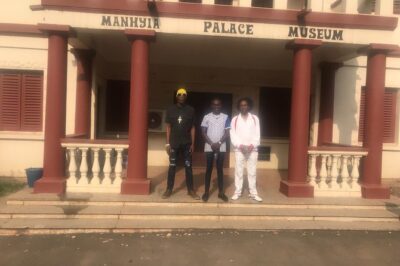

Lake Bosomtwe Boat Cruisely and Kumasi City Tours
Read our review →Browse the lists this tour appears in